How to Stop Sweaters From Shedding: Freeze It, Then Shake It Out
New knits shed loose fibers, and that is normal. Freeze the sweater, shake it out, and use a reusable lint roller for the fuzz that is left.
By Jamilur Rahman Updated November 5, 2026 · 5 min read
- Time
- 10 min plus overnight
- Cost
- Under $20
- Difficulty
- Easy
In this guide
Quick answer
To stop sweaters from shedding, seal the sweater in a bag, freeze it overnight, then take it outside and shake it so the loose fibers fall off. Roll off what remains with a lint roller, and wash by hand or on a delicate cycle in a mesh bag. A reusable lint roller made for knits keeps shed fuzz off the sweater and your other clothes, without buying refill sheets.
Free fix vs. permanent fix
Freeze, shake and roll
- Seal the sweater in a bag and freeze it overnight
- Shake it outside, then roll or brush it lightly
- Wash cold by hand or on delicate, in a mesh bag
- Dry it flat, never in the dryer
How long it lasts: Cuts shedding a lot for the first weeks. Fuzzy yarns keep shedding a little as they wear in.
A reusable lint roller for knitwear
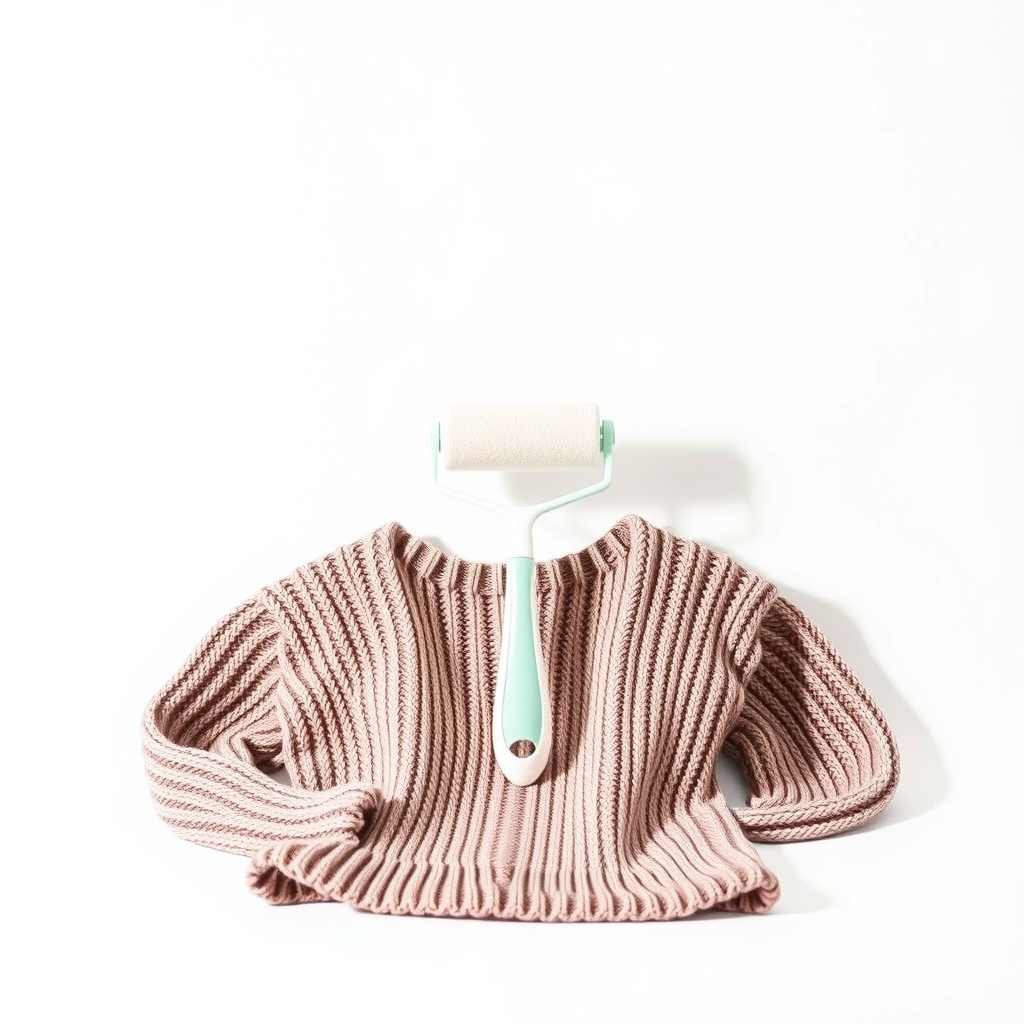
Shedding fibers are loose, so you keep finding fuzz on the sweater and on the clothes you wear with it. A washable sticky roller lifts that fuzz in seconds and needs no refills. Use a light touch on knits.
What to get: Reusable lint roller for knitwear
How long it lasts: Years. Rinse it under water and it gets sticky again.
As an Amazon Associate I earn from qualifying purchases.
What you'll need
-
Zip-top plastic bag
Keeps moisture out in the freezer
You have it -
Freezer
Overnight is enough
You have it -
Mesh laundry bag
Protects the knit in the wash
You have it - Our pick Illustration
Reusable lint roller for knitwear
Lifts shed fuzz with no refill sheets
Why it happens
Loose fibers in new yarn
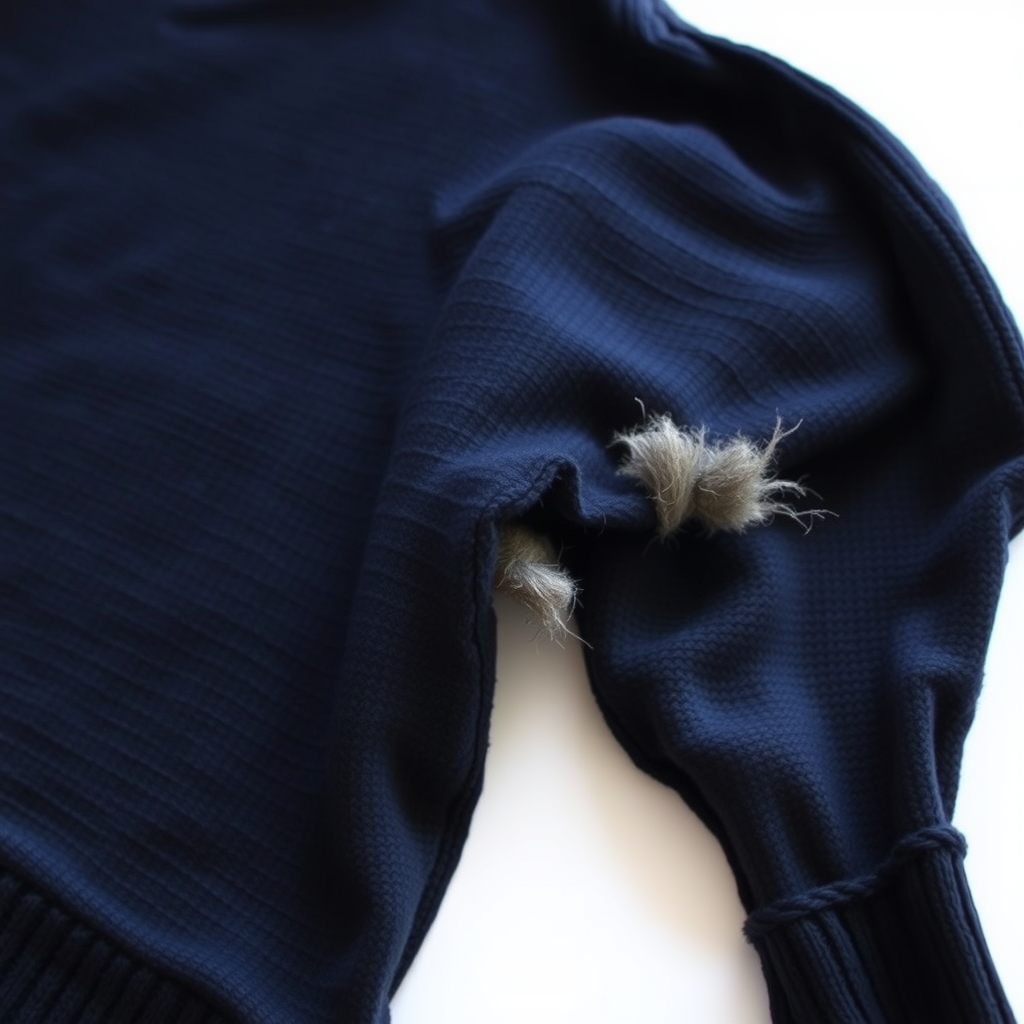
Fuzzy yarns like mohair, angora, alpaca, lambswool and brushed wool are made of short fibers that are only loosely held. New sweaters shed the most.
Loosely spun or short-fiber yarn
Yarns with short fibers and a loose twist shed more, because there is little holding the ends in.
Friction while you wear it
Bag straps, seat belts, coats and your own arms rub fibers out of the knit.
Hot water and tumbling
Heat and agitation roughen the surface and loosen more fibers. They can also felt and shrink wool.
Static
Static pulls shed fibers onto other clothes and makes them stick.
Try this first (free)
Do these in order, starting with the simplest.
-
Bag it and freeze it
Tool used: Zip-top plastic bagFold the sweater into a zip-top bag, press out the air and freeze it overnight, 12 to 24 hours. Owners report the cold helps loose fibers let go, especially on mohair, angora and brushed wool.
-
Shake it out
Take it outside or over a sink, let it thaw a minute, then give it several gentle shakes. Loose fibers fall away. Do not wring it.
-
Roll off the fuzz
Tool used: Reusable lint roller for knitwearRoll lightly in one direction before you wear it. Too much pressure can tug the knit.
IllustrationCheck price on AmazonTool for this step
Reusable lint roller for knitwear · Lifts shed fuzz with no refill sheets
-
Wash gently
Tool used: Mesh laundry bagHand-wash in cool water, or use a delicate cycle in a mesh bag with wool detergent. Press the water out in a towel and dry flat.
-
Cut down the friction
Wear a thin layer underneath, keep bag straps off the shoulders, and fold the sweater instead of hanging it.
When free fixes aren't enough
Shedding is normal for new fuzzy knits and fades as the loose fibers leave, often within a few washes or weeks of wear. If a sweater still sheds heavily after two freezes and a gentle wash, the yarn is probably short-fibered and loosely spun, and no care routine will change that. Keep a roller by the door and wear a thin layer underneath. If you see bald patches or little balls on the surface, that is wear and pilling, not shedding.
Buy the fix
Still stuck after the free fixes? These are the products we would look at.
Reusable lint roller for knitwear
Fixes: shed fuzz on the sweater and on clothes it touches
Look for: Rinses clean and turns sticky again, so there are no refills; Gentle enough for knits, not overly tacky; A handle and a cap that keep it clean in a drawer.
- Who it's for
- Anyone with a mohair, angora or fuzzy wool sweater that leaves fuzz on everything.
- Honest downside
- The sweater is very delicate or open-knit, where a tacky roller can snag. Use your hand or a soft brush instead.
As an Amazon Associate I earn from qualifying purchases. We don't show prices because they change, so use the button to see today's price.
How we picked: How we picked: this page is based on knitwear and wool care guides, yarn maker advice on fuzzy fibers, and the problems people report in reviews. We do not test products by hand.
How to fix sweater that shed: what to expect
After the first freeze and shake, expect a big drop in loose fuzz. The sweater may still shed lightly for a few weeks. Repeat the freeze once a month or after a wash if you like, and keep a roller handy for clothes it rubs against. Shedding rarely thins a sweater enough to show.
Which sweater fibers shed the most
- Mohair and angora: the fuzziest, and they shed the most, especially when new.
- Alpaca and brushed wool: shed a fair amount at first.
- Lambswool and merino: tend to shed less, and settle after a few washes.
- Cotton and acrylic: shed little, but they pill more with wear.
What to skip
The dryer, hot water and frequent washing
Washing a shedding sweater often, using hot water or tumbling it in the dryer makes shedding worse and can felt wool. A fabric shaver is for pills, not shedding, so leave it in the drawer.
Frequently asked questions
Why is my sweater shedding?
Why does my sweater shed so much?
My sweater keeps shedding lint. Will it ever stop?
How to get a sweater to stop shedding?
How to stop knit sweater from shedding in the wash?
Related problems
 Free fix inside
Laundry · Pilling
How to Stop Clothes From Pilling: Wash Them This Way Instead
Read the fix Free fix inside
Laundry · Sweaters
Sweater Shrunk in the Dryer? How to Stretch It Back to Size
Read the fix Free fix inside
Laundry · Sweaters
Sweater Smells Musty After Washing? A Wool Wash and Dry Plan
Read the fix Free fix inside
Laundry · Knit Repair
How to Fix Sweaters With Holes: A Beginner Darning Kit Does It
Read the fixAs an Amazon Associate I earn from qualifying purchases. Affiliate disclosure