How to Stop Sweaters From Itching: A Soak and Conditioner Method
Itchy wool is stiff fiber ends poking your skin. A conditioner soak softens them, and a thin layer underneath covers whatever itch is left.
By Jamilur Rahman Updated November 5, 2026 · 6 min read
- Time
- 30 min, plus drying
- Cost
- Under $20
- Difficulty
- Easy
In this guide
Quick answer
To stop sweaters from itching, soak them in lukewarm water with a little conditioner, press the water out and dry them flat. Wool itches because stiff, coarse fibers poke your skin, and conditioner smooths those fibers so they bend instead of prick. A wool-safe fabric conditioner does the same job as hair conditioner, with a formula made for knits. It cannot change how thick the wool is, so add a thin layer underneath for any itch that remains.
Free fix vs. permanent fix
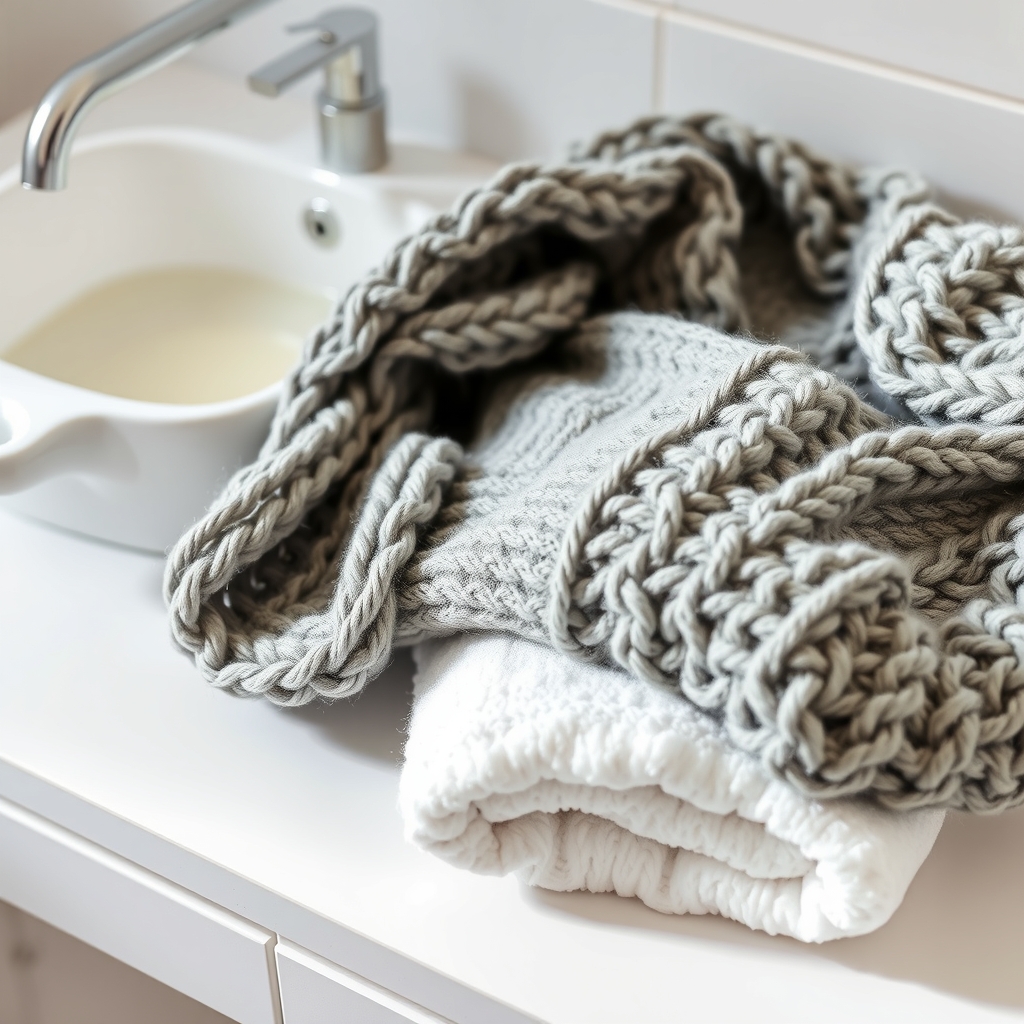
A hair-conditioner soak
- Soak 15 to 30 minutes in lukewarm water with 1 to 2 tablespoons of conditioner
- Rinse once, then press the water out and never wring
- Dry flat and away from heat
- Wear a thin cotton or silk layer underneath
How long it lasts: Softens the sweater for a few wears. The effect fades as you wash it, so repeat the soak after each wash.
A wool-safe fabric conditioner
Hair conditioner works because it coats and smooths rough fibers. A conditioner made for wool and knits does the same job, with the dose on the label and less perfume on your skin. It will not change how coarse the yarn is, but it takes the edge off the prickle.
What to get: Wool-safe fabric conditioner
How long it lasts: Use it in every wash to keep the fibers smooth, so you do not repeat the experiment each time.
As an Amazon Associate I earn from qualifying purchases.
What you'll need
-
Large basin or clean sink
For the soak
You have it -
Hair conditioner
Plain and fragrance-free is best for a first try
You have it -
Bath towel
To press out the water and dry the sweater flat
You have it - Our pick Illustration
Wool-safe fabric conditioner
Made for wool and cashmere, so you skip the guesswork
- Illustration
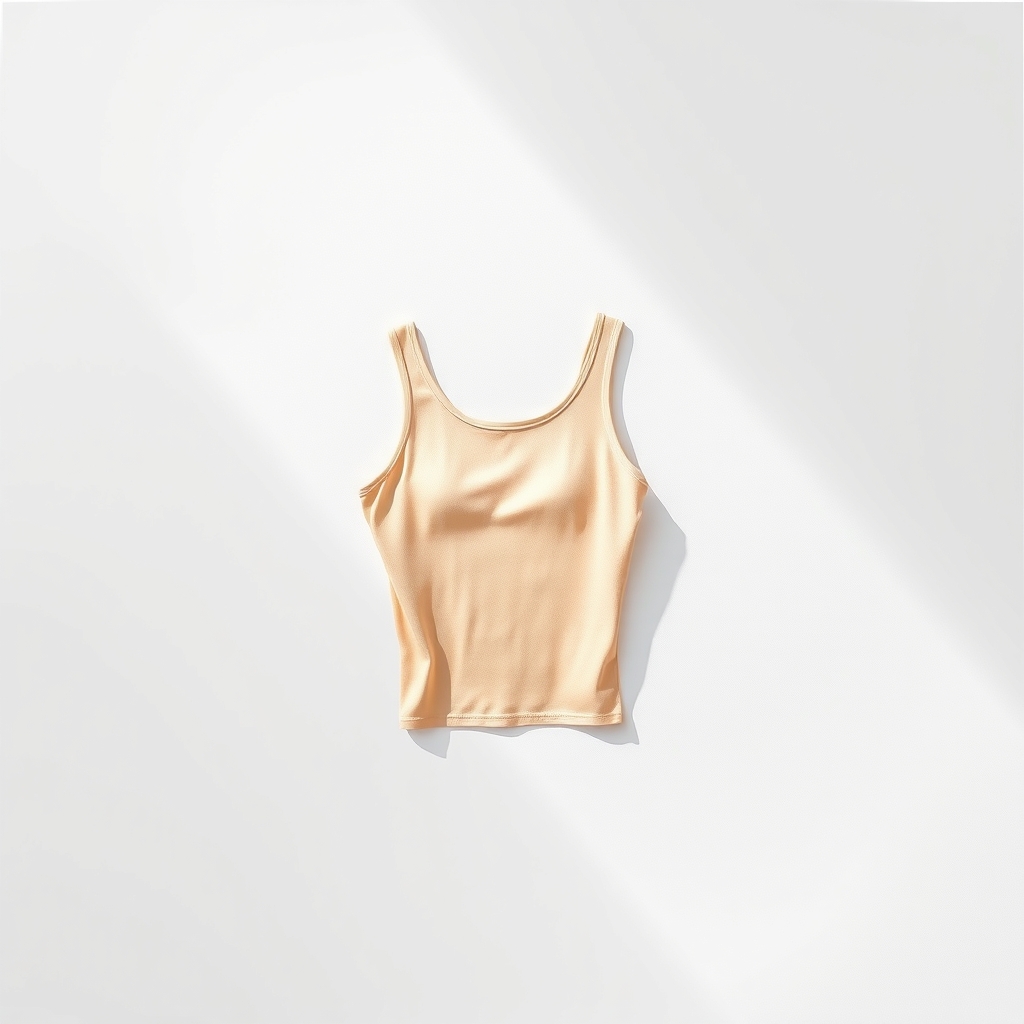
Thin silk or merino base layer
A smooth layer between the sweater and your skin
Why it happens
Thick, coarse fibers
Wool fibers thicker than about 30 microns bend less and poke the nerve endings in your skin, so they feel prickly. Fine merino and good cashmere stay under that. Cheap or rustic wool often does not.
Residue from detergent and hard water
Soap left in the knit and minerals from hard water stiffen the fibers. A sweater that was soft when new can turn scratchy over time.
Heat and rough washing
Hot water, spinning and the dryer felt wool. Felted fibers lock together and feel rougher.
Low-grade or blended cashmere
Cheap cashmere uses short, coarse fibers that stick out of the yarn. Blends with coarse wool or acrylic can also scratch. Pilling makes it worse.
Dry skin
Dry winter skin feels the prickle more. A few people are sensitive to lanolin, the natural wax in wool.
Try this first (free)
Do these in order, starting with the simplest.
-
Check the care label
Wool and cashmere do best by hand in lukewarm water. If the label says dry clean only, take it to a cleaner instead of soaking it.
-
Soak with conditioner
Tool used: Hair conditionerFill a basin with lukewarm water and stir in 1 to 2 tablespoons of hair conditioner, or the dose on your wool conditioner's label. Press the sweater under and leave it for 15 to 30 minutes. Do not rub or twist.
-
Rinse once, unless the label says no-rinse
Tool used: Large basin or clean sinkDrain the basin and rinse the sweater once in clean lukewarm water, so no heavy film sits on the side that touches your skin. Many wool conditioners are made to stay in; follow the label.
-
Press and dry flat
Tool used: Bath towelLay the sweater on a bath towel, roll it up and press to squeeze out the water. Reshape it on a dry towel and dry it away from heat. Do not hang it, or it will stretch.
-
Add a barrier layer
Tool used: Thin silk or merino base layerWear a thin cotton, silk or merino layer underneath, especially at the neck and wrists, where your skin is most sensitive.
IllustrationCheck price on AmazonTool for this step
Thin silk or merino base layer · A smooth layer between the sweater and your skin
When free fixes aren't enough
If the sweater still itches after two soaks, the yarn itself is coarse, and no conditioner will change that. Wear it over a base layer, or keep it for outdoor use, and next time buy a finer yarn. If you get a red rash, hives or swelling, or the itch continues after you take the sweater off, see a doctor, since it may be an allergy or skin condition rather than ordinary wool prickle. A wool-safe conditioner is the easy way to repeat the soak after every wash without measuring.
Buy the fix
Still stuck after the free fixes? These are the products we would look at.
| Pick | Product | Fixes | Who it's for | Buy |
|---|---|---|---|---|
| Best pick | Wool-safe fabric conditioner | stiff, scratchy fibers in wool and cashmere | Anyone with several wool sweaters who wants a repeatable step for every wash. | Check price |
| Upgrade pick | Thin silk or merino base layer | itch that remains because the yarn itself is coarse | People whose favorite sweater stays itchy after the soak. | Check price |
Wool-safe fabric conditioner
Fixes: stiff, scratchy fibers in wool and cashmere
Look for: Made for wool, cashmere and knitwear; Clear directions for rinse or no-rinse use; Fragrance-free, or a light scent if your skin is sensitive.
- Who it's for
- Anyone with several wool sweaters who wants a repeatable step for every wash.
- Honest downside
- You have a hair conditioner at home and the soak already works for you.
Thin silk or merino base layer
Fixes: itch that remains because the yarn itself is coarse
Look for: A smooth, thin fabric that sits close to the skin; A neckline and sleeve length that cover the sweater's neck and cuffs; Machine-washable, so it is easy to keep clean.
- Who it's for
- People whose favorite sweater stays itchy after the soak.
- Honest downside
- The sweater feels fine after one soak. A base layer is an extra you do not need.
As an Amazon Associate I earn from qualifying purchases. We don't show prices because they change, so use the button to see today's price.
How we picked: How we picked: this page is based on wool and fiber care guides, garment care labels, and the fixes and complaints owners share in reviews. We do not test products by hand.
What to look for in your next sweater
- Fine merino, with a label that gives the micron count. Lower is softer, and under about 20 microns feels soft to most people.
- Blends with cotton or silk, which soften the feel of wool.
- A smooth, tight knit rather than a hairy or loose one.
- A soft lining or trim at the neck, where the itch bothers you most.
What to skip
Heavily perfumed softener and hot water
Regular liquid fabric softeners are not made for wool. They can leave a film and a strong scent that irritates skin. Hot water and the dryer felt wool and make the itch worse. Keep it cool, gentle and flat.
Frequently asked questions
Why is my sweater itchy, or why are all my sweaters itchy?
Why is my wool sweater itchy?
Why is my cashmere sweater itchy?
Can a vinegar rinse stop the itch instead of conditioner?
Related problems
 Free fix inside
Laundry · Sweaters
Sweater Smells Musty After Washing? A Wool Wash and Dry Plan
Read the fix Free fix inside
Laundry · Sweaters
How to Stop Sweaters From Shedding: Freeze It, Then Shake It Out
Read the fix Free fix inside
Laundry · Sweaters
Sweater Shrunk in the Dryer? How to Stretch It Back to Size
Read the fix Free fix inside
Laundry · Pilling
How to Get Rid of Pilling on Clothes Without Ruining the Fabric
Read the fixAs an Amazon Associate I earn from qualifying purchases. Affiliate disclosure