How to Stop Bed Sheets Balling Up in the Dryer (and Staying Damp)
Wet sheets twist into a rope and dry from the outside in. Use a smaller load, a mid-cycle shake and bigger dryer balls to open them up.
By Jamilur Rahman Updated November 5, 2026 · 6 min read
- Time
- 10 min setup
- Cost
- Under $20
- Difficulty
- Easy
In this guide
Quick answer
To stop bed sheets from balling up in the dryer, dry one set at a time, shake the wet sheets out before they go in and add something that keeps them apart, such as a dry towel, clean tennis balls or XL wool dryer balls. Sheets ball up because they twist together and trap damp air in the middle. XL wool balls do the separating every load, quietly.
Free fix vs. permanent fix
Smaller loads, a shake and tennis balls
- Dry one sheet set with a dry towel, not a full load
- Shake out and untwist the wet sheets before loading
- Add two or three clean tennis balls
- Pause halfway, shake and flip the sheets
How long it lasts: Works every load while you keep the load small and shake the sheets out. Tennis balls thump, and some owners dislike the noise.
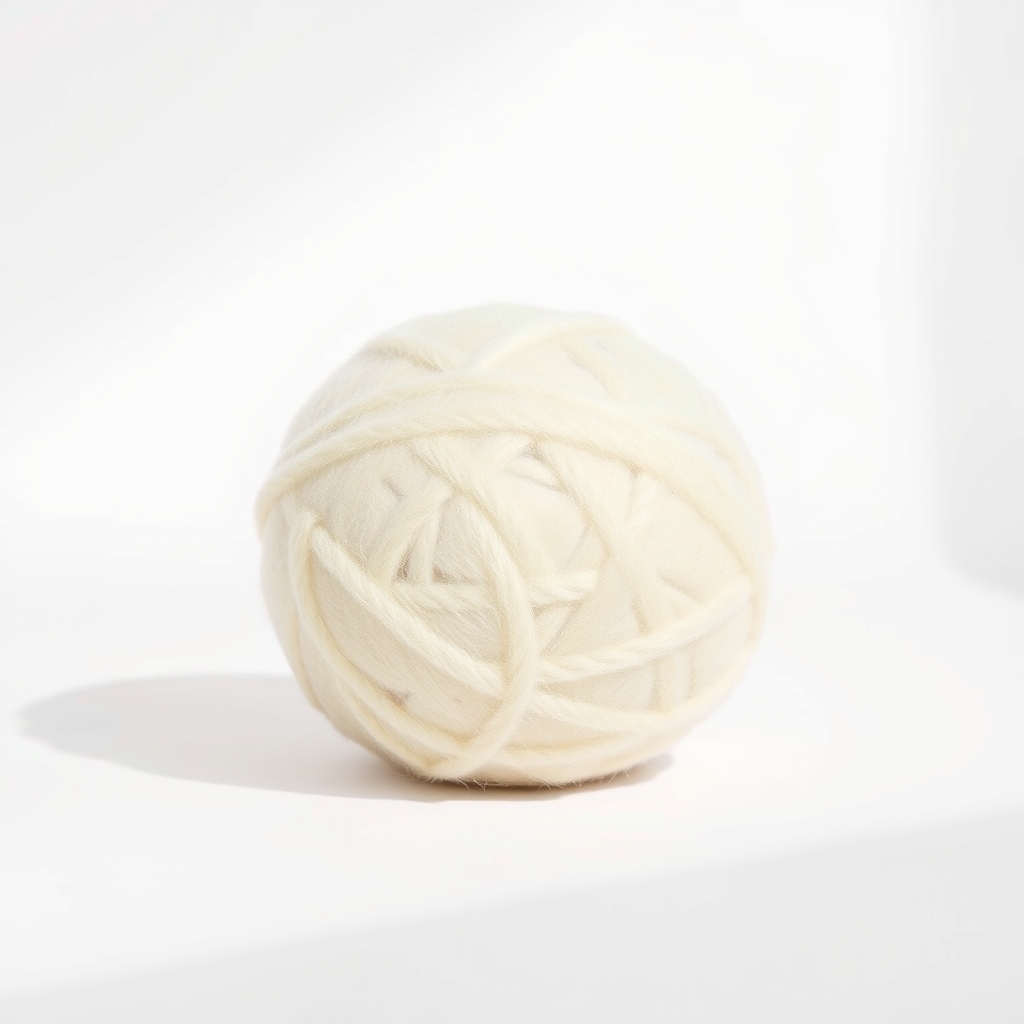
XL wool dryer balls
Bigger balls keep tumbling between the layers, so hot air reaches the middle of the bundle and the sheets cannot pack into a damp wad. They are quieter than tennis balls, and there is nothing to remember to dig out of a drawer.
How long it lasts: Reusable for many loads, so it becomes part of the routine.
As an Amazon Associate I earn from qualifying purchases.
What you'll need
-
Dry bath towel
Helps the load tumble and soaks up moisture
You have it -
Clean tennis balls
A free stand-in for dryer balls
You have it - Illustration
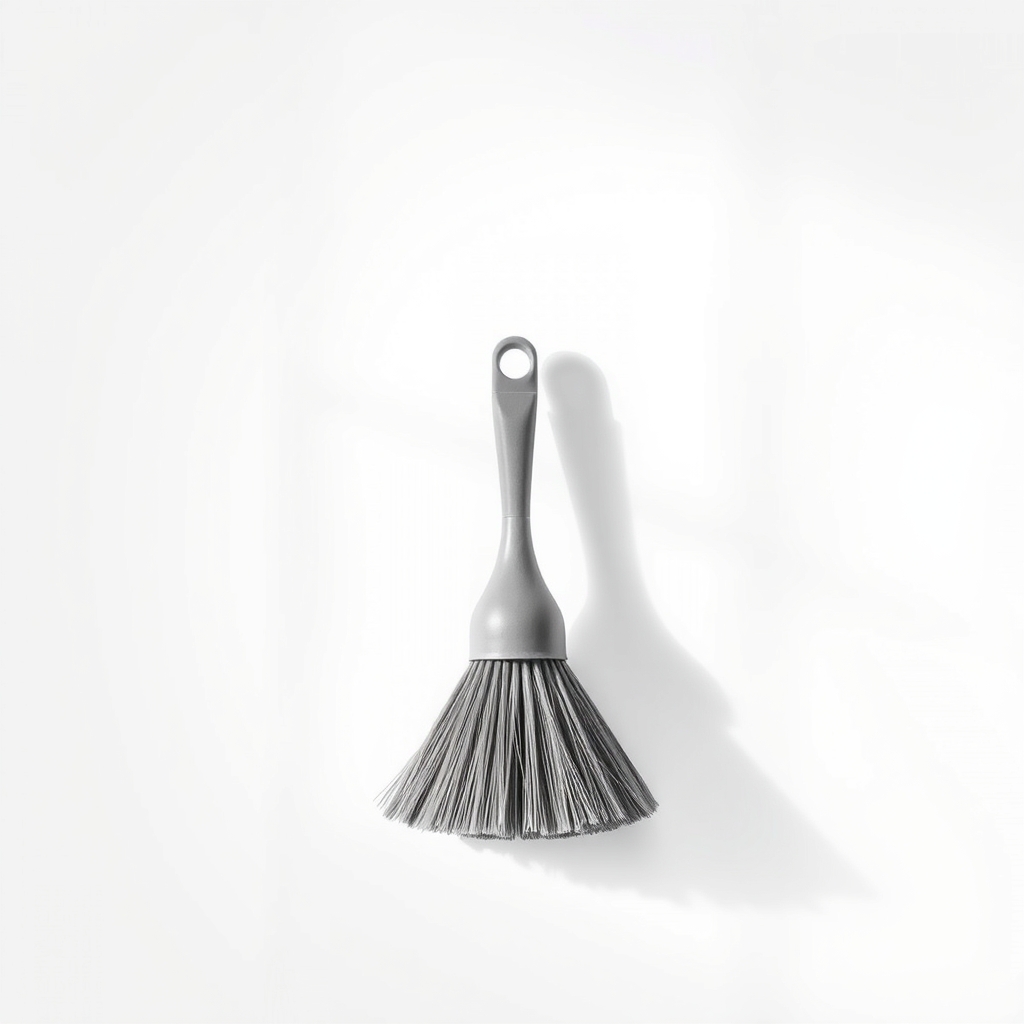
Dryer vent cleaning brush
For when sheets take two cycles to dry
- Our pick Illustration
XL wool dryer balls
The lasting fix
Why it happens
An overloaded drum
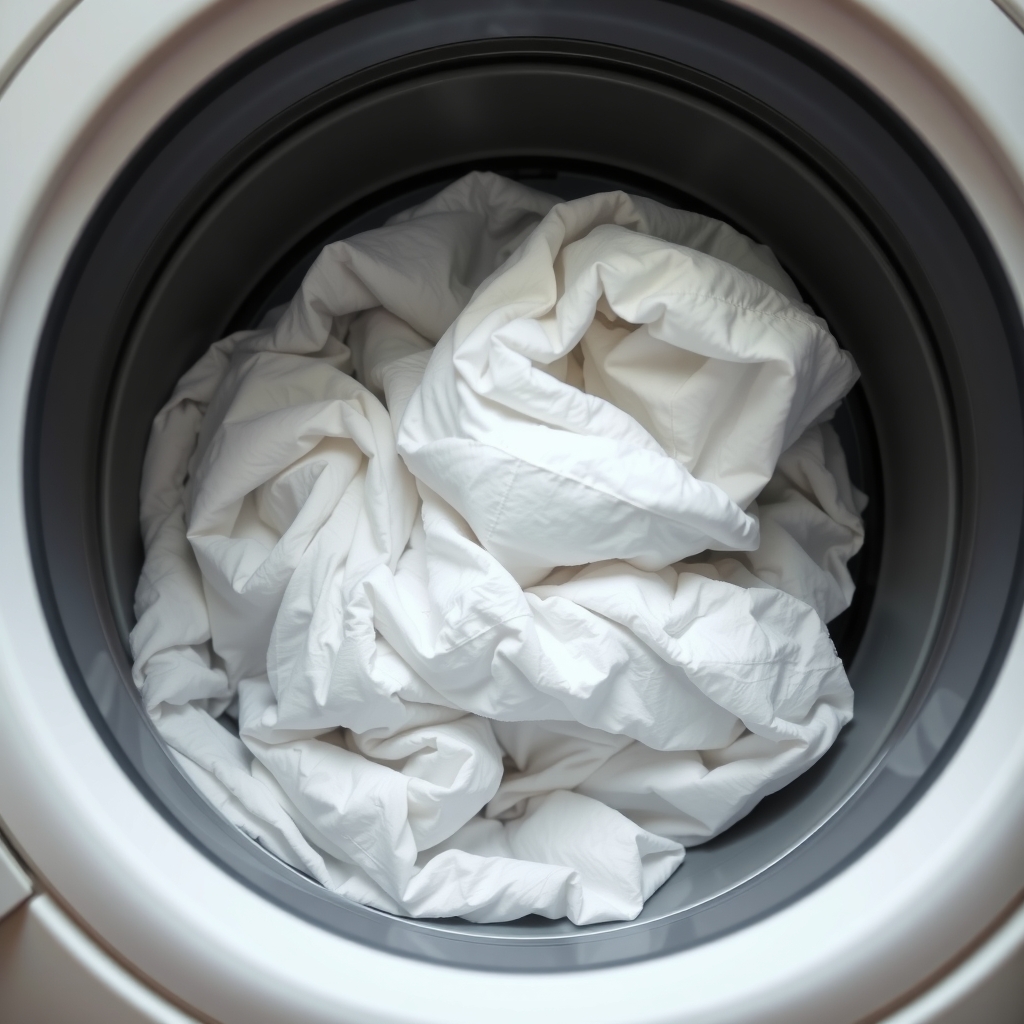
Sheets need room to open up and tumble. A drum packed with towels and a king sheet set squeezes them into a ball, and the center never meets the hot air.
Wet sheets twisted by the spin
The washer spin wraps sheets into a tight rope, and fitted-sheet corners knot themselves. Left that way, they dry from the outside in and stay damp at the core.
Heat and sensors that stop too early
High heat dries the outer layer first. A moisture sensor can end the cycle when the edges feel dry, while the center of the ball is still wet.
Weak airflow
A full lint screen or a blocked vent slows drying. Even loose sheets come out damp, and the cycle takes twice as long.
Try this first (free)
Do these in order, starting with the simplest.
-
Dry sheets in a small load
Tool used: Dry bath towelOne sheet set plus one or two dry towels fits most dryers. Fill the drum about half full. Sheets should float and tumble, not press against the walls.
-
Shake the sheets out before they go in
Lift each piece out of the washer by a corner and shake until it hangs loose. Untie knotted fitted-sheet corners. This takes 30 seconds and prevents most balls.
-
Add balls to keep layers apart
Tool used: Clean tennis ballsToss in two or three clean tennis balls, or follow the pack for wool balls, usually three to six. They bump the sheets apart as the drum turns.
-
Use medium heat and stop at about 20 minutes
Pull the sheets out, shake and flip them, then restart. This one step unwinds most wads. Medium heat dries more evenly than high.
-
Clean the lint screen and check the vent
Tool used: Dryer vent cleaning brushEmpty the screen before every load. If sheets still need two cycles, brush out the vent. A clear vent can cut drying time a lot.
IllustrationCheck price on AmazonTool for this step
Dryer vent cleaning brush · For when sheets take two cycles to dry
-
Check the hems and corners before folding
Pinch a hem and a corner. They dry last. If they feel cool or clammy, run 10 more minutes with a dry towel. Never put damp sheets in a closet, since mildew follows.
When free fixes aren't enough
Tennis balls work, but some people find them loud, and they are less effective on a king set. If you wash sheets often for a big household, or the sheets still come out damp in the middle after the steps above, bigger wool balls give more separation. If the sheets need two or three cycles while towels also dry slowly, the vent or the heating element is the problem, not the sheets. If the dryer smells hot or burning, stop and unplug it.
Buy the fix
Still stuck after the free fixes? These are the products we would look at.
XL wool dryer balls
Fixes: sheets twisting into a damp ball
Look for: 100% wool, tightly felted so they do not shed; Large size, clearly bigger than a tennis ball; A pack of four to six for a king sheet set; Unscented, so no fragrance ends up in your bed.
- Who it's for
- Anyone who dries sheets every week, or who is tired of tennis balls thumping in the drum.
- Honest downside
- You have a wool allergy, or your sheets already come out fine with a smaller load.
As an Amazon Associate I earn from qualifying purchases. We don't show prices because they change, so use the button to see today's price.
How we picked: How we picked: this page is based on dryer manuals, laundry-care guides, and the problems and fixes people report in reviews of wool dryer balls. We do not test products by hand.
Bed sheets not fully dry? Finish them without a full re-run
If sheets come out almost dry, do not restart a full cycle. Shake them, add a dry towel and run 10 to 15 minutes on medium heat. Then hang the damp hem over a door or rack for an hour. If they feel clammy even after that, the drum was too full. Next time, split the load.
What to skip
Overstuffing the dryer to save time
Cramming sheets in with a big load of towels is the most common way to get a damp wad. The cycle then takes longer, so you save nothing. Cranking the heat to high has the same problem.
Frequently asked questions
How to stop bed sheets tangling in the dryer?
Why are my bed sheets not drying in the dryer?
Are tennis balls safe in the dryer?
How many dryer balls do I need for sheets?
Related problems
 Free fix inside
Laundry · Static Cling
Static Cling Without Dryer Sheets: Wool Balls vs Static Spray
Read the fix Free fix inside
Bedroom & Sleep · Comforter
Comforter Balling Up in the Dryer? Fluff It Back for Good
Read the fix Free fix inside
Bedroom & Sleep · Pillow
Pillow Not Drying in the Dryer? Why It Stays Damp and What Helps
Read the fix Free fix inside
Laundry · Bed Sheets
Bed Sheets Feel Rough? Why They Stiffen and How to Soften Them
Read the fixAs an Amazon Associate I earn from qualifying purchases. Affiliate disclosure