Static Cling Without Dryer Sheets: Wool Balls vs Static Spray
Dry air and over-dried synthetics cause static. Wool dryer balls prevent it in the dryer; a static spray fixes it on the spot. Here is which to use.
By Jamilur Rahman Updated November 5, 2026 · 6 min read
- Time
- 5 min
- Cost
- Under $20
- Difficulty
- Easy
In this guide
Quick answer
How to get rid of static cling without dryer sheets: stop over-drying, add a vinegar rinse, and use wool dryer balls to keep the load loose so it dries faster. Static spray is the quick fix for the outfit you are already wearing. For most households, wool balls handle prevention and a free fix handles the rest.
Free fix vs. permanent fix
Foil ball, vinegar rinse, dry less
- Toss in a crumpled ball of aluminum foil, if your dryer manual allows metal
- Add 1/2 cup white vinegar to the rinse
- Take clothes out while just dry, or use a lower heat
- Pin a safety pin inside a seam of a clinging garment
How long it lasts: One load at a time. Works on mild static, but stubborn polyester loads in dry winter air may still cling.
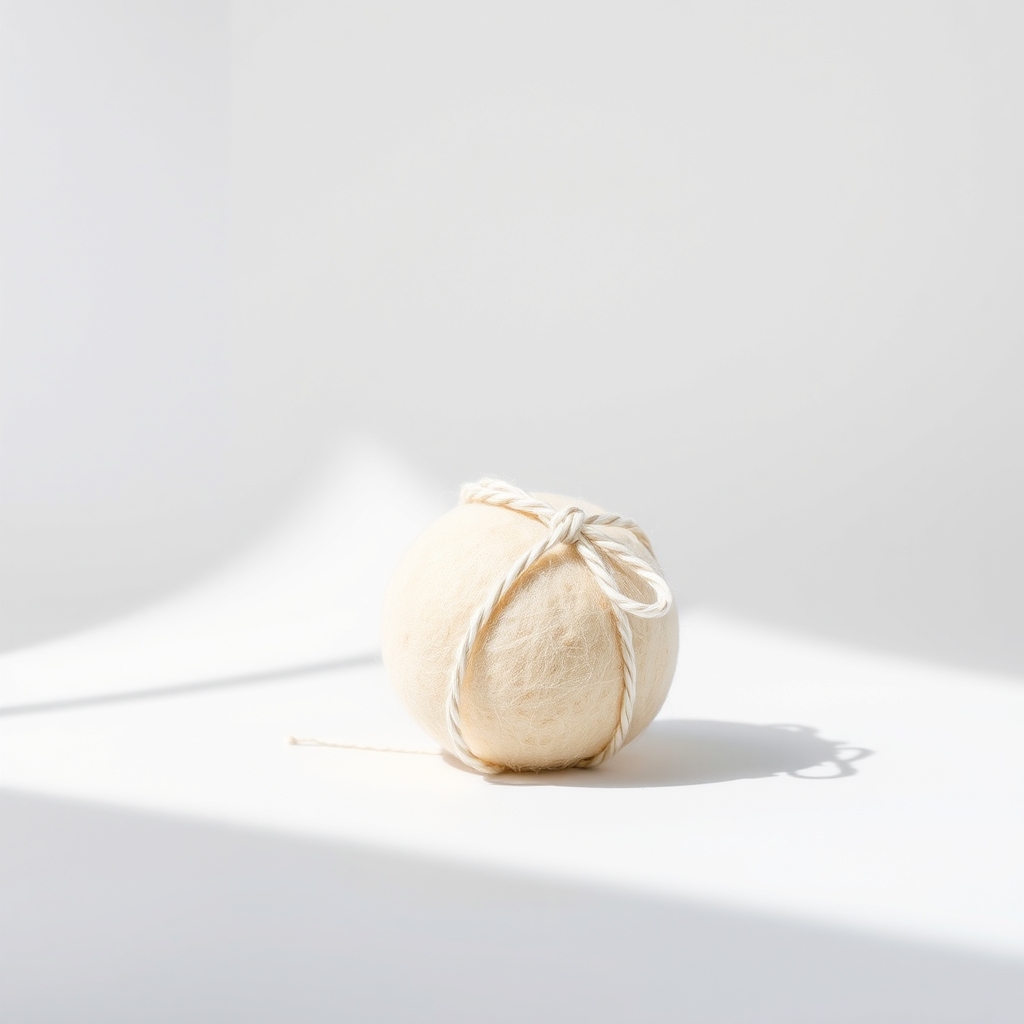
Wool dryer balls
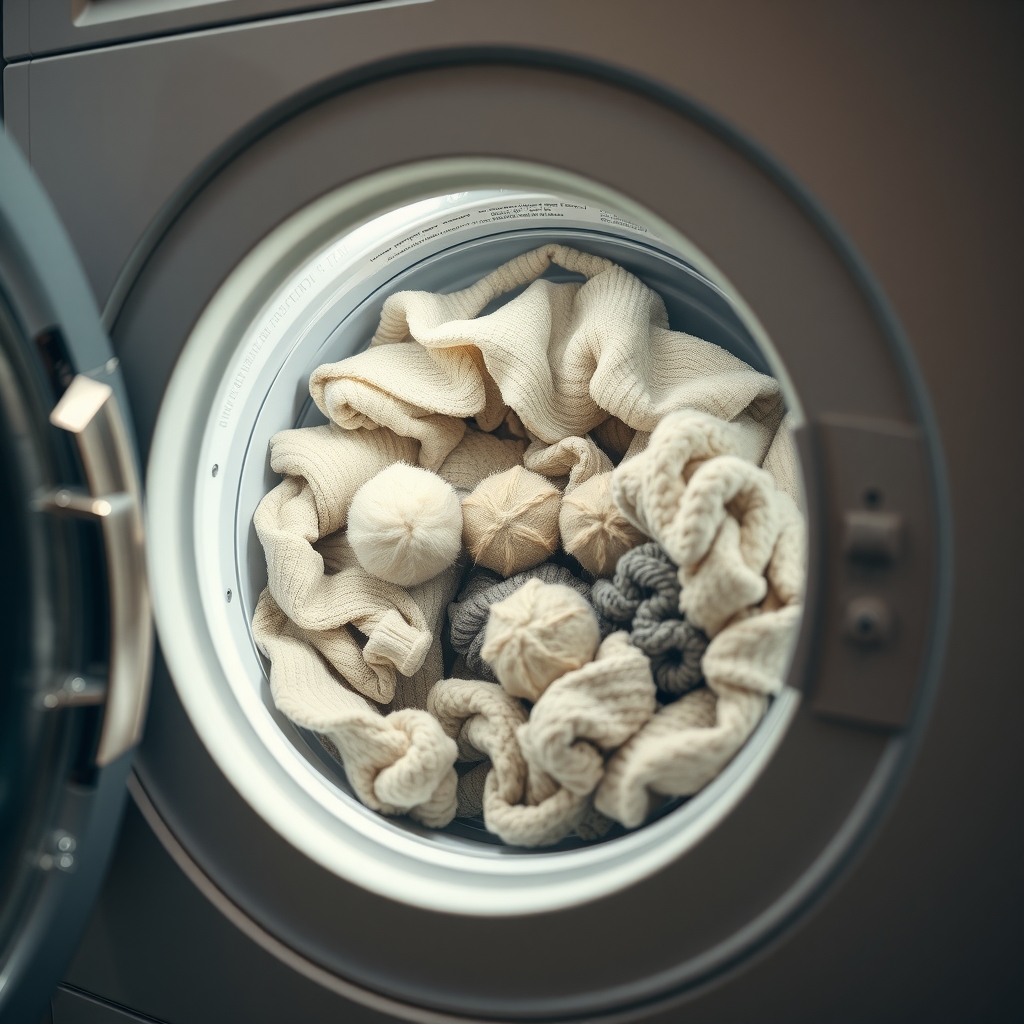
Static builds when synthetics rub together in an over-dried load. Wool balls separate the clothes, help air move and shorten drying time, so clothes spend less time tumbling hot and dry. They reduce static but do not stop it in every load, so keep the free fixes for dry winter days.
How long it lasts: Years. They keep the load loose so it dries faster and comes out with less static.
As an Amazon Associate I earn from qualifying purchases.
What you'll need
-
Aluminum foil
Crumple a few sheets into a ball about the size of a tennis ball
You have it -
White vinegar
Half a cup in the rinse
You have it -
Safety pin
Pin it inside a seam where it will not touch skin
You have it - Our pick Illustration
Wool dryer balls
The long-term swap for dryer sheets
- Illustration
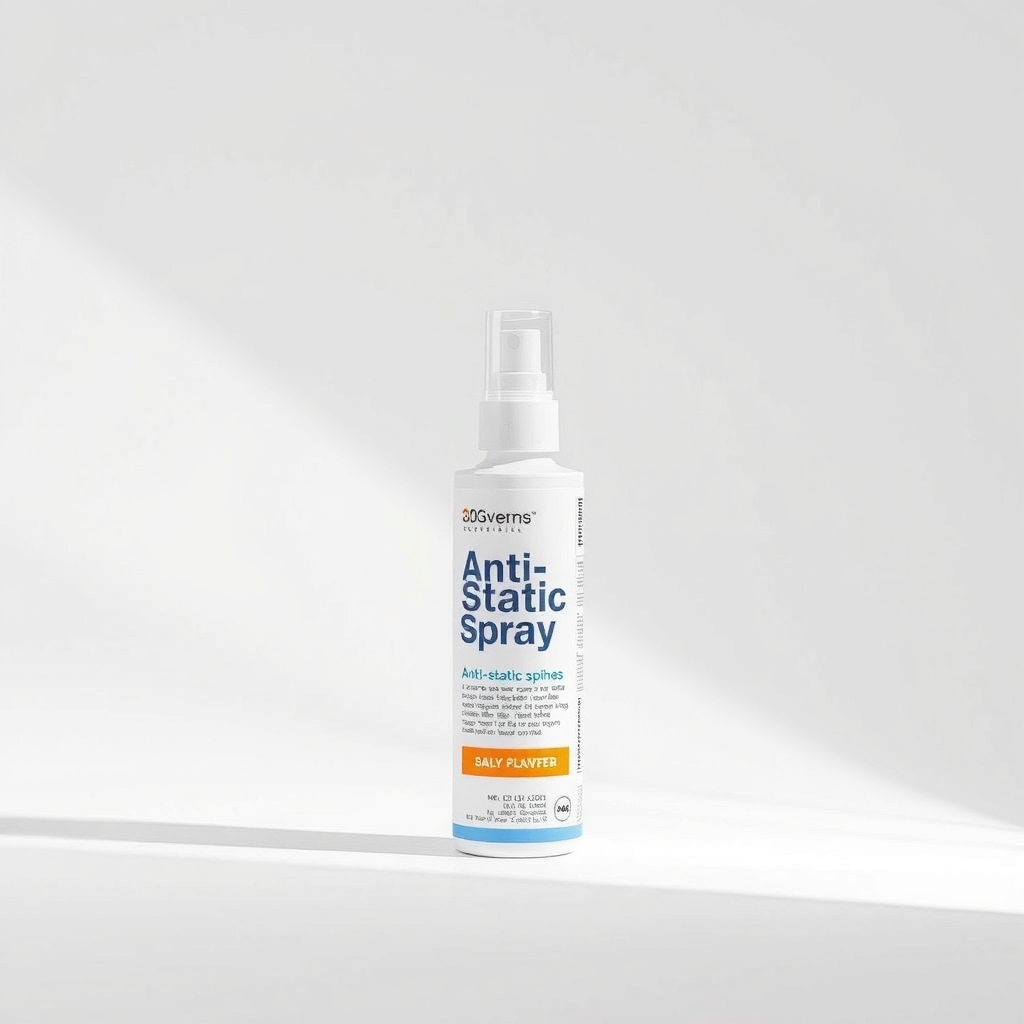
Anti-static spray
An instant fix for what you are wearing
Why it happens
Dry air
Static is worst in cold, dry weather and in heated rooms, when there is little moisture in the air to carry the charge away.
Synthetic fibers rubbing together
Polyester, nylon and acrylic build charge easily. When they tumble against each other, they cling.
Over-drying
Synthetics dry faster than cotton. If they stay in a hot, dry drum after they are dry, the static keeps building.
No coating from softener
Dryer sheets leave a thin coating that reduces static. Without them, a dry load has nothing to cut it down.
Try this first (free)
Do these in order, starting with the simplest.
-
1. Dry less
Take clothes out while just dry, or use a lower heat or a moisture-sensor setting. Static builds the longer clothes tumble after they are dry.
-
2. Pull synthetics out early
Synthetics dry faster than cotton, so take them out as soon as they are dry. Do not leave them tumbling with a slower-drying load.
-
3. Add vinegar to the rinse
Tool used: White vinegarPour 1/2 cup white vinegar in the softener dispenser. It softens fibers and helps cut static. It will not leave a smell once dry. Never mix it with bleach.
-
4. Toss in a foil ball
Tool used: Aluminum foilCrumple a few sheets of aluminum foil into a smooth ball about the size of a tennis ball and add it to the dryer. If your dryer manual advises against metal in the drum, skip this.
-
5. Add wool dryer balls
Tool used: Wool dryer ballsUse the number the maker suggests, usually three to six, depending on load size. They keep clothes apart and cut drying time.
IllustrationCheck price on AmazonTool for this step
Wool dryer balls · The long-term swap for dryer sheets
-
6. Treat what you are already wearing
Tool used: Safety pinPin a metal safety pin inside a seam, or run a damp hand over the garment. A light mist of anti-static spray also works.
When free fixes aren't enough
If static returns every load in winter, the main problem is dry air and synthetic fabric, not your method. Wool balls help by cutting dry time, but they will not beat static on a dry day with a polyester load. That is when a quick spritz of static spray before you leave the house is useful. Do not fight static by drying longer. That only makes it worse.
Buy the fix
Still stuck after the free fixes? These are the products we would look at.
| Pick | Product | Fixes | Who it's for | Buy |
|---|---|---|---|---|
| Best pick | Wool dryer balls | static and long drying times from clothes clumping in the dryer | Anyone who has stopped using dryer sheets and wants a long-term replacement. | Check price |
| Budget pick | Anti-static spray for clothes | static cling on the outfit you are wearing right now | Anyone who needs a quick fix before leaving the house. | Check price |
Wool dryer balls
Fixes: static and long drying times from clothes clumping in the dryer
Look for: Pure wool, felted tight so they do not shed fuzz; A set of at least four to six; Unscented, or lightly scented only if you want it.
- Who it's for
- Anyone who has stopped using dryer sheets and wants a long-term replacement.
- Honest downside
- Someone in the house has a wool allergy. Use a foil ball and shorter cycles instead.
Anti-static spray for clothes
Fixes: static cling on the outfit you are wearing right now
Look for: Made for fabric, with directions on the label; A fine mist, not a heavy spray; Fragrance-free if you have sensitive skin.
- Who it's for
- Anyone who needs a quick fix before leaving the house.
- Honest downside
- You wear silk or other delicate fabric the label warns about. Test a hidden spot first.
As an Amazon Associate I earn from qualifying purchases. We don't show prices because they change, so use the button to see today's price.
How we picked: How we picked: this page is based on laundry care guides, dryer manuals, and what owners report about wool dryer balls, foil balls and static sprays. We do not test products by hand.
Wool dryer balls vs static spray: which one fits you
| Wool dryer balls | Static spray | |
|---|---|---|
| What it does | Keeps clothes apart and cuts drying time | Calms static on a garment right now |
| Best for | Preventing static in every load | Fixing the outfit you are wearing |
| How long it lasts | Years | Used up with each bottle |
| Limits | Will not beat static on dry-air days with synthetics | Temporary. Test on a hidden spot first |
Most people do best with both: balls in the dryer, and a free fix or a spritz of spray for the worst days.
How to get rid of static cling when using dryer balls
If clothes still cling with dryer balls, try these in order: shorten the drying time, since the balls speed things up; take synthetics out the moment they are dry; add a foil ball if your manual allows; and use a vinegar rinse. Use more balls for a big load. In dry winter air, a spritz of anti-static spray on the garment does the rest.
What to skip
Homemade sprays with oils
Skip DIY static sprays with essential oils or fabric softener. They can leave oil spots on clothes. A light mist of plain water over your hand, brushed across the garment, calms static just as well for a moment.
Frequently asked questions
Do wool dryer balls really stop static?
Is a foil ball safe in the dryer?
How many wool dryer balls should I use?
Does vinegar in the rinse really help static?
Related problems
 Free fix inside
Laundry · Static Cling
Static Cling on Clothes? 4 Quick Fixes for Right Now
Read the fix Free fix inside
Laundry · Towels
Why Are My Towels Hard After Washing? The Fluffy-Towel Fix
Read the fix Free fix inside
Laundry · Bed Sheets
How to Stop Bed Sheets Balling Up in the Dryer (and Staying Damp)
Read the fix Free fix inside
Laundry · Shrinking
How to Stop Clothes From Shrinking in the Dryer: Air-Dry Smart
Read the fixAs an Amazon Associate I earn from qualifying purchases. Affiliate disclosure