Bed Sheets Feel Rough? Why They Stiffen and How to Soften Them
Rough sheets usually mean detergent buildup, hard water or a short-fiber weave. Soften them first; if they stay scratchy, a bamboo-viscose set feels softer.
By Jamilur Rahman Updated November 5, 2026 · 6 min read
- Time
- 1 hour
- Cost
- $50-$150
- Difficulty
- Easy
In this guide
Quick answer
Why do my bed sheets feel rough? Usually it is detergent or softener buildup, hard water minerals or high-heat drying, and sometimes the fabric itself is a short-fiber weave that never gets soft. Run a reset wash with less detergent and a vinegar rinse, then dry on low and see. If the sheets stay scratchy or itchy, a bamboo-viscose set is the softer long-term fix.
Free fix vs. permanent fix
A reset wash and a gentler dry
- Wash with half the usual detergent and no fabric softener
- Add half a cup of white vinegar to the rinse
- Dry on low and take the sheets out while barely damp
- Add wool dryer balls to the dryer
How long it lasts: Weeks to months for sheets that were only coated with residue. It will not change the fabric itself.
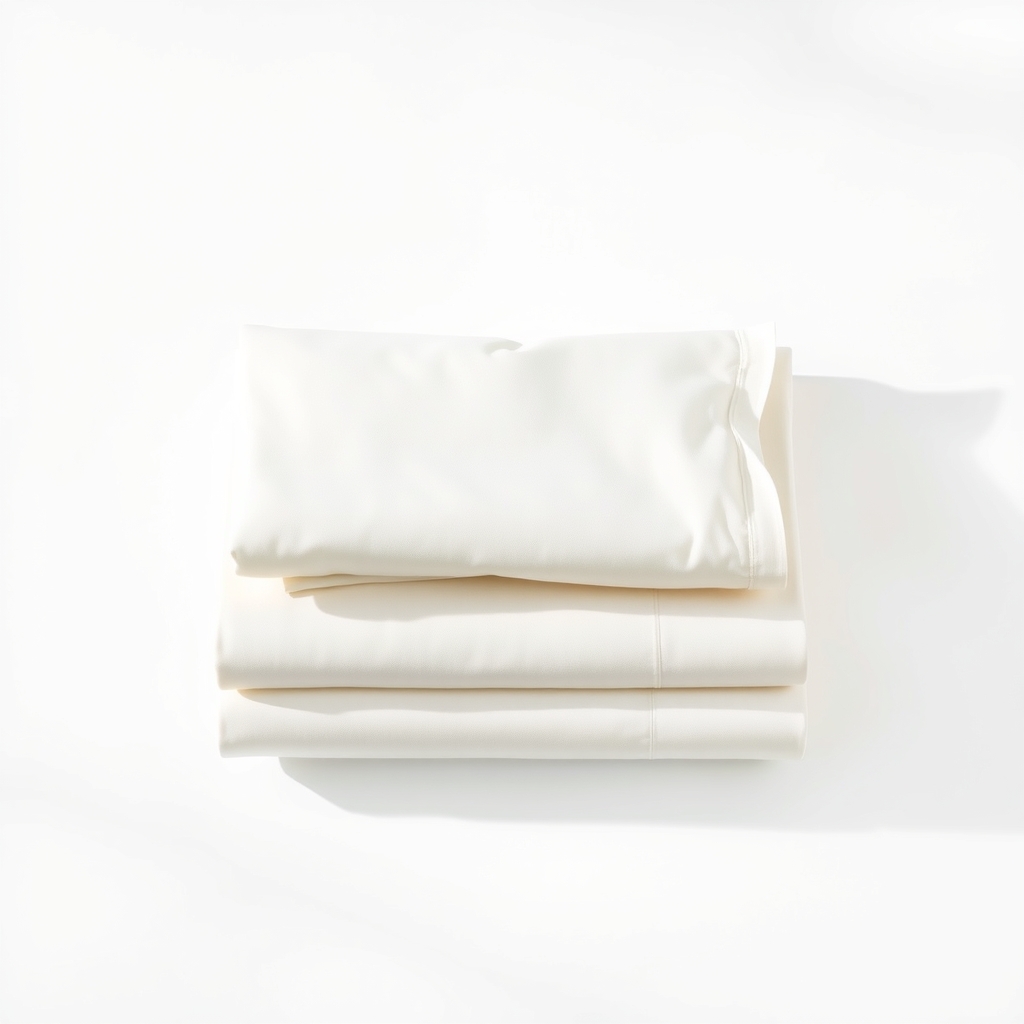
A bamboo-viscose sheet set
If sheets are rough because of the weave or fiber quality, no wash will fix them. Bamboo-viscose is made of fine, smooth fibers and tends to feel soft from the first night. It does need gentler washing than cotton.
What to get: Bamboo-viscose sheet set
How long it lasts: The softness is in the fiber, so it stays through years of washes if you care for it gently.
As an Amazon Associate I earn from qualifying purchases.
What you'll need
-
White vinegar
In the rinse to strip detergent residue. Never mix it with bleach
You have it -
Mild liquid detergent
Use about half the dose on the label
You have it - Illustration
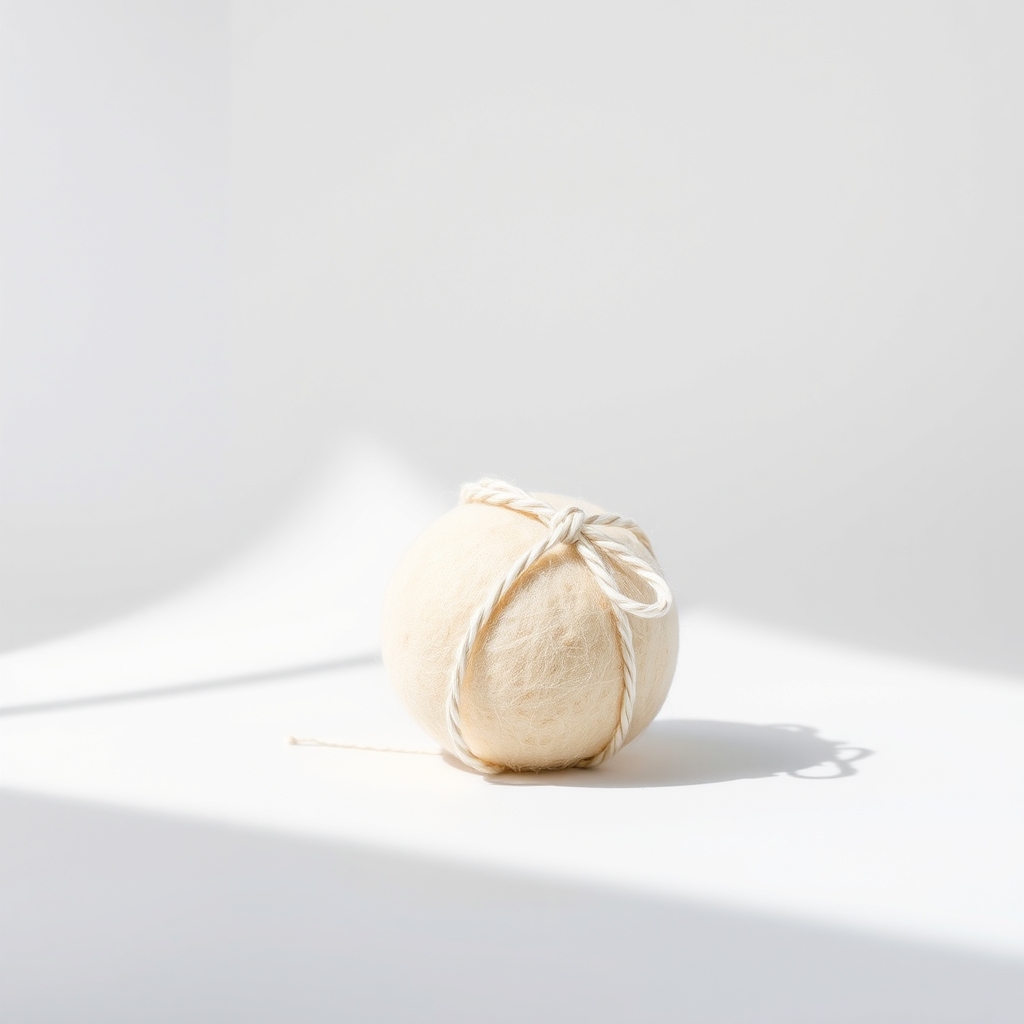
Wool dryer balls
Soften and cut drying time with no chemical softener
- Our pick Illustration
Bamboo-viscose sheet set
For sheets that stay rough after a reset wash
Why it happens
Detergent and softener buildup
Too much detergent does not rinse out, and softener coats fibers in a waxy film. Over many washes, that residue stiffens the fabric and makes it scratchy against skin.
Hard water
Minerals in hard water cling to cotton and leave it stiff and dull. Sheets washed in hard water without a booster often feel rougher over time.
A hot dryer and over-drying
High heat damages cotton fibers and bakes residue in. Sheets that keep tumbling after they are dry turn crisp and scratchy.
Short fibers or a crisp weave
Percale is crisp by design. Low-cost sheets often use short fibers that break and poke out as they wear, and that is what feels rough or itchy. New sheets may also carry a stiffening finish from the factory.
Itch that is not the fabric
If the sheets feel soft but you still itch, look at detergent fragrance, dust mites or dry skin. See the questions below.
Try this first (free)
Do these in order, starting with the simplest.
-
Strip the buildup with a vinegar rinse
Tool used: White vinegarWash the sheets alone on the warmest cycle the label allows. Pour half a cup of white vinegar into the softener dispenser and run an extra rinse. Do not use vinegar and bleach together.
-
Use much less detergent
Tool used: Mild liquid detergentUse half the dose, or less for a small load. Modern detergents are concentrated, and the extra just stays in the cloth. Skip fabric softener while you reset the sheets.
-
Do not overload the washer
Sheets need room to move and rinse. Wash them alone, no more than about two thirds full, so water can flow through the fabric.
-
Dry on low, with dryer balls
Tool used: Wool dryer ballsUse low heat and add wool dryer balls to separate the fabric and soften it. Take the sheets out while still slightly damp and let them finish airing on the bed.
IllustrationCheck price on AmazonTool for this step
Wool dryer balls · Soften and cut drying time with no chemical softener
-
Wash new sheets before use
New sheets often carry a stiffening finish. One wash before the first night softens many sets, and a second with a vinegar rinse helps more.
When free fixes aren't enough
If you have done the reset wash twice and the sheets still scratch, the fiber is the problem. Short-fiber cotton and cheap blends will not soften much. If you itch only in bed, look at new laundry products, dust mites or dry skin before you blame the sheets. A bamboo-viscose set is woven from long, smooth fibers, and many owners describe it as soft from day one. The trade-off is that it is a processed rayon-type fiber, so wash it cool and dry it on low or it can pill. If you wake up with hives, blisters, wheezing or a rash that spreads, see a doctor.
Buy the fix
Still stuck after the free fixes? These are the products we would look at.
| Pick | Product | Fixes | Who it's for | Buy |
|---|---|---|---|---|
| Best pick | Bamboo-viscose sheet set | sheets that stay rough because of the fiber or weave | People whose sheets stayed scratchy after a reset wash, or who sleep hot and want a smooth, cool feel. | Check price |
| Budget pick | Wool dryer balls | stiffness from the dryer, without chemical softener | Anyone who wants softer sheets and towels without softener residue. | Check price |
Bamboo-viscose sheet set
Fixes: sheets that stay rough because of the fiber or weave
Look for: Listed as viscose or rayon from bamboo, with the weave and fabric weight stated; A sateen or twill weave, which feels smoother than crisp percale; A deep-pocket fitted sheet that suits your mattress depth; A fabric safety certification such as OEKO-TEX Standard 100 if you have sensitive skin.
- Who it's for
- People whose sheets stayed scratchy after a reset wash, or who sleep hot and want a smooth, cool feel.
- Honest downside
- You want a crisp hotel-style feel, which is percale, or you cannot give the sheets a gentle wash and low-heat dry.
Wool dryer balls
Fixes: stiffness from the dryer, without chemical softener
Look for: 100 percent wool and unscented; Firm, tightly felted balls that keep their shape; A pack of six so a full load is covered.
- Who it's for
- Anyone who wants softer sheets and towels without softener residue.
- Honest downside
- You have a wool allergy.
As an Amazon Associate I earn from qualifying purchases. We don't show prices because they change, so use the button to see today's price.
How we picked: How we picked: this page is based on fabric and laundry care guides, textile labeling rules for viscose from bamboo, and what people report in reviews of soft sheet sets. We do not test products by hand.
Which weave feels rough and which feels soft
- Percale: crisp and matte, like a fresh shirt. Not rough, but never silky.
- Sateen: smoother and a little glossy, because more of the thread sits on the surface.
- Bamboo-viscose: a fine, drapey fiber that feels slick and cool. It is usually woven as sateen or twill.
- Cheap blends: often scratchy and prone to pilling, since the short fibers break.
What to skip
Fabric softener on every wash
Softener coats fibers with a film that feels soft for a day, then builds up and makes sheets rougher. It also hurts towels and moisture-wicking fabric. For softness, use vinegar in the rinse and dry on low.
Frequently asked questions
Why are new bed sheets too rough?
Why are my bed sheets itchy?
Does vinegar soften sheets?
How many washes before sheets get soft?
Related problems
 Free fix inside
Laundry · Pilling
Pilling on Sheets? Shave Them or Switch to Pill-Resistant Ones
Read the fix Free fix inside
Laundry · Bed Sheets
Bed Sheets Keep Slipping Off? 3 Fixes, Free or Cheap
Read the fix Free fix inside
Laundry · Bed Sheets
Why Do Bed Sheets Turn Yellow? How to Whiten Them Safely
Read the fix Free fix inside
Laundry · Sweaters
How to Stop Sweaters From Itching: A Soak and Conditioner Method
Read the fixAs an Amazon Associate I earn from qualifying purchases. Affiliate disclosure