How to Patch a Bed Sheet So the Hole Doesn't Spread
Sheets tear where the cotton is thinnest. Patch past the thin spot, from the underside, and the hole stays put through the wash.
By Jamilur Rahman Updated November 5, 2026 · 5 min read
- Time
- 30 min
- Cost
- Under $20
- Difficulty
- Easy
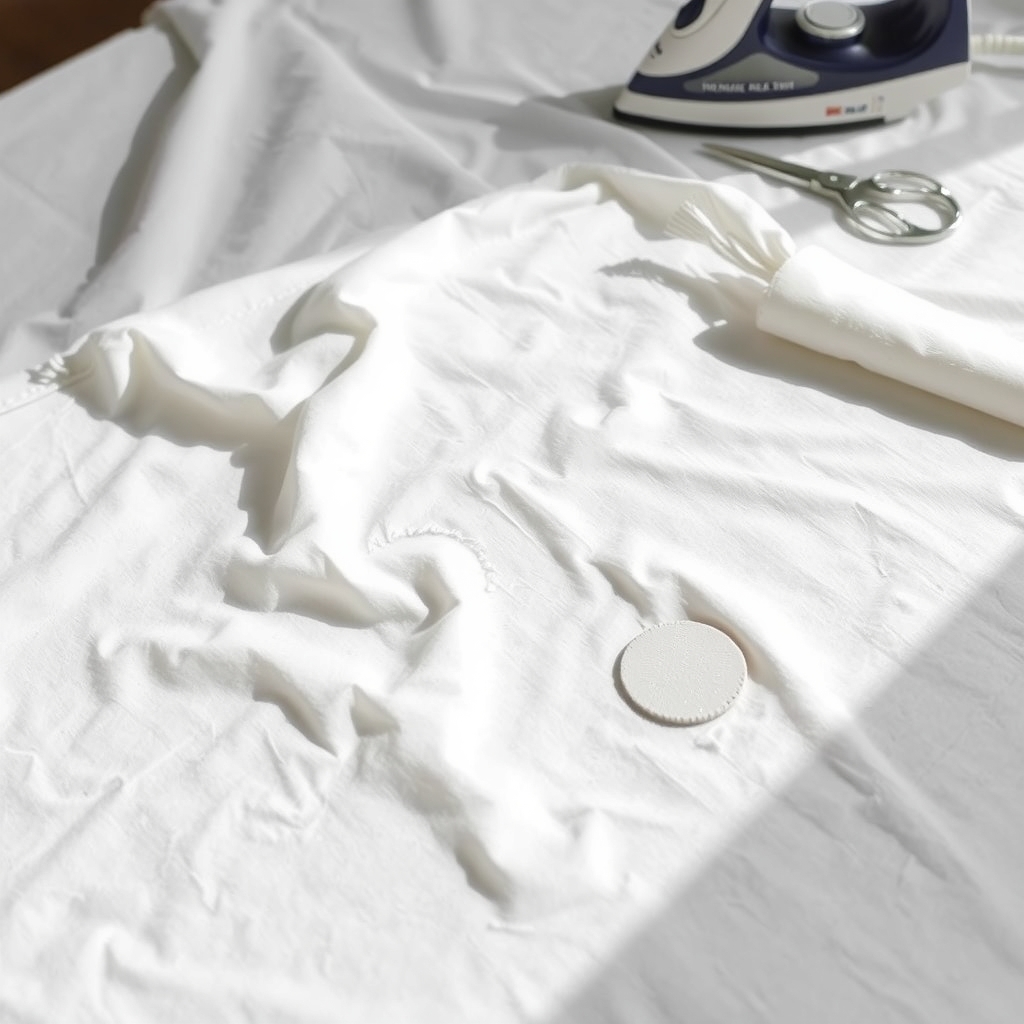
In this guide
Quick answer
To patch a bed sheet so the hole does not spread, trim the loose threads, then cover the hole from underneath with a thin patch that reaches about an inch past the thin fabric around it. An iron-on patch takes minutes, and stitching the edge keeps it on through the wash. If the whole sheet is worn thin, a patch only moves the hole.
Free fix vs. permanent fix
A hand-sewn patch from an old pillowcase
- Cut a patch from a thin cotton pillowcase
- Fold the edges under and pin it over the hole from the underside
- Whip-stitch around the edge with matching thread
- Add a second line of stitches to keep it flat
How long it lasts: Holds well when the fabric around the hole is still strong. It takes longer and leaves a slight ridge if the scrap is heavy.
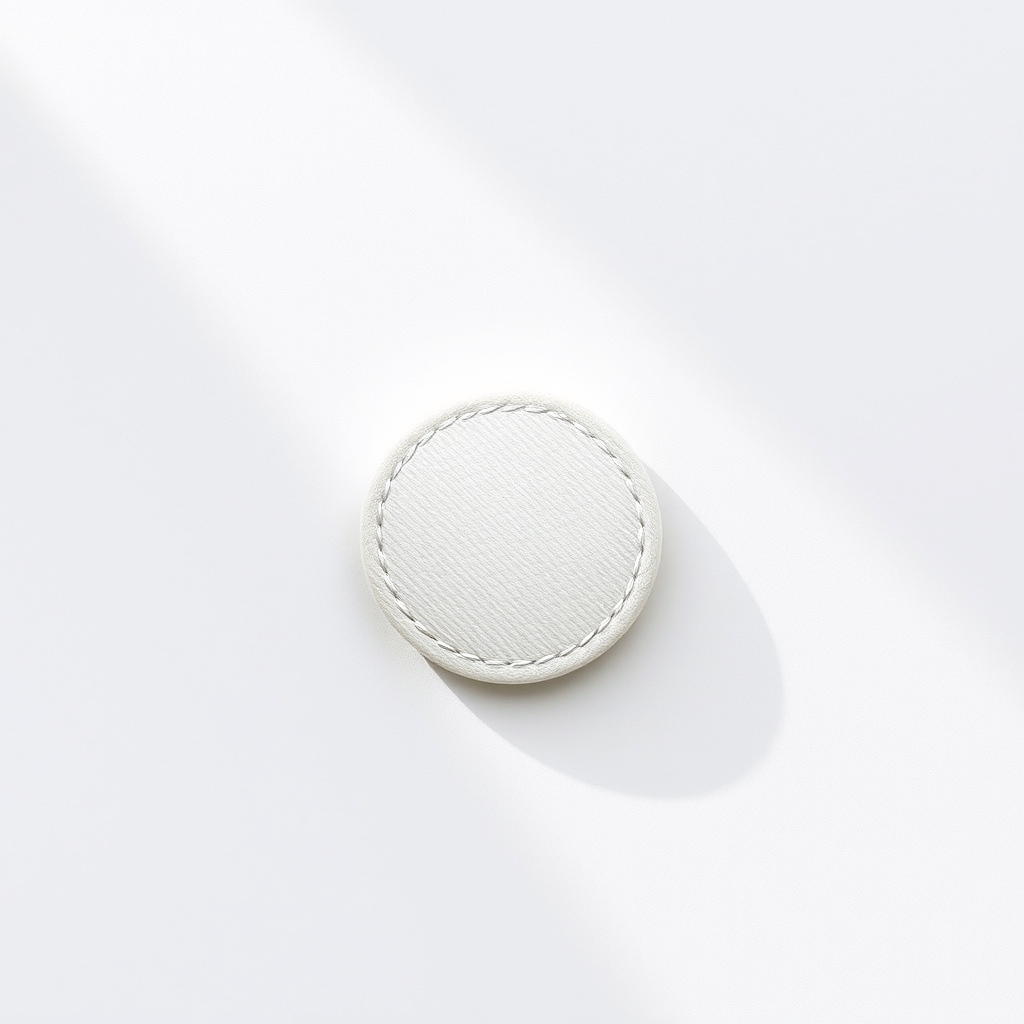
Iron-on fabric repair patches
The heat-activated backing bonds the patch to the sheet, so it cannot shift or bunch, and it takes minutes instead of an hour with a needle. Pick a thin cotton patch so you do not feel a ridge in bed.
How long it lasts: Through repeated washes when pressed fully and edge-stitched. The cut edge does not fray.
As an Amazon Associate I earn from qualifying purchases.
What you'll need
-
Iron and pressing cloth
A thin cotton cloth protects the sheet from scorching
You have it -
Old pillowcase
Scrap fabric for a hand-sewn patch
Free -
Needle and matching thread
Stitches the edge so the patch holds in the wash
You have it - Our pick Illustration
Iron-on fabric repair patches
Choose thin cotton so you do not feel it in bed
- Illustration

Fusible bonding web
Glues a scrap patch in place before you stitch
Why it happens
Thin spots from rubbing
Heels, knees and the spots you tug at when you make the bed wear the weave thin. It goes see-through first, then tears.
Snags
Pet claws, rough toenails, zippers and jewelry catch the fibers. One pulled thread can open a small hole.
Washing and bleach
Years of hot washes and chlorine bleach weaken cotton fibers. Sheets that feel thin and papery tear easily.
Stress at fitted-sheet corners
Elastic corners pull hard against the mattress every night. Holes often start right at the corner seam.
Try this first (free)
Do these in order, starting with the simplest.
-
Check the fabric and trim the hole
Read the care label. Cotton and cotton blends take a hot iron. Microfiber, polyester and satin need low heat or a sewn patch. Snip loose threads, but do not make the hole bigger.
-
Cut a patch that reaches past the thin spot
Tool used: Iron-on fabric repair patchesCut a round or oval patch about an inch bigger than the thin area on every side. Rounded corners are less likely to peel. Use an old pillowcase for a sewn patch, or an iron-on patch.
IllustrationCheck price on AmazonTool for this step
Iron-on fabric repair patches · Choose thin cotton so you do not feel it in bed
-
Press the patch on from underneath
Tool used: Iron and pressing clothLay the sheet flat with the underside up, set the patch over the hole and cover it with the cloth. Follow the patch label for heat and time. Press down firmly without sliding, then let it cool fully.
-
Stitch the edge
Tool used: Needle and matching threadSew a line of small stitches around the edge of the patch through both layers. This keeps it on in hot washes and stops the edge from lifting.
-
Wash gently the first time
Wash the sheet on a regular cycle, and dry on low heat. Check the patch once it is out of the dryer.
When free fixes aren't enough
If the cotton around the hole is thin, see-through or crumbles when you press it, a patch only moves the stress to its edge, and the next hole opens right beside it. Patch only where the fabric is still strong. Fitted-sheet corners, long tears across the weave and sheets with several thin spots are better replaced, or cut into pillowcases and cleaning cloths. An iron-on patch can peel in hot washes, so stitch the edge.
Buy the fix
Still stuck after the free fixes? These are the products we would look at.
| Pick | Product | Fixes | Who it's for | Buy |
|---|---|---|---|---|
| Best pick | Iron-on fabric repair patches | small holes and tears in cotton sheets that would spread | Anyone patching cotton sheets who wants it done in minutes. | Check price |
| Budget pick | Fusible bonding web | holding a scrap-fabric patch in place before stitching | People who have an old pillowcase to cut up. | Check price |
Iron-on fabric repair patches
Fixes: small holes and tears in cotton sheets that would spread
Look for: Thin, soft cotton or cotton-blend patches that will not feel bumpy in bed; A heat-activated backing labeled washable; A white or light color for pale sheets.
- Who it's for
- Anyone patching cotton sheets who wants it done in minutes.
- Honest downside
- Your sheets are microfiber, silk or satin. Heat can melt or mark them, so sew instead.
Fusible bonding web
Fixes: holding a scrap-fabric patch in place before stitching
Look for: A lightweight web so the patch stays thin; Labeled for fabric and washable; Sold as a sheet or tape.
- Who it's for
- People who have an old pillowcase to cut up.
- Honest downside
- You would rather skip a two-step job. A ready-made iron-on patch is simpler.
As an Amazon Associate I earn from qualifying purchases. We don't show prices because they change, so use the button to see today's price.
How we picked: How we picked: this page is based on sewing and fabric care guides, directions from iron-on patch makers, and the problems and fixes owners report in reviews. We do not test products by hand.
Which repair for which damage
- Small hole under 1 inch: iron-on patch underneath, then a ring of stitches.
- Tear along a seam: re-sew the seam with small stitches before patching.
- Long tear: patch both ends of the tear and stitch along its length.
- Fitted-sheet corner: replace the sheet. Elastic corners rarely hold a patch.
What to skip
Tape, glue and heavy patches
Duct tape and craft glue turn stiff in the wash, leave a sticky ring and peel. A thick patch such as denim rubs your skin and wears the sheet around it. Use thin cotton, on the underside.
Frequently asked questions
Can you iron a patch onto a bed sheet?
Should I patch from the top or the underside?
How do I stop a small hole from getting bigger in the wash?
Is it worth patching a worn sheet?
Related problems
 Free fix inside
Laundry · Socks
How to Fix Socks With Holes: Darn It or Replace It?
Read the fix Free fix inside
Laundry · Jeans Repair
Jeans With a Hole in the Crotch? Patch It From the Inside
Read the fix Free fix inside
Bedroom & Sleep · Comforter Care
Ripped Comforter? A No-Sew Repair That Survives the Wash
Read the fix Free fix inside
Laundry · Bed Sheets
Why Do Bed Sheets Turn Yellow? How to Whiten Them Safely
Read the fixAs an Amazon Associate I earn from qualifying purchases. Affiliate disclosure