Jeans With a Hole in the Crotch? Patch It From the Inside
Thigh friction wears the crotch thin until it tears. Patch it from the inside with iron-on denim, add a few stitches, and reinforce the next thin spot early.
By Jamilur Rahman Updated November 5, 2026 · 7 min read
- Time
- 30 min
- Cost
- Under $20
- Difficulty
- Medium
In this guide
Quick answer
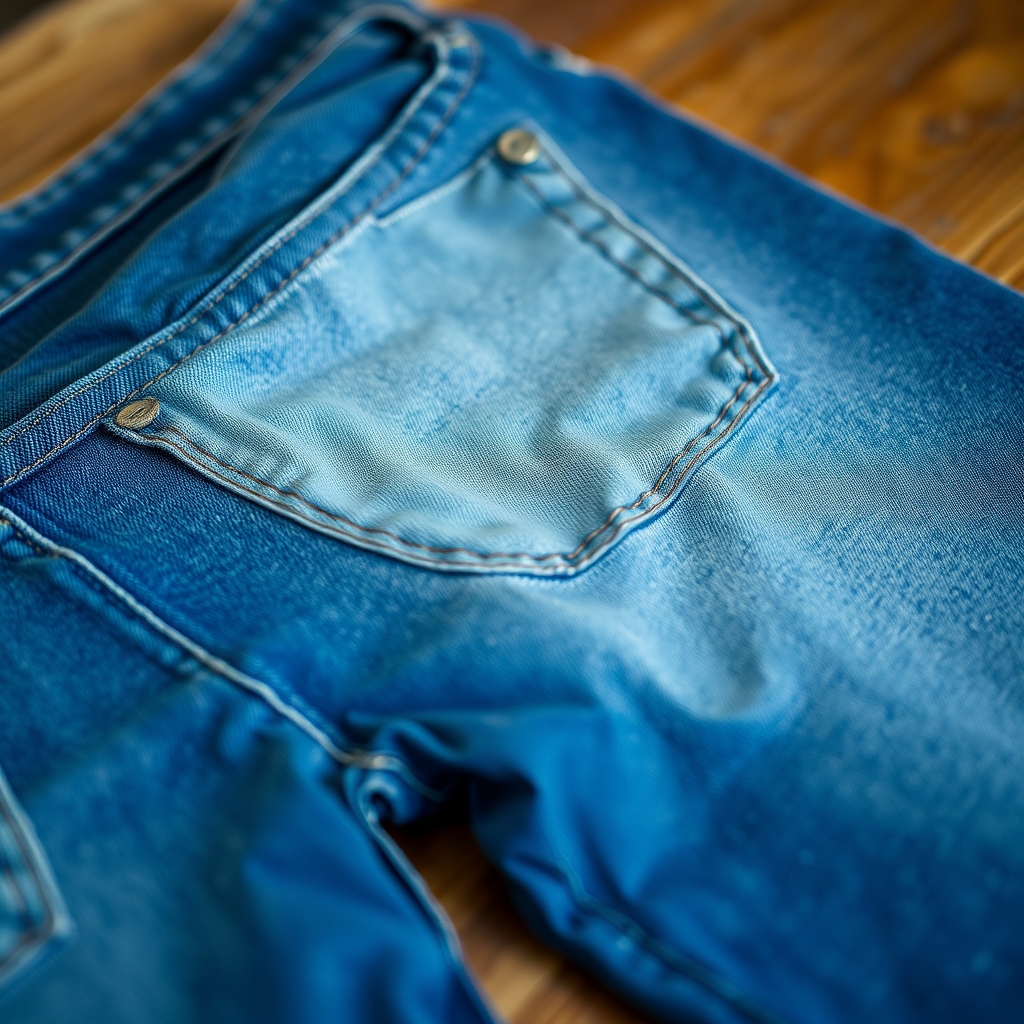
Jeans rip in the crotch because the fabric rubs against itself with every step until it wears thin. Patch the hole from the inside, with a scrap of denim or, better, an iron-on denim patch, and add a ring of stitches around the edge. The stitching is what stops a patch from peeling in a spot that flexes all day. Reinforce the next thin spot before it tears.
Free fix vs. permanent fix
Hand-stitch a scrap-denim patch
- Cut a patch from old jeans, 1 inch bigger than the worn area on every side
- Pin it on the inside and sew small, tight stitches around the edge and across the hole
- Use strong thread, such as polyester or denim thread
- Works if you already have a needle, thread and old denim
How long it lasts: Months, if you stitch it closely. Hand stitching can pull loose where the fabric flexes, and it takes patience.
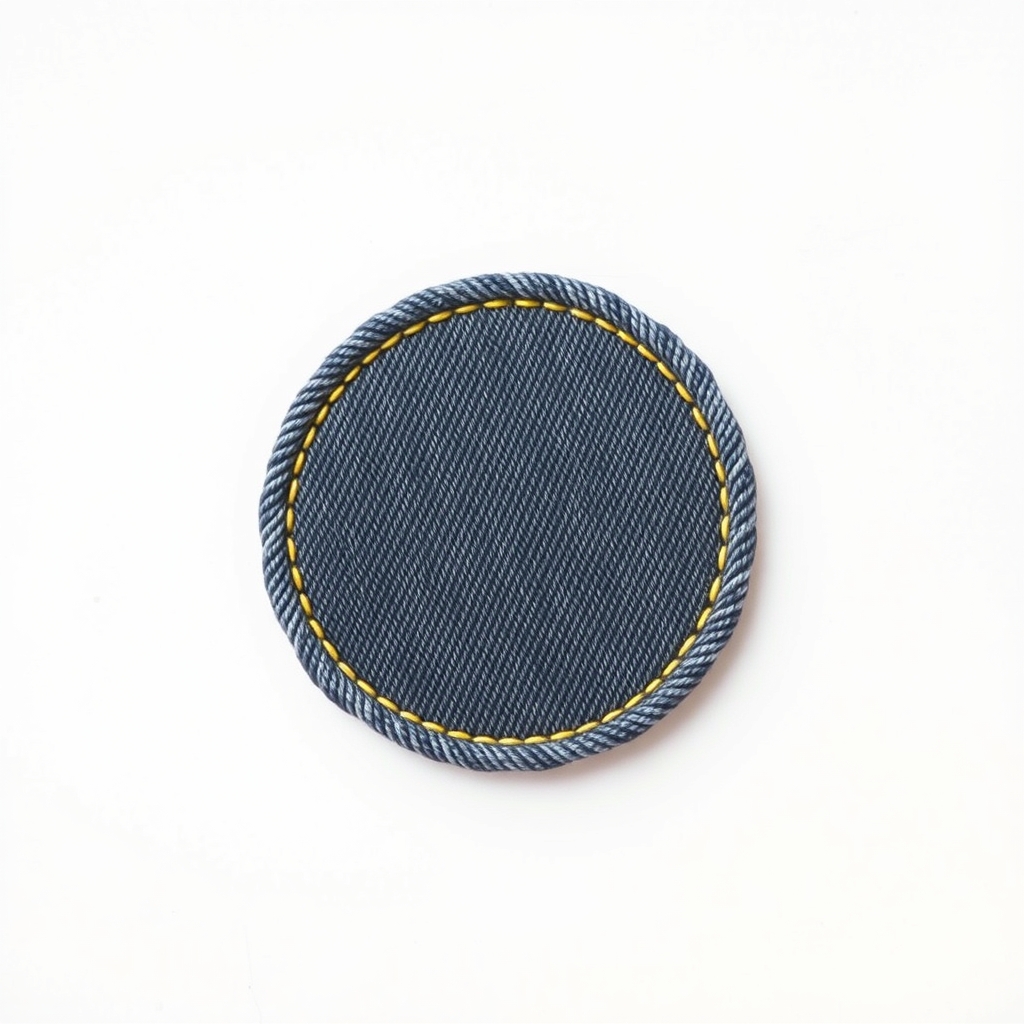
Iron-on denim repair patches, plus stitching
An iron-on patch bonds to the whole worn area at once, so the thin fabric around the hole gets support, not just the hole itself. Fused flat, it feels smooth against the skin, and it takes a few minutes with an iron. Stitches around the edge keep it from peeling where the jeans flex.
What to get: Iron-on denim repair patches
How long it lasts: Many months or longer with edge stitches added. It cannot save fabric that is worn thin all around it.
As an Amazon Associate I earn from qualifying purchases.
What you'll need
-
Old jeans or scrap denim
For the free patch, or to practice on first
Free -
Sharp scissors
For trimming frayed edges and cutting the patch
You have it -
Needle and strong thread
Polyester or denim thread, close to your jeans' color
You have it -
Iron and ironing board
Set to the cotton setting
You have it -
Parchment paper
Keeps adhesive off your iron and board
You have it - Our pick Illustration
Iron-on denim repair patches
Choose a stretch type if your jeans stretch
- Illustration
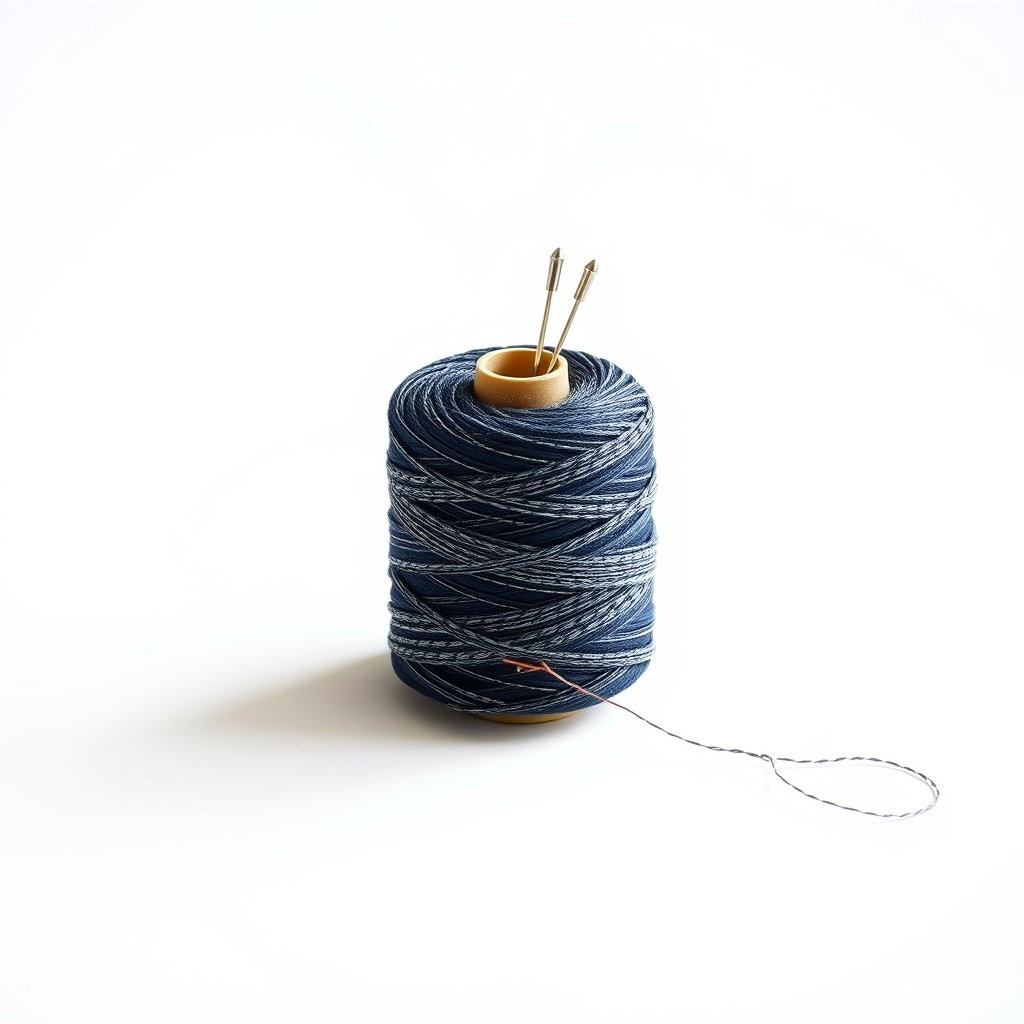
Heavy-duty denim thread and needles
For the edge stitching that locks the patch in place
Why it happens
Thigh friction
Every step rubs the inner thighs together. The denim at the crotch loses fiber little by little, so it fails slowly and then all at once.
A tight fit or lightweight denim
Jeans that are snug in the thigh or seat put more strain on that spot. Thin stretch denim can wear faster than thick rigid denim because the weave is lighter.
A popped seam, not a hole
Several seams meet at the crotch, and thread wears out before fabric does. A straight split along a seam means the stitching failed, and it needs thread, not just a patch.
Hot washes and dryers
Heat and rough cycles weaken cotton fibers over time. Jeans washed hot and tumble-dried hard wear through sooner.
Try this first (free)
Do these in order, starting with the simplest.
-
Turn the jeans inside out and trim
Tool used: Sharp scissorsCut off loose threads and frayed edges around the hole. Check the nearby fabric. If it is paper-thin or you can see light through a large area, plan a bigger patch.
-
Cut a patch bigger than the worn area
Tool used: Iron-on denim repair patchesCut the patch at least 1 inch past the worn fabric on every side, with rounded corners. Rounded corners peel less than sharp ones.
IllustrationCheck price on AmazonTool for this step
Iron-on denim repair patches · Choose a stretch type if your jeans stretch
-
Protect the iron and the board
Tool used: Parchment paperSlide folded cardboard or a towel inside the leg so front and back do not fuse together. Lay parchment paper between the patch and the iron, since adhesive can ooze through the hole.
-
Fuse the patch
Tool used: Iron and ironing boardPlace the patch inside with the adhesive side against the jeans. Press with a hot iron on the cotton setting for the time on the pack, often 20 to 30 seconds per spot. Flip and press from the outside through a cloth. Let it cool before you move it.
-
Stitch around the edge and across the hole
Tool used: Needle and strong threadSew a row of small stitches around the patch edge and another across the repaired spot, using strong thread. A zigzag or a tight running stitch both work. This is what keeps a patch from peeling in a high-flex area.
-
Reinforce the next thin spot
Hold the jeans up to the light. If any nearby fabric looks thin, patch it from the inside now. It is much easier than repairing a large tear later. Wash the jeans inside out in cold water.
When free fixes aren't enough
If a hand-stitched patch pulls loose or puckers within a few wears, the repair is flexing against stitches alone. An iron-on patch spreads the load across a wider area, and stitches on top lock the edge. The honest limit is that no patch helps jeans that are thin across the whole thigh. The hole will just reappear beside the patch. If the denim is worn all over, a patch buys you time, and it may be better to buy a new pair and keep these for around the house.
Buy the fix
Still stuck after the free fixes? These are the products we would look at.
| Pick | Product | Fixes | Who it's for | Buy |
|---|---|---|---|---|
| Best pick | Iron-on denim repair patches | a worn or torn crotch you want to repair from the inside | Anyone with a crotch or inner-thigh hole in jeans that are still good elsewhere. | Check price |
| Budget pick | Heavy-duty denim thread and needles | the stitching that locks a patch in place, and popped seams | Anyone using a scrap-denim patch, or adding edge stitching to an iron-on patch. | Check price |
Iron-on denim repair patches
Fixes: a worn or torn crotch you want to repair from the inside
Look for: Made of denim with a heat-activated adhesive; Large enough to cover the worn area with at least an inch to spare; A stretch type if your jeans have stretch; A color close to your jeans, since it goes on the inside.
- Who it's for
- Anyone with a crotch or inner-thigh hole in jeans that are still good elsewhere.
- Honest downside
- The fabric is thin over a large area, or the hole is a split along the seam. Patch the thin area wider, or re-sew the seam first.
Heavy-duty denim thread and needles
Fixes: the stitching that locks a patch in place, and popped seams
Look for: Thread labeled heavy-duty, denim or upholstery strength; Sturdy needles that pass through thick denim; A color close to your jeans.
- Who it's for
- Anyone using a scrap-denim patch, or adding edge stitching to an iron-on patch.
- Honest downside
- You do not want to sew at all. Choose the iron-on patch and add only a few stitches at the corners.
As an Amazon Associate I earn from qualifying purchases. We don't show prices because they change, so use the button to see today's price.
How we picked: How we picked: this page is based on garment repair guides, patch instructions from repair product makers, and the problems and fixes people report in owner reviews. We do not test products by hand.
Seam split or fabric hole? Check first
- A straight split along a seam: the thread gave out. Re-sew the seam with strong thread, then add a patch inside for backup.
- A round or ragged hole in the fabric: the denim wore through. Use a patch.
- Thin, shiny fabric with no hole yet: patch it from the inside now, before it tears.
What to skip
Super glue and a straight line of stitches
Super glue dries hard, cracks when the jeans flex and can irritate skin. Stitching straight across a hole with no patch behind it pulls the edges together, so the jeans feel tight and tear again beside the stitches. Back the hole with a patch first.
Frequently asked questions
Why do my jeans keep ripping at the crotch?
Can I patch jeans without sewing?
Should I patch from the inside or the outside?
Is it worth fixing, or should I buy new jeans?
Related problems
 Free fix inside
Laundry · Jeans Repair
How to Fix a Jeans Button: A Tack-Button Kit Does It in Minutes
Read the fix Free fix inside
Laundry · Jeans Fit
Jeans Too Long? Hem Them With No Sewing (Iron-On Tape Trick)
Read the fix Free fix inside
Laundry · Laundry Detergent
Laundry Detergent That Keeps Colors From Fading: 4 Picks Ranked
Read the fixAs an Amazon Associate I earn from qualifying purchases. Affiliate disclosure