Rice Cooker Rice Mushy? Get the Water Ratio Right With the Right Cup
Mushy rice almost always means too much water, and the wrong measuring cup is a common reason. Fix the ratio and the grains come out fluffy again.
By Jamilur Rahman Updated November 5, 2026 · 7 min read
- Time
- 10 min
- Cost
- Under $20
- Difficulty
- Easy
In this guide
Quick answer
Why is my rice cooker rice mushy? Almost always there is too much water for the amount of rice, and the usual reason is measuring with the wrong cup. Measure rice with the cup that came with your cooker, rinse it until the water runs mostly clear, and fill to the matching line. If that cup is lost, a replacement with clear fill lines keeps the ratio the same every batch.
Free fix vs. permanent fix
Right cup, rinse, fill to the line
- Measure rice with the cup that came with the cooker
- Rinse until the water runs mostly clear, then drain well
- Fill water to the pot line for that number of cups
- Rest the rice 10 minutes after it finishes, then fluff
How long it lasts: Fixes it for good when the cup was the problem. A different type of rice may still need a little less or more water.
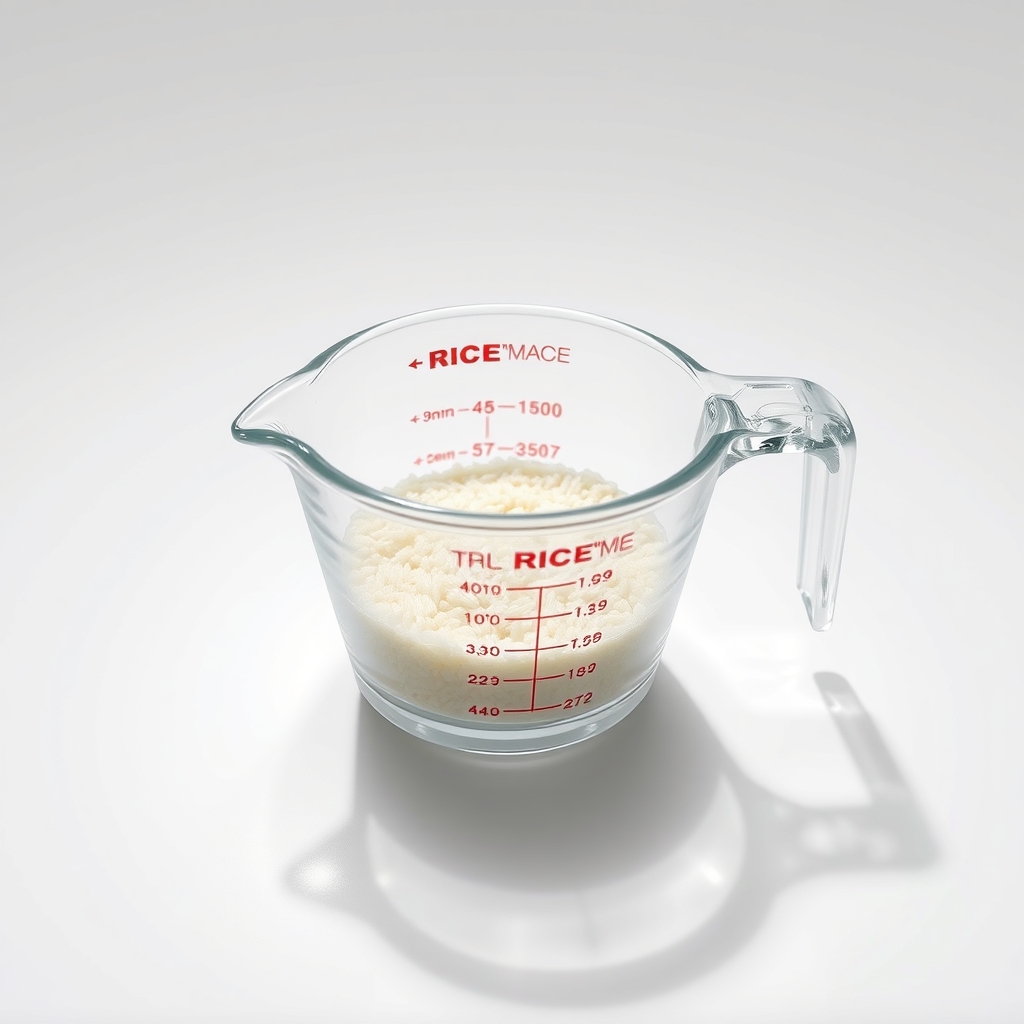
A rice measuring cup with clear fill lines
Mushy rice is usually a measuring mistake, not a bad cooker. A cup sized for rice cookers matches the lines in the pot, so rice and water always stay in step. If you still have the original cup, the free steps are all you need.
What to get: Rice measuring cup with clear fill lines
How long it lasts: Years. One cup used every time gives the same ratio whoever cooks.
As an Amazon Associate I earn from qualifying purchases.
What you'll need
-
Cup that came with the cooker
Holds about 180 ml, smaller than a US cup
You have it -
Rice paddle or spoon
For fluffing gently after the rest
You have it - Illustration
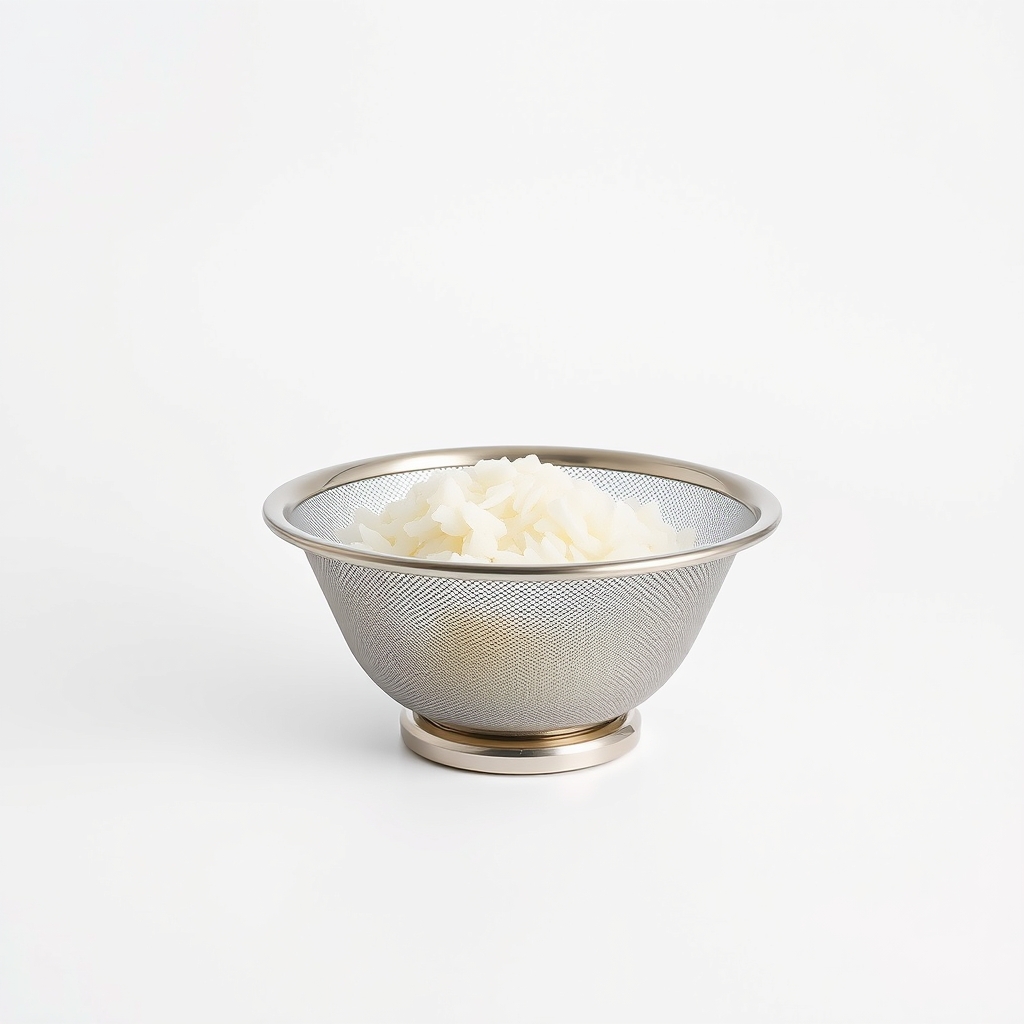
Fine-mesh rice strainer bowl
Rinses and drains rice so extra water does not go into the pot
- Our pick Illustration
Rice measuring cup with fill lines
A replacement if the original is lost or does not match your pot
Why it happens
Too much water for the rice
Cookers are built around a set ratio. A few extra tablespoons per cup makes the grains swell and burst, and the batch turns soft and wet.
The wrong measuring cup
The lines in the pot assume the small 180 ml rice cup. Measure the rice in that cup but the water in a full US cup, and you add about a third too much water. Mixing cups is the most common mistake.
Rinsed rice that is still dripping
Rice that goes into the pot straight from the rinse carries extra water with it. Add the full line on top of that and the pot ends up wetter than the line says.
A softer type of rice
Short-grain, sushi and new-crop rice need a little less water than long-grain. Using the same fill for every bag gives soft results on the stickier types.
Stirring, quick settings and long keep-warm
Stirring mid-cook releases starch and turns rice gluey. Quick, porridge and mixed-rice settings cook softer on purpose, and rice left on keep-warm for hours keeps softening.
Try this first (free)
Do these in order, starting with the simplest.
-
Measure with the cup that came with the cooker
Tool used: Cup that came with the cookerLevel the rice off, do not heap it. If the cup is lost, a 3/4 US cup measure is close. Use the same cup for rice every time.
-
Rinse and drain well
Tool used: Fine-mesh rice strainer bowlSwirl the rice in cold water, pour off the cloudy water, and repeat two or three times until it runs mostly clear. Let the rice drain in a strainer for a minute before it goes in the pot.
IllustrationCheck price on AmazonTool for this step
Fine-mesh rice strainer bowl · Rinses and drains rice so extra water does not go into the pot
-
Fill to the matching line
Level the rice in the pot, then add water to the line for that number of cups. If your last batch was mushy, start a tablespoon or two under the line for each cup of rice.
-
Leave the lid shut and let it rest
Tool used: Rice paddle or spoonDo not stir or open the lid while it cooks. When the cooker clicks to warm, leave it closed for 10 minutes, then fluff by folding gently from the bottom with a paddle.
-
Rescue a mushy batch
Spread the rice on a baking sheet and let it dry for 15 minutes. Mushy rice that has chilled overnight makes good fried rice, and soft batches also work as rice porridge or pudding.
When free fixes aren't enough
If you measure the right way and the rice is still mushy, take another tablespoon of water off each cup and check which setting you use. If the pot lines have worn off or the cup is gone, you are guessing, and a replacement cup with clear lines puts you back on a ratio you can repeat. If the cooker gives soggy rice even with exact amounts, the thermostat or sensor may be failing, and that is when a new cooker makes sense.
Buy the fix
Still stuck after the free fixes? These are the products we would look at.
| Pick | Product | Fixes | Who it's for | Buy |
|---|---|---|---|---|
| Best pick | Rice measuring cup with clear fill lines | rice that is mushy because the measuring is off | Anyone who lost the original cup or has been measuring rice in a full US cup. | Check price |
| Budget pick | Fine-mesh rice strainer bowl | extra rinse water carried into the pot | People who rinse rice in the cooker pot and cannot drain it well. | Check price |
Rice measuring cup with clear fill lines
Fixes: rice that is mushy because the measuring is off
Look for: Holds about 180 ml (3/4 US cup), the size most cookers use; Clear fill marks that stay readable after washing; Rigid plastic or stainless that will not warp.
- Who it's for
- Anyone who lost the original cup or has been measuring rice in a full US cup.
- Honest downside
- You still have the cup that came with the cooker. Use that one, or your manual calls for a different size.
Fine-mesh rice strainer bowl
Fixes: extra rinse water carried into the pot
Look for: Mesh fine enough to hold small rice grains; Big enough to swirl two or three cups; Drains fast so the rice does not sit wet.
- Who it's for
- People who rinse rice in the cooker pot and cannot drain it well.
- Honest downside
- You already own a fine-mesh strainer.
As an Amazon Associate I earn from qualifying purchases. We don't show prices because they change, so use the button to see today's price.
How we picked: How we picked: this page is based on rice cooker manuals, rice-cooking guides on measuring and rinsing, and the problems owners report in reviews. We do not test products by hand.
Starting water guide by rice type
Use your pot lines first. If they have worn off, these are starting points by volume of rice to water, and you should adjust by a tablespoon or two:
- Long-grain white or jasmine: about 1 part rice to 1 to 1.25 parts water.
- Short-grain or sushi rice: about 1 to 1 or a little more.
- Brown rice: about 1 to 1.5 or more, and use the brown setting if you have one.
Check the bag as well. Brands differ, and new-crop rice often needs less.
What to skip
Topping up water above the line 'to be safe'
Extra water is what causes mushy rice, so more of it never helps. Also hold off on a new cooker until you have fixed the ratio. The cooker is rarely the problem.
Frequently asked questions
Rice cooker too mushy even when I follow the water line?
Rice cooker too wet: what went wrong?
Rice cooker too sticky: how do I fix it?
How much water should I use in a rice cooker?
Related problems
 Free fix inside
Kitchen · Rice Cooker
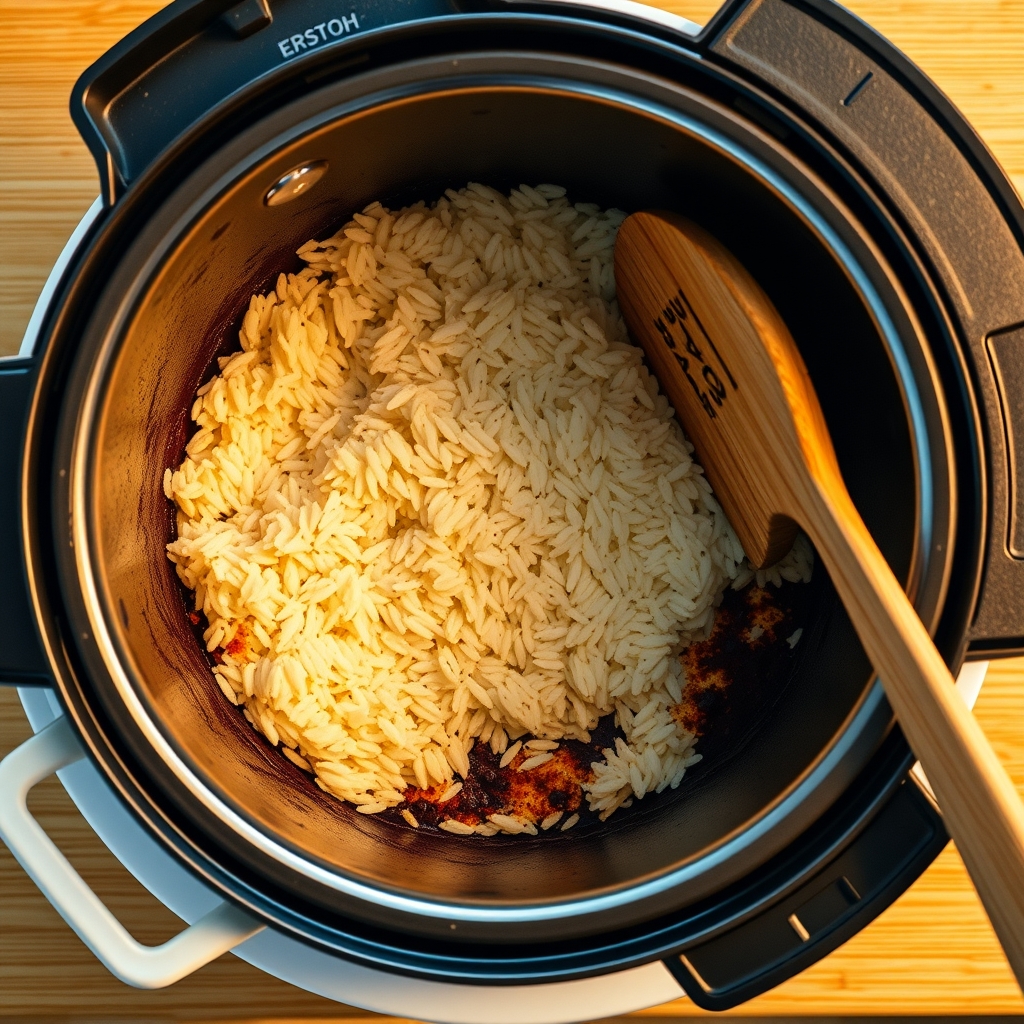
Rice Cooker Burning the Bottom? Water Ratio, Rinse, and a Better Pot
Read the fix Free fix inside
Kitchen · Rice Cooker
Rice Cooker Bubbling Over? Rinse the Rice and Stop the Starch Mess
Read the fix Free fix inside
Kitchen · Rice Cooker
Rice Cooker Not Non-Stick: Stainless Inner Pots Worth a Look
Read the fix Free fix inside
Kitchen · Rice Cooker
Rice Cooker Lid Broken or Won't Close? What to Replace
Read the fixAs an Amazon Associate I earn from qualifying purchases. Affiliate disclosure