Rice Cooker Bubbling Over? Rinse the Rice and Stop the Starch Mess
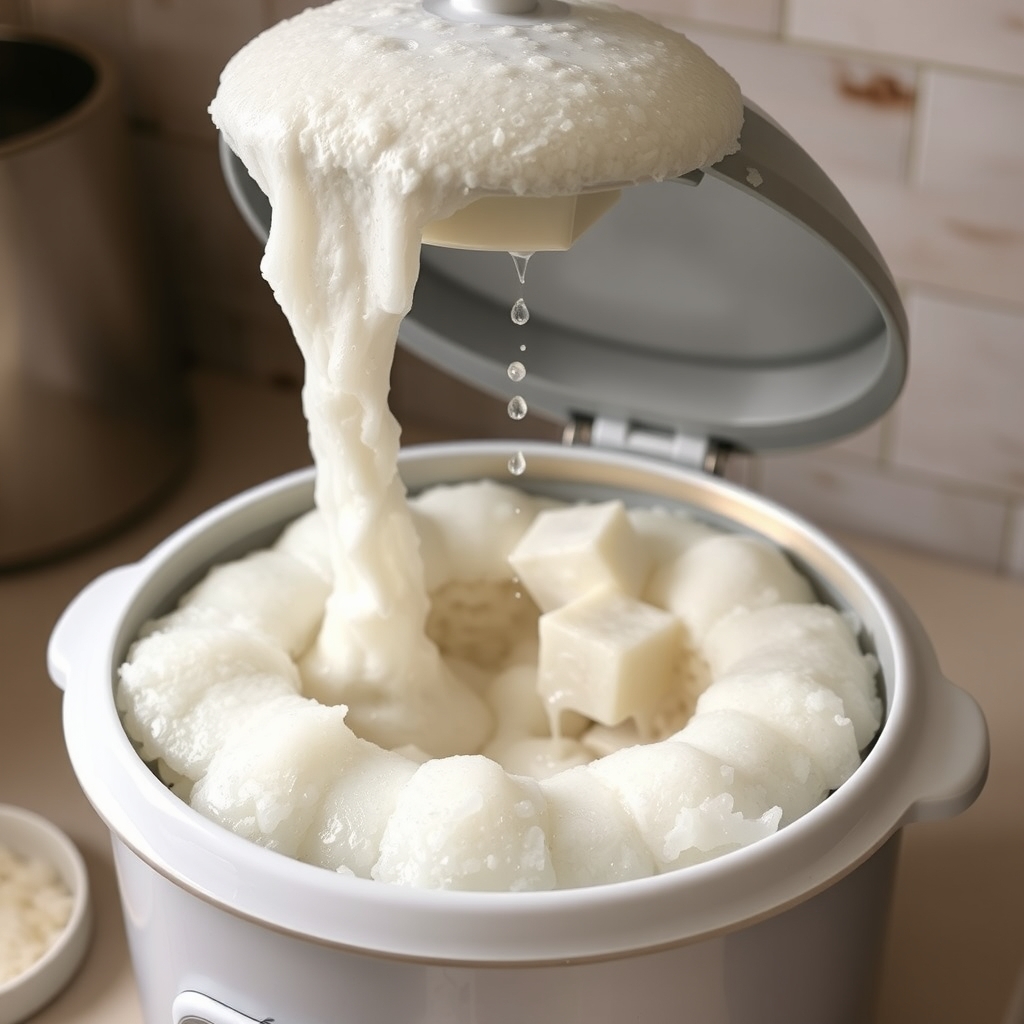
Loose starch makes foam that pushes water out of the vent. Rinse the rice until the water runs mostly clear, use the right cup and wipe the lid vent.
By Jamilur Rahman Updated November 5, 2026 · 6 min read
- Time
- 10 min
- Cost
- Under $20
- Difficulty
- Easy
In this guide
- Quick answer
- Free vs. permanent fix
- What you'll need
- Why it happens
- Try this first (free)
- When free fixes aren't enough
- Buy the fix
- Why is my rice cooker boiling over? Why is my rice cooker bubbling over?
- How to stop rice cooker bubbling over and how to stop rice cooker from spitting
- What to skip
- FAQ
- Related problems
Quick answer
Why does my rice cooker bubble over? Usually it is loose surface starch on the rice, which foams and pushes water out of the steam vent, sometimes with too much water or rice on top. Rinse the rice 3 or 4 times until the water runs mostly clear, fill only to the right line and wipe the vent clean. A rice washing bowl with a strainer makes rinsing quick, though any fine strainer works.
Free fix vs. permanent fix
Rinse the rice and check the line
- Rinse the rice 3 or 4 times until the water is mostly clear
- Measure with the cup that came with the cooker
- Fill water to the matching line, never above max
- Wipe the steam vent and lid rim
How long it lasts: Every time you do it. Skip the rinse and the foam returns.
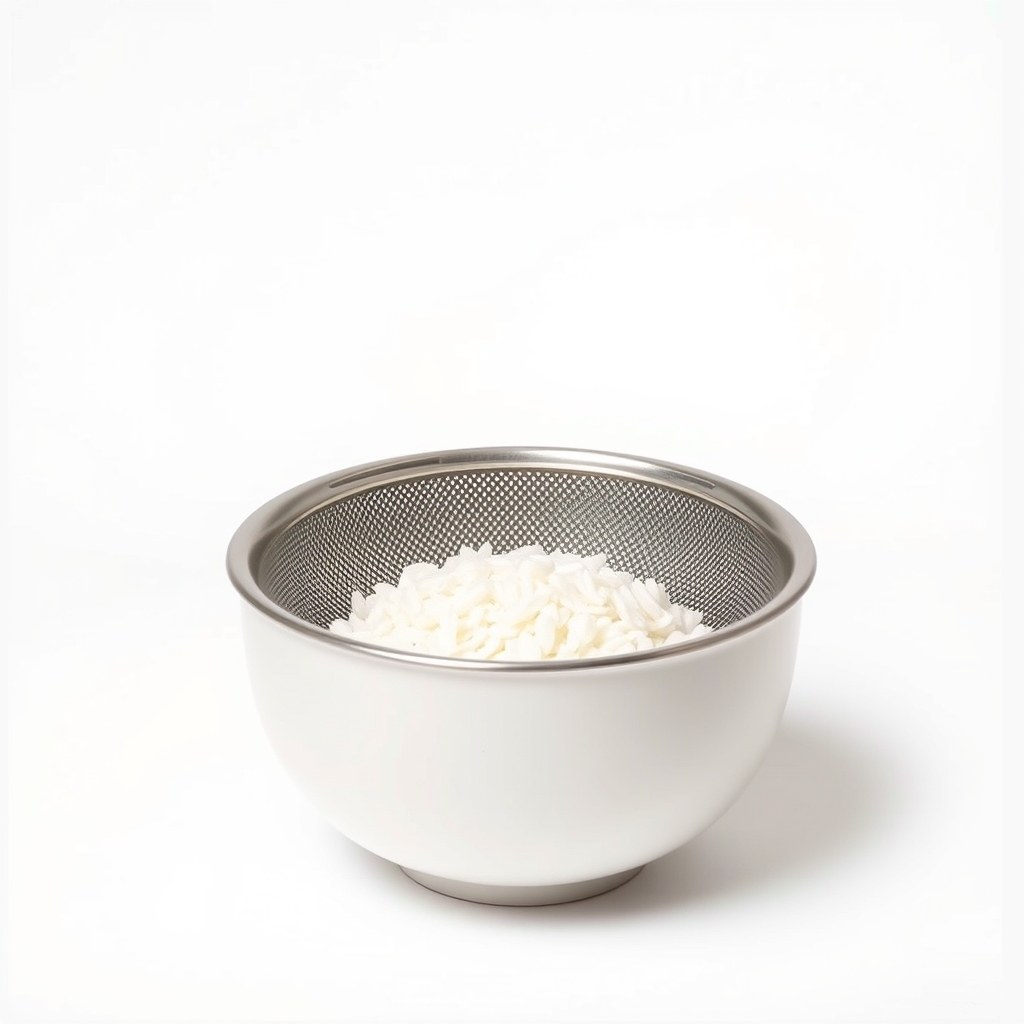
A rice washing bowl with a strainer
Starch is the usual cause and the rinse is the cure. A bowl with built-in drain slots lets you swirl and pour off the cloudy water without losing rice. A fine-mesh strainer does the same job, so this is about convenience.
What to get: Rice washing bowl with strainer
How long it lasts: Years of daily use. It turns the rinse into a quick habit instead of a chore.
As an Amazon Associate I earn from qualifying purchases.
What you'll need
-
Measuring cup that came with the cooker
The water lines match this cup, not a US cup
You have it - Our pick Illustration
Rice washing bowl with strainer
Swirl, drain and repeat without losing rice
- Illustration
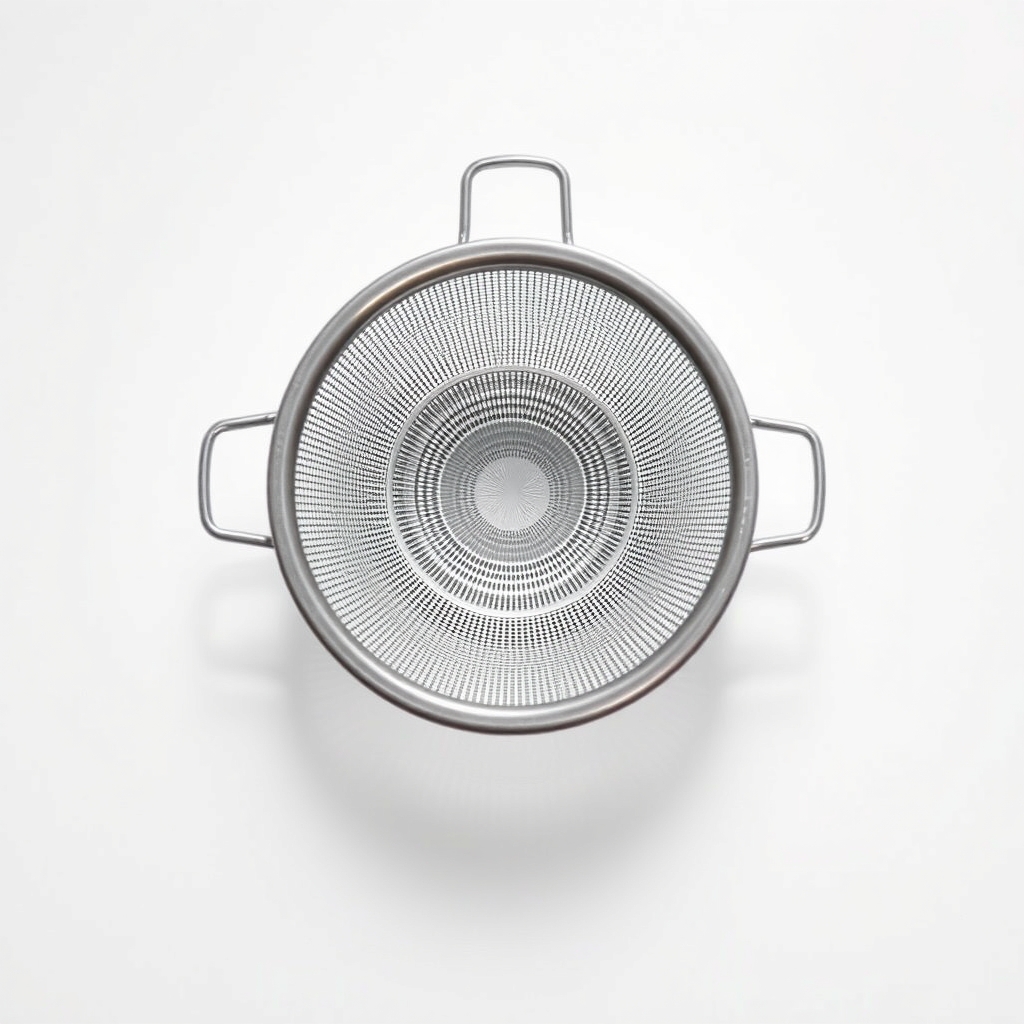
Fine-mesh strainer
The cheap way to rinse rice
-
Damp cloth and toothpick
For the steam vent and lid rim
You have it -
A little oil or butter
Half a teaspoon can break up foam
You have it
Why it happens
Surface starch
Rice is coated with loose starch dust from milling. It makes thick foam as it heats, and the foam climbs the pot and spills.
Too much water or too much rice
Water above the max line, or a pot filled with rice, leaves no room for foam and for the rice to expand.
The wrong measuring cup
Many cookers ship with a small cup of about 180 ml, and the water lines match it. Measuring in 240 ml US cups gives you too much rice for the line.
A dirty steam vent
Dried starch and rice bits in the vent or on the lid rim force steam and bubbles out the wrong way.
High-starch rice
Short-grain, sushi and sticky rice carry more surface starch and foam more than long-grain.
Try this first (free)
Do these in order, starting with the simplest.
-
Measure with the cup that came with the cooker
Tool used: Measuring cup that came with the cookerLevel the rice with a finger. The water lines inside the pot match that cup, not a US measuring cup.
-
Rinse until the water is mostly clear
Tool used: Rice washing bowl with strainerAdd water to the rice, swirl with your fingers and pour off the cloudy water through a strainer. Repeat 3 or 4 times. The water will not be perfectly clear, and that is fine.
IllustrationCheck price on AmazonTool for this step
Rice washing bowl with strainer · Swirl, drain and repeat without losing rice
-
Drain well and add the right water
Let the rice drain for a minute, then add water to the line for the amount of rice you cooked. Do not go above the max line. Use the brown rice line for brown rice.
-
Add a small amount of fat
Tool used: A little oil or butterA half teaspoon of oil or butter can help break the foam. It is a trick, not a fix, so do not use it in place of rinsing.
-
Clean the vent and the lid
Tool used: Damp cloth and toothpickUnplug the cooker and let it cool. Wipe the steam vent, the inner lid and the rim with a damp cloth, and clear the vent hole with a toothpick.
-
Seat the pot and keep the lid shut
Make sure the inner pot sits flat on the heating plate and the lid clicks shut. Do not open the lid during cooking.
When free fixes aren't enough
If the cooker still foams over after a good rinse and the right water line, check for a bent inner pot, a worn lid seal or a missing steam cap, any of which lets steam and foam escape. Try a smaller batch, since many cookers foam over when filled near the top. Water that spills onto the base can reach the electronics, so unplug it and let it dry fully for a day before using it again. If you smell burning or see sparks, stop using it.
Buy the fix
Still stuck after the free fixes? These are the products we would look at.
| Pick | Product | Fixes | Who it's for | Buy |
|---|---|---|---|---|
| Best pick | Rice washing bowl with strainer | the surface starch that causes foam | Anyone cooking rice several times a week who wants a fast, low-mess rinse. | Check price |
| Budget pick | Fine-mesh strainer | the same starch problem for less money | Anyone who wants the cheapest way to rinse rice. | Check price |
Rice washing bowl with strainer
Fixes: the surface starch that causes foam
Look for: Drain slots small enough to hold rice grains; Big enough to swirl 2 to 3 cups without spilling; A grip or handle that makes it easy to pour off the water.
- Who it's for
- Anyone cooking rice several times a week who wants a fast, low-mess rinse.
- Honest downside
- You already own a fine-mesh strainer that holds the grains. That works just as well.
Fine-mesh strainer
Fixes: the same starch problem for less money
Look for: Mesh fine enough that rice grains do not slip through; A hook or handle that rests on a bowl; Stainless steel that does not rust.
- Who it's for
- Anyone who wants the cheapest way to rinse rice.
- Honest downside
- You cook very small or broken grains that slip through the holes. Check the mesh first.
As an Amazon Associate I earn from qualifying purchases. We don't show prices because they change, so use the button to see today's price.
How we picked: How we picked: this page is based on rice cooker manuals, rice-rinsing guidance from cooking references, and what owners report in reviews of rice washing bowls and strainers. We do not test products by hand.
Why is my rice cooker boiling over? Why is my rice cooker bubbling over?
As water heats, starch dissolves and traps steam in a thick foam. The foam rises faster than steam can leave through the vent, so it pushes out. Rinsing removes the loose starch before it can make that foam.
How to stop rice cooker bubbling over and how to stop rice cooker from spitting
- Rinse the rice 3 or 4 times.
- Use the cup that came with the cooker and the matching line.
- Keep the pot below the max line.
- Wipe the steam vent and lid rim after each use.
What to skip
Extra water and skipping the rinse
Adding extra water to stop foam gives soggy rice and does not stop the foam. Skip filling the pot above the max line, and never plug the steam vent to stop the spitting.
Frequently asked questions
Why does my rice cooker keep boiling over?
Why does my rice cooker boil over some days and not others?
Rice cooker keeps bubbling over even after I rinse the rice. What else?
How to stop rice cooker from boiling over with brown or sushi rice?
Why does my rice cooker overflow?
Related problems
 Free fix inside
Kitchen · Rice Cooker
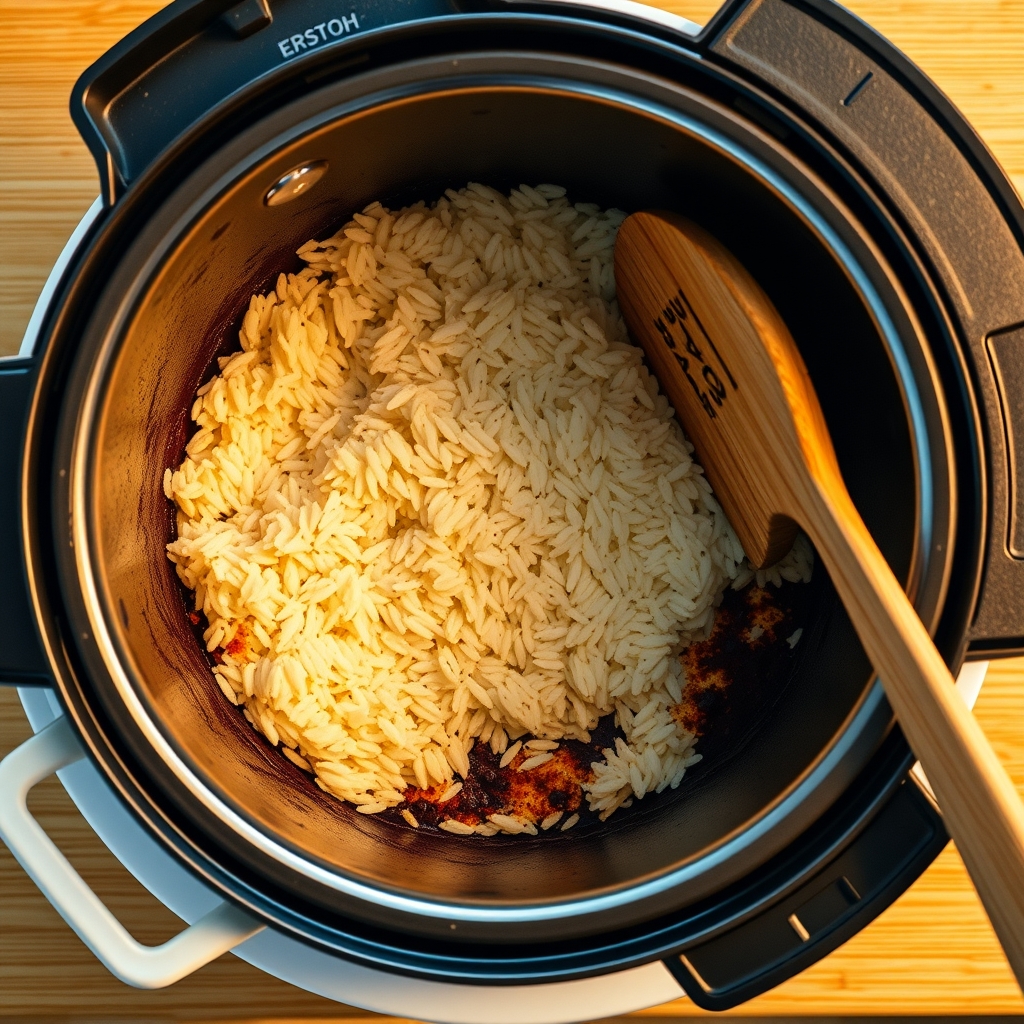
Rice Cooker Burning the Bottom? Water Ratio, Rinse, and a Better Pot
Read the fix Free fix inside
Kitchen · Rice Cooker
Rice Cooker Rice Mushy? Get the Water Ratio Right With the Right Cup
Read the fix Free fix inside
Kitchen · Rice Cooker
Rice Cooker Not Non-Stick: Stainless Inner Pots Worth a Look
Read the fix Free fix inside
Kitchen · Rice Cooker
Rice Cooker Lid Broken or Won't Close? What to Replace
Read the fixAs an Amazon Associate I earn from qualifying purchases. Affiliate disclosure