Rice Cooker Not Non-Stick: Stainless Inner Pots Worth a Look
Coated rice cooker pots scratch and wear out. A stainless inner pot has no coating to flake, but rice sticks more, so a few small habits matter.
By Jamilur Rahman Updated November 5, 2026 · 6 min read
- Time
- 10 min a batch
- Cost
- $50-$150
- Difficulty
- Easy
In this guide
Quick answer
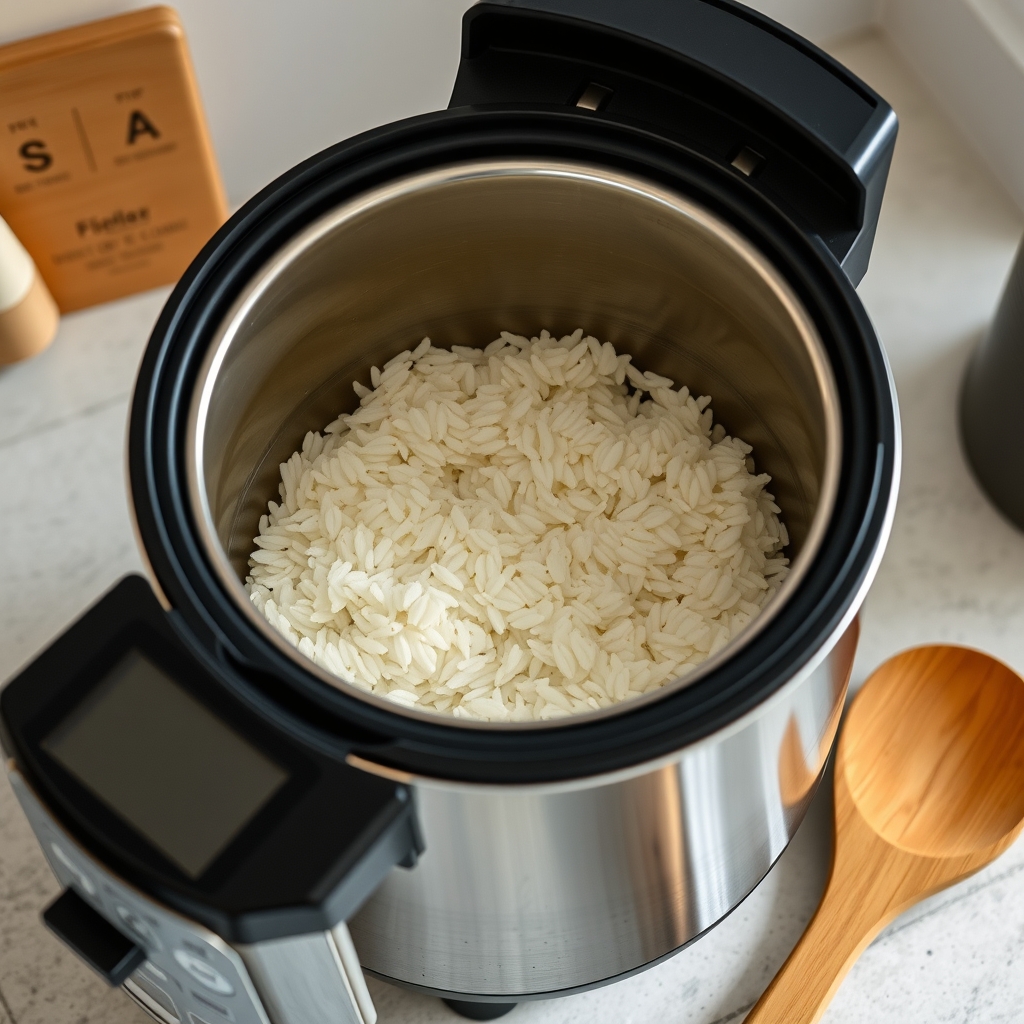
If you want a rice cooker not non-stick, look for a model with a stainless steel inner pot, which has no coating to scratch or flake. Rice sticks more to bare steel than to a coated pot, so rinse the rice, add a little oil and soak the pot after cooking. If you do not want to buy yet, a heavy stainless saucepan with a lid cooks rice on the stove for free.
Free fix vs. permanent fix
Cook rice in a stainless pot on the stove
- Rinse the rice until the water runs mostly clear
- Use about 1 1/2 cups of water for each cup of white rice
- Bring to a boil, cover and cook on low for about 15 minutes
- Turn off the heat and let it steam with the lid on for 10 minutes
How long it lasts: Works as long as you want to watch the pot. It does not shut off by itself or keep the rice warm.
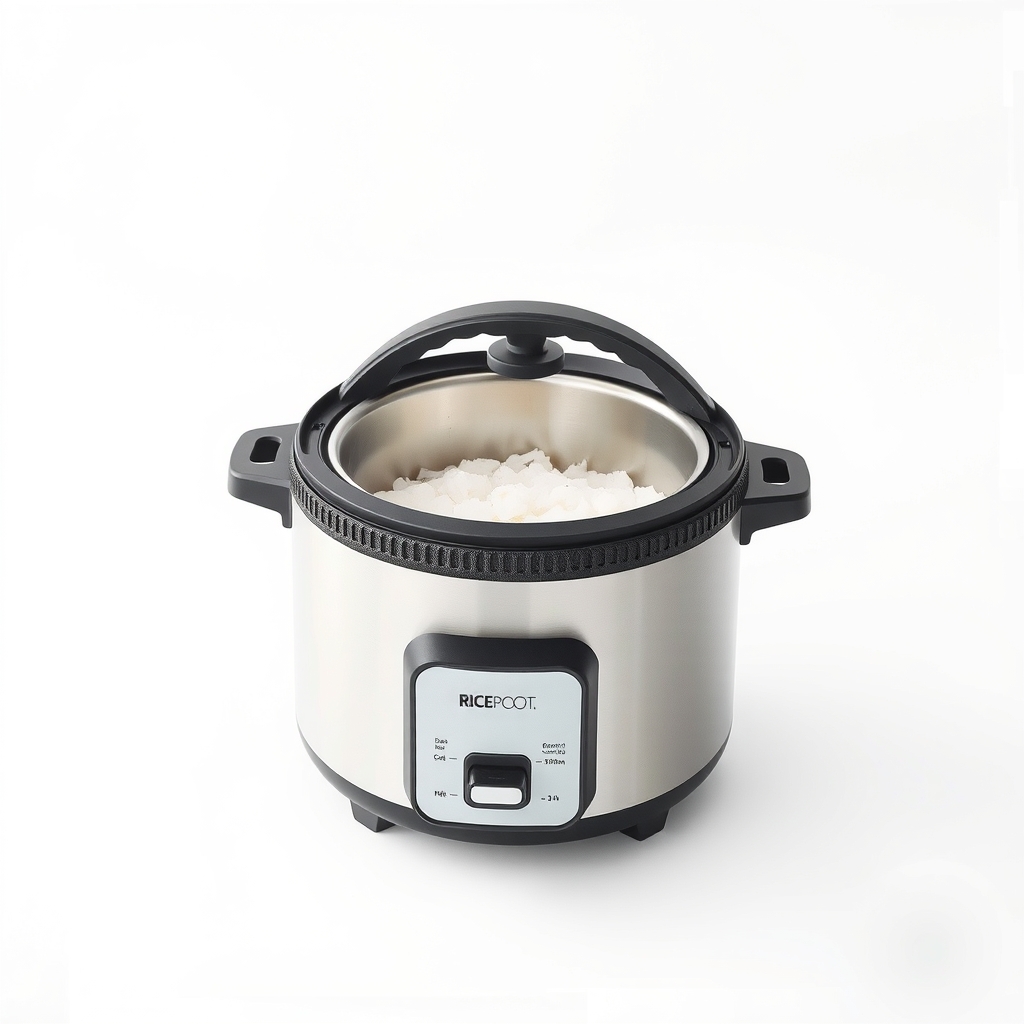
A rice cooker with a stainless steel inner pot
The pot is bare steel, so it does not wear thin or peel. The cooker handles the heat and the timing, then switches to warm when the rice is done. It frees the stove and takes over the job of watching.
What to get: Rice cooker with a stainless steel inner pot
How long it lasts: Years. With no coating, there is nothing to flake off the pot.
As an Amazon Associate I earn from qualifying purchases.
What you'll need
-
Fine-mesh strainer
For rinsing the rice
You have it -
Rice measuring cup
The cup that came with your cooker, which is smaller than a US cup
You have it - Illustration
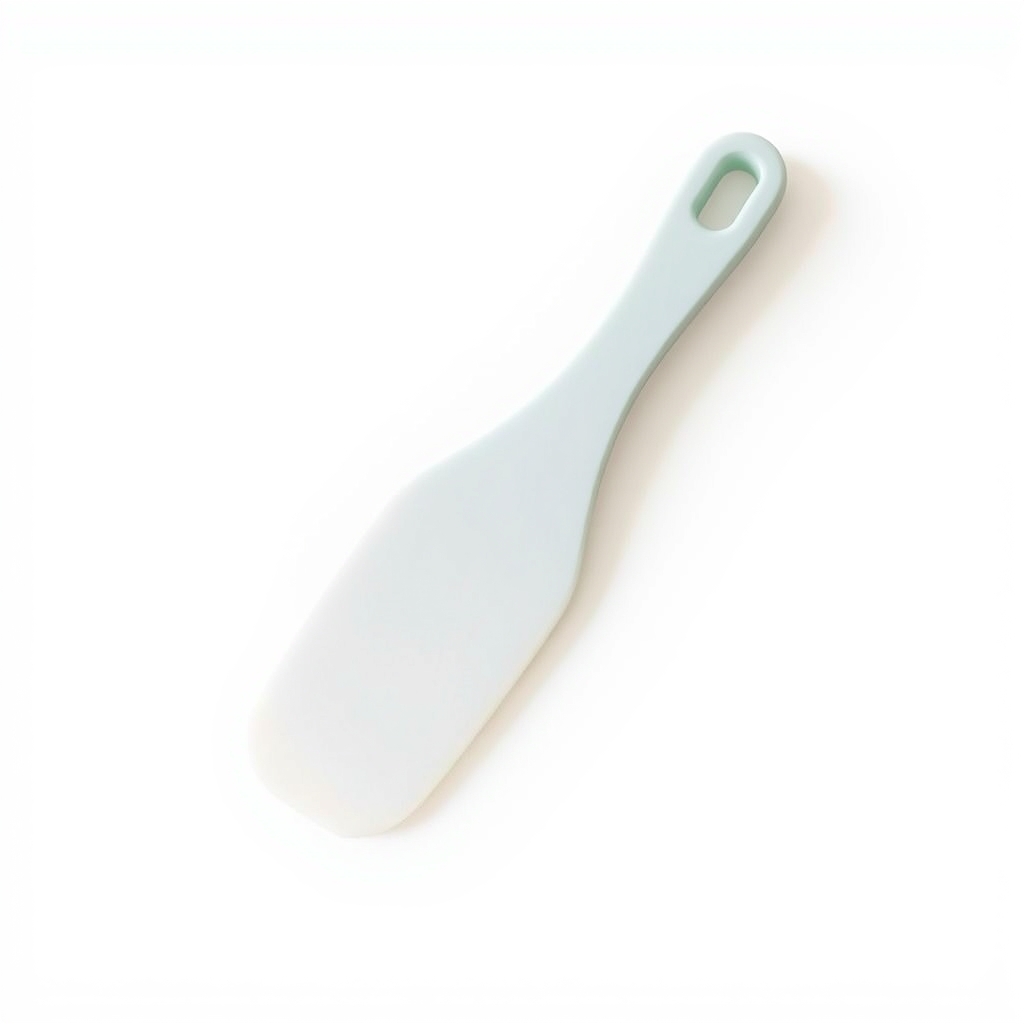
Silicone or wooden rice paddle
Fluffs the rice and protects any pot surface
- Our pick Illustration
Stainless steel rice cooker
The lasting fix for a coated pot that wears out
- Illustration
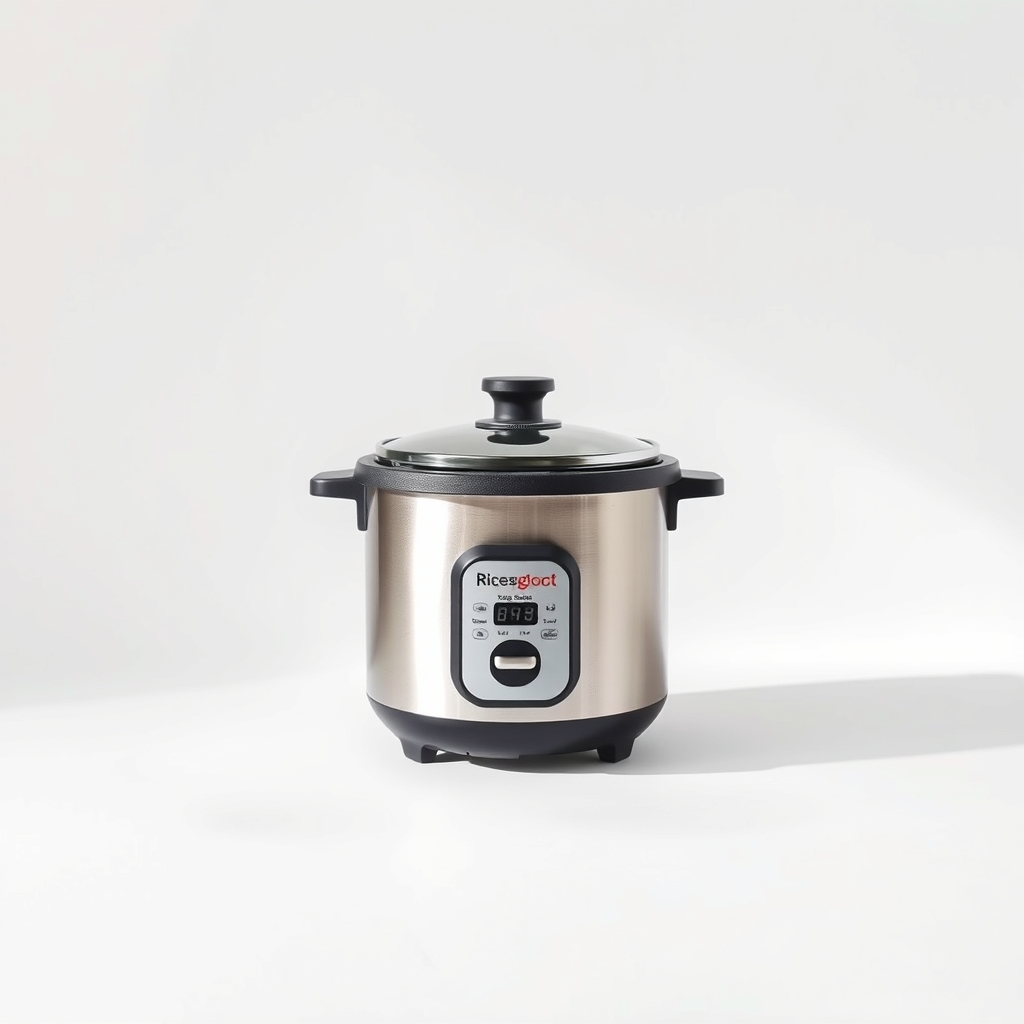
Small stainless steel rice cooker
For one or two people
- Illustration
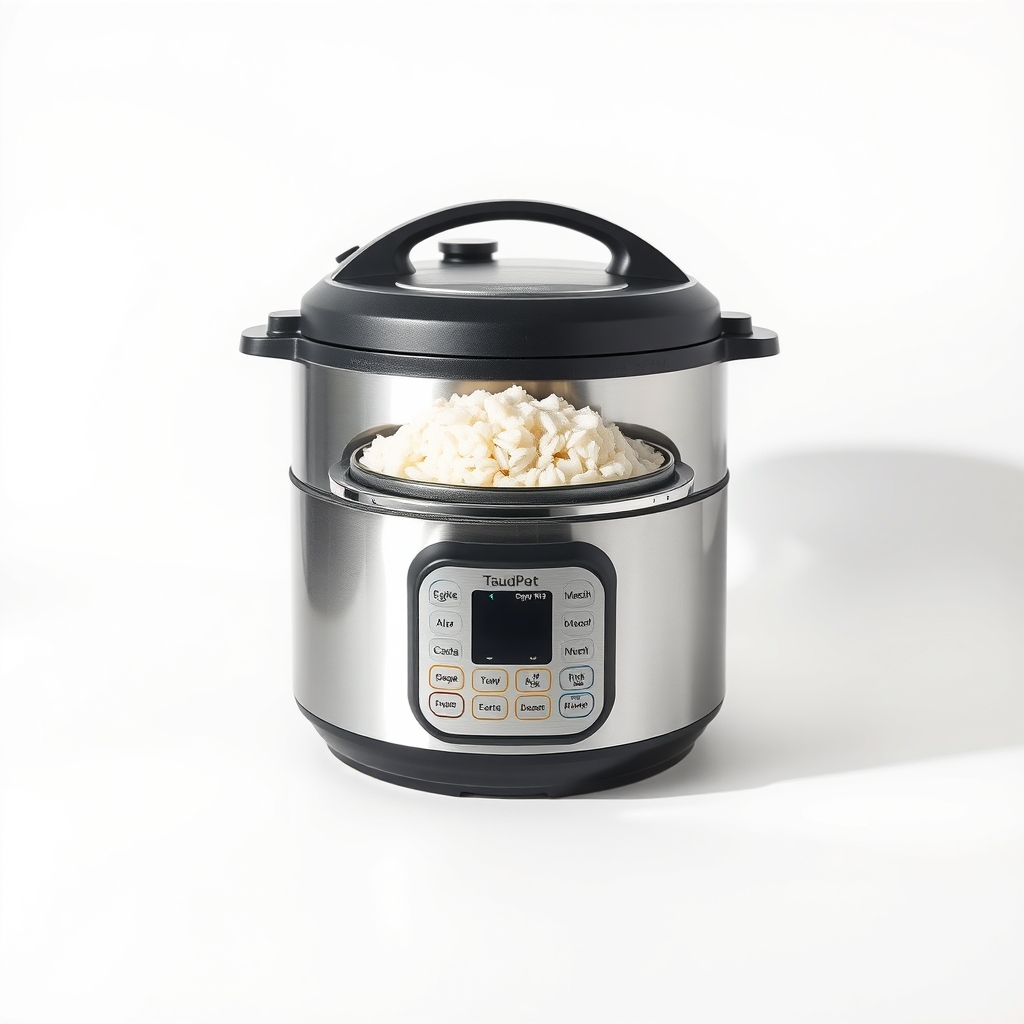
Stainless multi-cooker with a rice setting
If you want one appliance for more than rice
Why it happens
Coatings wear out
Non-stick coatings scratch from metal spoons, rough sponges and rice rubbed by hand. Once a coating is nicked, flakes can come off into the food.
A worry about coatings
Some buyers prefer to avoid fluorinated coatings, often called PFAS, and want bare metal against their food.
Why rice sticks to bare steel
Rice starch bonds to bare metal, especially when the grains are not rinsed or the pot is dry. Rinsing, a little oil and a rest after cooking all help.
Heat and the water ratio
A thin pot or too little water scorches the bottom layer. A thicker base spreads the heat more evenly, so it burns less.
Try this first (free)
Do these in order, starting with the simplest.
-
Rinse the rice
Tool used: Fine-mesh strainerSwirl the rice in cold water in a strainer until the water runs mostly clear, about 3 or 4 rinses. This takes off the loose starch that glues the grains to the pot.
-
Measure with the pot's lines
Tool used: Rice measuring cupLevel the rice in the cup that came with the cooker, then fill water to the matching line. Many of these cups hold about 180 ml, less than a US cup, so do not swap cups.
-
Add a little oil
Stir in about half a teaspoon of oil or a small pat of butter. It makes a thin barrier between the grains and the bare steel.
-
Let the rice rest
When the cooker clicks to warm, leave the lid shut for 10 minutes. The steam loosens the bottom layer so it lifts off easily.
-
Fluff, then soak the pot
Tool used: Silicone or wooden rice paddleFluff with a paddle. Fill the empty pot with warm soapy water and soak it for 15 minutes before washing with a soft sponge. A paste of baking soda and water lifts any stuck bits.
IllustrationCheck price on AmazonTool for this step
Silicone or wooden rice paddle · Fluffs the rice and protects any pot surface
When free fixes aren't enough
The stovetop method works, but you need to stay close, and the bottom can scorch if you look away. If you cook rice every week, or you need the stove for other pots, a cooker with a stainless pot takes that job over. Be honest about the trade-off: you will still see some sticking, and no bare-steel pot gives you rice that never sticks. If that bothers you, a coated pot may suit you better.
Buy the fix
Still stuck after the free fixes? These are the products we would look at.
| Pick | Product | Fixes | Who it's for | Buy |
|---|---|---|---|---|
| Best pick | Rice cooker with a stainless steel inner pot | a coated pot that wears out | Cooks who want bare steel against their food and cook rice every week. | Check price |
| Budget pick | Small stainless steel rice cooker | a coated pot, for one or two people | Singles and couples with limited counter space. | Check price |
| Upgrade pick | Stainless multi-cooker with a rice setting | a coated pot, and the need for a second appliance | Cooks who will also use it for soups, beans and stews. | Check price |
Rice cooker with a stainless steel inner pot
Fixes: a coated pot that wears out
Look for: An inner pot listed as stainless steel, with the grade named (such as 304 or 18/8); Fill lines inside the pot and a measuring cup; An automatic switch to keep-warm; A capacity that suits your household, listed in cups of uncooked rice.
- Who it's for
- Cooks who want bare steel against their food and cook rice every week.
- Honest downside
- You want rice that slides out with no sticking, or you cook one cup at a time and the pot is too big.
Small stainless steel rice cooker
Fixes: a coated pot, for one or two people
Look for: A stainless inner pot; A simple switch with a warm mode; A compact base.
- Who it's for
- Singles and couples with limited counter space.
- Honest downside
- You cook for a large family. A small pot means several batches.
Stainless multi-cooker with a rice setting
Fixes: a coated pot, and the need for a second appliance
Look for: A stainless inner pot with a thick base; A white rice program; A lid seal you can remove and wash.
- Who it's for
- Cooks who will also use it for soups, beans and stews.
- Honest downside
- You want a one-button rice cooker. Multi-cookers have more controls and parts to learn.
As an Amazon Associate I earn from qualifying purchases. We don't show prices because they change, so use the button to see today's price.
How we picked: How we picked: this page is based on rice cooker manuals, stainless cookware care guides, and the sticking and cleaning problems owners report in reviews. We do not test products by hand.
Other uncoated ways to cook rice
- Stainless saucepan on the stove: free if you own one, but it needs watching.
- Clay or cast-iron pot: heavy and slow, and it needs special care, with no automatic shutoff.
- Stainless multi-cooker: an electric pot with a rice setting that does other jobs too.
What to skip
Pots sold as non-toxic without naming the surface
A ceramic coating is still a coating, and it can chip. If you want no coating at all, the listing should say bare stainless steel, not ceramic and not a vague healthy surface.
Frequently asked questions
Does rice stick more in a stainless steel rice cooker?
How do I clean burnt rice from a stainless pot?
Is a stainless steel inner pot safe for cooking rice?
Can I put a stainless rice cooker pot in the dishwasher?
Related problems
 Free fix inside
Kitchen · Rice Cooker
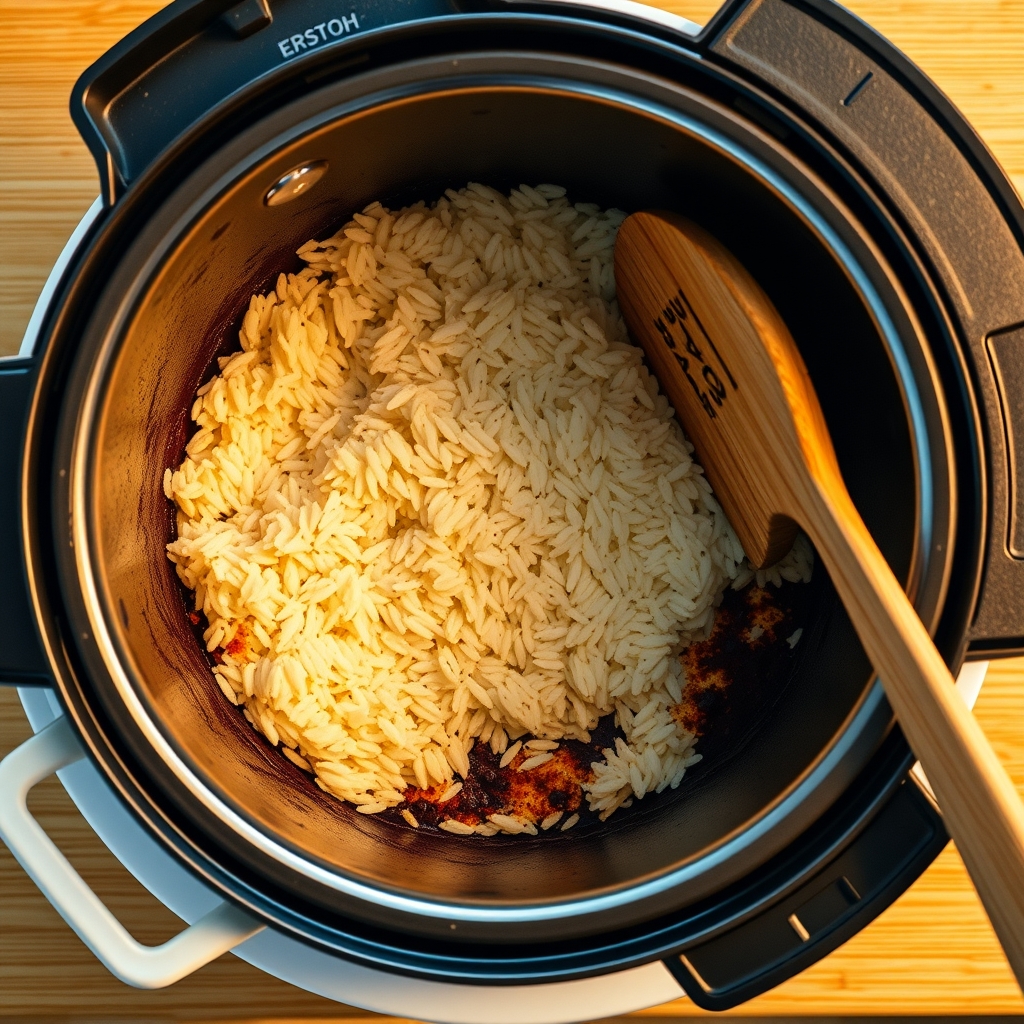
Rice Cooker Burning the Bottom? Water Ratio, Rinse, and a Better Pot
Read the fix Free fix inside
Kitchen · Rice Cooker
Rice Cooker Rice Mushy? Get the Water Ratio Right With the Right Cup
Read the fix Free fix inside
Kitchen · Rice Cooker
Rice Cooker Bubbling Over? Rinse the Rice and Stop the Starch Mess
Read the fix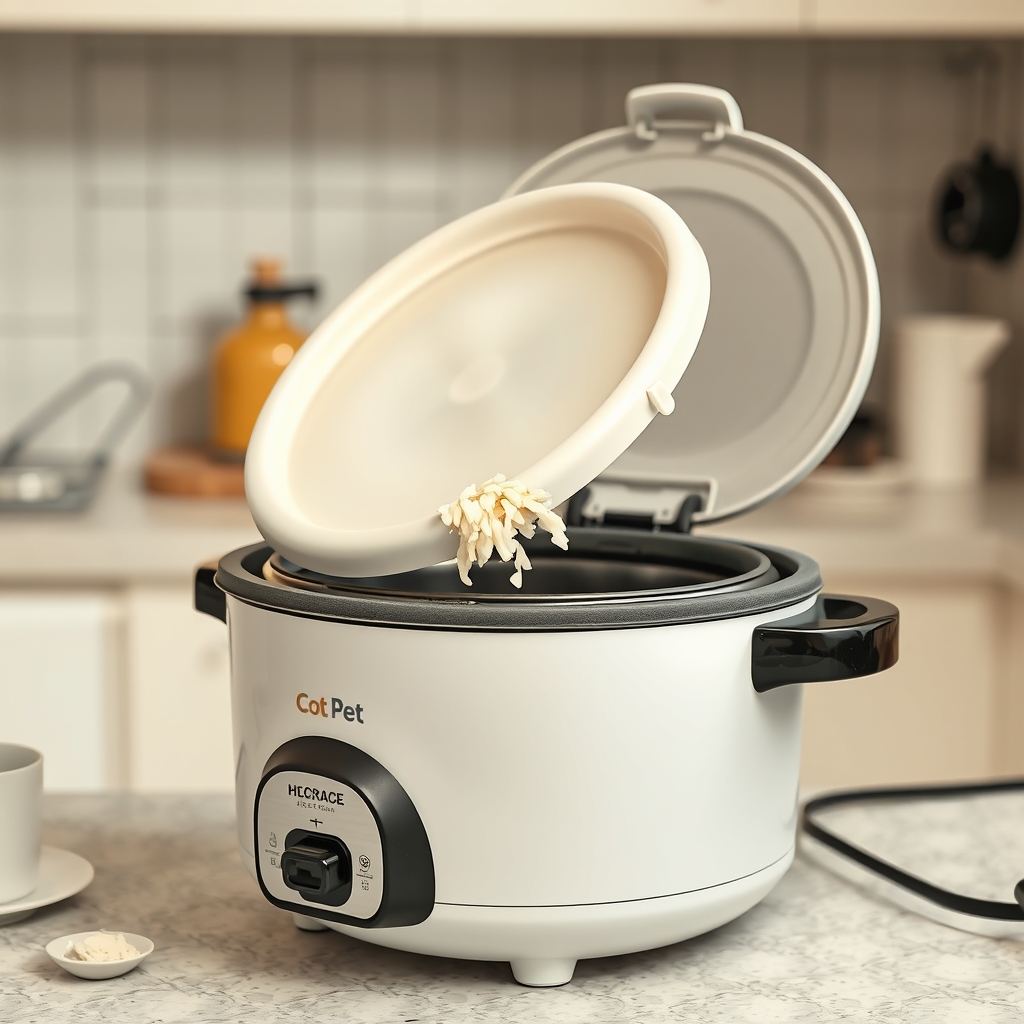 Free fix inside
Kitchen · Rice Cooker
Rice Cooker Lid Broken or Won't Close? What to Replace
Read the fixAs an Amazon Associate I earn from qualifying purchases. Affiliate disclosure