Coffee Maker Tastes Like Plastic? A Quick Flush, or a Glass Upgrade
A new or neglected machine can leave a plastic taste in every cup. Flush it first, and know when a glass and stainless machine is the cleaner choice.
By Jamilur Rahman Updated November 5, 2026 · 7 min read
- Time
- 45 min
- Cost
- $50-$150
- Difficulty
- Easy
In this guide
Quick answer
Why does my coffee maker taste like plastic? Usually it is a new machine that has not been flushed, or an old one with coffee oils and mineral scale in the tank and tubing. Run water-only cycles, then a vinegar clean. If the taste comes back, a glass-carafe machine with a stainless-steel water path keeps hot water away from most of the plastic.
Free fix vs. permanent fix
Flush it, then run a vinegar clean
- Run two or three cycles of plain water on a new machine
- Descale with half white vinegar and half water, then rinse with plain water
- Wash the carafe and basket by hand with dish soap
- Use fresh, filtered water
How long it lasts: For a new machine, the taste often fades after a few brews. For an older one, a clean helps for months if you rinse the parts often.
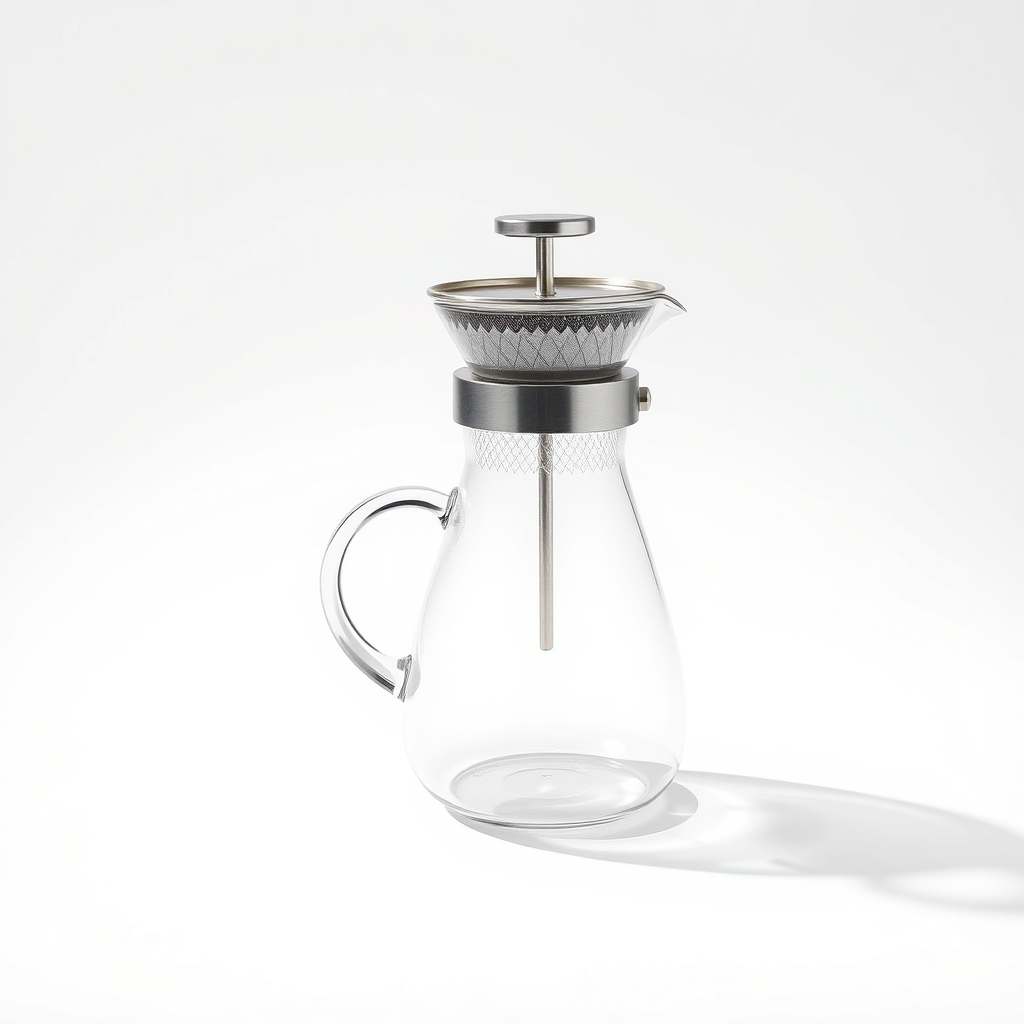
A glass-carafe coffee maker with a stainless-steel water path
Many drip machines push hot water through plastic tubing and a plastic reservoir. Some models use glass and stainless steel in the places the water touches. If you can taste plastic even after a clean, changing the materials is the fix, not more cleaning.
What to get: Glass-carafe drip coffee maker with a stainless-steel water path
How long it lasts: As long as the machine does. There is less plastic touching hot water, so the taste cannot come back.
As an Amazon Associate I earn from qualifying purchases.
What you'll need
-
White vinegar
For the descale cycle. Check your manual for the ratio
You have it -
Dish soap and a bottle brush
For the carafe, lid and filter basket
You have it -
Fresh filtered water
Chlorine and minerals in tap water change the taste
Free - Illustration
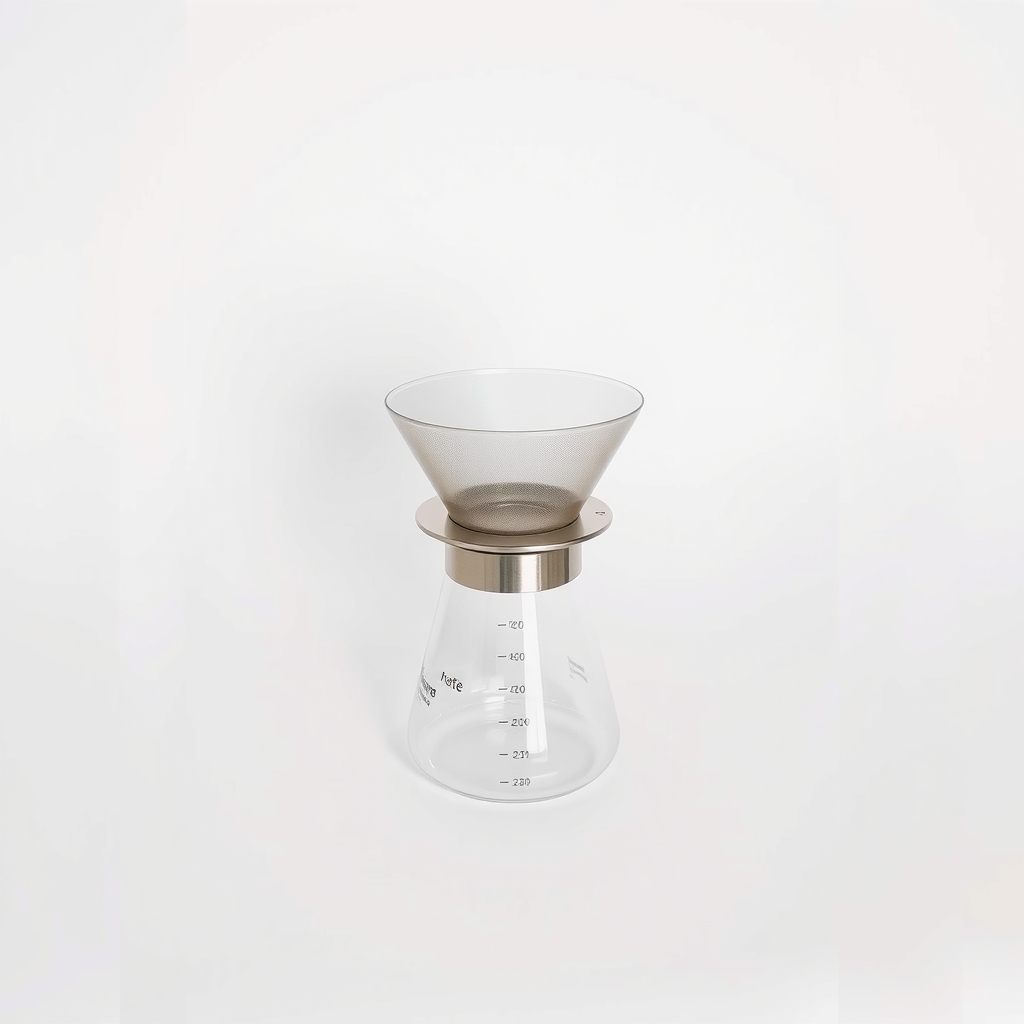
Glass or stainless pour-over dripper
A plastic-free way to brew while you decide
- Our pick Illustration
Glass-carafe coffee maker with a stainless-steel water path
For machines that still taste of plastic after a clean
Why it happens
A new machine that has not been flushed
Plastic parts and manufacturing residue can give off a taste and smell when they first get hot. This is common in the first few brews and fades with use.
Coffee oils and old residue
Oils build up in the basket, carafe, lid and tubing. They go rancid and taste a lot like stale plastic. A quick rinse does not remove them.
Mineral scale
Hard water leaves scale inside the machine. It can alter the taste and slow the heating, which also makes coffee taste flat.
Plastic that sits in the water path
Tubing, valves and the reservoir are often plastic. Hot water can pull a taste from them, most of all when the machine is new or has sat unused for weeks.
Dish soap or dishwasher residue
Soap film inside a carafe or a lid with a gasket can add a chemical taste. Rinse well and let parts air-dry.
Try this first (free)
Do these in order, starting with the simplest.
-
Flush a new machine with plain water
Before the first pot, run two or three full cycles of water only, with no coffee. Do this with the carafe in place, and pour the water out each time.
-
Descale with vinegar
Tool used: White vinegarMost makers say to fill the tank half with white vinegar and half with water, and start a brew. Pause the cycle for 30 to 60 minutes, then let it finish. Your manual may give a different ratio, so check it first.
-
Rinse with plain water until the smell is gone
Run at least two or three cycles of plain water after the vinegar. Keep going until you cannot smell vinegar in the steam or in the carafe.
-
Hand-wash every removable part
Tool used: Dish soap and a bottle brushScrub the carafe, lid, basket and any permanent filter with warm water and dish soap. Use a bottle brush to reach the bottom corners. Rinse well and let everything air-dry fully.
-
Use fresh filtered water and empty the tank daily
Tool used: Fresh filtered waterWater that sits in a closed tank can taste stale. Empty it after use, leave the lid open to dry, and refill with fresh, filtered water each time.
When free fixes aren't enough
If the plastic taste is still there after a flush, a vinegar clean and a good wash, the materials are likely the issue. Some machines simply give hot water a long trip through plastic. A glass-carafe machine that lists stainless steel for the water path avoids most of that. If you smell burning or melting plastic, or the base gets hot to the touch, unplug it and stop using it. That is a fault, not a taste problem, and it needs a replacement.
Buy the fix
Still stuck after the free fixes? These are the products we would look at.
| Pick | Product | Fixes | Who it's for | Buy |
|---|---|---|---|---|
| Best pick | Glass-carafe drip coffee maker with a stainless-steel water path | plastic taste that comes back after cleaning | Someone who has flushed and descaled and still tastes plastic, or who wants less plastic touching hot water. | Check price |
| Budget pick | Glass or stainless steel pour-over coffee dripper | plastic taste, since the hot water never touches a machine | People who want to rule the machine out without buying a new one. | Check price |
Glass-carafe drip coffee maker with a stainless-steel water path
Fixes: plastic taste that comes back after cleaning
Look for: A listing that says what the water path is made of, not just BPA-free; A glass carafe, with a stainless-steel or glass reservoir if listed; A removable basket and carafe that go in the dishwasher or wash easily; An easy-to-find descaling routine in the manual.
- Who it's for
- Someone who has flushed and descaled and still tastes plastic, or who wants less plastic touching hot water.
- Honest downside
- The taste goes away after a vinegar clean. Then a new machine is not needed.
Glass or stainless steel pour-over coffee dripper
Fixes: plastic taste, since the hot water never touches a machine
Look for: A glass, ceramic or stainless-steel cone; A reusable or paper filter that fits; A stable base that sits on your mug or carafe.
- Who it's for
- People who want to rule the machine out without buying a new one.
- Honest downside
- You want a hands-off morning. Pour-over takes a few minutes of attention.
As an Amazon Associate I earn from qualifying purchases. We don't show prices because they change, so use the button to see today's price.
How we picked: How we picked: this page is based on coffee maker manuals and descaling guides, general kitchen-care advice, and what owners report in reviews about plastic taste. We do not test products by hand.
How to tell new-machine taste from a dirty machine
- New machine, first week: a plastic smell that gets weaker each brew. Flush and wait.
- Older machine, taste is stale or bitter: oils and scale. Clean it.
- Same taste from every machine you own: the water. Try filtered water.
- Burning smell, hot base, flickering light: a fault. Unplug it.
What to look for on a coffee maker listing
Makers rarely list every material, so read the product description and the manual. Look for glass for the carafe, and stainless steel for the reservoir or the heating tube if they say so. A listing that only says BPA-free is telling you what is missing, not what the water touches. If you cannot tell, a pour-over dripper is the surest way to avoid the question.
What to skip
Scented cleaners and soaking in bleach
Scented cleaners can leave their own taste, and bleach is not meant for coffee machines. Vinegar or a citric-acid descaler followed by plain water rinses is enough and safer for the parts.
Frequently asked questions
Why does my new coffee maker smell like plastic?
Why does my coffee maker smell like plastic when it brews?
Is it safe to drink coffee that tastes like plastic?
How often should I descale a coffee maker?
Related problems
 Free fix inside
Kitchen · Electric Kettle
Kettle Tasting of Plastic? Rinse Fix, Then 3 Kettles That Don't
Read the fix Free fix inside
Kitchen · Coffee Maker
Coffee Maker Smells Musty? Hidden Mold Spots and the Clean That Works
Read the fix Free fix inside
Kitchen · Coffee Maker
Coffee Maker Says Descale? How Often, What to Use, What to Avoid
Read the fix Free fix inside
Kitchen · Coffee Maker
Coffee Maker Keeps Getting Grounds in Coffee? 4 Causes, 1 Filter Swap
Read the fixAs an Amazon Associate I earn from qualifying purchases. Affiliate disclosure