Coffee Maker Smells Musty? Hidden Mold Spots and the Clean That Works
Damp spots under the lid, in the basket and in the tank grow mold between pots. Take it apart, wash it and run a cleaning cycle to clear the smell.
By Jamilur Rahman Updated November 5, 2026 · 6 min read
- Time
- 45 min
- Cost
- Under $20
- Difficulty
- Easy
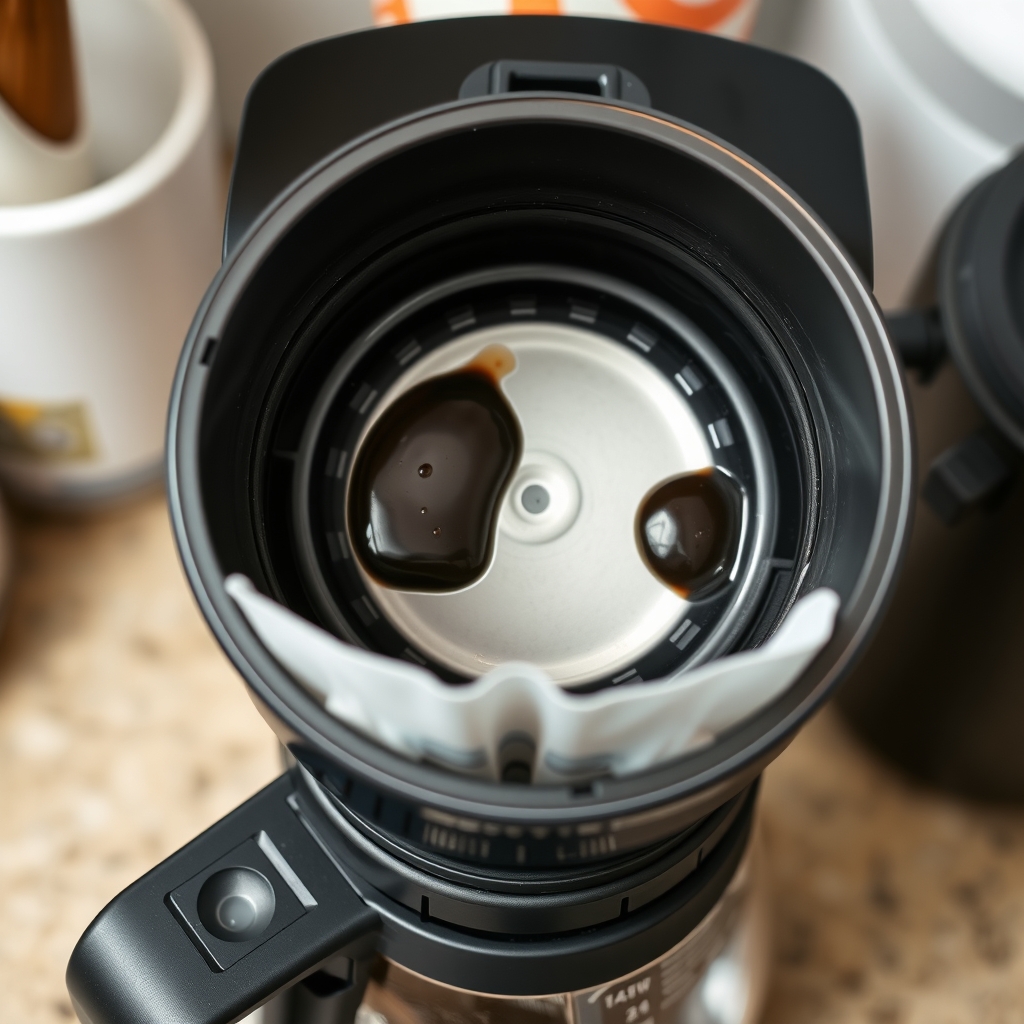
In this guide
Quick answer
A coffee maker that smells musty usually has damp, hidden mold or mildew in the water tank, the filter basket or under the lid, where moisture sits between pots. Take every removable part apart and wash it with hot soapy water, then run one cleaning cycle and two or three plain-water rinses. White vinegar does it for free. Cleaning tablets do the same job without the vinegar smell, and make a monthly clean simple.
Free fix vs. permanent fix
Take it apart, wash it and run a vinegar cycle
- Throw out old water and grounds
- Wash the basket, lid, carafe and tank with hot soapy water
- Run a half vinegar, half water cycle, then 2 or 3 plain-water rinses
- Dry it with the lid open
How long it lasts: Clears the smell for a month or two if you empty and dry it after use. It returns if water keeps sitting in the tank.
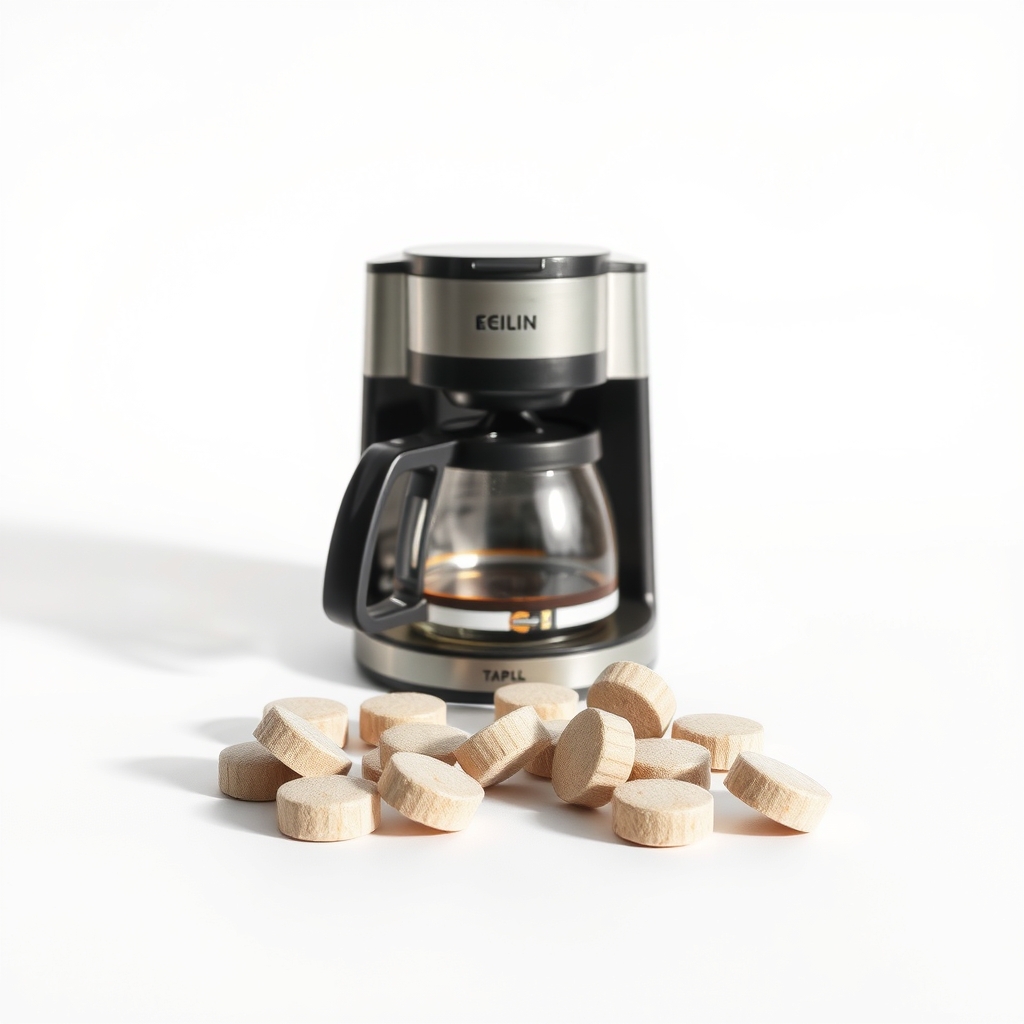
Coffee maker cleaning tablets
Vinegar works, and some makers even suggest it. But it leaves a smell you must rinse away, and some manuals say to use only their own cleaner. Tablets are made for coffee machines, dissolve in the tank and clear the film and scale that give mold a foothold. A monthly cycle is easy enough that you will do it.
How long it lasts: A monthly clean with no measuring and no vinegar smell to rinse out.
As an Amazon Associate I earn from qualifying purchases.
What you'll need
-
Dish soap and a soft sponge
For every removable part
You have it -
Old toothbrush or bottle brush
For seals, the spray head and the tank corners
You have it -
White vinegar
A free cleaning option, but check your manual first
You have it - Our pick Illustration
Coffee maker cleaning tablets
Clean and descale in one cycle, with no vinegar smell
Why it happens
Standing water in the tank
Water left in the reservoir for days grows a slimy film. A warm, dark, damp tank is where mold and bacteria like to live.
Wet grounds left in the basket
Soggy grounds and a wet paper filter left overnight can grow mold within a day or two. The basket and its holder stay damp.
Hidden spots nobody washes
The underside of the lid, the spray head over the basket, the rubber seals, the carafe lid and the drip tray stay wet. Most people only rinse the carafe.
Scale that holds moisture
Limescale gives mold a rough surface to cling to, and it slows the flow, so water sits in the machine longer.
Try this first (free)
Do these in order, starting with the simplest.
-
Empty it and take it apart
Unplug it. Remove the carafe and lid, the filter basket, the drip tray and the tank if it comes out. Throw out old water and grounds.
-
Wash every part in hot soapy water
Tool used: Old toothbrush or bottle brushScrub the basket, carafe lid, tray and tank. Use a brush on the seals and the underside of the lid, and look for black or pink spots in corners.
-
Run a vinegar cycle
Tool used: White vinegarFill the tank with half white vinegar and half water, as your manual allows. Run half the cycle, turn it off for 30 minutes, then finish it. Or use a cleaning tablet as the label says.
-
Rinse with plain water
Run 2 or 3 full tanks of plain water through it, until the vinegar smell is gone. Do not skip this, or your next pot will taste sour.
-
Dry it with the lid open
Wipe out the tank, prop the lid open and leave the basket out overnight. Moisture is what mold needs.
-
Make it a routine
Tool used: Coffee maker cleaning tabletsAfter each pot, toss the grounds, rinse the basket and leave the lid open. Clean the whole machine monthly, and more often if you have hard water.
IllustrationCheck price on AmazonTool for this step
Coffee maker cleaning tablets · Clean and descale in one cycle, with no vinegar smell
When free fixes aren't enough
If a full wash and a cleaning cycle do not touch the smell, mold may be growing in places you cannot open, such as a sealed tank or the inner tubing. One cleaning cycle will not remove thick black growth in those parts. If the machine is old, mold is visible inside a part you cannot reach, or anyone in your home has asthma or mold allergy, replacing it is the safer choice. If you smell burning plastic or see sparks, unplug it. That is a different problem.
Buy the fix
Still stuck after the free fixes? These are the products we would look at.
Coffee maker cleaning tablets
Fixes: the film and scale that feed musty smells, without vinegar
Look for: Labeled for drip coffee makers, or for your machine type; Cleans and descales in one cycle; Rinses out in two or three plain-water cycles.
- Who it's for
- Anyone who wants a monthly clean that is simple and does not smell.
- Honest downside
- Your manual says to use only the maker's own cleaner, or you are happy with a vinegar cycle.
As an Amazon Associate I earn from qualifying purchases. We don't show prices because they change, so use the button to see today's price.
How we picked: How we picked: this page is based on coffee maker care guides, descaling instructions from makers, and the odor problems owners report in reviews. We do not test products by hand.
Six spots where mold hides
- The water tank, including its lid and the corners.
- The underside of the main lid, above the basket.
- The filter basket and its holder.
- The carafe lid and its rubber seal.
- The drip tray under the carafe.
- For pod machines, the pod holder and the needle area.
How often to clean a coffee maker
- After every pot: toss the grounds, rinse the basket and leave the lid open.
- Weekly: wash the carafe, basket and lid with soap.
- Monthly: run a cleaning cycle with tablets or vinegar.
- With hard water: clean more often, because scale builds faster.
What to skip
Bleach, and skipping the rinse cycles
Never run bleach through a coffee maker, and never mix vinegar with bleach or other cleaners, because the fumes can be harmful. Do not skip the rinse cycles either. A half-rinsed vinegar cycle leaves vinegar in your next pot.
Frequently asked questions
Why does my coffee maker smell like mildew?
My coffee maker smells moldy. Is the coffee safe to drink?
Why does my coffee maker smell bad even after I washed the carafe?
Why does my coffee maker smell even when it is not brewing?
Related problems
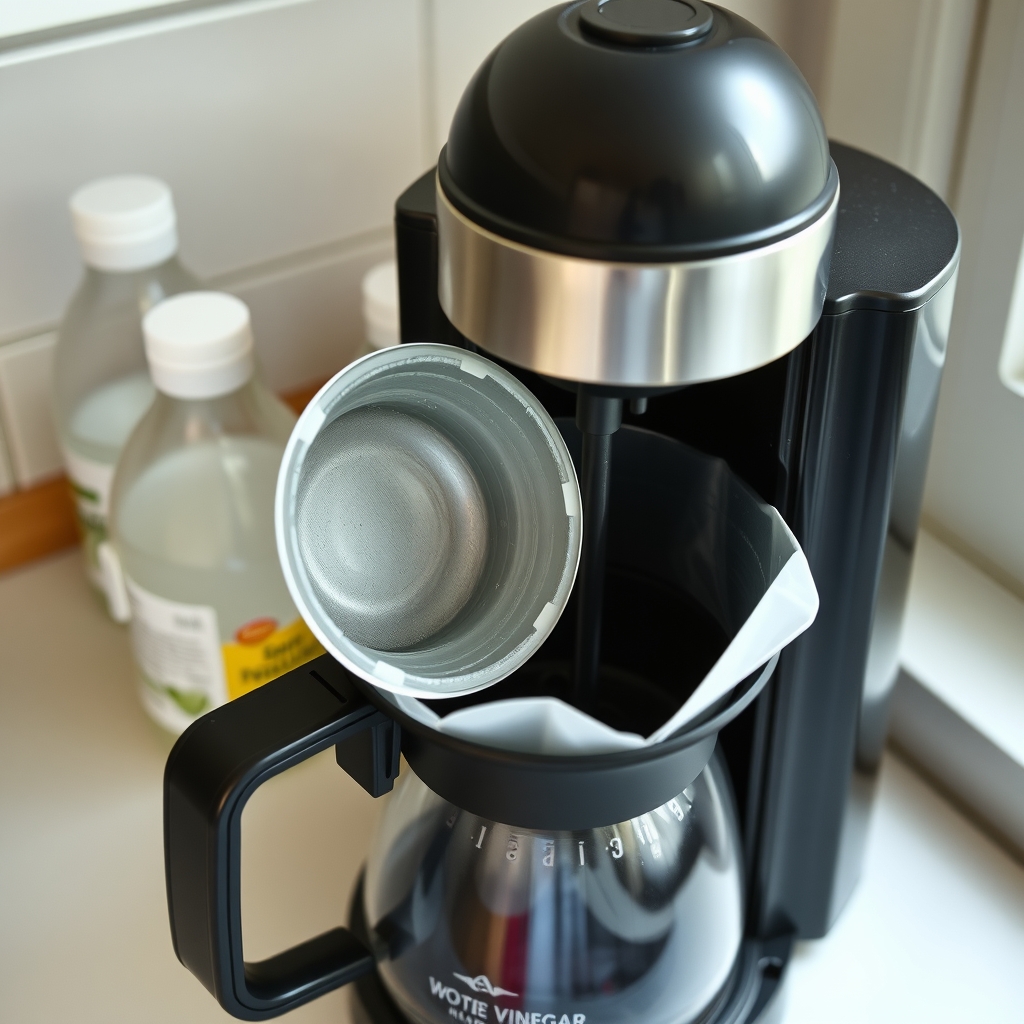 Free fix inside
Kitchen · Coffee Maker
Coffee Maker Says Descale? How Often, What to Use, What to Avoid
Read the fix Free fix inside
Kitchen · Coffee Maker
Coffee Maker Tastes Like Plastic? A Quick Flush, or a Glass Upgrade
Read the fix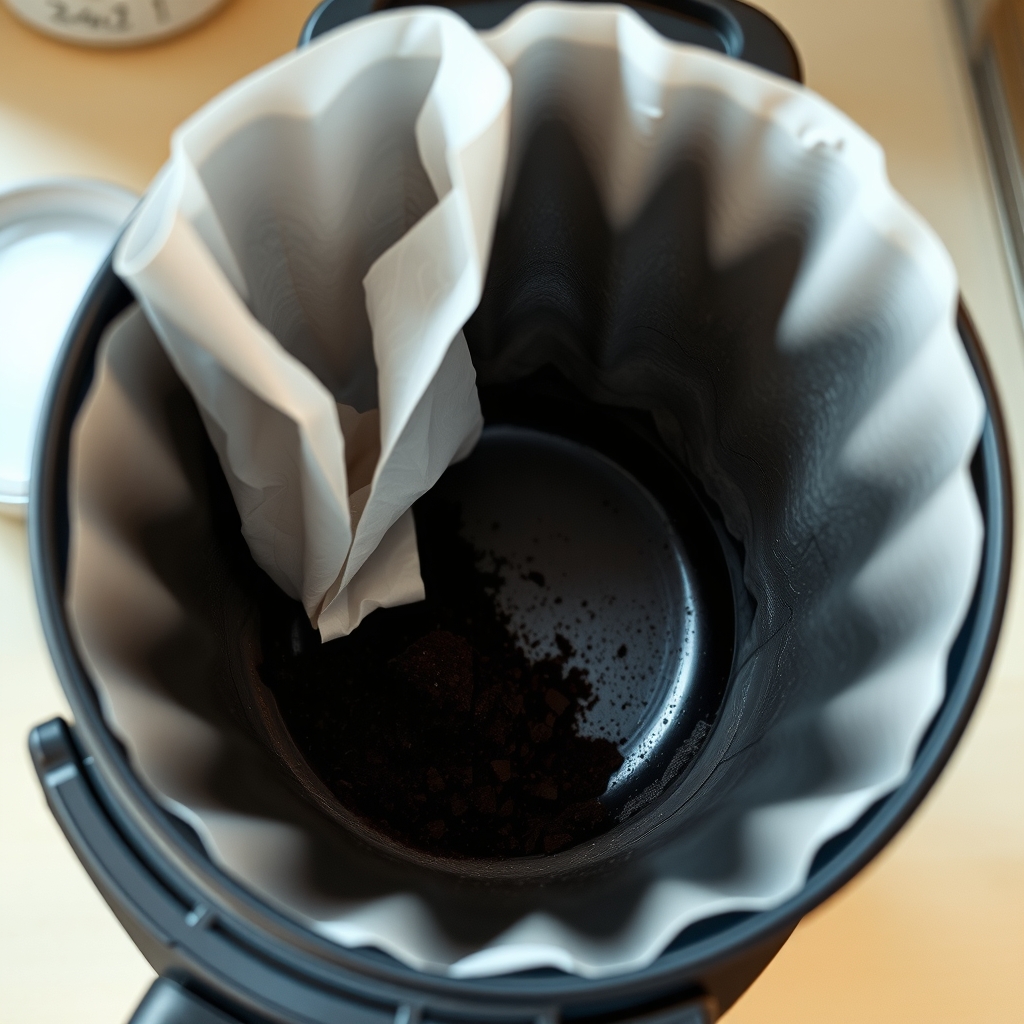 Free fix inside
Kitchen · Coffee Maker
Coffee Maker Keeps Getting Grounds in Coffee? 4 Causes, 1 Filter Swap
Read the fix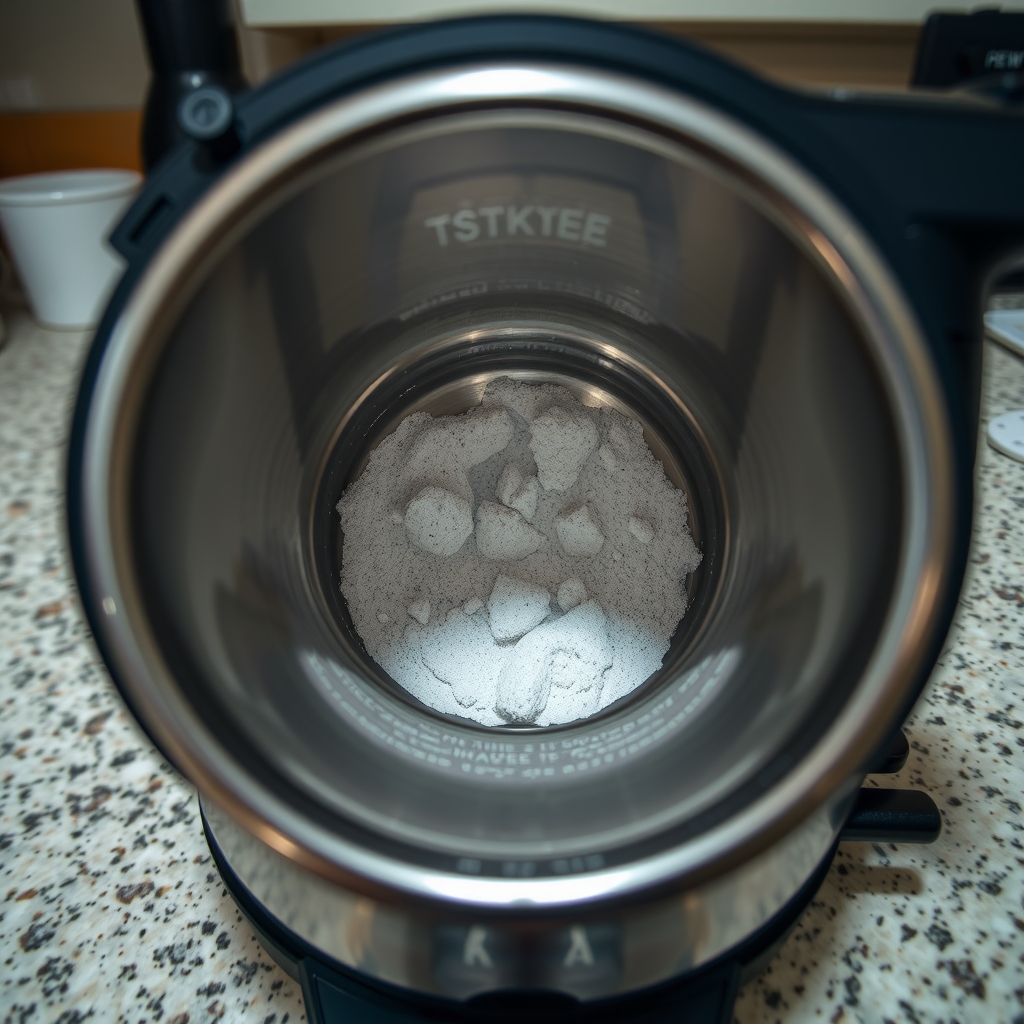 Free fix inside
Kitchen · Electric Kettle
White Stuff in Your Electric Kettle? It's Limescale: Remove It Fast
Read the fixAs an Amazon Associate I earn from qualifying purchases. Affiliate disclosure