How to Hide a Trash Can in the Kitchen: 3 Setups for Any Layout
A trash can in plain sight spoils a tidy kitchen. Pick the setup that fits your cabinets: a pull-out bin, a door-mounted bin or a lidded enclosure.
By Jamilur Rahman Updated November 5, 2026 · 7 min read
- Time
- 1 hour
- Cost
- $50-$150
- Difficulty
- Medium
In this guide
Quick answer
The easiest way to hide trash cans in the kitchen is to put them behind a cabinet door. If you have a spare base cabinet, a pull-out bin on slides is the lasting fix, because one tug brings it out and one push hides it again. With no spare cabinet, a bin that hangs inside a door or a lidded enclosure gets you the same clean look. A can you simply slide into a cabinet is free, but it never stays put.
Free fix vs. permanent fix
Tuck a can you own into a cabinet
- Empty the base cabinet nearest your prep area
- Check the can clears the door frame and any pipes
- Use a lidded can so smells stay inside
- Pull the can out before you open the lid so it never tips
How long it lasts: Until you tire of opening the door, lifting the lid and nudging the can back in place. Many people give up within a few weeks.
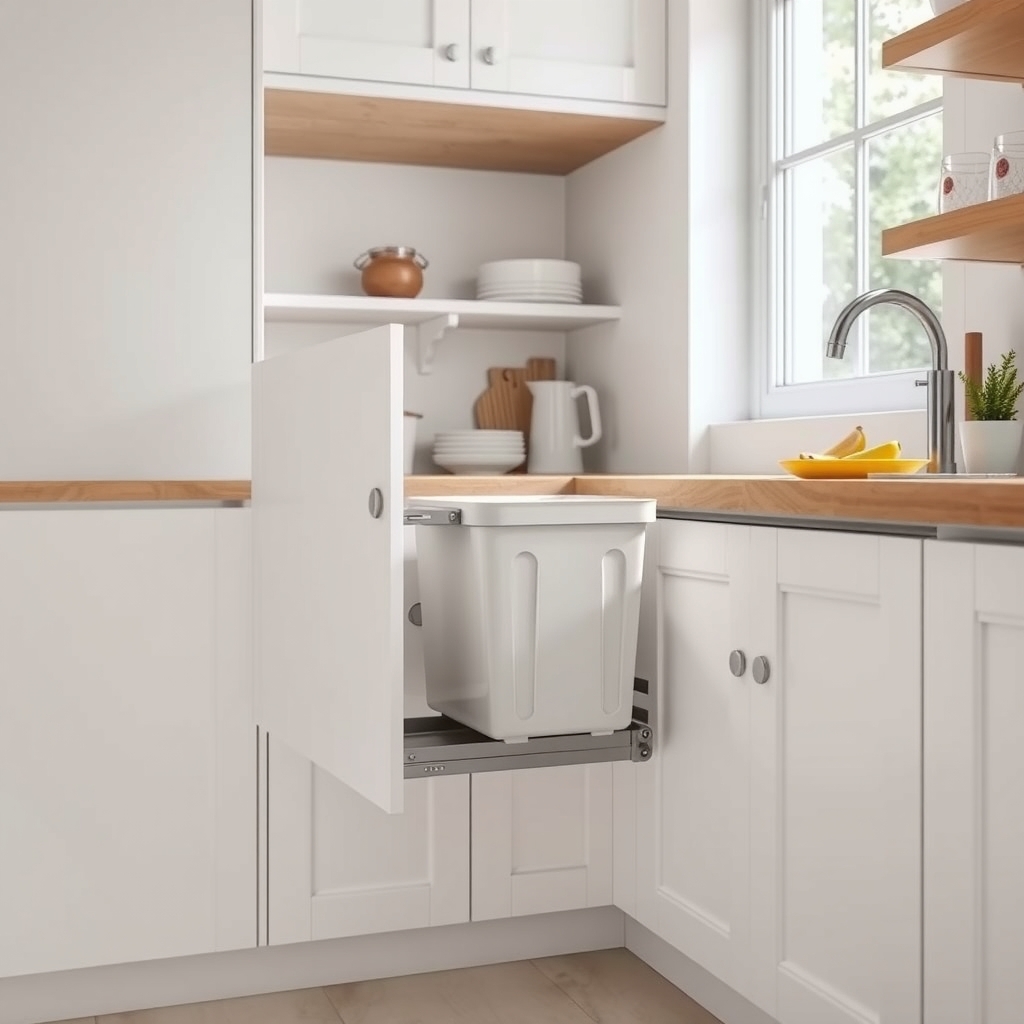
An under-cabinet pull-out trash can
A pull-out bin rides on slides. You pull the door and the bin comes to you, then you push it back and the door closes on the whole thing. Because it is fixed in place, it avoids the sliding and tipping that make a loose can annoying.
What to get: Under-cabinet pull-out trash can
How long it lasts: Years. It is fixed to the cabinet, so it cannot drift, tip or get kicked.
As an Amazon Associate I earn from qualifying purchases.
What you'll need
-
Tape measure
For the door opening, the inside width, the height and the depth
You have it -
Drill or screwdriver
Most pull-outs mount with a few screws
You have it - Our pick Illustration
Under-cabinet pull-out trash can
The lasting fix if you have a spare base cabinet
- Illustration
Cabinet-door trash can
Hangs inside the door, so it works in a crowded or rented cabinet
- Illustration
Trash can enclosure cabinet
For kitchens with no spare cabinet
Why it happens
No spare cabinet
Most base cabinets are already full of pots and pans. The can ends up in a corner because nothing else is free.
A crowded under-sink cabinet
Pipes, a disposal and cleaning supplies take most of the room. The sink drain also blocks a bin that is tall or wide.
A narrow door opening
Face-frame cabinets have a door opening smaller than the space inside. A bin that fits inside can still fail to clear the frame.
A rental kitchen
Drilling is often off the table, so you need a setup that hangs lightly or stands on its own.
Try this first (free)
Do these in order, starting with the simplest.
-
Measure the opening and the inside
Tool used: Tape measureWrite down four numbers: the door opening width, the inside width between the cabinet walls, the height and the depth. The opening is usually the one that decides whether a bin fits.
-
Choose the cabinet
Pick the base cabinet closest to where you prep food, away from the dishwasher and sink pipes if you can. Take out the shelf if it lifts out, and note any center rail or pipe.
-
Test with a can you already own
Put a lidded can in the cabinet for a week. If it fits and you like opening the door, you may not need to buy anything yet.
-
Mount the pull-out
Tool used: Drill or screwdriverFollow the instructions in the box. Most kits screw to the cabinet floor or the door. Mark the spot with a pencil, drill small pilot holes and fix the base, then test the slides before the bin goes in.
-
Check the swing and the bag
Close the door slowly and watch the bin clear the frame. Buy bags sized to the bin, and fold the top edge over the rim so the bag does not slip down.
When free fixes aren't enough
A loose can in a cabinet is fine for a week, but it moves every time you shut the door. You bend, open the door, pull out the can, then push it back. If you take out trash every day, a pull-out turns that into one pull. With no spare cabinet at all, a door-mounted bin or an enclosure is the answer. If plumbing takes up the whole cabinet, skip the pull-out and choose the slimmer door-mounted bin.
Buy the fix
Still stuck after the free fixes? These are the products we would look at.
| Pick | Product | Fixes | Who it's for | Buy |
|---|---|---|---|---|
| Best pick | Under-cabinet pull-out trash can | a bin in plain view with nowhere to go | People with a spare base cabinet at least 12 inches wide, and anyone tired of chasing a loose can. | Check price |
| Budget pick | Cabinet-door trash can | a hidden bin when you cannot install slides | Renters, and anyone with a crowded under-sink cabinet. | Check price |
| Upgrade pick | Trash can enclosure cabinet | no cabinet to put a bin in | Kitchens with no spare cabinet, or anyone who wants the can in a different spot. | Check price |
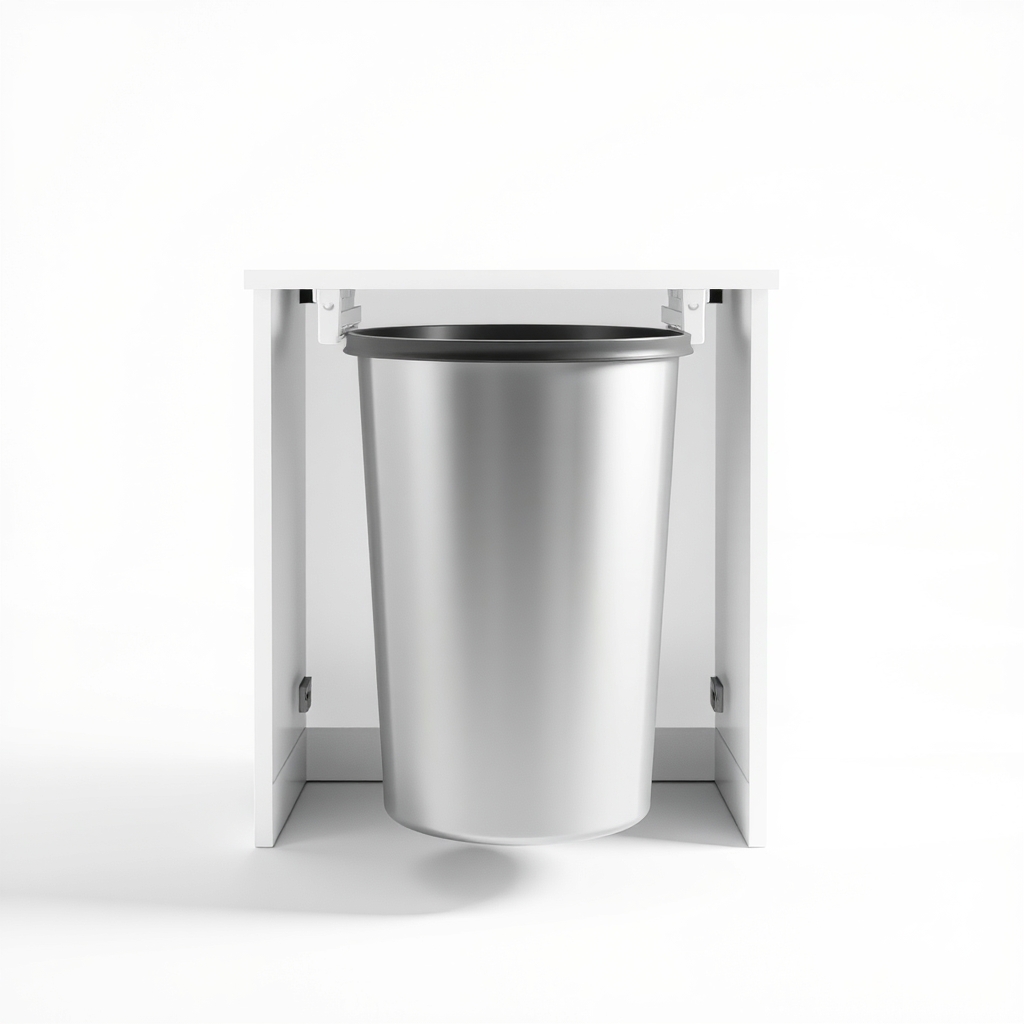
Under-cabinet pull-out trash can
Fixes: a bin in plain view with nowhere to go
Look for: A listed cabinet width that matches your inside width (many are made for standard 12 to 18 inch cabinets); Full-extension slides rated for the weight of the bin; A bin size that matches the bags you buy; A handle you can grab with a full hand.
- Who it's for
- People with a spare base cabinet at least 12 inches wide, and anyone tired of chasing a loose can.
- Honest downside
- The cabinet is packed with pipes, has a center rail you cannot remove, or the door opening is narrower than the bin.
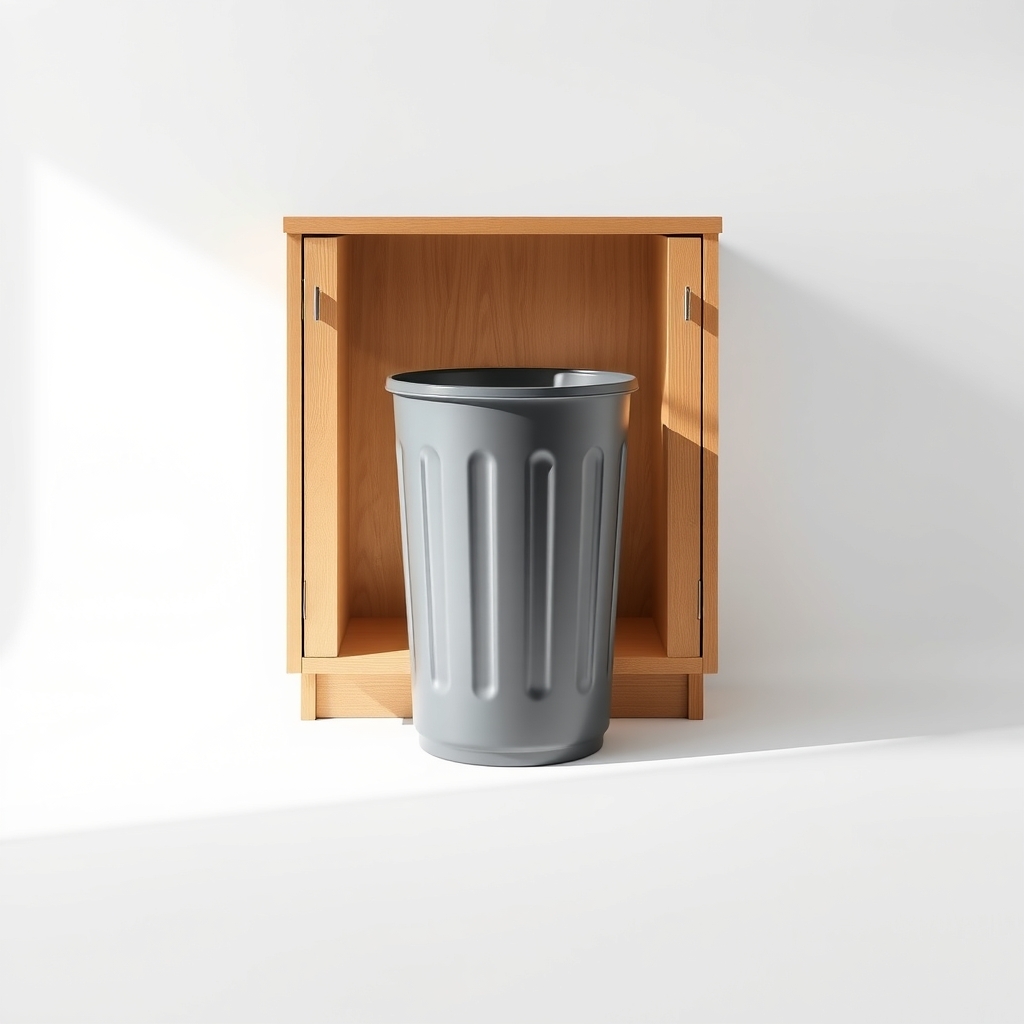
Cabinet-door trash can
Fixes: a hidden bin when you cannot install slides
Look for: Hooks or a bracket sized for your door thickness; A lid or flap so smells stay in; A small footprint so the cabinet floor stays free.
- Who it's for
- Renters, and anyone with a crowded under-sink cabinet.
- Honest downside
- You make a lot of trash. Hanging bins are small, and a heavy bag strains the door hinges.
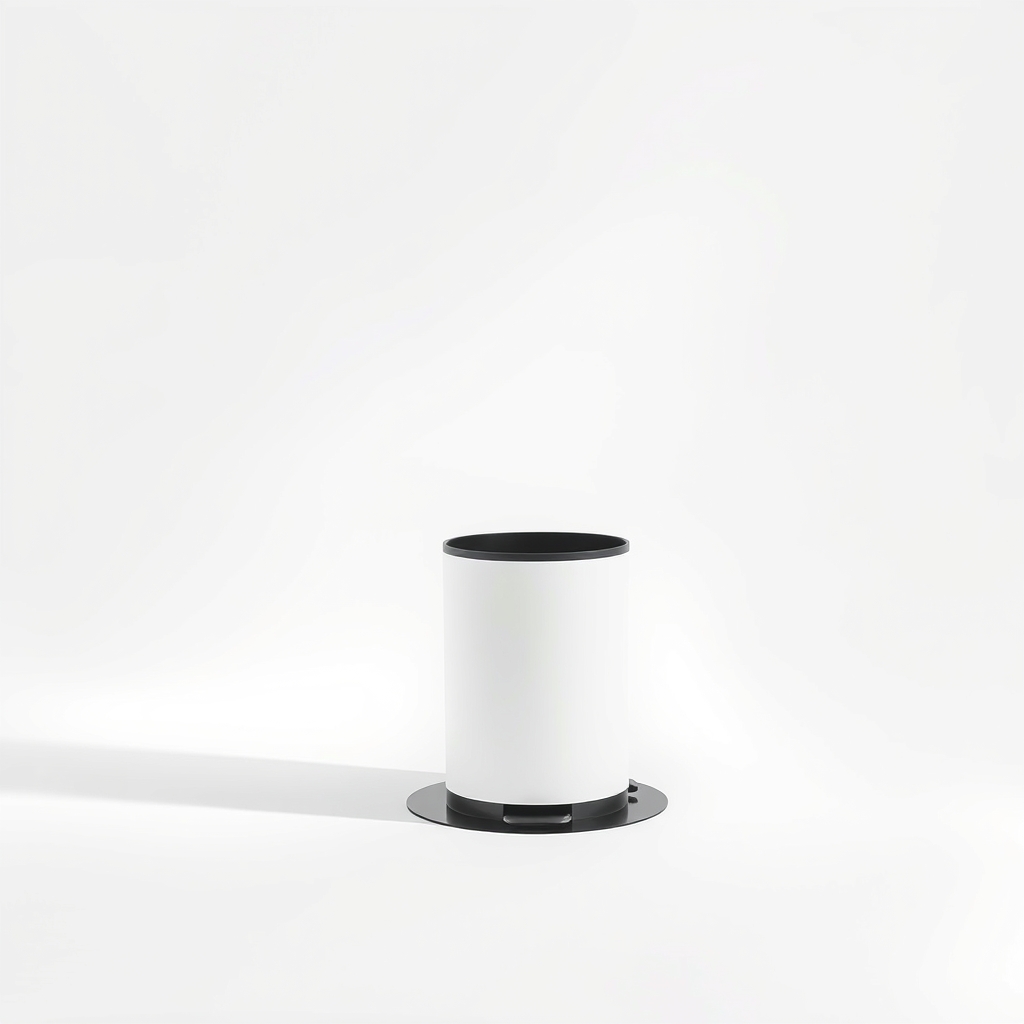
Trash can enclosure cabinet
Fixes: no cabinet to put a bin in
Look for: Room for your existing can; check the can size the listing allows; A lid or top that closes flat; A door or drawer front that opens fully.
- Who it's for
- Kitchens with no spare cabinet, or anyone who wants the can in a different spot.
- Honest downside
- Floor space is tight. An enclosure takes up as much room as the can, and then some.
As an Amazon Associate I earn from qualifying purchases. We don't show prices because they change, so use the button to see today's price.
How we picked: How we picked: this page is based on cabinet sizing guides, install instructions from pull-out bin makers, and the fit problems owners report in reviews. We do not test products by hand.
Match the setup to your layout
- Spare base cabinet, 12 inches or wider: a pull-out bin on slides.
- Crowded or under-sink cabinet: a bin that hangs inside the door.
- No spare cabinet at all: a freestanding enclosure, or a slim can in a pantry or a gap by the fridge.
What to skip
Cloth skirts and open baskets
Wrapping a can in a skirt or dropping it in a basket hides it only until the bag shows. It also blocks airflow, traps smells and gives flies a way in. Choose a setup with a lid or a closed cabinet door instead.
Frequently asked questions
How wide does a cabinet need to be for a pull-out trash can?
Can I put a pull-out trash can under the kitchen sink?
Will a hidden trash can make the kitchen smell?
How do I hide a trash can in a small kitchen with no extra cabinet?
Do I need to drill to install a pull-out trash can?
Related problems
 Free fix inside
Kitchen · Kitchen Trash Can
Kitchen Trash Can That Holds the Bag in Place: 3 Picks With a Grip Rim
Read the fix Free fix inside
Kitchen · Kitchen Trash Can Buying
No-Touch Kitchen Trash Can: What to Check Before You Buy
Read the fix Free fix inside
Kitchen · Kitchen Trash Can
Flies in the Kitchen Trash Can? Tight Lids and Habits That Stop Them
Read the fix Free fix inside
Kitchen · Kitchen Trash Can
Kitchen Trash Can Always Smells? Why It Happens and What Lasts
Read the fixAs an Amazon Associate I earn from qualifying purchases. Affiliate disclosure