Fridge Too Big for the Space? Measure These 4 Things First
Most fridge-fit trouble is depth, not width. Measure the four numbers below, then see when a counter-depth fridge is the fix that ends the jam.
By Jamilur Rahman Updated November 5, 2026 · 7 min read
- Time
- 20 min
- Cost
- $150+
- Difficulty
- Medium
In this guide
Quick answer
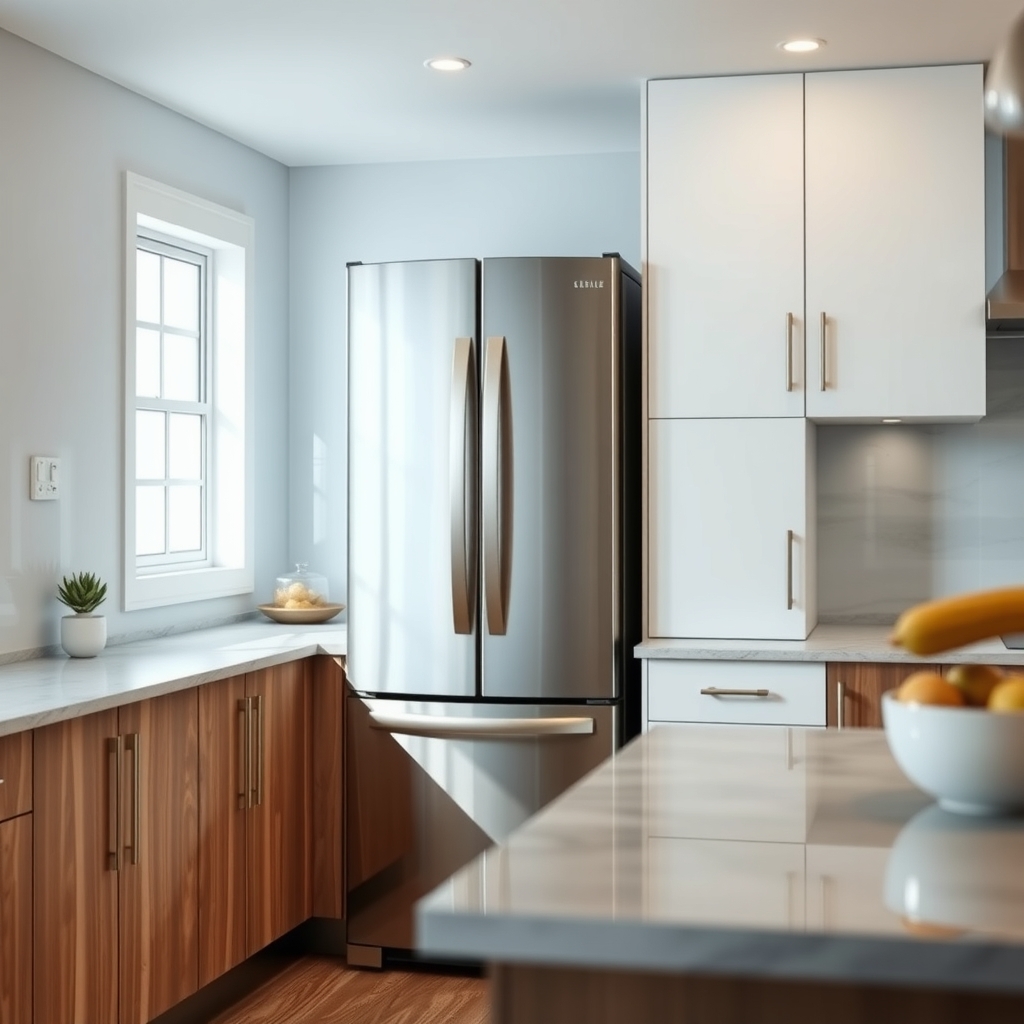
A fridge too big for the space almost always comes down to depth, not width: a standard fridge juts out past the counter and crowds the walkway. Measure the opening width, height, depth and door swing first, because the numbers show whether you need a different model at all. If the depth is the problem, a counter-depth fridge sits close to flush with the cabinets and is the fix that lasts.
Free fix vs. permanent fix
Measure, tape the footprint, test the fit
- Measure the opening width, height and depth
- Leave the gaps the install guide asks for, often about 1 inch
- Tape the footprint on the floor and open the door inside it
- Check the path from the front door to the kitchen
How long it lasts: It tells you exactly what fits. It cannot make a fridge that is too deep for the room any shallower.
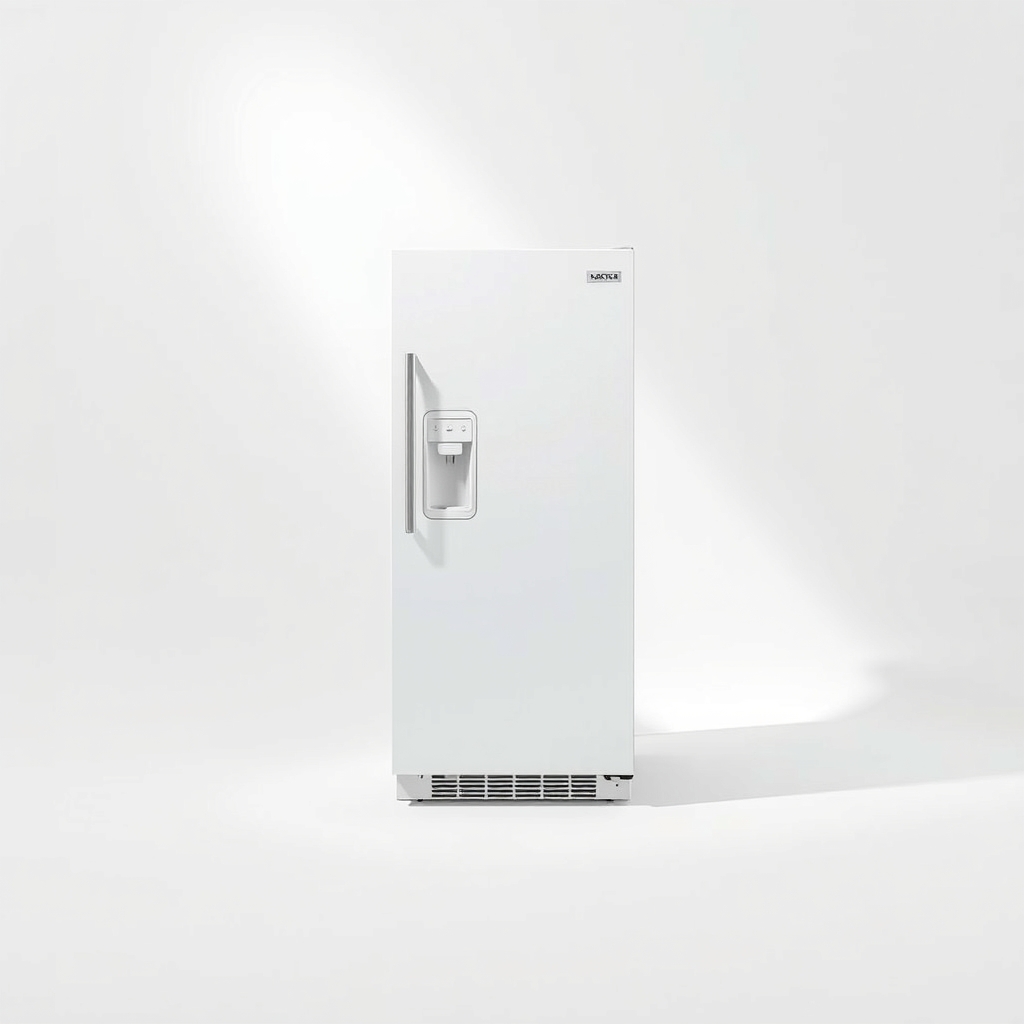
A counter-depth refrigerator
Counter-depth models are built shallower, so the body lines up closer to the front of your cabinets instead of sticking into the room. You give up some storage, but the kitchen stops feeling jammed. Measuring tells you what fits, and this is the model that fits.
What to get: Counter-depth refrigerator
How long it lasts: As long as the fridge itself, often 10 years or more.
As an Amazon Associate I earn from qualifying purchases.
What you'll need
-
Tape measure
A 25-foot locking tape works best for this
You have it -
Painter's tape
Masking tape works too. It marks the footprint without leaving residue
You have it -
Fridge install guide
Search the model number on the maker's site for the clearance numbers
Free - Our pick Illustration
Counter-depth refrigerator
For a fridge that sticks out past the cabinets
- Illustration
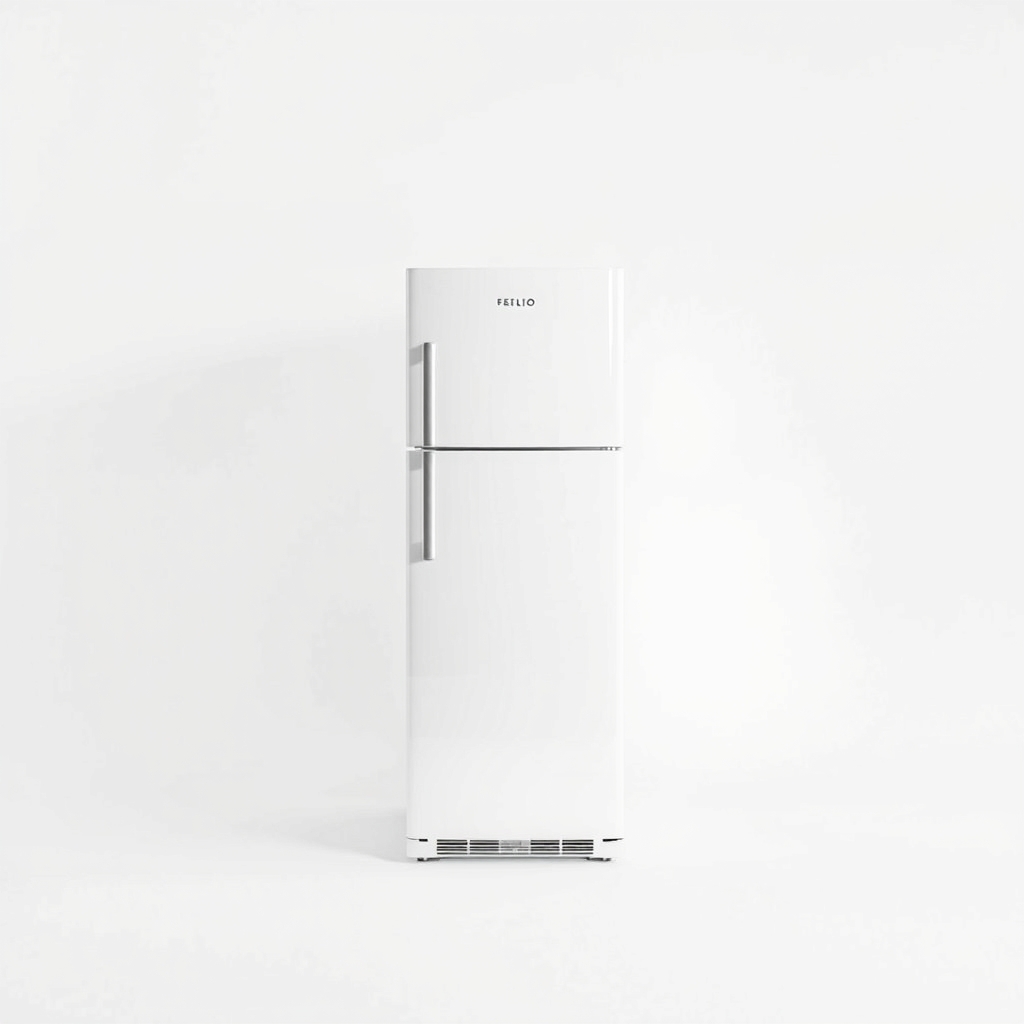
Narrow top-freezer refrigerator
For an opening that is too narrow for the fridge you have
Why it happens
Standard fridges are deeper than cabinets
Base cabinets are usually 24 inches deep. A standard fridge with its handles is often well past that, so it juts into the room and blocks the walkway.
The listed depth hides the handles
Many listings show the depth of the box only. Doors and handles add inches, and those inches are what you walk into.
No room left for air
A fridge sheds heat through its sides, top and back. Pushed into a tight gap, it can run hotter and harder, which is why makers list minimum clearances.
An opening that is smaller than it looks
Walls and cabinets are rarely square. The opening can be narrower at the top than the bottom, and trim can steal an inch or more.
Try this first (free)
Do these in order, starting with the simplest.
-
1. Measure the opening width in three spots
Tool used: Tape measureMeasure at the top, middle and bottom, then use the smallest number. Subtract about 1 inch for side clearance unless the install guide says otherwise.
-
2. Measure the height to the cabinet above
Tool used: Fridge install guideGo from the floor to the underside of the cabinet. Hinges stick up on some models, and the leveling feet can add height, so leave room overhead.
-
3. Measure the depth from the wall to the cabinet front
Tool used: Tape measureCompare it to the fridge depth with doors and handles included, not the box alone. Whatever passes the cabinet front is what sticks out.
-
4. Check the door swing
Open your current fridge door all the way. Does it hit a wall, an island or a cabinet? Drawers and shelves may need the door open past 90 degrees to slide out.
-
5. Tape the footprint on the floor
Tool used: Painter's tapeMark the new fridge's width and depth with tape. Open a cabinet and the oven door, then walk past. If you bump the tape, you will bump the fridge.
When free fixes aren't enough
If the opening is the right size but the fridge still sticks out past the counter, no measurement changes that, because the depth is built in. Pulling the fridge forward blocks the walkway and leaves a gap behind it. The signs the free steps will not hold: more than a few inches hang past the cabinet front, the door hits a wall or island, or you are thinking about cutting cabinets. A counter-depth fridge is built to the cabinet line. It stores less, so compare cubic feet with how you shop.
Buy the fix
Still stuck after the free fixes? These are the products we would look at.
| Pick | Product | Fixes | Who it's for | Buy |
|---|---|---|---|---|
| Best pick | Counter-depth refrigerator | a fridge that sticks out past the counter | Anyone whose opening is big enough but whose fridge juts into the room. | Check price |
| Budget pick | Narrow top-freezer refrigerator | an opening too narrow for a standard fridge | Renters and small kitchens with a narrow opening and a tight budget. | Check price |
| Upgrade pick | 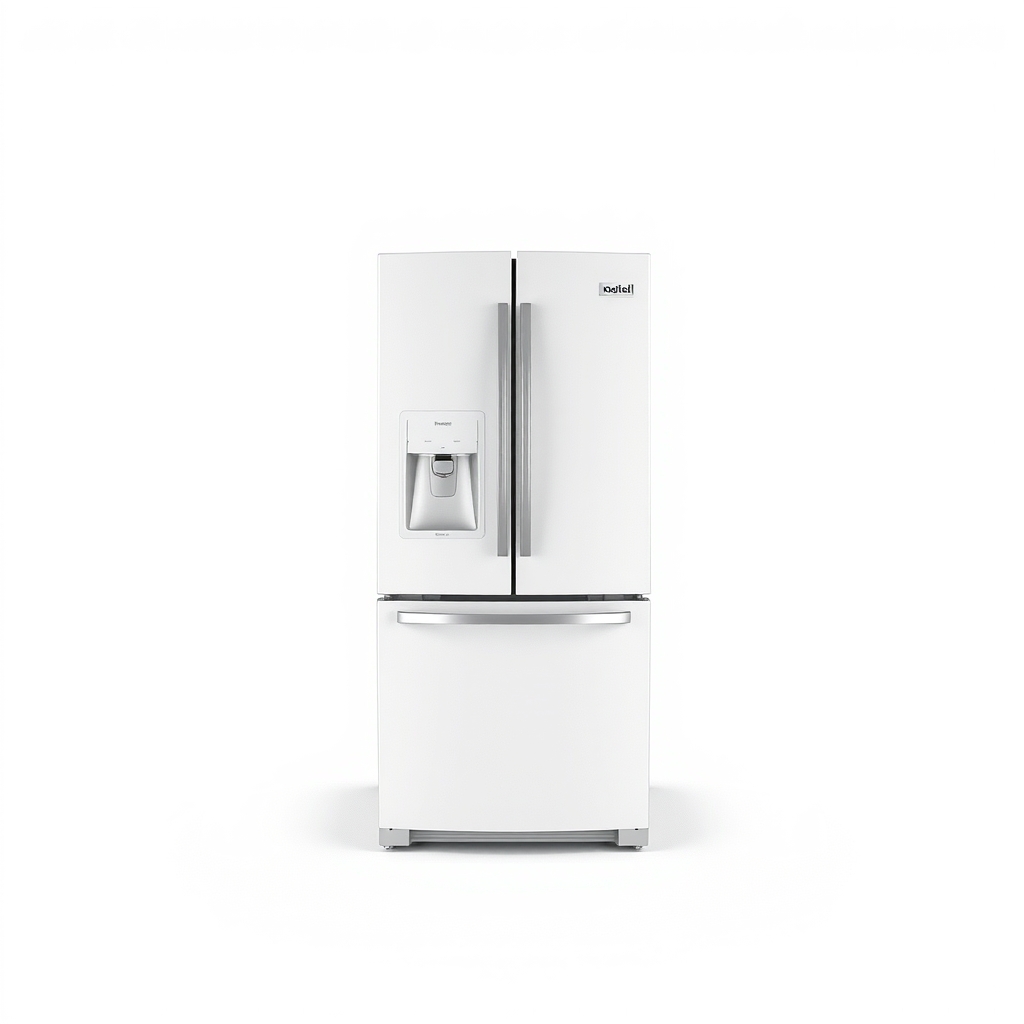 Counter-depth French-door refrigerator | a tight walkway and a door that has no room to swing | Larger households that want wide shelves in a shallow fridge. | Check price |
Counter-depth refrigerator
Fixes: a fridge that sticks out past the counter
Look for: A listed depth with doors and handles that fits your wall-to-cabinet number; Width and height at least 1 inch under your opening; Enough cubic feet for your household, since these hold less; A door swing that clears your walls and island.
- Who it's for
- Anyone whose opening is big enough but whose fridge juts into the room.
- Honest downside
- Your opening is too narrow or too short. Counter-depth only changes depth, so look at the narrow model instead.
Narrow top-freezer refrigerator
Fixes: an opening too narrow for a standard fridge
Look for: A listed width at least 1 inch under your opening; A reversible door so it opens toward the open side; A depth with handle that fits your wall-to-cabinet number; Adjustable shelves.
- Who it's for
- Renters and small kitchens with a narrow opening and a tight budget.
- Honest downside
- Depth is your problem. Many top-freezer models are not much shallower than other standard fridges, so check the depth line.
Counter-depth French-door refrigerator
Fixes: a tight walkway and a door that has no room to swing
Look for: Two narrow fridge doors that need less swing room; A listed depth with handles for the whole unit; A bottom freezer drawer you can reach; A water line check if it has an ice maker or dispenser.
- Who it's for
- Larger households that want wide shelves in a shallow fridge.
- Honest downside
- Your opening is under 36 inches wide or your budget is tight. This style is usually the priciest.
As an Amazon Associate I earn from qualifying purchases. We don't show prices because they change, so use the button to see today's price.
How we picked: How we picked: this page is based on refrigerator install guides and spec sheets from the makers, standard cabinet and clearance guidance, and what owners report in reviews about depth and door swing. We do not test products by hand.
Measure the path in, not just the spot
A fridge that fits the kitchen can still fail at the front door. Measure these before you order:
- Doorways: the narrowest one between the street and the kitchen.
- Hallways and turns: the fridge has to pivot, so check corners too.
- Stairs: count the steps and check the stair width.
Fridge doors can come off for a tight route, and delivery teams will often tell you if they can handle it.
Read the three depth numbers on the listing
Listings often show up to three depths: the box without doors, the depth with doors closed and the depth with handles. Use the biggest number, because that is what your walkway sees. Do the same for height, where hinges can add to the number.
What to skip
Jamming it in or cutting cabinets
Wedging a fridge against the wall and sides leaves no room for air, which can make it run hotter and harder. Cutting a cabinet to fit is permanent and costs more than the right fridge. Measure first and buy the size that fits.
Frequently asked questions
How much space does a fridge need around it?
What is the difference between counter-depth and standard-depth?
Do counter-depth fridges hold less?
Can I take the doors off to make a fridge fit?
Related problems
 Free fix inside
Kitchen · Freezer
Freezer Too Full? Bins That Make Room Without a Bigger Freezer
Read the fix Free fix inside
Kitchen · Stove
Stove Top Covers: Get Counter Space Back in a Small Kitchen
Read the fix Free fix inside
Kitchen · Fridge
Fridge So Loud? Buzzing, Humming, and Rattling Fixes to Try Tonight
Read the fix Free fix inside
Small Spaces & Storage · Small Kitchen
Small Kitchen With No Pantry? Freestanding Options That Fit
Read the fixAs an Amazon Associate I earn from qualifying purchases. Affiliate disclosure