Office Chair Too Deep? Lumbar Cushions That Shorten the Seat
When the seat is too long, the edge digs into your knees or you slouch forward. A firm cushion at your back shortens the seat and holds you upright.
By Jamilur Rahman Updated November 5, 2026 · 6 min read
- Time
- 10 min
- Cost
- $20-$50
- Difficulty
- Easy
In this guide
Quick answer
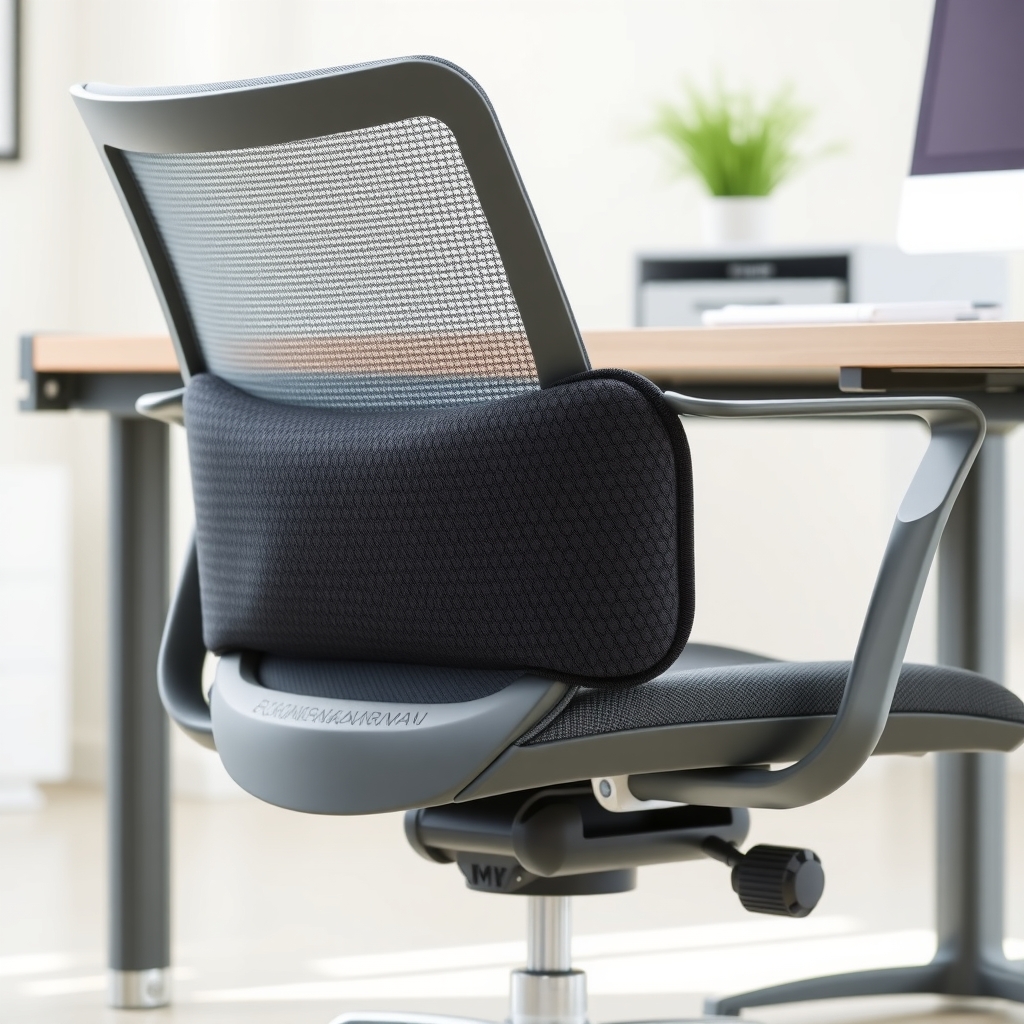
If your office chair is too deep, the seat edge presses behind your knees or you slide forward and slouch to avoid it. A firm lumbar cushion between your lower back and the backrest pushes your hips forward, so the usable seat gets shorter and your back stays supported. First try the chair's own seat-depth slider if it has one, or a rolled towel as a test.
Free fix vs. permanent fix
A rolled towel and a seat-depth check
- Check for a seat-depth slider under the seat
- Roll a bath towel and strap or tuck it at your lower back
- Leave about 2 to 4 fingers between the seat edge and the back of your knees
How long it lasts: A few days. A rolled towel slips and sags, and it will not hold a fixed spot on the backrest.
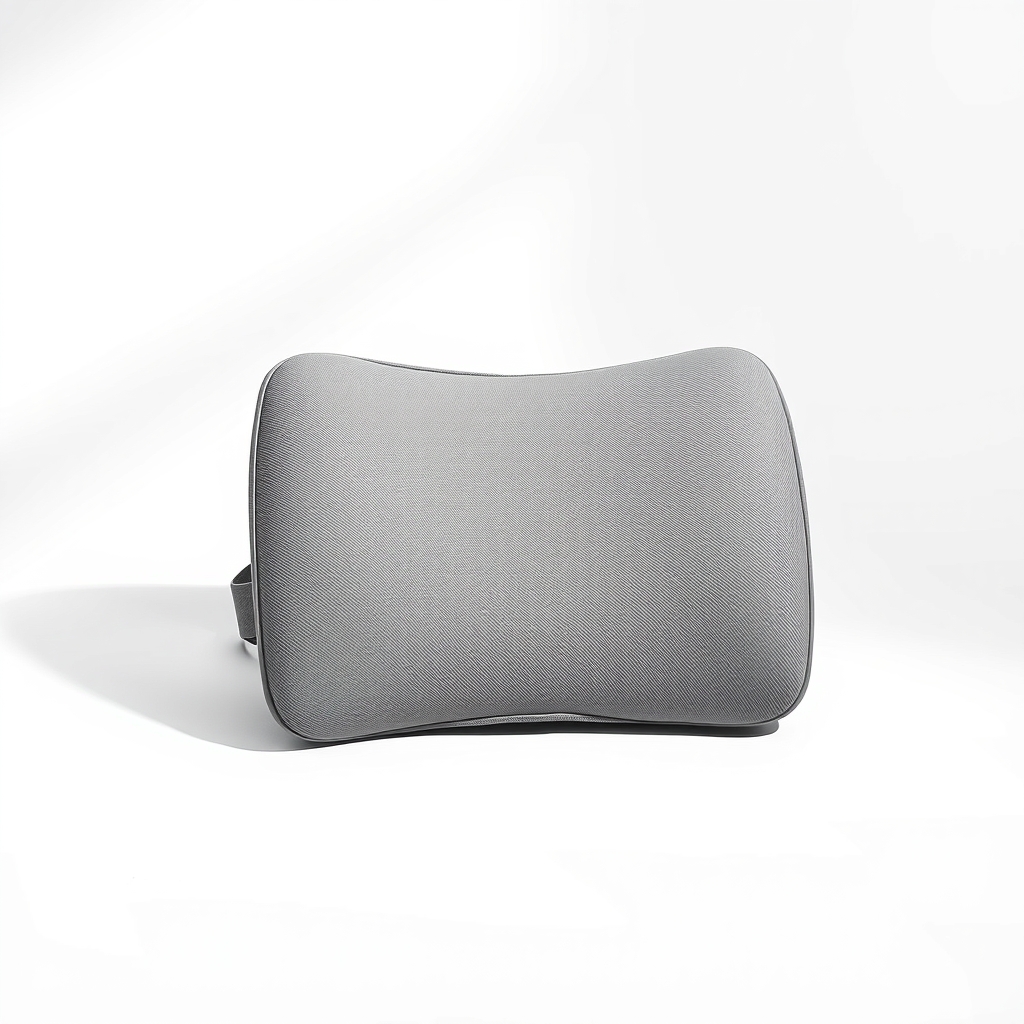
A firm lumbar support cushion
A firm, thick lumbar cushion fills the gap at your lower back and holds you forward on the seat. A towel does that for an afternoon. A cushion with a strap does it every day without sliding.
What to get: Firm lumbar support cushion with strap
How long it lasts: Years. It stays where you strap it and keeps its shape.
As an Amazon Associate I earn from qualifying purchases.
What you'll need
-
Bath towel and rubber band or belt
A rolled towel to test how much cushion you need
You have it - Our pick Illustration
Firm lumbar support cushion
Thick enough to move your hips forward, with a strap
- Illustration
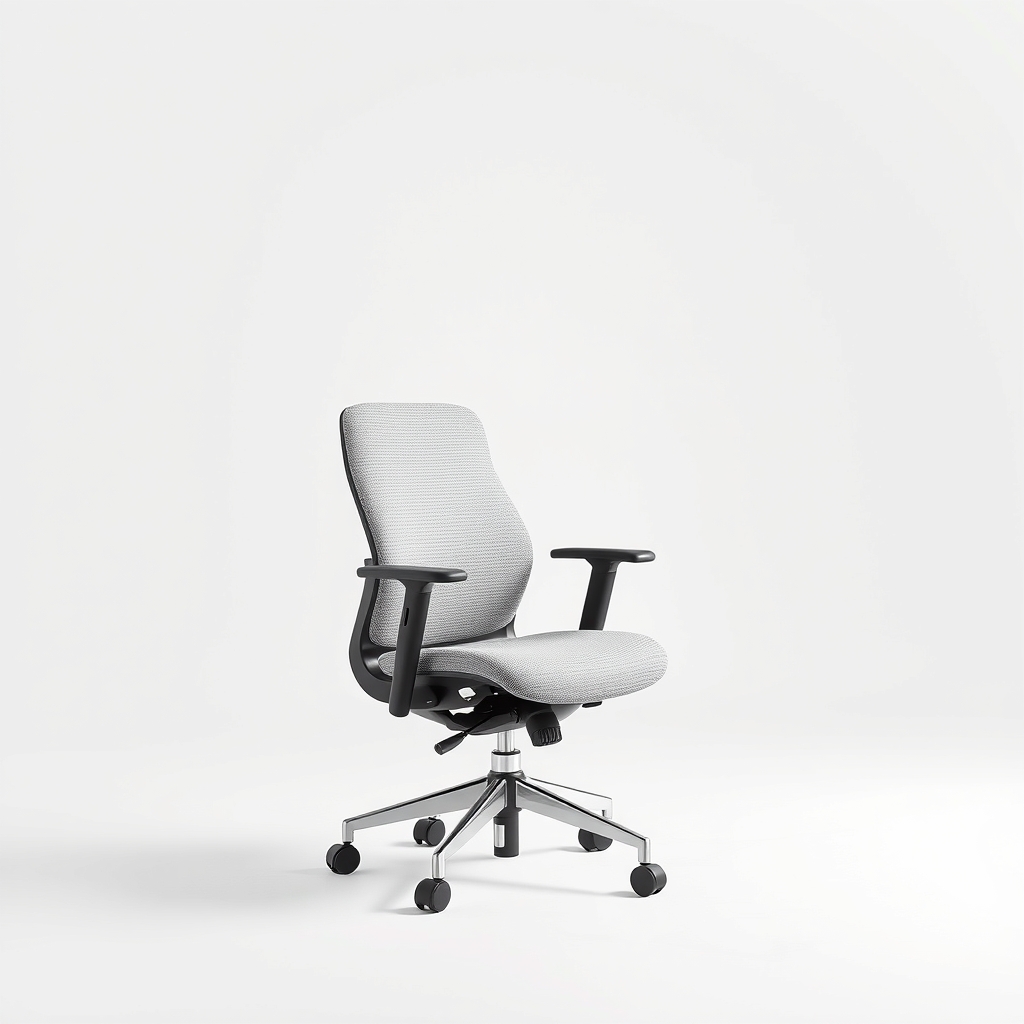
Ergonomic chair with adjustable seat depth
For when no cushion can make the chair fit
Why it happens
The seat is longer than your thighs
Many chairs are built for a taller user. If you are shorter, the seat edge reaches your knees before your back reaches the backrest.
No seat-depth adjustment
Basic and budget chairs have a fixed seat. Only better chairs let you slide the seat forward or back.
Sitting forward to avoid the edge
If the edge digs in, you scoot forward, away from the backrest, and your lower back loses support. Over a long day, that can leave you sore.
A backrest with no lumbar curve
A flat backrest gives your lower back no support, which makes it easy to slump and slide forward.
Try this first (free)
Do these in order, starting with the simplest.
-
Check how deep the seat is for you
Sit all the way back with your hips against the backrest. You should be able to fit about 2 to 4 fingers between the seat edge and the back of your knees. Less than that means the seat is too deep.
-
Look for a seat-depth control
Check under the seat for a lever or a slider that moves the seat forward and back. If your chair has one, shift it so the seat is shorter, then retest.
-
Test with a rolled towel
Tool used: Bath towel and rubber band or beltRoll a bath towel to about 3 to 4 inches thick and secure it with a rubber band or belt. Position it at the curve of your lower back and sit back against it. If your knees now have room, a cushion will work.
-
Swap the towel for a firm lumbar cushion
Tool used: Firm lumbar support cushionStrap it to the backrest at belt height. Sit all the way back and check that the gap behind your knees is now 2 to 4 fingers.
IllustrationCheck price on AmazonTool for this step
Firm lumbar support cushion · Thick enough to move your hips forward, with a strap
-
Check your feet and desk height
Feet should rest flat on the floor, with knees about level with your hips. If they dangle, add a footrest. See the related page on desk height.
When free fixes aren't enough
A towel is a good test, but it will not stay put through a working day. Once the test shows a cushion helps, a strapped, firm cushion does the same job all day without readjusting. If the cushion still cannot make the chair fit, the seat is simply too deep for your legs, or the cushion is pushing you too upright. Then a chair with an adjustable seat is worth it. Numbness in your thighs, or back pain that spreads down a leg, is worth discussing with a doctor.
Buy the fix
Still stuck after the free fixes? These are the products we would look at.
| Pick | Product | Fixes | Who it's for | Buy |
|---|---|---|---|---|
| Best pick | Firm lumbar support cushion with strap | a seat that is too deep, plus the lack of lower-back support that makes you slouch | Shorter people or anyone whose knees hit the seat edge, on a chair with no seat-depth adjustment. | Check price |
| Upgrade pick | Ergonomic office chair with adjustable seat depth | a chair that is the wrong size for your body, with adjustments built in | Someone who sits for most of the day and whose current chair cannot be adjusted to fit. | Check price |
Firm lumbar support cushion with strap
Fixes: a seat that is too deep, plus the lack of lower-back support that makes you slouch
Look for: Firm foam that does not collapse under your back; A depth of about 3 to 4 inches at its thickest point, to move you forward; An adjustable strap that holds it in place; A shape that fits the curve of your lower back, not a wedge.
- Who it's for
- Shorter people or anyone whose knees hit the seat edge, on a chair with no seat-depth adjustment.
- Honest downside
- The backrest is already very curved or your chair has a built-in lumbar adjustment that fits you. A cushion on top can push you too far forward.
Ergonomic office chair with adjustable seat depth
Fixes: a chair that is the wrong size for your body, with adjustments built in
Look for: A seat-depth slider or sliding seat; Adjustable lumbar support; Seat height range that fits your leg length; A return period in case the fit is not right.
- Who it's for
- Someone who sits for most of the day and whose current chair cannot be adjusted to fit.
- Honest downside
- A cushion already solves it. A new chair is a bigger spend than you need.
As an Amazon Associate I earn from qualifying purchases. We don't show prices because they change, so use the button to see today's price.
How we picked: How we picked: this page is based on office ergonomics guidance on seat depth and lumbar support and what owners report in reviews of lumbar cushions. We do not test products by hand.
How to tell the chair is the problem
- Knees hit the seat edge: the seat is too deep, or too high for your legs.
- You scoot forward and slump: the backrest is too far back to reach comfortably.
- Thighs tingle or go numb: the front edge presses on the back of the thigh. Fix it, and see a doctor if it continues.
What to skip
Thick seat cushions that raise you up
A cushion under you lifts you away from the desk and can leave your feet dangling. It does not shorten the seat. Work at the back of the chair, not under it.
Frequently asked questions
How deep should an office chair seat be?
Will a lumbar cushion really fix a seat that is too deep?
Where should the lumbar cushion sit?
Is a towel as good as a lumbar cushion?
Related problems
 Free fix inside
Home Office & Cables · Desk Setup
Desk Too High for Your Chair? A Footrest Evens It Out
Read the fix Free fix inside
Home Office & Cables · Office Chair Comfort
Office Chair Too Slippery? Grip Covers That Keep You in Place
Read the fix Free fix inside
Home Office & Cables · Desk Setup
How to Fix Your Desk Setup for Better Posture: Riser and Stand Picks
Read the fix Free fix inside
Home Office & Cables · Chair Buying
Office Chair Not Ugly: Comfortable Picks That Don't Look Corporate
Read the fixAs an Amazon Associate I earn from qualifying purchases. Affiliate disclosure