Desk Too High for Your Chair? A Footrest Evens It Out
When the desk sits higher than your chair suits, your shoulders rise or your feet dangle. Raise the chair, then support your feet with a footrest.
By Jamilur Rahman Updated November 5, 2026 · 7 min read
- Time
- 20 min
- Cost
- $20-$50
- Difficulty
- Easy
In this guide
Quick answer
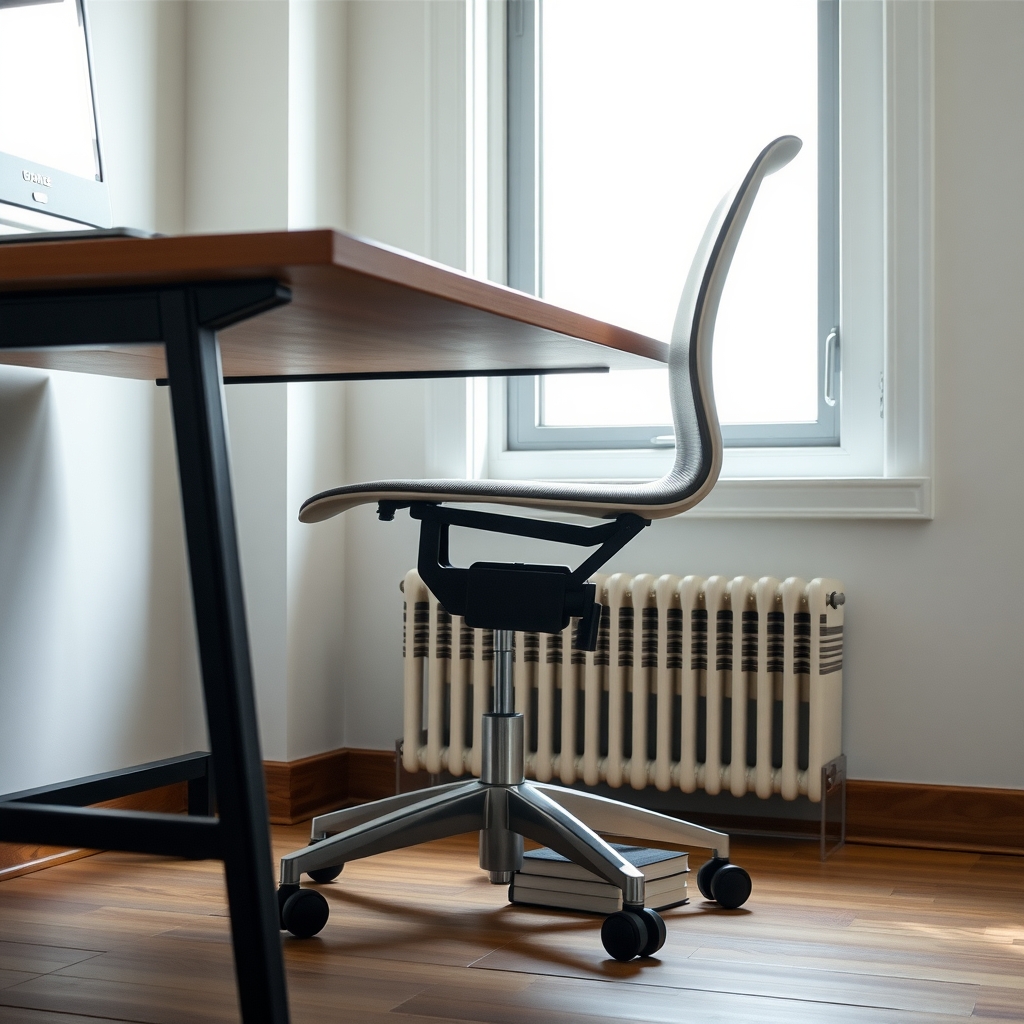
If your desk feels too high, your chair is usually too low for it. Raise the seat until your forearms rest level with the keyboard, then support your feet so your thighs do not press into the seat edge. A stack of books works for a day. An adjustable footrest does the job every day, and it does not slide away.
Free fix vs. permanent fix
Raise the chair, prop your feet on a box
- Raise the seat until your elbows sit at about 90 degrees at the keyboard
- Lower a standing desk to the same elbow height, if it adjusts
- Prop your feet on a sturdy box or a stack of books
- Add a firm cushion only if the seat still tops out too low
How long it lasts: Fine for a day or two. A box or books slide, cannot tilt and feel hard under your feet.
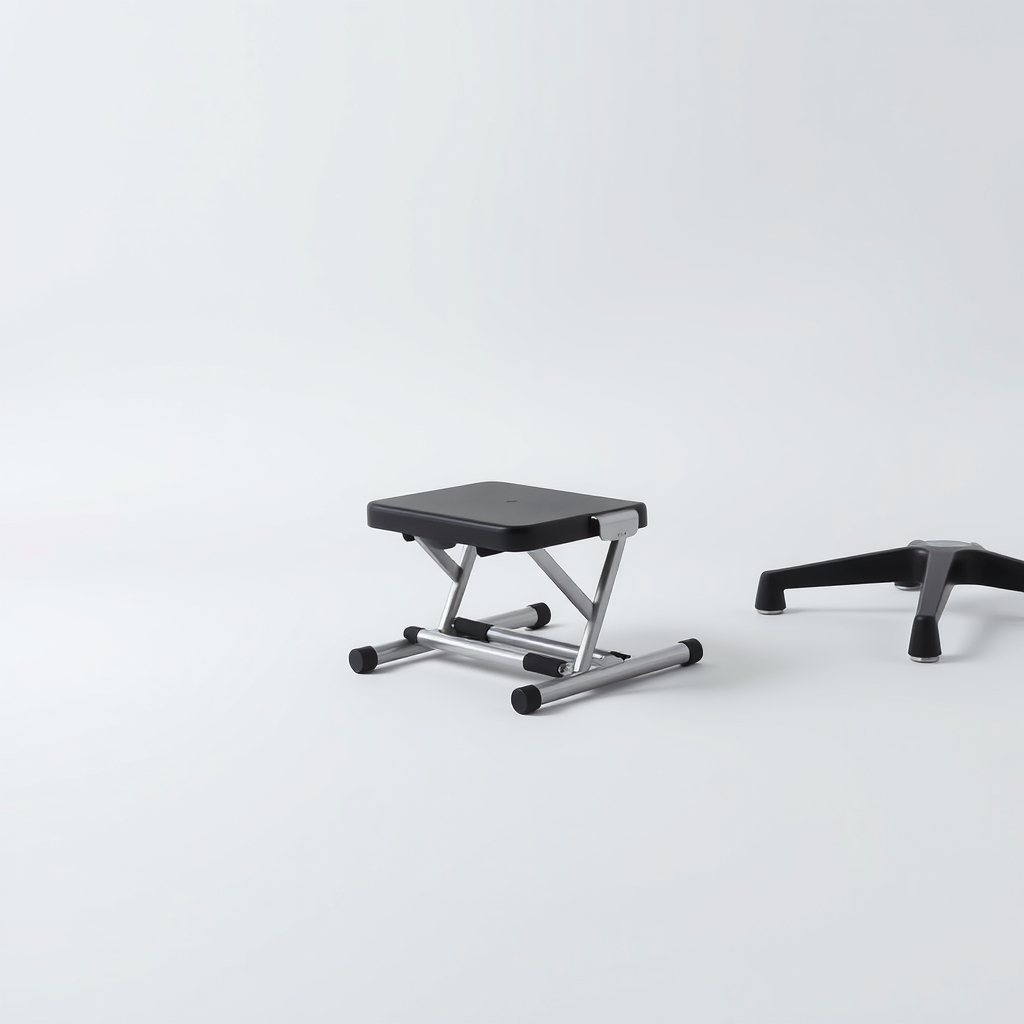
An adjustable under-desk footrest
Raising the chair gets your arms right but leaves your feet in the air. A footrest fills that gap, so your thighs rest level on the seat and your lower back stays supported. An adjustable one lets you change height and angle, which a box cannot.
What to get: Adjustable under-desk footrest
How long it lasts: Every workday for years. You set the height and angle once, and it stays put.
As an Amazon Associate I earn from qualifying purchases.
What you'll need
-
Tape measure
To measure elbow height and the gap under your feet
You have it -
Sturdy box or stack of books
A stand-in footrest; make sure it cannot slide or tip
Free -
Firm seat cushion
Only if the chair cannot go high enough
You have it - Our pick Illustration
Adjustable under-desk footrest
Height and tilt adjustment are the features that matter
- Illustration
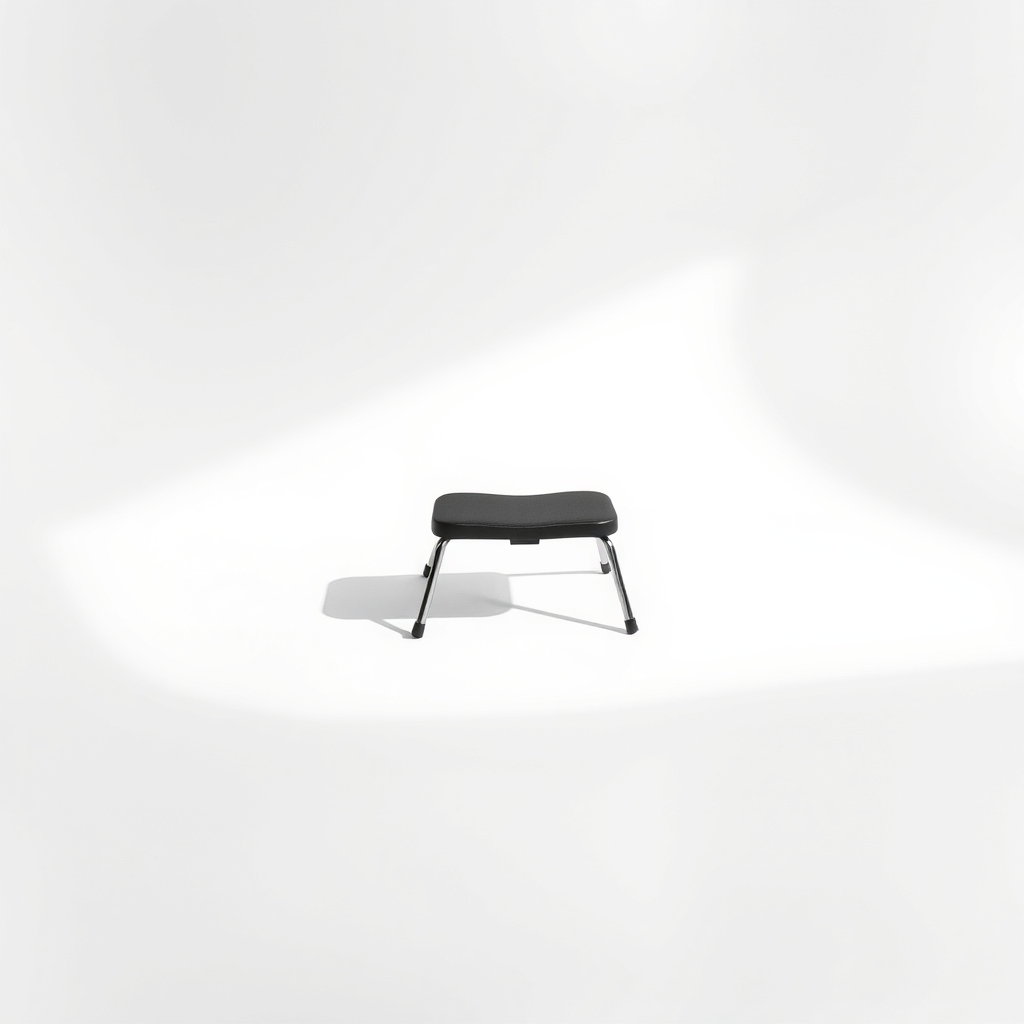
Basic fixed-angle footrest
A simple version if you know the height you need
Why it happens
A fixed-height desk set for taller users
Many standard desks sit at about 29 to 30 inches (74 to 76 cm). That suits an average-height adult. If you are shorter, the desk is too high for you.
A chair that does not go high enough, or has sunk
Some chairs top out below the height you need. A worn gas lift cylinder also lets the seat sink over the day, so the desk feels higher by afternoon.
A standing desk left too high, or one that cannot go low
Sit-stand desks are often left at the last standing height. Some models also have a minimum height that is too high for a shorter user.
Armrests that block the desk edge
If the armrests hit the desk, you sit farther away and reach up and forward. That makes the desk feel higher than it is.
Try this first (free)
Do these in order, starting with the simplest.
-
Find your elbow height
Tool used: Tape measureSit with your feet flat and shoulders relaxed, and bend your elbows to about 90 degrees. Measure from the floor to your forearms. The keyboard should sit at that height.
-
Raise the chair to match
Lift the seat until your forearms rest level with the keyboard. If the seat sinks within hours, the gas lift is failing and needs replacing.
-
Lower the desk if it moves
On a standing desk, drop it to a sitting height that matches your elbows and save it to a memory button. Check the minimum height in the manual. If it will not go low enough, raise the chair instead.
-
Support your feet
Tool used: Sturdy box or stack of booksOnce the chair is high, your feet may dangle. Place a sturdy box or a stack of books under the desk so your feet rest flat and your thighs are roughly level. Use something that will not slide.
-
Use a firm cushion only if you must
Tool used: Firm seat cushionIf the chair stops below the height you need, a firm cushion adds an inch or two. A soft one sinks and tilts you, so skip it.
When free fixes aren't enough
A box works for a test, but it slides when you shift, cannot tilt your ankles and gets in the way. If you sit at the desk for hours, or the stack keeps wandering, you need a fixed footrest. An adjustable one has a non-slip base, a height setting and often a tilt, so your legs are supported the same way every day. Watch for pressure behind your knees, numb legs or aching shoulders. If pain or numbness does not ease after you adjust your setup, see a doctor.
Buy the fix
Still stuck after the free fixes? These are the products we would look at.
| Pick | Product | Fixes | Who it's for | Buy |
|---|---|---|---|---|
| Best pick | Adjustable under-desk footrest | dangling feet and pressure under the thighs when the chair is raised to match a high desk | Anyone who had to raise the chair to reach the desk, or whose standing desk will not go low enough. | Check price |
| Budget pick | Basic fixed-angle footrest | feet in the air, at the lowest price | People who know the exact height they need and do not want to adjust it. | Check price |
| Upgrade pick | 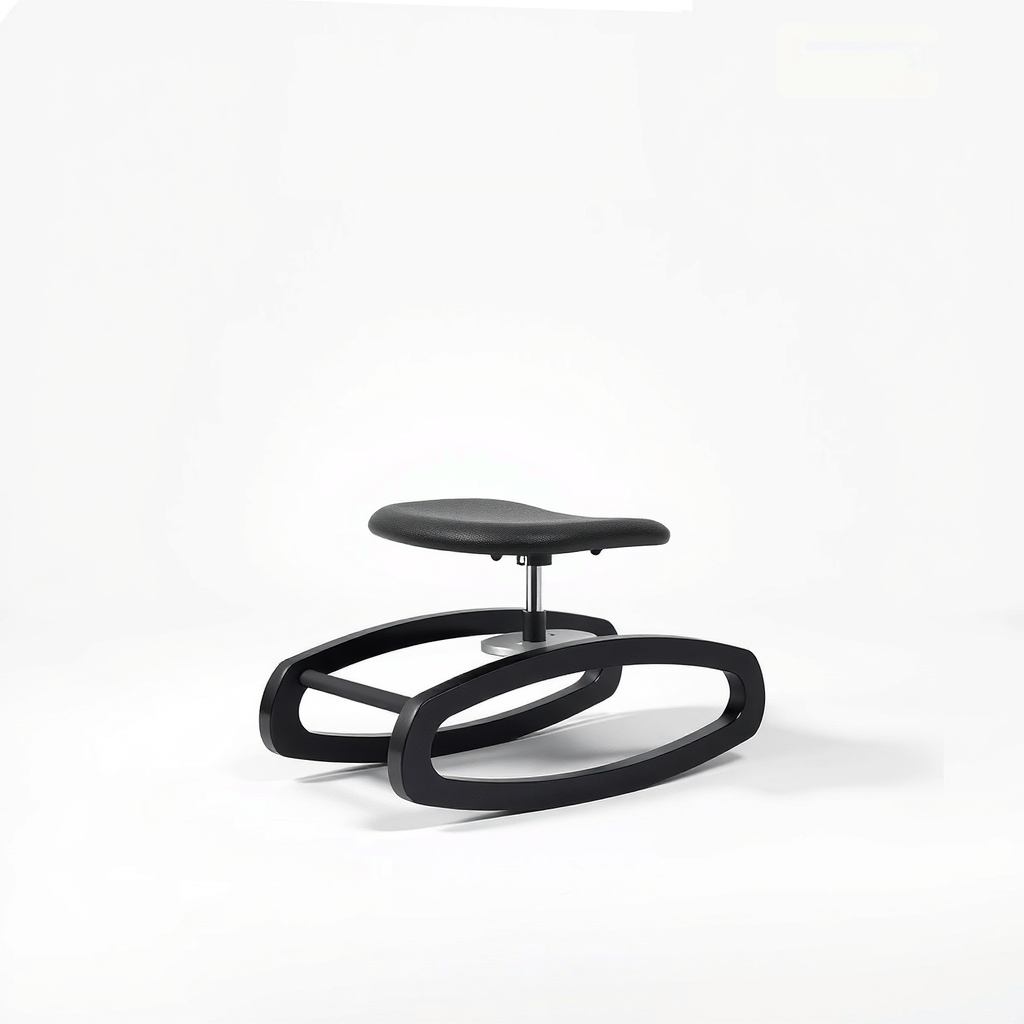 Rocking under-desk footrest | stiff ankles and tired legs from holding one position | People who sit for long stretches and like to move their feet. | Check price |
Adjustable under-desk footrest
Fixes: dangling feet and pressure under the thighs when the chair is raised to match a high desk
Look for: Height adjustment that covers the gap between your feet and the floor; A tilt option, so your ankles are not locked at one angle; A non-slip bottom and a textured top; A platform wide enough for both feet.
- Who it's for
- Anyone who had to raise the chair to reach the desk, or whose standing desk will not go low enough.
- Honest downside
- Your feet already rest flat, or the desk adjusts low enough that you do not need to raise the chair. Lower the desk instead.
Basic fixed-angle footrest
Fixes: feet in the air, at the lowest price
Look for: A height close to the gap you measured; Rubber feet that stay put on carpet or hardwood; A surface that is not slippery in socks.
- Who it's for
- People who know the exact height they need and do not want to adjust it.
- Honest downside
- More than one person uses the desk, or you want to change your posture through the day.
Rocking under-desk footrest
Fixes: stiff ankles and tired legs from holding one position
Look for: A smooth rocker that moves with your feet, not a wobbly platform; Height adjustment, not just a fixed angle; A wide, non-slip base.
- Who it's for
- People who sit for long stretches and like to move their feet.
- Honest downside
- You want a firm, fixed platform, or you have balance problems. A rocking base moves under you.
As an Amazon Associate I earn from qualifying purchases. We don't show prices because they change, so use the button to see today's price.
How we picked: How we picked: this page is based on desk ergonomics guides from workplace safety groups, footrest sizing instructions, and the problems and fixes owners report in reviews. We do not test products by hand.
A 60-second setup check
- Feet: flat on the floor or a footrest.
- Knees: about level with your hips, or slightly lower.
- Seat edge: two or three fingers of space behind your knees.
- Elbows: bent at about 90 degrees, shoulders relaxed.
- Screen: the top edge at or just below eye level.
What to skip
Soft cushions and stacked pillows on the seat
A soft stack sinks under you, tilts your hips and puts pressure behind your knees. Use a firm cushion at most, and fix the gap at your feet with a footrest instead.
Frequently asked questions
Why is my desk too high when I sit?
My office chair is too low for my desk. What can I do?
My office chair is too short even at its highest setting. Now what?
My standing desk is too high when I am sitting. How do I fix it?
How high should a desk be?
Related problems
As an Amazon Associate I earn from qualifying purchases. Affiliate disclosure