Mop Leaving Streaks? Too Much Cleaner Is the Usual Reason
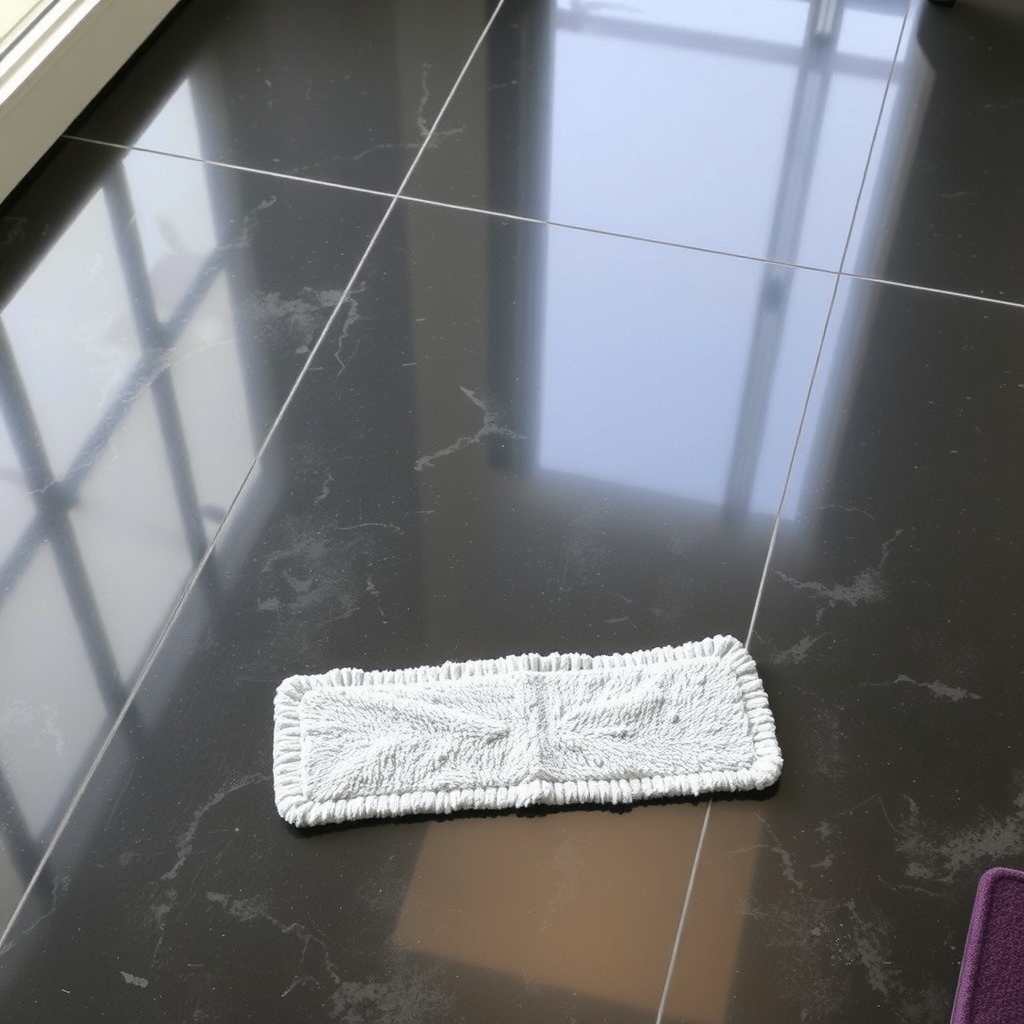
Extra cleaner and gray mop water dry into streaks. Use less, rinse the floor and buff it dry; a low-residue cleaner keeps it clear.
By Jamilur Rahman Updated November 5, 2026 · 6 min read
- Time
- 20 min
- Cost
- Under $20
- Difficulty
- Easy
In this guide
Quick answer
Why is my mop leaving streaks? Most often it is too much cleaner: the extra soap dries into a film, and gray mop water smears it around. Use about half the cleaner, change your water or pad as soon as it looks dirty, and buff the floor dry. If streaks keep coming back, a low-residue streak-free hard floor cleaner is the easy way to stop them.
Free fix vs. permanent fix
Rinse, cut the cleaner, buff dry
- Mop once with plain warm water to lift the old film
- Use about half the cleaner you were using
- Change the water or pad when it turns gray
- Buff any damp spots with a dry microfiber cloth
How long it lasts: Clears today's streaks. They return if you keep using too much cleaner or dirty water.
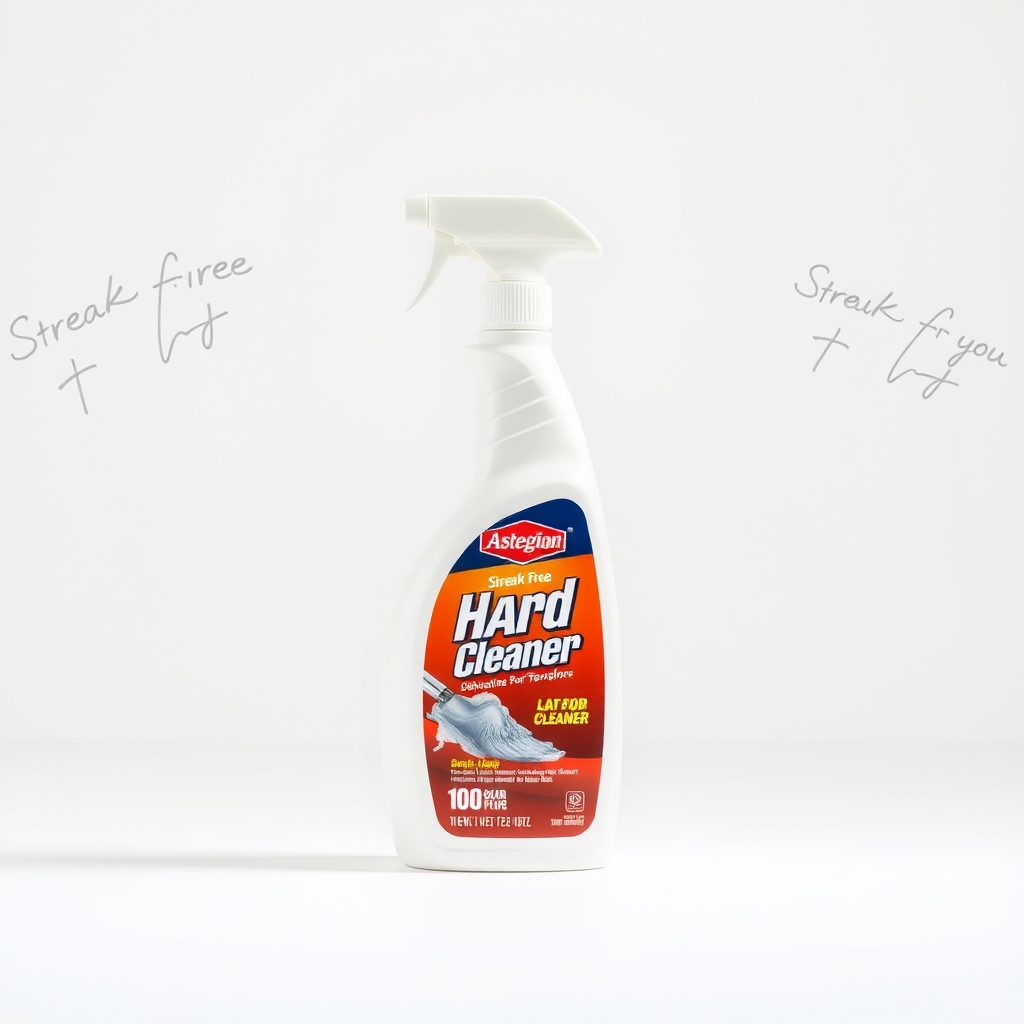
A streak-free hard floor cleaner
Many all-purpose and heavily scented cleaners leave soap on the floor. A cleaner made for hard floors is formulated to dry with little residue, so a slightly heavy hand does not cloud the floor. The free steps clear the old film. The right cleaner keeps it from building up again.
What to get: Streak-free hard floor cleaner
How long it lasts: Every mop day. A low-residue formula leaves little behind to dry into a film.
As an Amazon Associate I earn from qualifying purchases.
What you'll need
-
Bucket
Use two if you can: one for cleaner, one for rinsing the mop
You have it -
Dry microfiber cloth
For buffing streaks away
You have it -
Plain warm water
Used for the first rinse pass that strips the old film
Free - Illustration
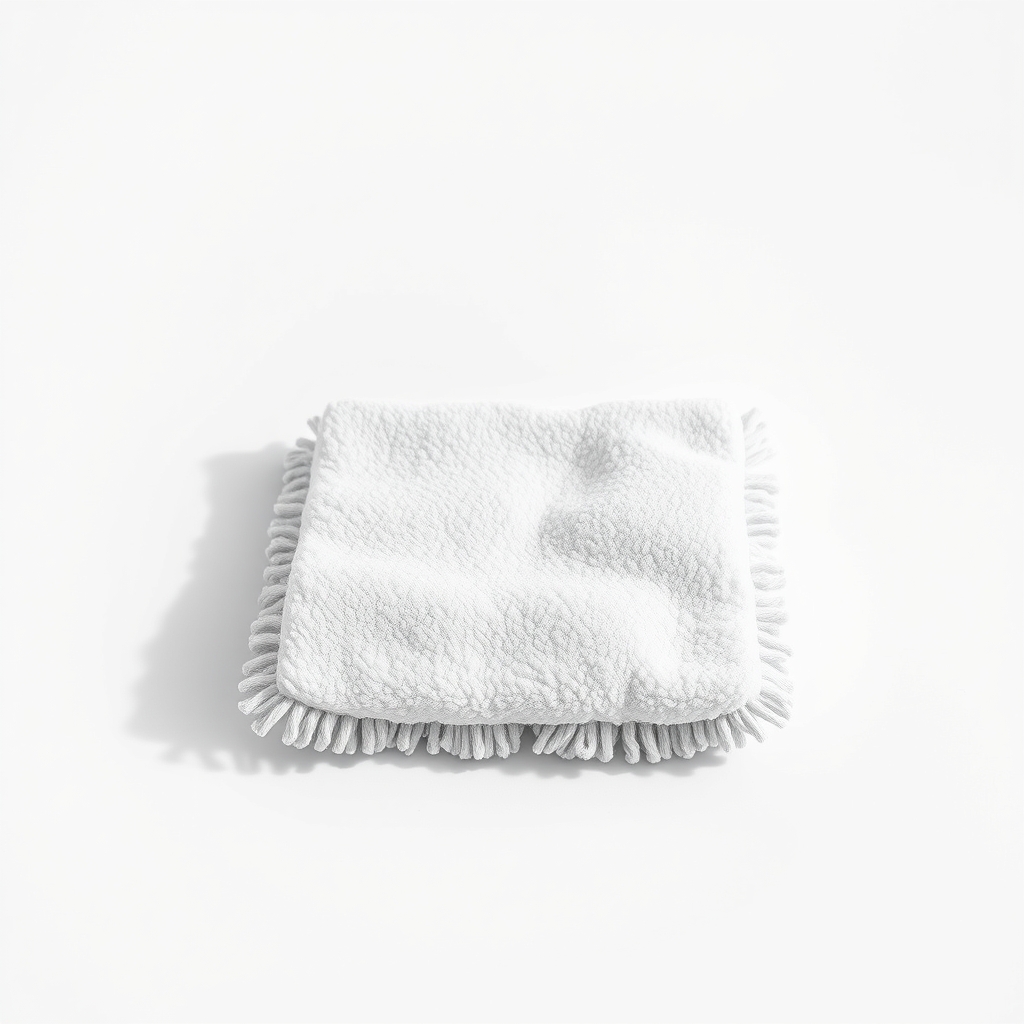
Spare microfiber mop pads
Lets you start every room with a clean pad
- Our pick Illustration
Streak-free hard floor cleaner
The easy fix if your current cleaner leaves a haze
Why it happens
Too much cleaner
Labels call for a small amount per gallon. Extra soap does not clean better. It dries as a cloudy film, and every new mop pass adds another layer.
Dirty water or a dirty mop head
Gray water just moves grime around and dries into streaks. A pad full of old soap and dirt does the same, even with fresh water.
Hard water minerals
In hard water areas, minerals dry as white spots and lines. They show most on dark tile, laminate and glossy floors.
Mopping too wet, or the wrong cleaner
Puddles dry slowly and unevenly, which leaves tide lines. Some oil soaps and wax-style cleaners also leave a film on sealed floors.
Try this first (free)
Do these in order, starting with the simplest.
-
1. Sweep or vacuum first
Dust and grit turn to mud in the water and drag across the floor. Pick up loose dirt before any water touches the floor.
-
2. Strip the old film with a plain-water pass
Tool used: BucketMop the whole floor once with clean warm water and no cleaner. For white haze on sealed tile or vinyl, add about 1/2 cup of white vinegar to a gallon of warm water. Skip vinegar on natural stone and on waxed or unfinished wood.
-
3. Use half the cleaner
Measure it instead of pouring by eye, and cut it by about half. If the floor still looks clean once dry, you can go lower.
-
4. Wring well and work in sections
Tool used: Spare microfiber mop padsWring the mop until it is damp, not dripping. Work in small sections so each one dries in a minute or two. Swap the water or the pad the moment it turns gray.
IllustrationCheck price on AmazonTool for this step
Spare microfiber mop pads · Lets you start every room with a clean pad
-
5. Buff streaks while still damp
Tool used: Dry microfiber clothGo over streaky spots with a dry microfiber cloth in long strokes while the floor is slightly damp. Streaks that already dried come off with a barely damp cloth.
-
6. Switch cleaners if it keeps happening
Tool used: Streak-free hard floor cleanerIf the streaks return after all of the above, your cleaner is likely the problem. Swap it for a streak-free formula made for your floor type and follow its dilution line exactly.
IllustrationCheck price on AmazonTool for this step
Streak-free hard floor cleaner · The easy fix if your current cleaner leaves a haze
When free fixes aren't enough
If you cut the cleaner, keep the water clean and the floor still streaks, the cleaner itself is the likely culprit. Some all-purpose, scented or oil-based products leave more residue than others. A streak-free hard floor cleaner made for your floor type is the easy fix. For laminate and hardwood, use even less water and follow the floor maker's care guide. Never mix bleach with vinegar or ammonia.
Buy the fix
Still stuck after the free fixes? These are the products we would look at.
Streak-free hard floor cleaner
Fixes: cloudy film and streaks left by soap residue
Look for: Labeled for your floor type, such as tile, vinyl, laminate or sealed wood; Low-residue or no-rinse wording on the label; Clear dilution directions you can measure.
- Who it's for
- Anyone whose current cleaner leaves a haze even after using less of it.
- Honest downside
- Your floor maker names a specific cleaner, or you have natural stone, which needs a stone-safe formula.
As an Amazon Associate I earn from qualifying purchases. We don't show prices because they change, so use the button to see today's price.
How we picked: How we picked: this page is based on floor-care guides from flooring makers, cleaner label directions, and what owners report about streaky floors and low-residue cleaners. We do not test products by hand.
How to stop mop streaks on your floor type
- Sealed tile and vinyl: a measured amount of cleaner, clean water, and a dry buff on dark colors.
- Laminate: a barely damp pad only. Water that seeps into seams can swell the planks.
- Sealed hardwood: use the cleaner the floor maker recommends and a well-wrung damp mop.
- Natural stone: a pH-neutral stone cleaner. No vinegar, which can dull it.
What to skip
More cleaner, shine products and wet mopping
Adding extra cleaner to fight streaks makes them worse. Heavy oil soaps and floor shine products can leave a film that builds up. On laminate and hardwood, a soaking-wet mop can damage the floor, so keep it damp, not wet.
Frequently asked questions
Why does my mopping leave streaks?
Why is my mop leaving white streaks?
Why is my mop water streaky?
My mop keeps leaving streaks even after I changed cleaners. What now?
Can I mop with just water to avoid streaks?
Related problems
 Free fix inside
Cleaning · Mop
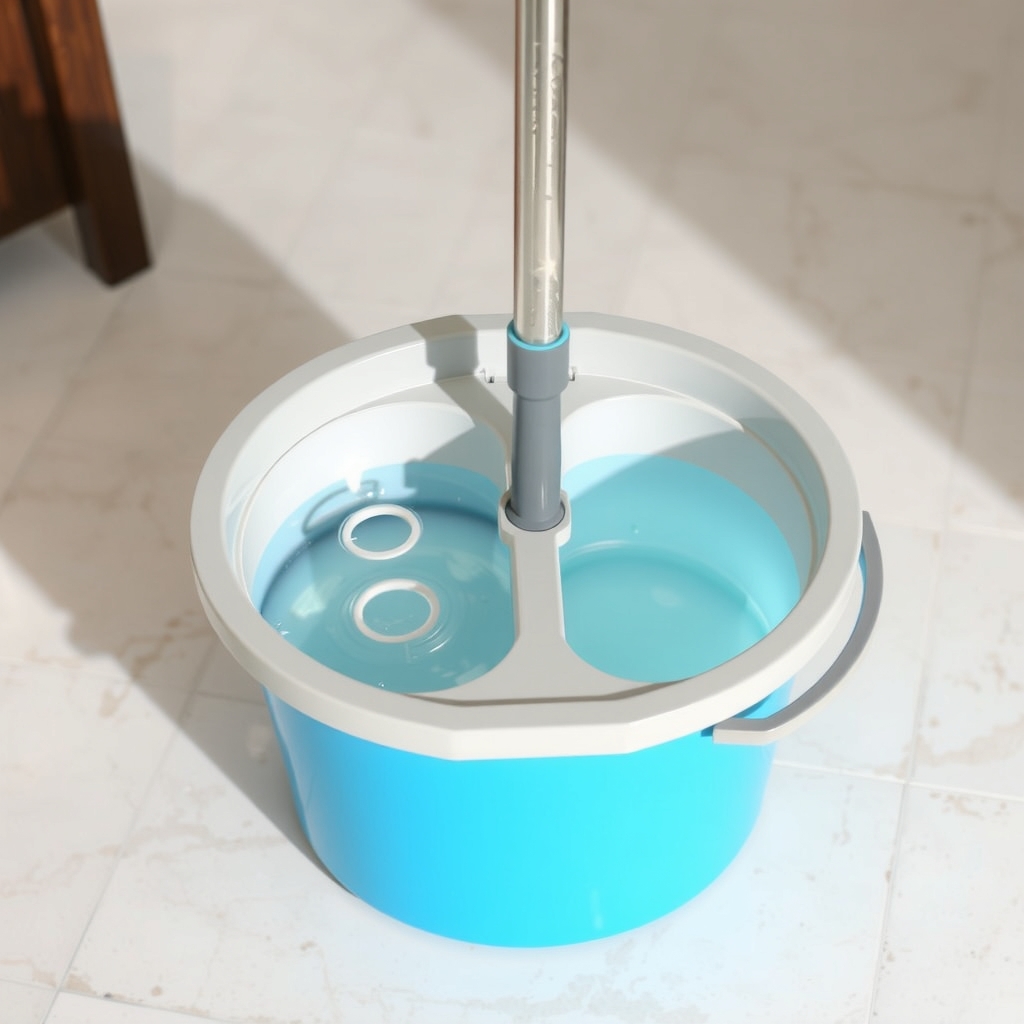
Mop That Keeps Dirty Water Separate: 3 Systems Worth Buying
Read the fix Free fix inside
Cleaning · Steam Mop
Steam Mop Leaving Streaks? Distilled Water and a Clean Pad Help
Read the fix Free fix inside
Cleaning · Hardwood Floor
Hardwood Floor Sticky After Mopping? Strip the Residue, Switch Soap
Read the fix Free fix inside
Cleaning · Mop
Mop Smells Bad? Why It Sours in a Day and the Heads That Don't
Read the fixAs an Amazon Associate I earn from qualifying purchases. Affiliate disclosure