Mop That Keeps Dirty Water Separate: 3 Systems Worth Buying
One bucket turns gray after a room and you spread that dirt around. Use two buckets today, then buy a system that keeps clean and dirty water apart for you.
By Jamilur Rahman Updated November 5, 2026 · 6 min read
- Time
- 30 min
- Cost
- $20-$50
- Difficulty
- Easy
In this guide
Quick answer
A single bucket turns gray after one room, so you end up spreading dirty water on the floor. Today, use the two-bucket method with buckets you already own: one for cleaning solution and one for rinsing and wringing. To make it effortless, a dual-bucket spin mop system keeps clean and dirty water in separate compartments and wrings the mop for you.
Free fix vs. permanent fix
The two-bucket method
- Bucket 1: warm water and a small amount of cleaner
- Bucket 2: plain warm water for rinsing and wringing
- Rinse the mop in bucket 2 after each section, then dip in bucket 1
- Empty and refill bucket 2 when it turns gray
How long it lasts: Works as well as any system. The cost is carrying two buckets, wringing by hand and emptying often.
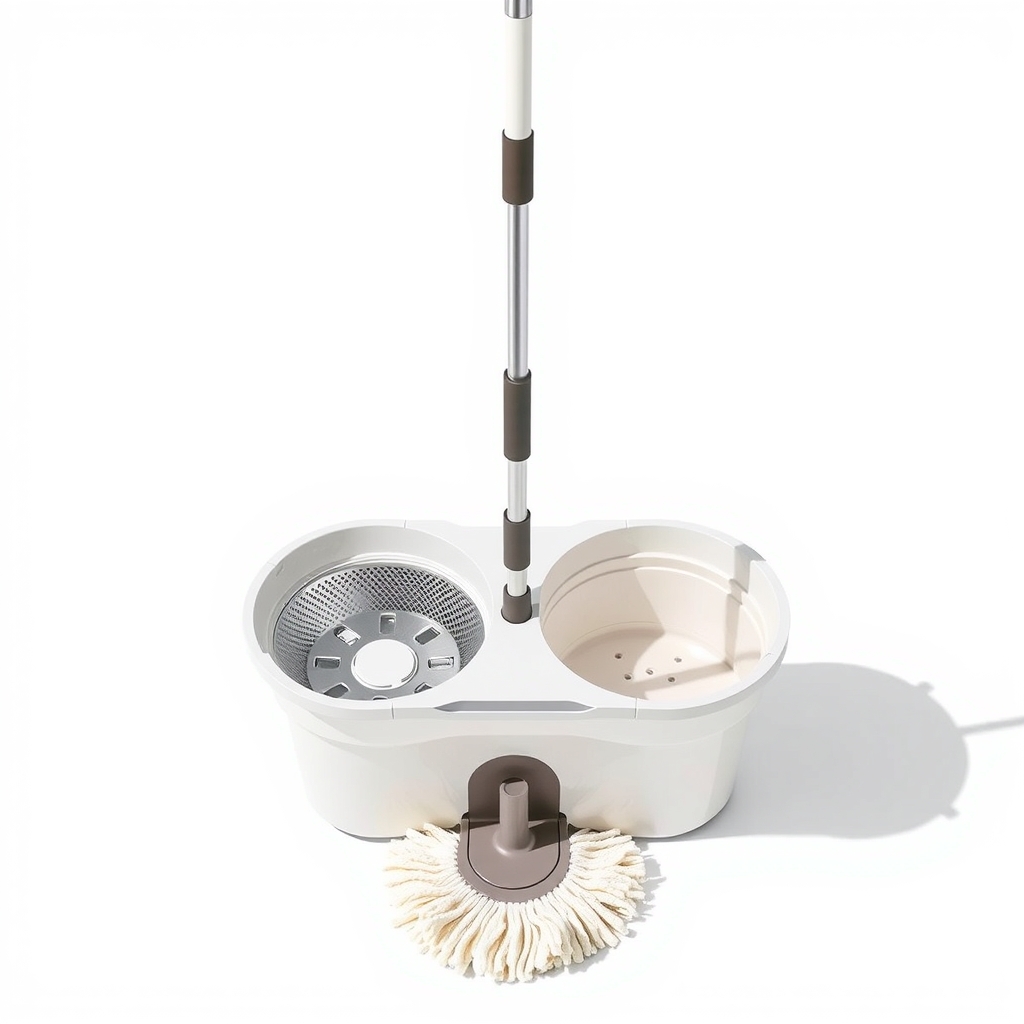
A dual-bucket spin mop system
Clean water stays in one compartment and the water you wring out goes to another, so each pass starts with a clean mop. A spin wringer is easier on wrists than twisting. You get the two-bucket method without carrying a second bucket.
What to get: Dual-bucket spin mop system with separate clean and dirty water compartments
How long it lasts: Years. Heads wash and replace, and the bucket does the separating.
As an Amazon Associate I earn from qualifying purchases.
What you'll need
-
Two buckets
One for cleaning solution, one for rinse water
You have it -
Your current mop
A flat or string mop works for the two-bucket method
You have it - Our pick Illustration
Dual-bucket spin mop system
Read how it separates the water, since designs differ
- Illustration
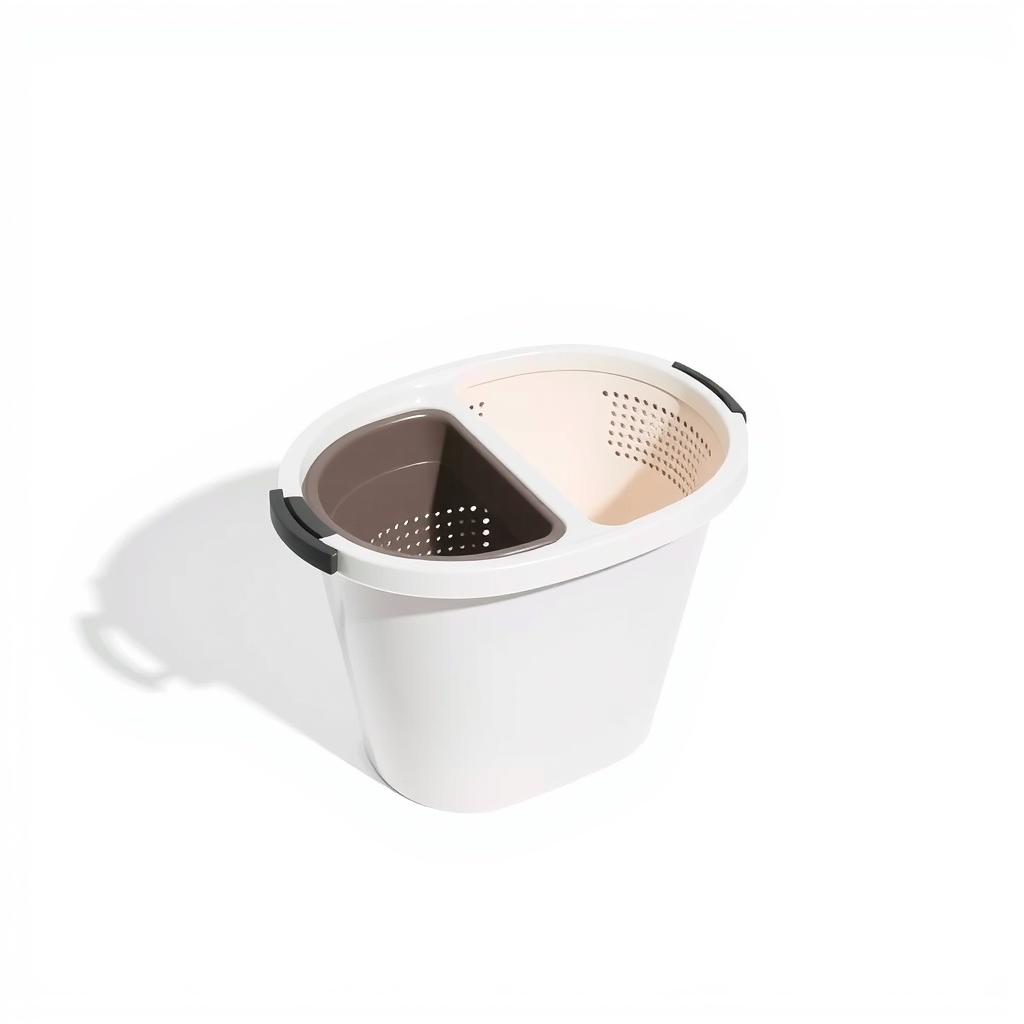
Mop bucket with a divided, wringer compartment
Keeps your current mop, adds the separation
- Illustration
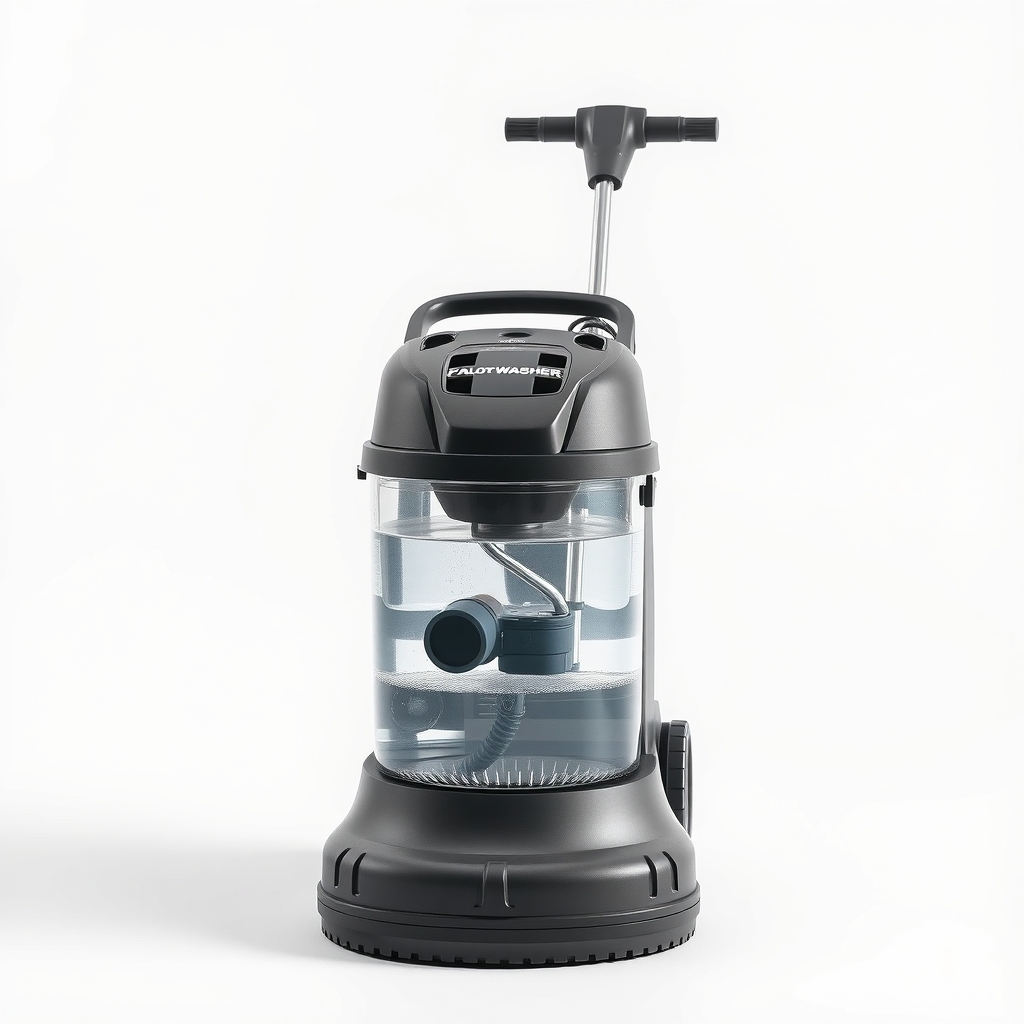
Wet-dry floor washer vacuum
For large floors, pet messes and sticky spills
- Illustration
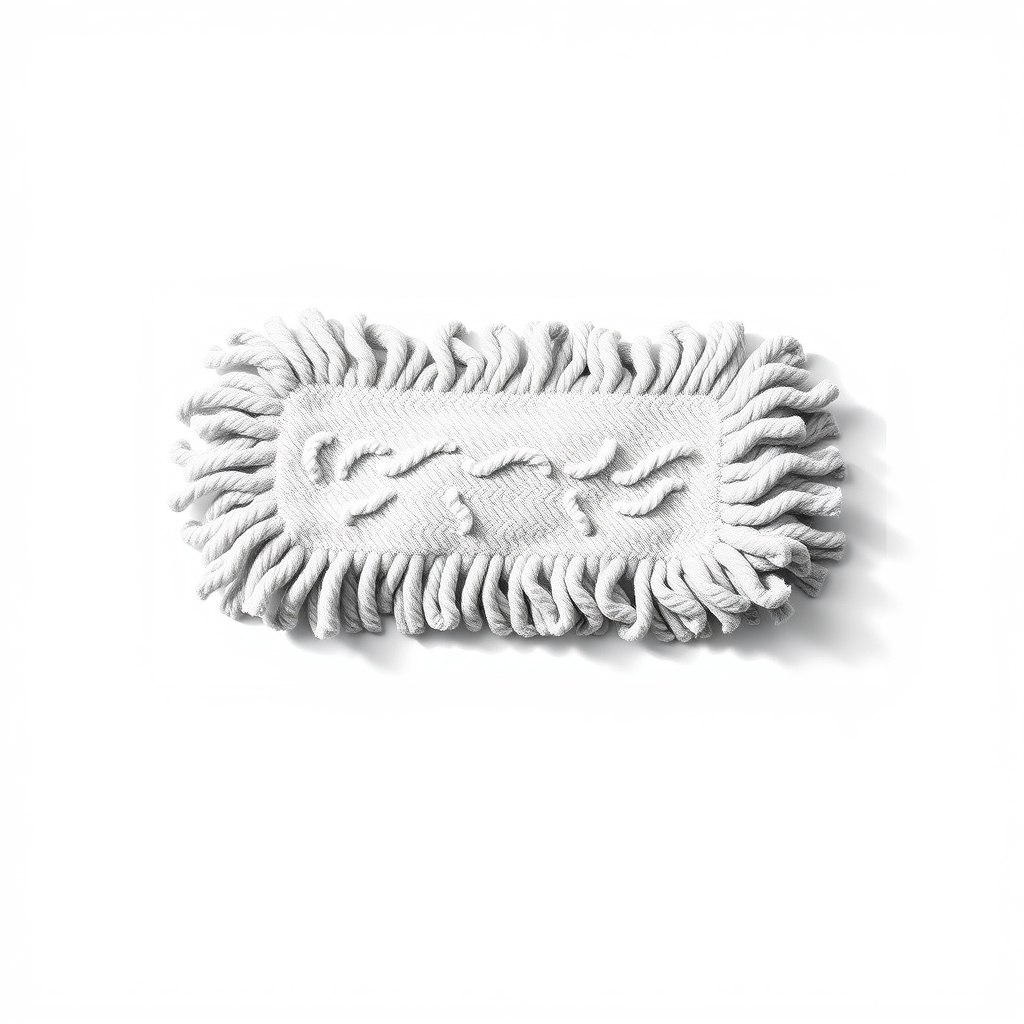
Spare microfiber mop heads
Swap a clean one in each time and wash the used one
Why it happens
One bucket, one dirty soup
Every time you rinse the mop in the same water, dirt goes back into the bucket and then back onto the floor. By the second room you are mopping with gray water.
Mopping before sweeping
Grit and hair on the floor turn into mud once wet. Sweep or vacuum first, so the mop picks up grime instead of smearing grit.
A mop head that is never really rinsed
Wringing without rinsing leaves dirt inside the head. It comes out onto the next section as a gray film.
A sour, damp mop
A wet mop left in a bucket grows bacteria within a day or two. It smells, and every pass puts that smell on your floor.
Try this first (free)
Do these in order, starting with the simplest.
-
Sweep or vacuum first
Pick up grit, crumbs and hair before the mop touches the floor. Wet grit scratches and turns to mud.
-
Set up two buckets
Tool used: Two bucketsFill one with warm water and a small amount of floor cleaner, using the label's amount. Fill the second with plain warm water for rinsing.
-
Mop one small section
Tool used: Your current mopDip the mop into the solution, wring it out well and mop a section about the size of a few tiles across. Wring harder on wood and laminate, so the head is damp, not wet.
-
Rinse and wring in bucket 2
After each section, swish the mop in the rinse bucket and wring it out. Then dip it in the solution bucket and continue.
-
Change the water when it turns gray
Empty the rinse bucket and refill it as soon as it turns gray, usually after one or two rooms. Fresh water costs less than a streaky floor.
-
Wash the mop head after each use
Tool used: Spare microfiber mop headsMachine-wash microfiber heads with no fabric softener, and let them dry completely before storing. Keep a spare so you always start clean.
IllustrationCheck price on AmazonTool for this step
Spare microfiber mop heads · Swap a clean one in each time and wash the used one
When free fixes aren't enough
Two buckets work, but you carry two heavy buckets, wring by hand and empty them over and over. If you mop weekly or more, have a large floor or have sore wrists or back, a system makes you mop more often. A spin mop's built-in compartments mean less to carry and a damp head instead of a dripping one. A new mop will not fix streaks from too much cleaner, and it will not repair a floor with worn sealant. Follow the floor maker's care guide for wood and laminate.
Buy the fix
Still stuck after the free fixes? These are the products we would look at.
| Pick | Product | Fixes | Who it's for | Buy |
|---|---|---|---|---|
| Best pick | Dual-bucket spin mop system with separate clean and dirty water compartments | mopping with the same dirty water | People with hard floors who mop weekly or more and want a simple system. | Check price |
| Budget pick | Mop bucket with a divided wringer compartment | dirty water mixing with clean, at a lower price | Households that already like their mop and just want the water kept apart. | Check price |
| Upgrade pick | Wet-dry floor washer vacuum with clean and dirty water tanks | mopping with no bucket at all, and picking up sticky messes | Large homes, pet hair and sticky spills. | Check price |
Dual-bucket spin mop system with separate clean and dirty water compartments
Fixes: mopping with the same dirty water
Look for: Separate clean-water and dirty-water compartments; A wringer that lets you spin the head damp, not dripping; Machine-washable microfiber heads, with spares for sale; A handle that extends to your height.
- Who it's for
- People with hard floors who mop weekly or more and want a simple system.
- Honest downside
- Your floors are mostly carpet, you mop a tiny space rarely or you have no storage room. Two plain buckets are enough then.
Mop bucket with a divided wringer compartment
Fixes: dirty water mixing with clean, at a lower price
Look for: A divider or separate chambers for clean and dirty water; A wringer that fits your mop head; A sturdy handle and, for large floors, wheels.
- Who it's for
- Households that already like their mop and just want the water kept apart.
- Honest downside
- Your mop head does not fit the wringer. Check compatibility before you buy.
Wet-dry floor washer vacuum with clean and dirty water tanks
Fixes: mopping with no bucket at all, and picking up sticky messes
Look for: Separate clean-water and dirty-water tanks; A brush roll you can remove and wash; A battery with enough run time for your floor area.
- Who it's for
- Large homes, pet hair and sticky spills.
- Honest downside
- You want a low price. These cost much more, weigh more and need cleaning after every use.
As an Amazon Associate I earn from qualifying purchases. We don't show prices because they change, so use the button to see today's price.
How we picked: How we picked: this page is based on floor-care guidance from flooring makers, cleaning guides for the two-bucket method, and what owners report in reviews of spin mop systems. We do not test products by hand.
Match the mop to the floor
- Sealed tile, vinyl and stone: a spin mop or flat mop works well. Brush grout lines separately.
- Hardwood and laminate: use barely damp, never wet. Wipe up any standing water right away.
- Unsealed or waxed floors: check the care guide before using any water.
What to skip
Extra cleaner and a mop left in the bucket
More cleaner does not mean cleaner floors. Too much leaves a sticky film that attracts dirt. And a wet mop left sitting in a bucket sours within a day. Rinse, wring and hang it to dry.
Frequently asked questions
How does a spin mop keep dirty water separate?
Is the two-bucket method really better than one bucket?
Can I use a spin mop on hardwood?
How often should I change mop water?
As an Amazon Associate I earn from qualifying purchases. Affiliate disclosure