Hardwood Floor Sticky After Mopping? Strip the Residue, Switch Soap
Sticky, dull floors are almost always dried cleaner left on the finish. Rinse it off with plain water, then use a pH-neutral cleaner that dries film-free.
By Jamilur Rahman Updated November 5, 2026 · 7 min read
- Time
- 45 min
- Cost
- Under $20
- Difficulty
- Easy
In this guide
Quick answer
Why is my hardwood floor sticky after mopping? Usually because cleaner, soap or oil soap dried on the finish instead of being rinsed away. Mop with plain water and a barely damp microfiber pad to strip the film. Then switch to a pH-neutral hardwood floor cleaner, used at the label strength, so the next mop dries clean.
Free fix vs. permanent fix
Plain-water rinse passes
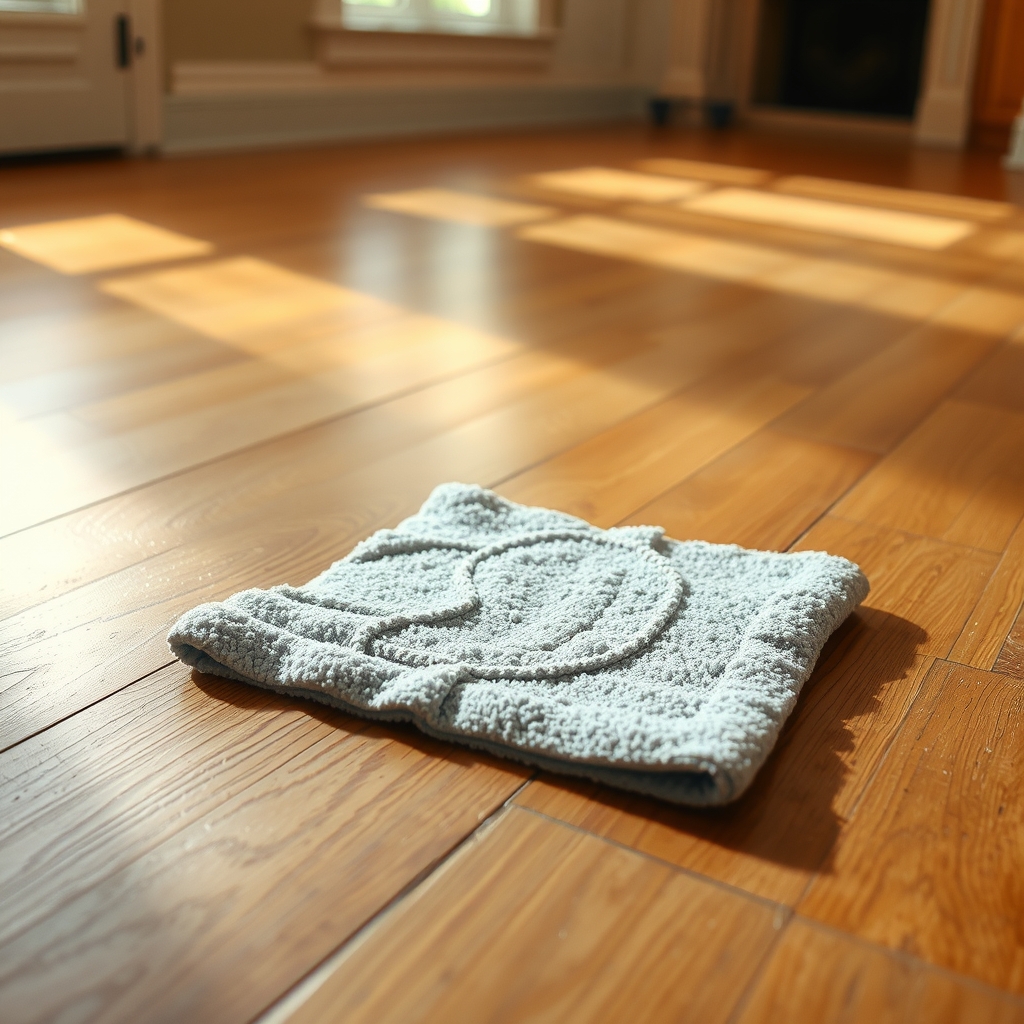
- Wring a microfiber pad until it is barely damp
- Mop with plain warm water, working in small sections
- Swap to a clean pad as soon as it looks dirty
- Buff dry with a clean towel or dry pad
How long it lasts: Removes the tackiness for now. If you go back to the same cleaner, or to too much of it, the film returns by the next mop.
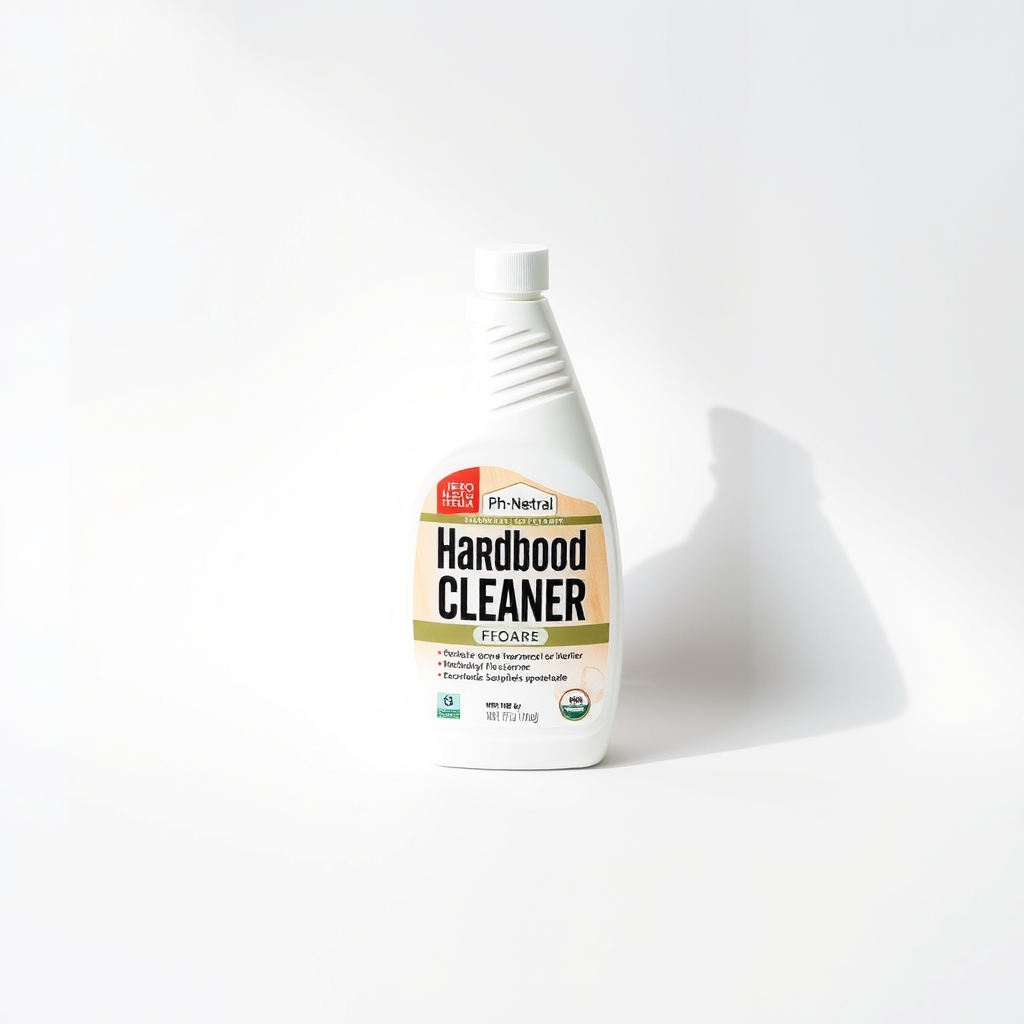
A pH-neutral hardwood floor cleaner
Most sticky floors come from a product that dries into a film: soap, oil soap, or a general cleaner used too strong. A pH-neutral hardwood cleaner is made to lift dirt and dry without leaving anything behind. The plain-water rinse clears today's residue, and the right cleaner keeps it from building again.
What to get: pH-neutral hardwood floor cleaner
How long it lasts: Every mop, as long as you use only the amount on the label.
As an Amazon Associate I earn from qualifying purchases.
What you'll need
-
Flat microfiber mop with a pad
Control the moisture and keep the floor from getting soaked
You have it -
Clean towel or dry microfiber cloth
To buff each section dry
You have it -
White vinegar
Only for a stubborn spot on a sealed floor, heavily diluted
You have it - Our pick Illustration
pH-neutral hardwood floor cleaner
Use the amount on the label, not more
- Illustration
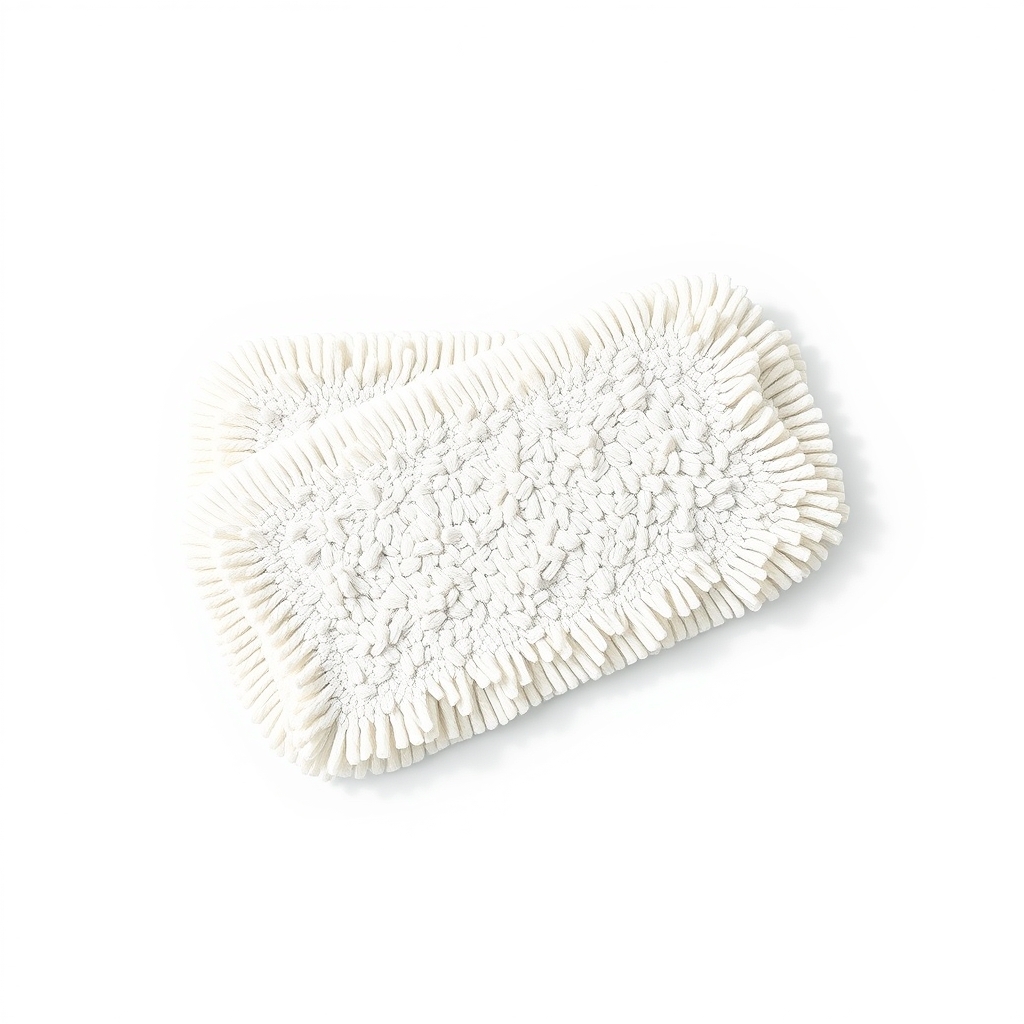
Washable microfiber mop pads
A clean pad for every section stops you spreading the film
- Illustration
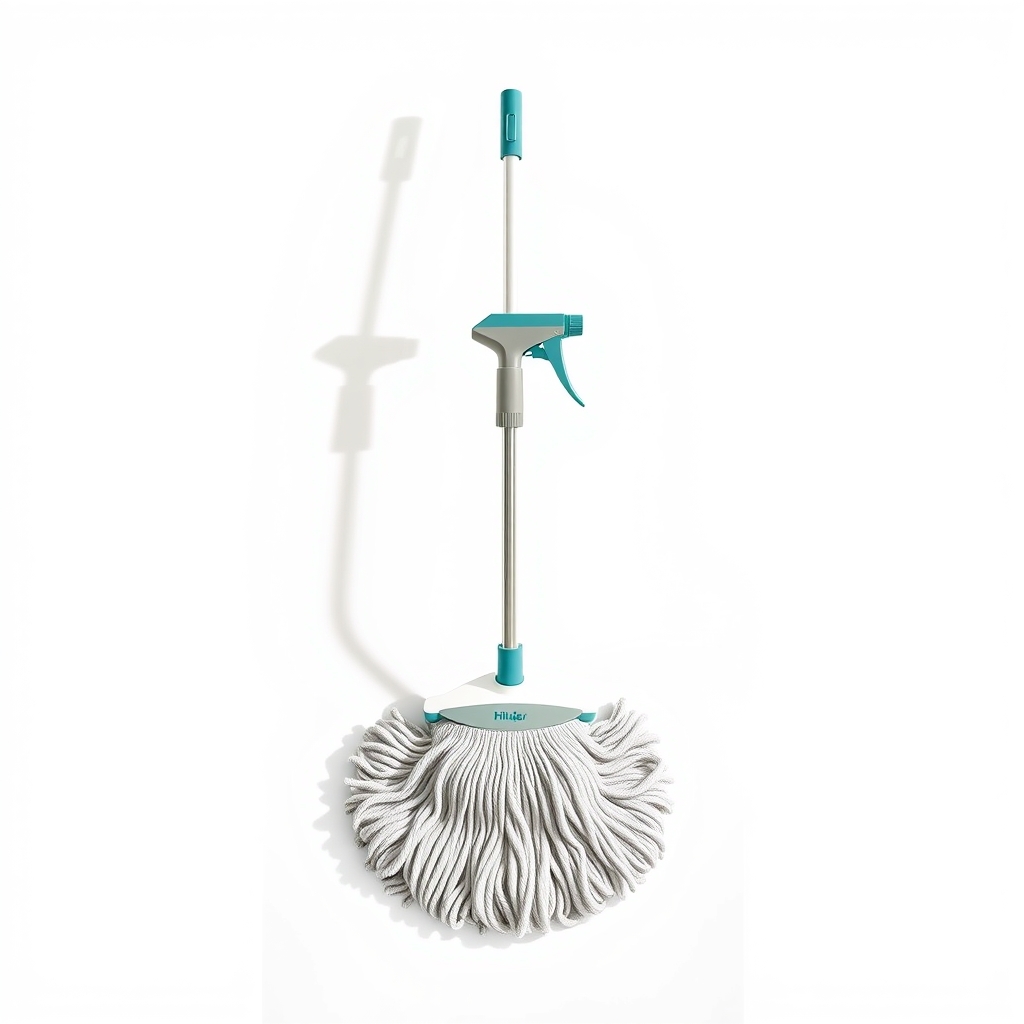
Spray mop with a refillable bottle
Mists only the amount you need
Why it happens
Too much cleaner
The cleaner on the label is mixed for a gallon of water, and many people pour extra. What the water carries off, the finish keeps. As the floor dries, the rest sets into a tacky film.
Soap, oil soap or all-purpose cleaner
Soap-based and oily products dry into a layer that attracts dirt and feels sticky underfoot. Even a floor cleaner for other surfaces can leave this behind on a sealed hardwood finish.
Dirty mop water and tired pads
A grey bucket or a soiled pad spreads grease and old cleaner across the planks instead of lifting it. The floor looks wet, then dries with streaks and a gummy feel.
Old polish or wax build-up
Layers of polish applied over the years can soften in damp weather or react to a new cleaner. If you have ever used a wax or a shine product, it may be part of what you are feeling.
Try this first (free)
Do these in order, starting with the simplest.
-
Check the finish first
Put a drop of water on a hidden spot. If it beads, the floor has a sealed finish and these steps are safe. If it soaks in and darkens the wood, the floor is waxed or oiled, so use only the maker's recommended cleaner.
-
Wring a pad until barely damp
Tool used: Flat microfiber mop with a padWet the pad in warm plain water, then wring it out hard. It should feel damp, not wet. Standing water can swell the boards and seep between planks.
-
Rinse the floor in small sections
Tool used: Flat microfiber mop with a padMop a section about 4 feet square, with the grain, then swap or rinse the pad often. Repeat with fresh water if the floor still feels tacky when it dries.
-
Dry as you go
Tool used: Clean towel or dry microfiber clothBuff each section with a dry towel or dry pad so no water sits on the finish. For a stubborn tacky patch on sealed floors, use a very light vinegar mix, about a quarter cup in a gallon of warm water, then rinse with plain water.
-
Clean with a pH-neutral cleaner from now on
Tool used: pH-neutral hardwood floor cleanerMeasure the cleaner by the label, or use a ready-to-use spray. Less is better. Mop with a freshly washed pad.
IllustrationCheck price on AmazonTool for this step
pH-neutral hardwood floor cleaner · Use the amount on the label, not more
When free fixes aren't enough
If the floor stays sticky after two plain-water passes, the film is thick or the old polish is part of it. A pH-neutral hardwood cleaner is the next step, since it cuts residue and dries without leaving a layer. If you see white patches, boards lifting at the edges, or dark stains, that is moisture damage, not residue, and a flooring pro should look at it. Do not keep adding water to a floor that is already damaged.
Buy the fix
Still stuck after the free fixes? These are the products we would look at.
| Pick | Product | Fixes | Who it's for | Buy |
|---|---|---|---|---|
| Best pick | pH-neutral hardwood floor cleaner | the residue film that makes a floor sticky, dull or cloudy | Anyone with sealed hardwood who has used soap, oil soap or all-purpose cleaner. | Check price |
| Budget pick | Washable microfiber flat mop pads | dirty pads that spread film instead of lifting it | People who already have a flat mop and want a clean pad every time. | Check price |
| Upgrade pick | Spray mop with a refillable bottle | using too much cleaner or too much water | People who tend to over-wet the floor and want to control the amount. | Check price |
pH-neutral hardwood floor cleaner
Fixes: the residue film that makes a floor sticky, dull or cloudy
Look for: Labeled safe for sealed hardwood floors; pH-neutral, with no wax, oil or soap; Dries without a film or a need to rinse; Clear dilution instructions, or a ready-to-use spray.
- Who it's for
- Anyone with sealed hardwood who has used soap, oil soap or all-purpose cleaner.
- Honest downside
- Your floor is waxed or oiled. Use the maker's recommended product.
Washable microfiber flat mop pads
Fixes: dirty pads that spread film instead of lifting it
Look for: A size that fits your mop head; Soft, non-scratch fibers; Machine washable, sold in a multi-pack.
- Who it's for
- People who already have a flat mop and want a clean pad every time.
- Honest downside
- You use a string mop. These pads fit flat mop heads only.
Spray mop with a refillable bottle
Fixes: using too much cleaner or too much water
Look for: A refillable bottle, so you choose the cleaner; A fine mist, not a stream; Washable microfiber pad included.
- Who it's for
- People who tend to over-wet the floor and want to control the amount.
- Honest downside
- You are happy with a bucket and the film is already gone.
As an Amazon Associate I earn from qualifying purchases. We don't show prices because they change, so use the button to see today's price.
How we picked: How we picked: this page is based on hardwood floor care guides from finish and flooring makers, product instructions, and what owners report about sticky, dull floors. We do not test products by hand.
How much cleaner is too much?
Follow the label, and when in doubt use less. A few drops too many leaves a film, because a mop only removes what the water carries away. Mop in sections, change pads often, and let the floor dry in minutes, not hours. If the floor still looks wet after five minutes, you used too much water.
What to skip
Oil soap, wax and more cleaner
Adding oil soap, a shine polish or an extra capful of cleaner covers a sticky floor for a day, then adds more film. Steam mops push hot moisture into seams, and many floor makers advise against them on wood. Strip the residue first.
Frequently asked questions
Why does my hardwood floor feel sticky?
Why is my hardwood floor sticky when I have not mopped?
Why do my hardwood floors look dull after cleaning?
Why does my hardwood floor look cloudy?
Is vinegar and water safe for hardwood floors?
Related problems
 Free fix inside
Cleaning · Hardwood Floor Care
Hardwood Floor Not Shiny? Bring Back the Glow Without Sanding
Read the fix Free fix inside
Cleaning · Mop
Mop Leaving Streaks? Too Much Cleaner Is the Usual Reason
Read the fix Free fix inside
Cleaning · Hardwood Floor
Hardwood Floor Scratches? Pen, Wax, or Polish Depends on Depth
Read the fix Free fix inside
Cleaning · Hardwood Floor
Hardwood Floor Too Slippery? Runner Rugs and Grippers Add Traction
Read the fixAs an Amazon Associate I earn from qualifying purchases. Affiliate disclosure