Walls Too Thin in Your Apartment? Cut the Noise Without Drilling
Foam panels soak up echo, but they cannot block a neighbor's TV alone. Seal the gaps first, then add adhesive panels to the shared wall.
By Jamilur Rahman Updated November 5, 2026 · 7 min read
- Time
- 1 hour
- Cost
- $50-$150
- Difficulty
- Easy
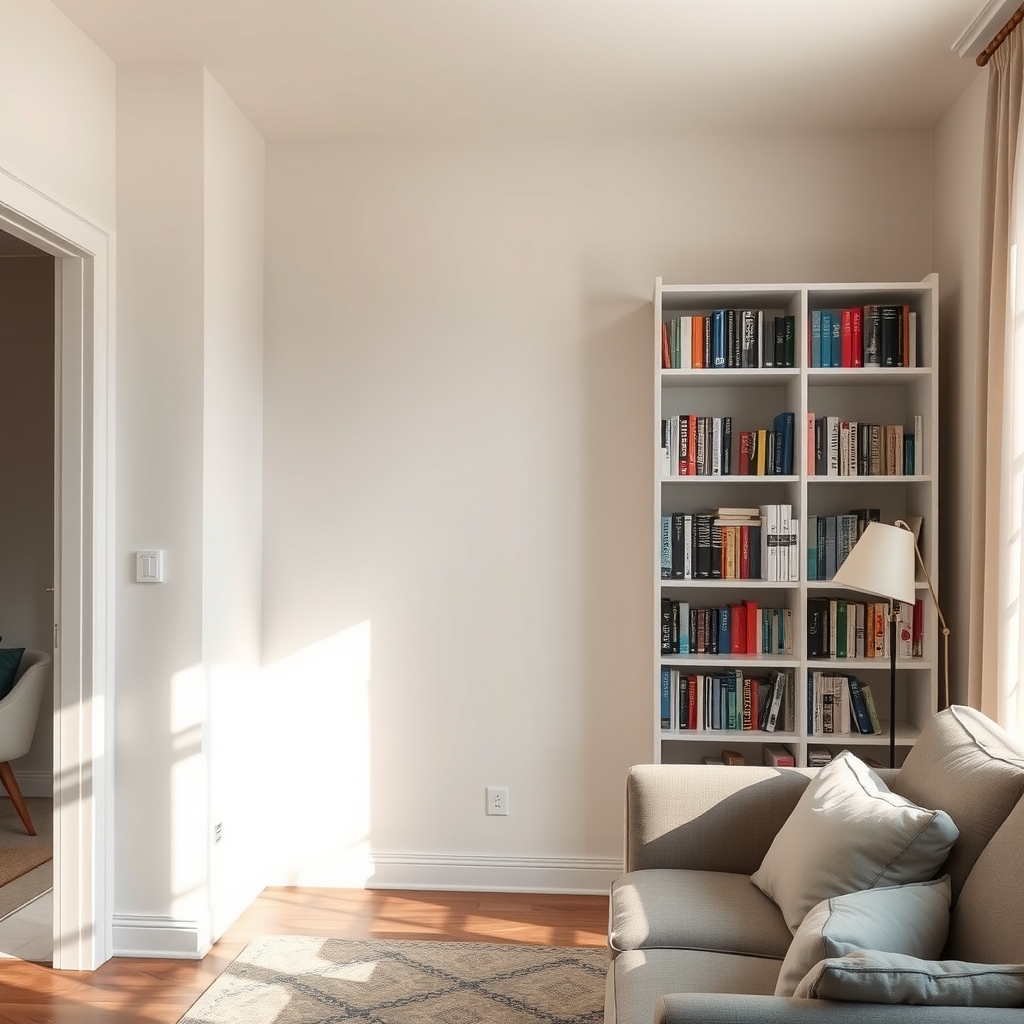
In this guide
Quick answer
Noise gets through thin walls two ways: through gaps, and through the flimsy wall itself. Free fixes close the weak spots. Seal gaps at the door and outlets, put a full bookshelf on the shared wall and soften the room. Adhesive acoustic panels then cut the echo and the muddy voice and TV noise that remains. They will not stop heavy bass, and they go up without drilling.
Free fix vs. permanent fix
Seal the gaps and add soft mass
- Find the leaks with a flashlight in a dark room
- Roll a towel against the door gap at night
- Put a full bookshelf on the shared wall
- Add rugs and heavy curtains to cut the echo
How long it lasts: As long as the gaps stay sealed. Noise that travels through the wall itself still comes through, only a little quieter.
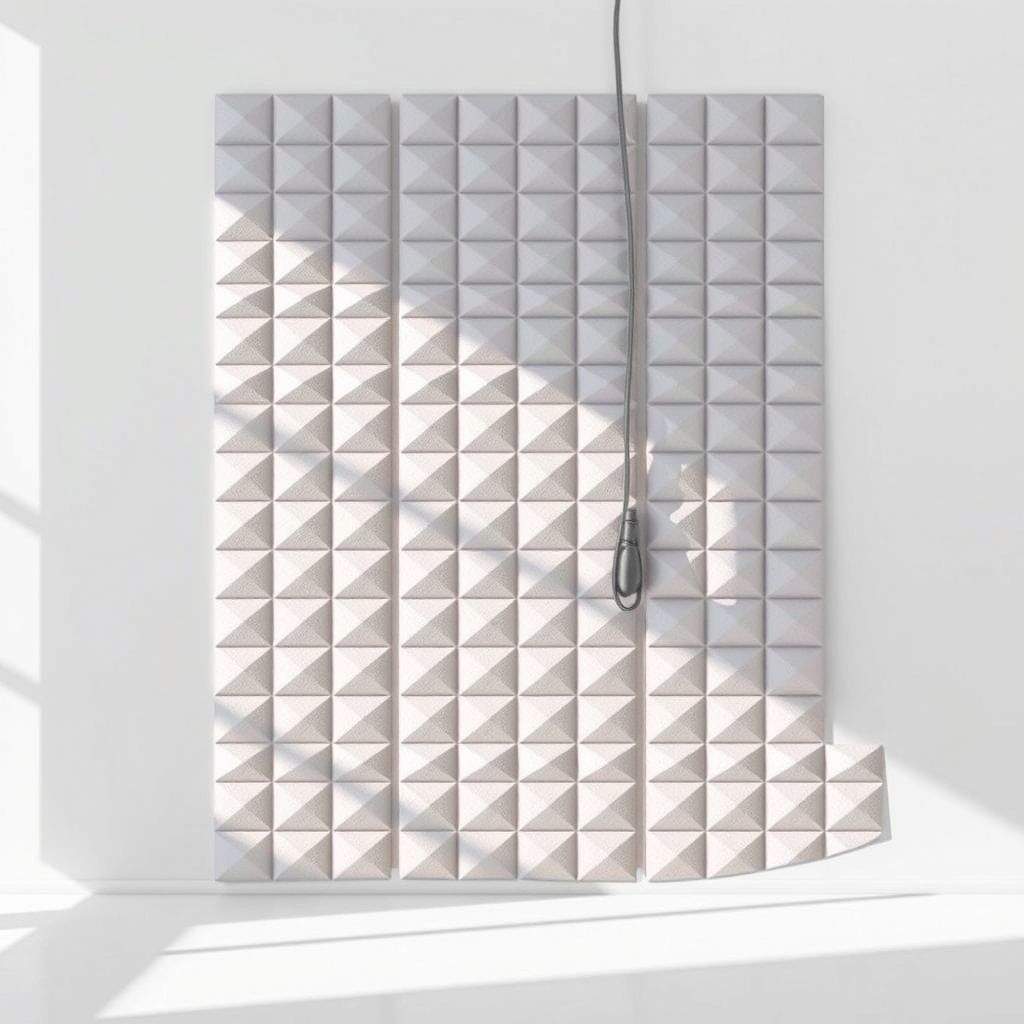
Adhesive acoustic panels on the shared wall
Sound bounces around a bare room and passes through thin drywall. Dense acoustic panels on the shared wall soak up the sound that reaches your room and add a little mass to a thin wall. They stick on with adhesive, so there is no drilling and no holes to patch.
What to get: Dense self-adhesive acoustic wall panels
How long it lasts: Years. They stick to the wall and keep absorbing every day.
As an Amazon Associate I earn from qualifying purchases.
What you'll need
-
Flashlight
To spot light and sound gaps in a dark room
You have it -
Rolled towel
A free stand-in for a door sweep
Free -
Bookshelf or dresser
Push it tight against the shared wall and fill it
You have it - Illustration
Door sweep and outlet gaskets
Cheap, quick seals for the gaps sound walks through
- Illustration
Removable mounting strips
For renters who want zero damage to the wall
- Our pick Illustration
Adhesive acoustic panels
For the wall noise that gaps and furniture cannot fix
Why it happens
Thin, light walls
Many apartment walls are a single layer of drywall on studs with an empty gap behind it. Light walls move with sound waves, so voices and TV pass through almost unchanged.
Gaps that leak sound
Sound goes wherever air goes. Gaps under the door, around outlets and switches and along the baseboard let noise walk in. A small gap passes a surprising amount.
A bare, echoey room
Hard floors, bare walls and little soft furniture bounce sound around. Your room sounds louder, and what comes through the wall rings on.
Noise that is low in pitch
Bass from a speaker and footsteps travel through the building structure. Panels and gap seals barely touch it. Only heavy mass or an extra wall layer does.
Try this first (free)
Do these in order, starting with the simplest.
-
Find the leaks
Tool used: FlashlightClose the door, switch off the hall light and look around the door frame and baseboard for light. Light shows where sound leaks too. Run a flashlight along the baseboard and around outlets to check.
-
Block the door gap
Tool used: Rolled towelAt night, press a rolled towel against the bottom of the door. It is a free stand-in for a door sweep, and it tells you how much noise is coming under the door.
-
Load the shared wall with mass
Tool used: Bookshelf or dresserMove a full bookshelf or dresser tight against the shared wall. Books add weight and break up the sound. Do not block a vent or heater.
-
Soften the room
Lay a thick rug, hang heavy curtains and add soft furniture. This cuts echo, so what does come through sounds duller and less sharp.
-
Move the bed or desk off the shared wall
Even a few feet of distance helps. A bed on the quiet outer wall beats one against the neighbor's TV.
-
Mask what is left
Run a white noise app or a fan on low. It does not block anything, but it covers up faint voices, which is often all you need to sleep.
When free fixes aren't enough
If you have sealed the gaps and loaded the wall and you still hear voices and TV clearly, the wall surface is the weak spot. Adhesive acoustic panels go on that wall without a hole. They absorb the sound that reaches your room, and denser ones add a little mass. Expect voices and TV to get duller and less clear, not vanish. If the problem is heavy bass or footsteps, panels will not be enough. That needs a second wall layer or a talk with your landlord.
Buy the fix
Still stuck after the free fixes? These are the products we would look at.
| Pick | Product | Fixes | Who it's for | Buy |
|---|---|---|---|---|
| Best pick | Dense self-adhesive acoustic wall panels | voices and TV carrying through a thin shared wall, plus echo in the room | Renters who cannot drill and want a quieter room, with the gaps already sealed. | Check price |
| Budget pick | Door sweep and outlet gasket kit | sound leaking under doors and around outlets | Anyone who found light or drafts at the door or outlets, which is most apartments. | Check price |
Dense self-adhesive acoustic wall panels
Fixes: voices and TV carrying through a thin shared wall, plus echo in the room
Look for: At least 1 inch thick and dense, since thicker absorbs more; A fire rating such as Class A or Class 1, listed on the product; A peel-and-stick back, or mounting strips, so there is no drilling; Enough panels to cover roughly a third of the shared wall.
- Who it's for
- Renters who cannot drill and want a quieter room, with the gaps already sealed.
- Honest downside
- Your lease bans anything stuck to the walls, or the noise is mostly heavy bass and footsteps. Test the adhesive in a hidden spot first.
Door sweep and outlet gasket kit
Fixes: sound leaking under doors and around outlets
Look for: A sweep that fits your door width and gap size; Foam gaskets that fit your outlet and switch plates; Self-adhesive, renter-friendly mounting.
- Who it's for
- Anyone who found light or drafts at the door or outlets, which is most apartments.
- Honest downside
- The door and outlets are already tight, so the noise is coming through the wall surface. Switch off the breaker before removing any outlet cover, or ask someone qualified.
As an Amazon Associate I earn from qualifying purchases. We don't show prices because they change, so use the button to see today's price.
How we picked: How we picked: this page is based on soundproofing and acoustics guides, fire-safety advice for wall coverings, and the problems and fixes renters report in reviews. We do not test products by hand.
Block versus absorb: what panels actually do
Two different things quiet a room. Blocking stops sound passing through a wall, and it needs heavy, sealed layers. Absorbing soaks up sound that is already in the room, so it does not bounce back. Acoustic panels mostly absorb. That is why they help most with voices and TV, a little with the wall itself and almost nothing with deep bass.
Renting? Check this before you stick anything
- Read your lease for rules on the walls.
- Test the adhesive on a hidden spot for a few days.
- Check the weight rating on mounting strips before you trust them.
- Never cover vents, heaters or smoke alarms.
- Choose panels with a stated fire rating.
What to skip
Egg cartons, thin craft foam and unrated foam tiles
Egg cartons and thin foam do very little to sound and can be a fire risk. Cheap foam with no fire rating is the one to skip in an apartment. A moving blanket hung on the wall helps a little, but a dense, rated panel does the job better.
Frequently asked questions
Do acoustic panels really soundproof a wall?
Can I put panels up without damaging the wall?
How much of the wall should I cover?
Should I tell my landlord?
Related problems
 Free fix inside
Bedroom & Sleep · Bedroom Noise
Neighbors' Snoring Keeping You Awake? White Noise That Helps
Read the fix Free fix inside
Cleaning · Walls
Wall Crumbling When You Drill? The Anchors That Hold in Soft Walls
Read the fix Free fix inside
Cleaning · Walls
Holes in Walls? Patch Kits for Small and Medium Holes
Read the fix Free fix inside
Air & Temperature · Drafty Windows
Drafty Windows in a Rental? No-Drill, Peel-Off Fixes That Work
Read the fixAs an Amazon Associate I earn from qualifying purchases. Affiliate disclosure