Steam Mop vs Regular Mop: Which Is Better for Your Floors?
A steam mop beats a mop on sealed floors with sticky grime. On unsealed wood and laminate, a damp microfiber mop is safer. Here is how to choose.
By Jamilur Rahman Updated November 5, 2026 · 6 min read
- Time
- 20 min
- Cost
- $50-$150
- Difficulty
- Easy
In this guide
Quick answer
Is a steam mop better than a mop? On sealed hard floors like tile and sealed vinyl, yes: steam loosens sticky grime and cuts germs without cleaning chemicals. On unsealed wood, laminate and waxed floors, a damp microfiber flat mop is the safer choice and cleans most everyday dirt well. Check your floor maker's care guide, then pick.
Free fix vs. permanent fix
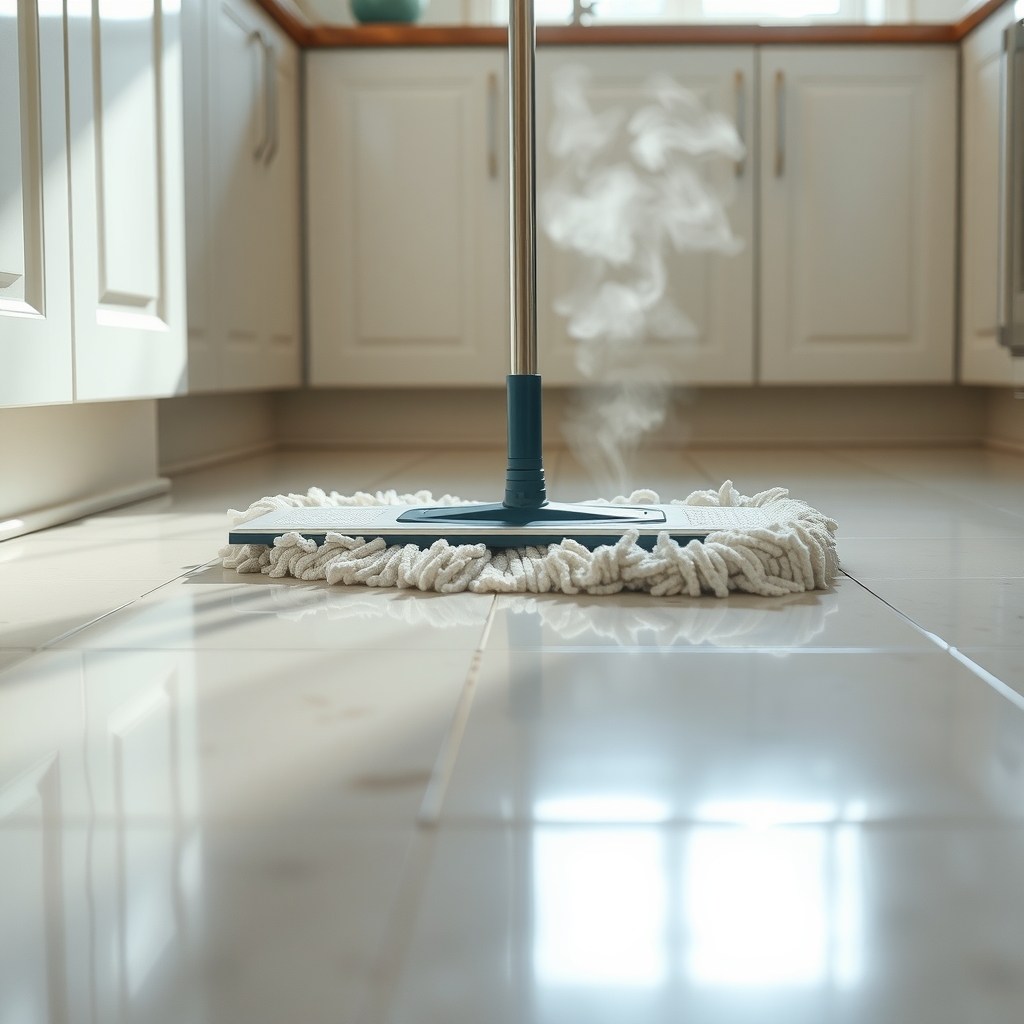
Use the mop you have, the right way
- Sweep or vacuum first so you do not push grit around
- Use a damp mop, not a soaking one, and change the water when it turns gray
- Go with the grain on wood and keep water off the seams
- Let the floor dry fully before walking on it
How long it lasts: Every time you mop. It cleans everyday dirt well, but it does not heat-sanitize or soften stuck-on grease as steam does.
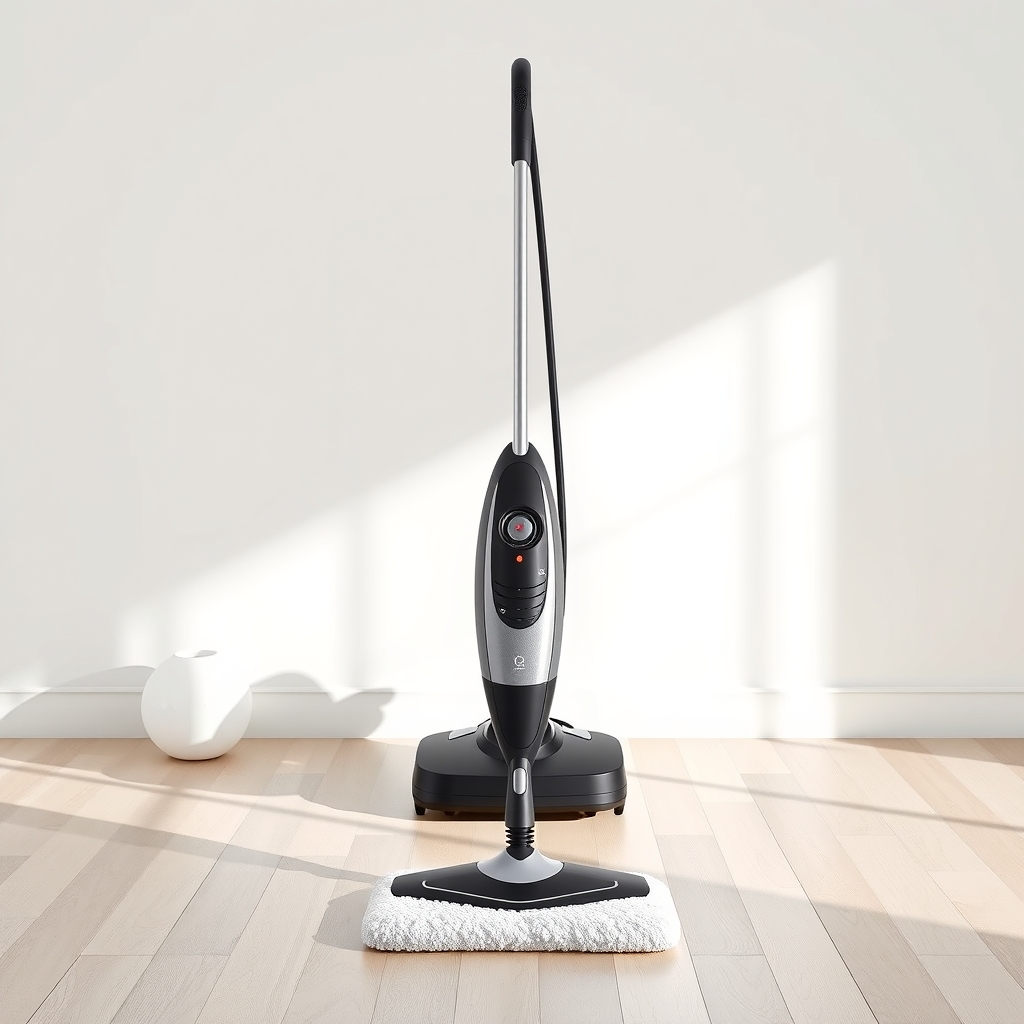
A steam mop for sealed hard floors
Hot steam softens dried-on spills and grease so a pad lifts them with little scrubbing, and it needs no cleaning chemicals. It is a good fit for kitchens, homes with pets or toddlers, and any sealed floor that looks sticky or dull after a regular mop.
What to get: Steam mop for sealed hard floors
How long it lasts: Years of use, as long as you descale it and keep the pads clean. It replaces floor cleaner for routine mopping.
As an Amazon Associate I earn from qualifying purchases.
What you'll need
-
Broom or vacuum
Sweep first so the pad picks up dirt, not grit
You have it -
Floor maker's care guide
Tells you whether steam is allowed on your floor
Free - Illustration
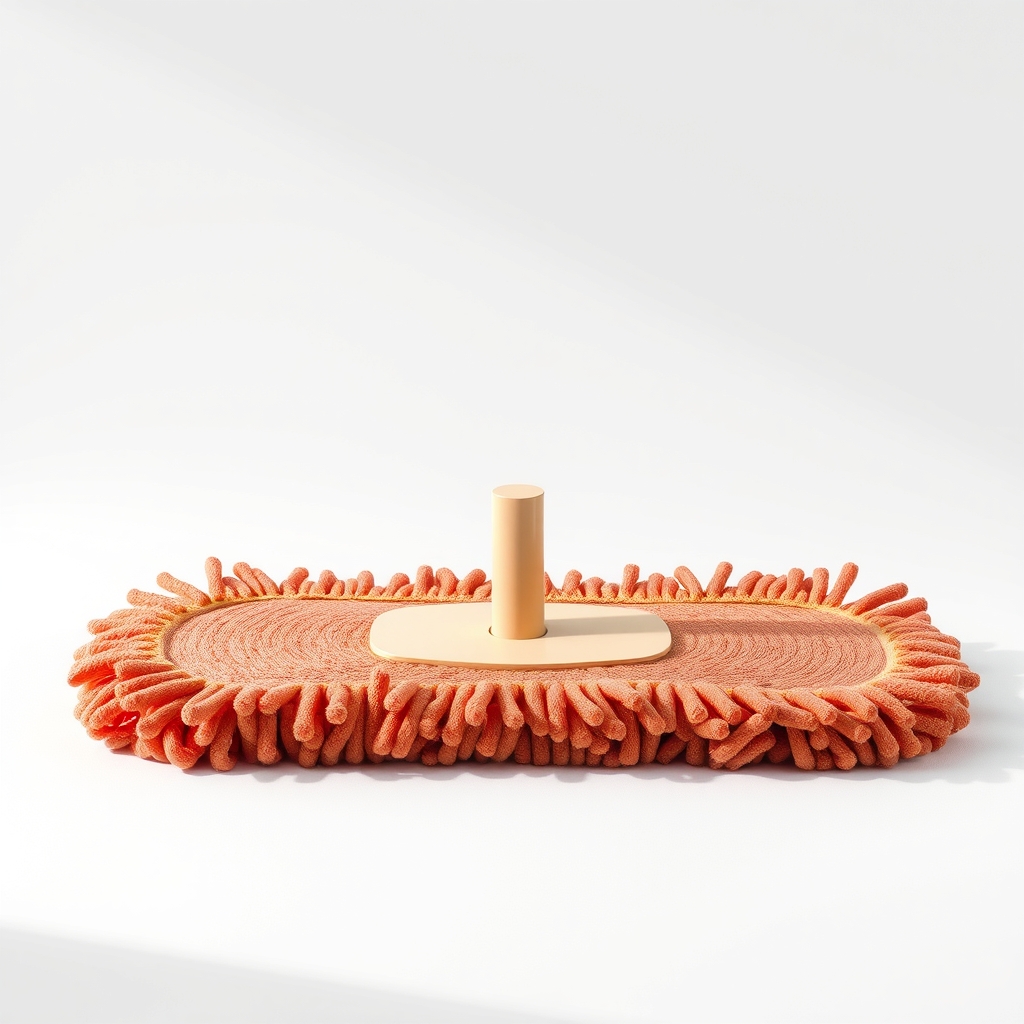
Flat microfiber mop with washable pads
The safe default for every floor type
- Our pick Illustration
Steam mop
For sealed tile, vinyl and sealed hardwood the maker approves
- Illustration
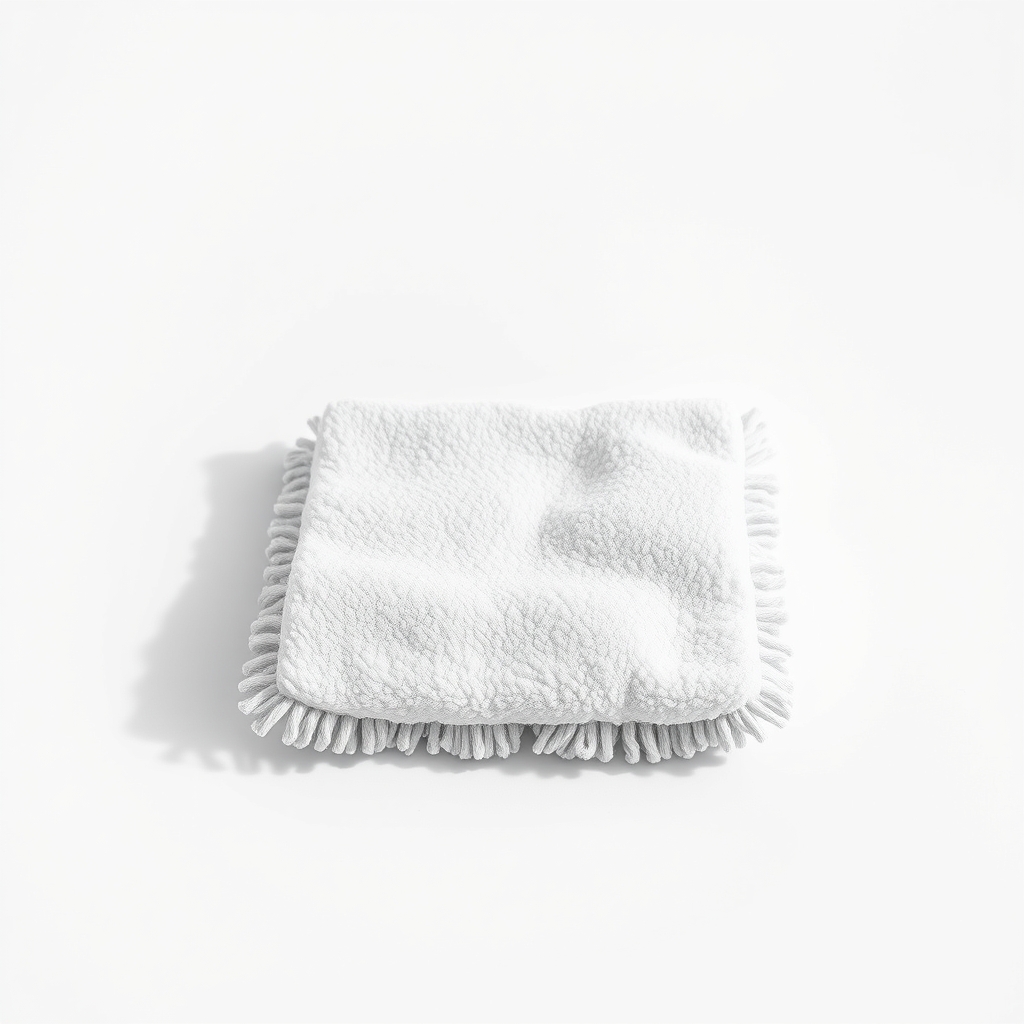
Spare microfiber mop pads
Swap in a clean pad halfway through a big room
Why it happens
Floors that are sticky or dull, not just dusty
Dried juice, cooking grease and soap residue cling to the surface. A damp mop spreads it around. Steam helps because heat softens it first.
Germs on high-contact floors
Kitchens, entryways and rooms where kids or pets sit on the floor collect more germs. Hot steam lowers them without chemicals, though it will not make a floor sterile.
Floors that heat and water can hurt
Unsealed wood, some laminate and waxed floors can warp, cloud or peel under steam or too much water. This is the main reason a steam mop is not for every home.
A dirty pad doing the work
Either type of mop smears dirt if the pad or water is dirty. A tool is only as clean as its pad, so rinse and wash it often.
Try this first (free)
Do these in order, starting with the simplest.
-
Check what your floor can take
Tool used: Floor maker's care guideLook up your floor maker's care guide. Steam is generally fine on sealed tile and sealed vinyl. Many makers warn against it on unsealed wood, laminate and waxed floors, so follow what yours says.
-
Sweep or vacuum first
Tool used: Broom or vacuumMopping a gritty floor pushes dirt around and can scratch it. Sweep or vacuum the whole floor, with extra attention on corners and edges.
-
Mop damp with a flat microfiber mop
Tool used: Flat microfiber mop with washable padsWring the pad until it is only damp. Work in sections and keep moving. Switch to a clean pad when the first one looks gray.
IllustrationCheck price on AmazonTool for this step
Flat microfiber mop with washable pads · The safe default for every floor type
-
Use steam on sticky or greasy spots, and keep it moving
Tool used: Steam mopOn a floor the maker approves, glide the steam mop slowly over the area. Do not stop in one place, and give the pad a few seconds to soften a stuck spot. Let the floor cool and dry before walking on it.
IllustrationCheck price on AmazonTool for this step
Steam mop · For sealed tile, vinyl and sealed hardwood the maker approves
-
Wash the pads and let them air-dry
Tool used: Spare microfiber mop padsMachine-wash pads after each use. Skip fabric softener, which clogs the microfiber, and let them air-dry so they do not smell sour.
IllustrationCheck price on AmazonTool for this step
Spare microfiber mop pads · Swap in a clean pad halfway through a big room
When free fixes aren't enough
A regular mop is enough for most homes with light daily dirt. A steam mop earns its place when floors stay sticky after mopping, when pets or toddlers spend time on the floor, or when you want to stop buying floor cleaner. It will not help if your floor is unsealed wood or has loose seams. For those floors, a damp microfiber mop is better, and a steam mop is the wrong tool. Steam burns, so keep children and pets clear while it heats and cools.
Buy the fix
Still stuck after the free fixes? These are the products we would look at.
| Pick | Product | Fixes | Who it's for | Buy |
|---|---|---|---|---|
| Best pick | Steam mop for sealed hard floors | sticky, greasy or germy sealed floors that a regular mop leaves behind | Households with tile, sealed vinyl or sealed hardwood, especially with pets, kids or a greasy kitchen. | Check price |
| Budget pick | Flat microfiber mop with washable pads | everyday dust and light dirt, safe on any floor type | Anyone with wood, laminate or mixed floors, or who wants a cheap, safe mop. | Check price |
Steam mop for sealed hard floors
Fixes: sticky, greasy or germy sealed floors that a regular mop leaves behind
Look for: A heat-up time of under a minute, so you actually use it; A large tank, so you can mop a room without refilling; Washable microfiber pads, with a spare in the box; A long cord and a swivel head to reach under furniture.
- Who it's for
- Households with tile, sealed vinyl or sealed hardwood, especially with pets, kids or a greasy kitchen.
- Honest downside
- Your floors are unsealed wood, waxed, or laminate with loose seams. Use a damp microfiber mop instead.
Flat microfiber mop with washable pads
Fixes: everyday dust and light dirt, safe on any floor type
Look for: At least two reusable pads, so you can swap them; A flat head that gets under furniture; A pad that releases water evenly, not dripping.
- Who it's for
- Anyone with wood, laminate or mixed floors, or who wants a cheap, safe mop.
- Honest downside
- Your main problem is dried-on grease or sticky spills. A steam mop will do better.
As an Amazon Associate I earn from qualifying purchases. We don't show prices because they change, so use the button to see today's price.
How we picked: How we picked: this page is based on flooring care guides, steam mop and microfiber mop manuals, and what owners report in reviews. We do not test products by hand.
Which floors can take steam?
- Usually fine: glazed ceramic and porcelain tile, sealed vinyl and linoleum that the maker approves.
- Check the maker first: luxury vinyl plank, sealed hardwood and engineered wood.
- Usually not: unsealed or waxed wood, most laminate and any floor with loose seams.
A simple way to decide
If your floors are sealed and your problem is sticky grime or germs, get the steam mop. If your floors are wood or laminate, or you only need a light clean, get the flat mop. Many homes end up with both, using the flat mop weekly and steam for the kitchen once a month.
What to skip
Using steam on every floor, and scented floor cleaners on top
Steam is not a one-size-fits-all fix. Unsealed wood, laminate and some vinyl can be damaged, so check first. Adding scented floor cleaner to a steam mop tank can clog it. Use water, or what the maker allows.
Frequently asked questions
Does a steam mop kill germs?
Can a steam mop damage my floors?
Do I need cleaning solution with a steam mop?
Is a steam mop worth it for a small apartment?
Related problems
 Free fix inside
Cleaning · Steam Mop
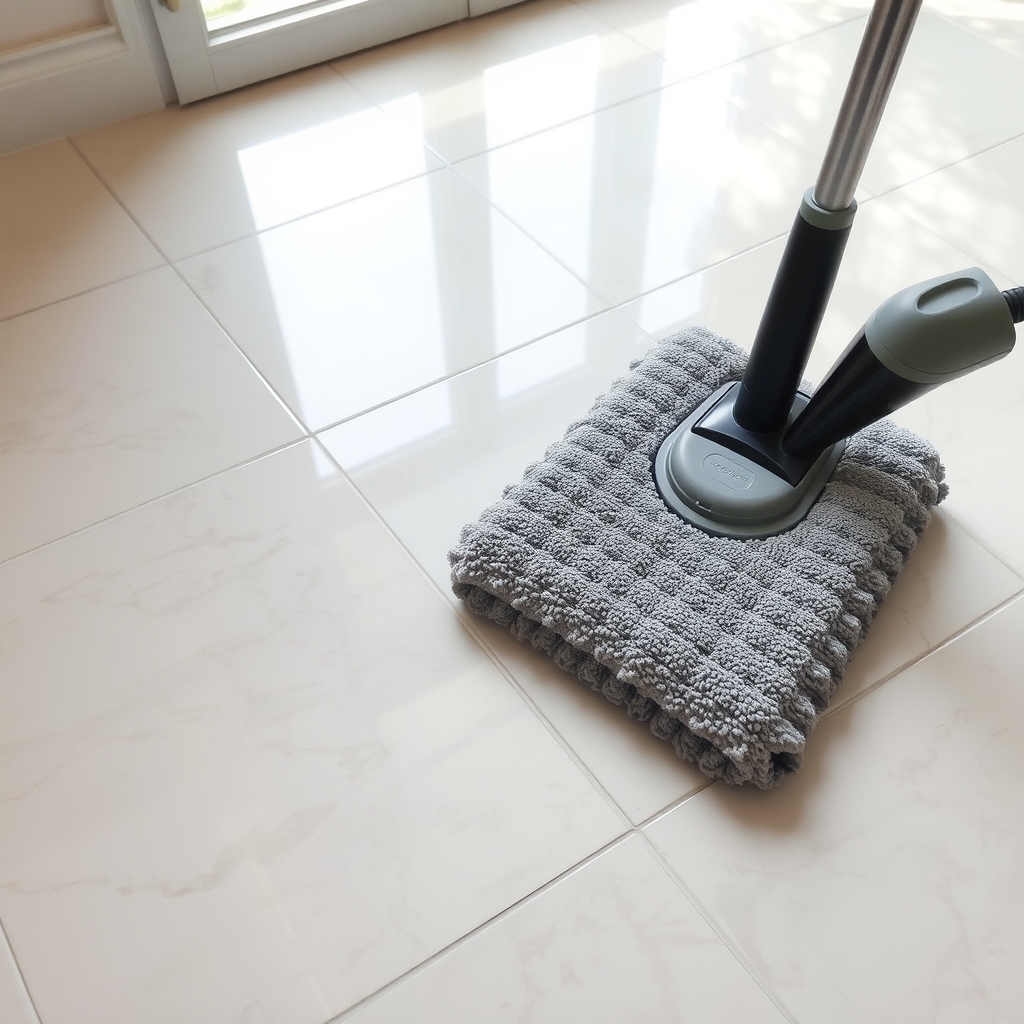
Steam Mop Leaving Streaks? Distilled Water and a Clean Pad Help
Read the fix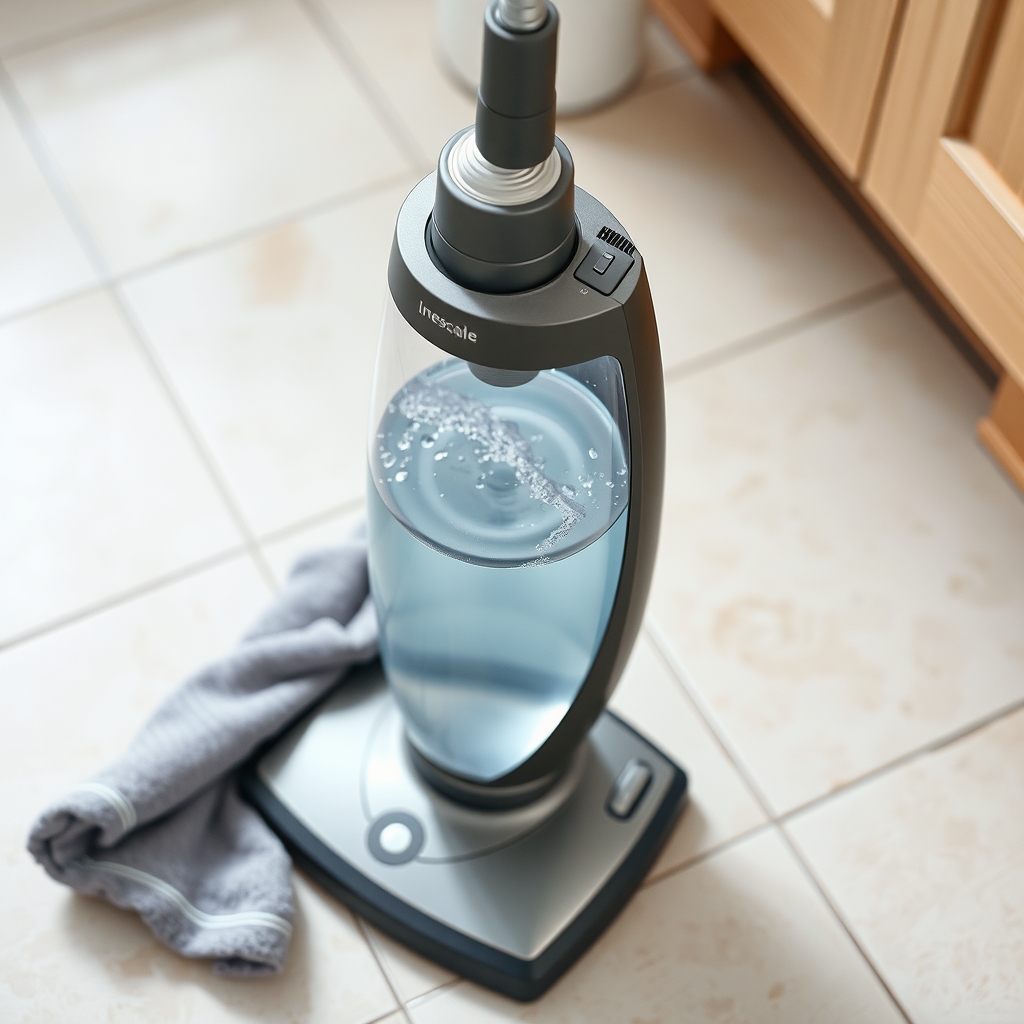 Free fix inside
Cleaning · Steam Mop
Steam Mop Not Steaming? Descale It and Check the Water Tank
Read the fix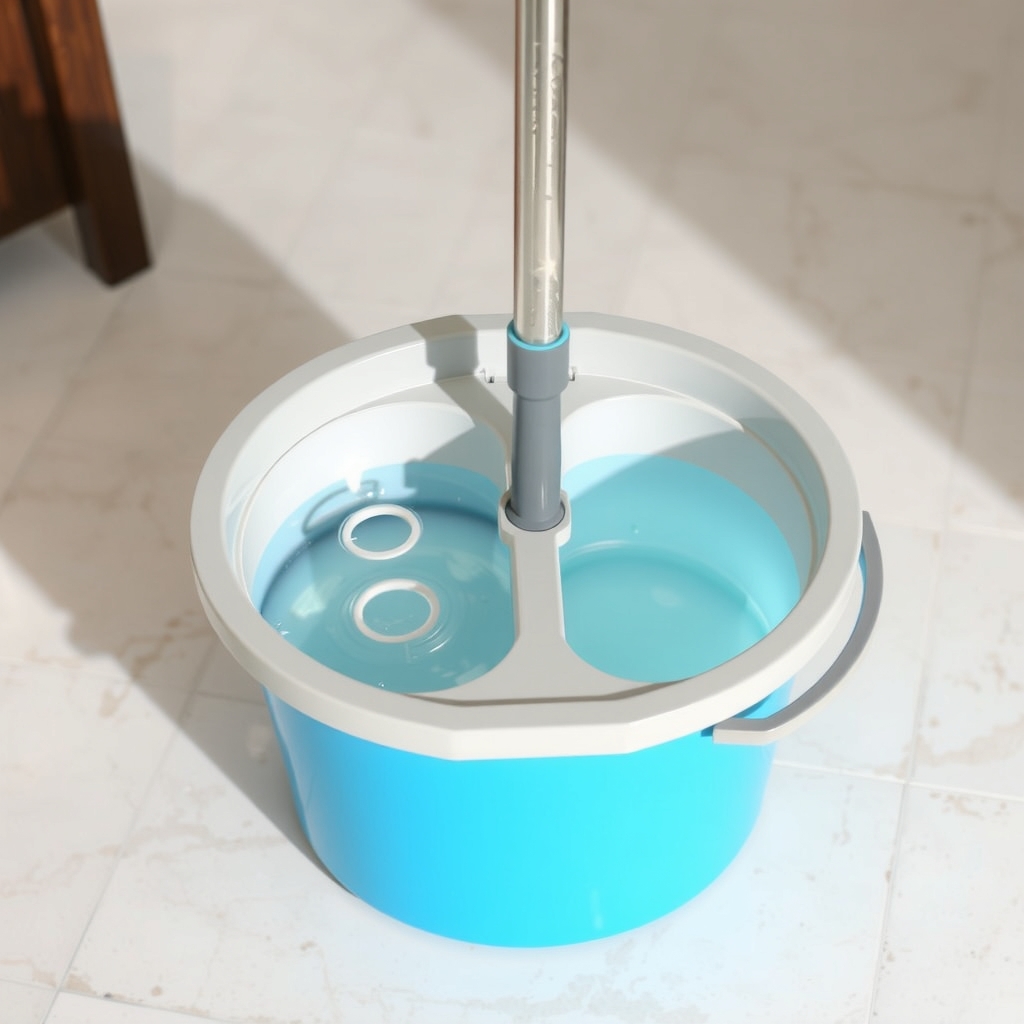 Free fix inside
Cleaning · Mop
Mop That Keeps Dirty Water Separate: 3 Systems Worth Buying
Read the fix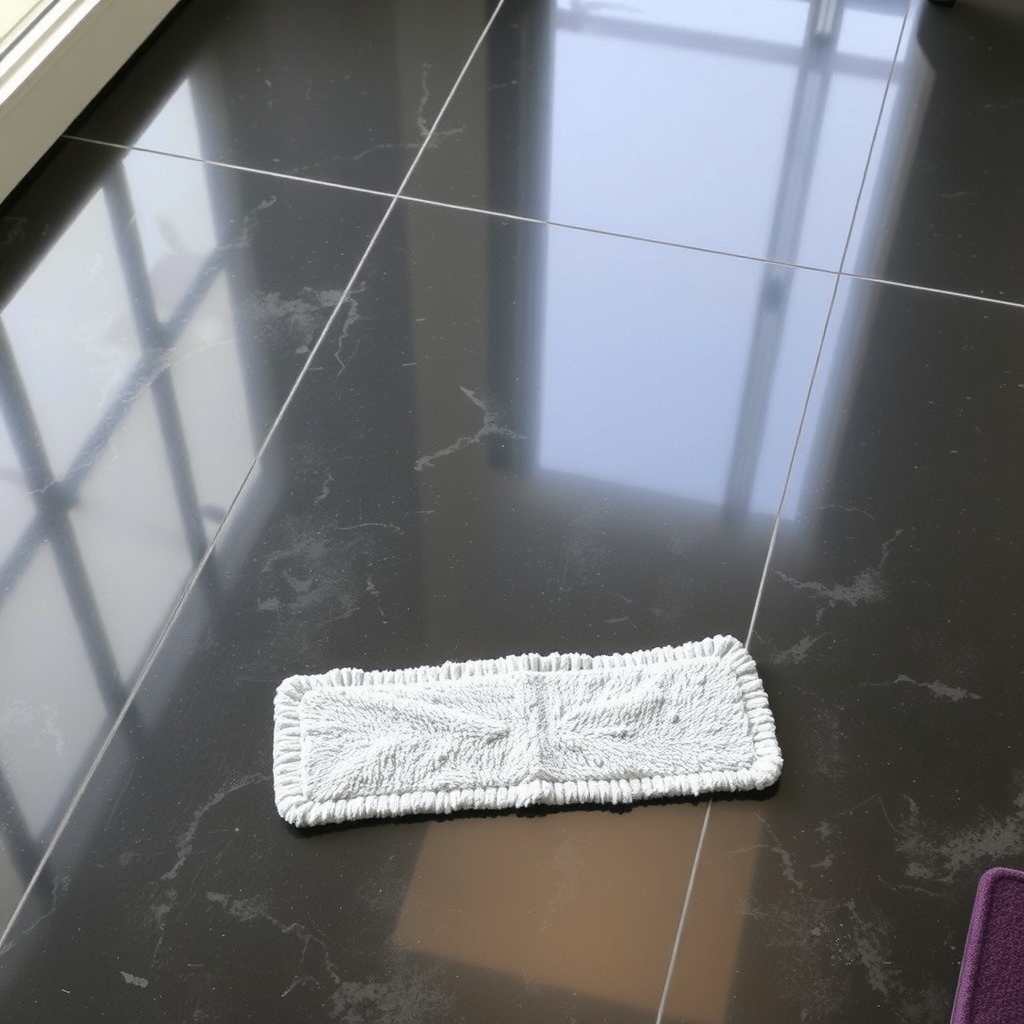 Free fix inside
Cleaning · Mop
Mop Leaving Streaks? Too Much Cleaner Is the Usual Reason
Read the fixAs an Amazon Associate I earn from qualifying purchases. Affiliate disclosure