Couch Squeaking? Find the Noisy Joint and Silence It
Couch squeaks come from one joint, spring or bracket rubbing. Find it by ear, tighten what is loose, then silence the rest with a silicone lubricant.
By Jamilur Rahman Updated November 5, 2026 · 6 min read
- Time
- 30 min
- Cost
- Under $20
- Difficulty
- Easy
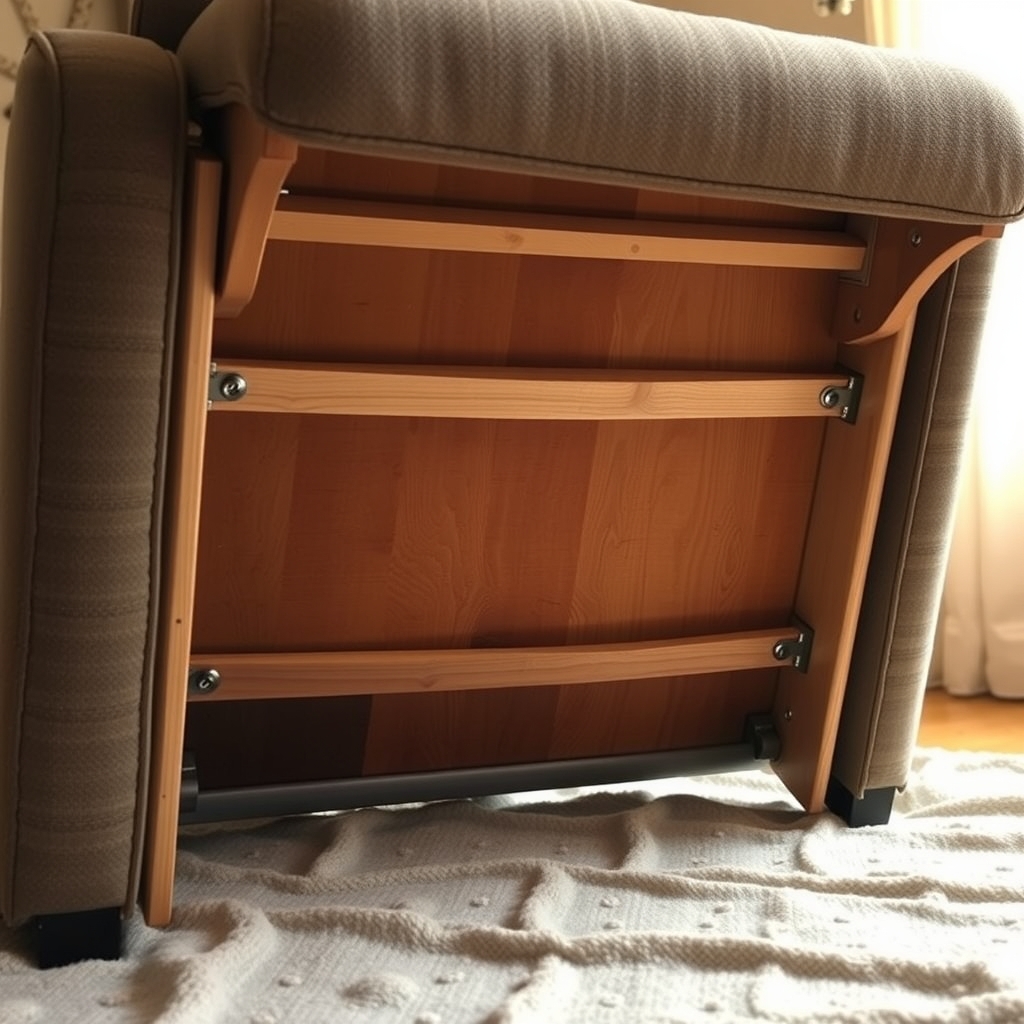
In this guide
Quick answer
To stop a couch from squeaking, find the one joint that makes the noise, then tighten it and lubricate it. Most squeaks come from a loose bolt or screw, two pieces of wood rubbing, or a metal bracket or spring moving against the frame. Tighten what is loose, wax the wood joints, and spray a silicone squeak stopper on the spot that still makes noise.
Free fix vs. permanent fix
Tighten the frame and wax the wood
- Sit and shift while a helper listens to find the noise
- Flip the couch and tighten every bolt, screw and bracket
- Rub candle wax or dry soap on wood-on-wood joints
- Re-test each seat and repeat
How long it lasts: Often months if a loose bolt was the cause. The squeak comes back if metal or wood still rubs.
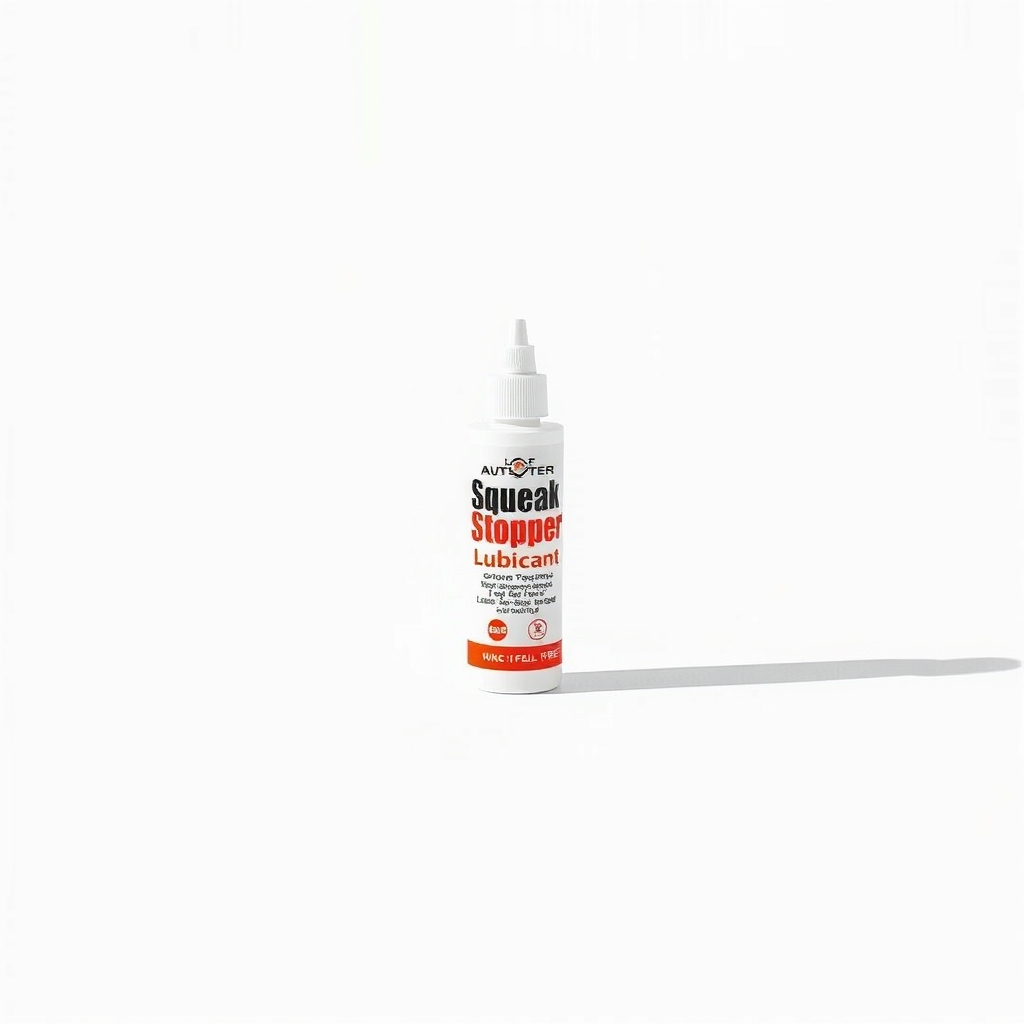
A silicone furniture squeak-stopper lubricant
A dry silicone lubricant coats the contact point so two parts glide without noise, and it reaches metal springs, clips and hinges where wax cannot go. Unlike oil it does not run, so with a straw nozzle you can put it right where it belongs.
What to get: Silicone squeak-stopper lubricant
How long it lasts: Usually a year or more on a joint that is no longer loose. Reapply if the noise returns.
As an Amazon Associate I earn from qualifying purchases.
What you'll need
-
Screwdriver
Most frames use Phillips screws
You have it -
Candle wax or dry soap
For wood parts that rub together
Free - Illustration
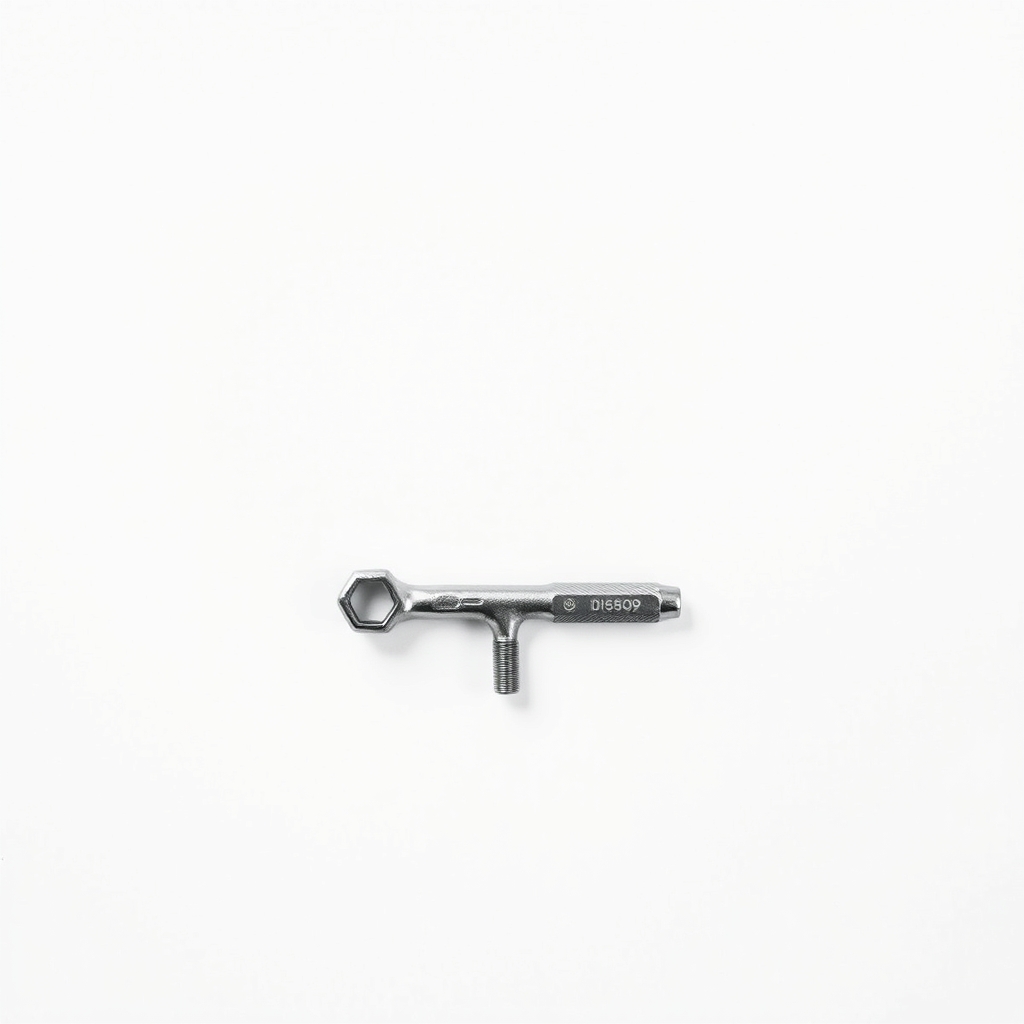
Hex key set
Many sofa frames use hex bolts
- Our pick Illustration
Silicone squeak-stopper lubricant
Pick a spray with a straw nozzle for tight joints
- Illustration
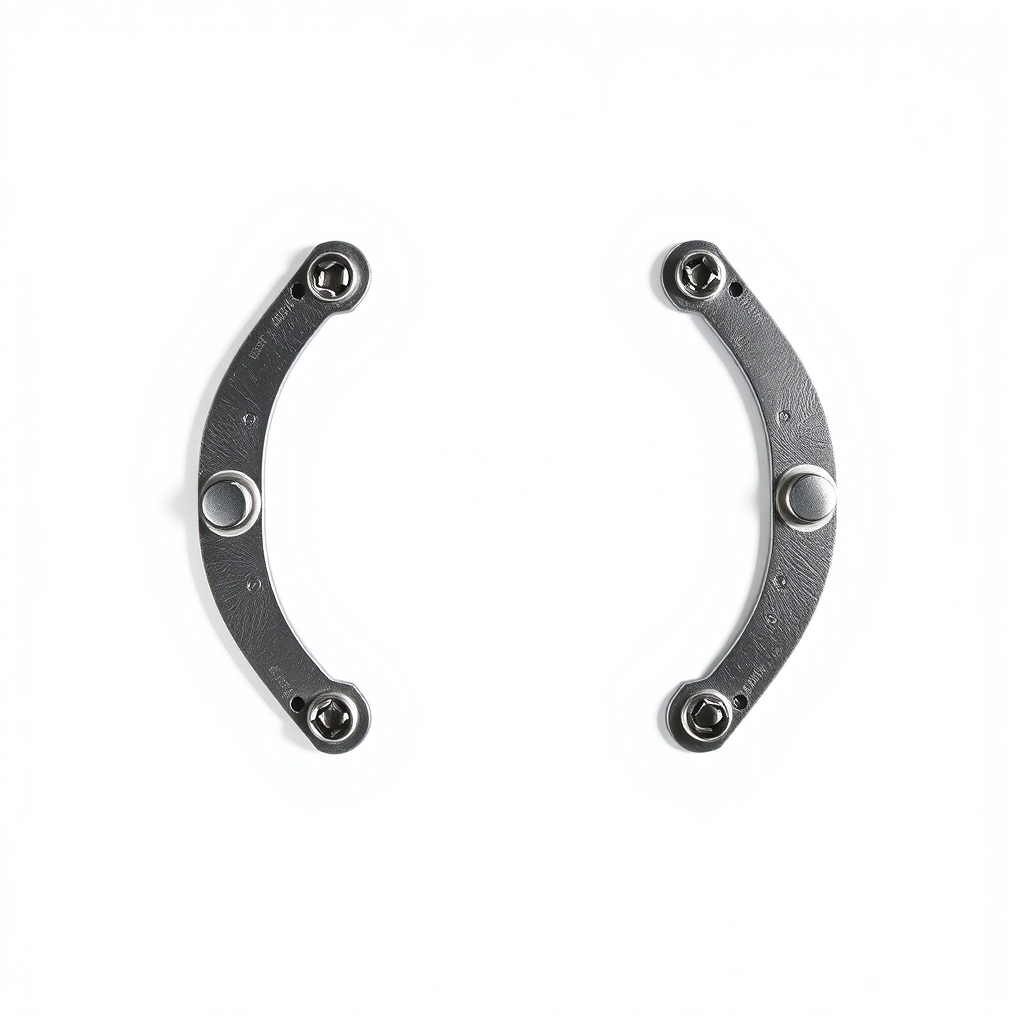
Steel corner braces
Only for a frame corner that will not stay tight
Why it happens
Loose bolts and screws
A frame flexes a little every time someone sits. Over the years the hardware backs out, and the joint it was holding starts to shift and squeak. This is the most common cause.
Wood rubbing on wood
Dowels, corner blocks and frame rails rub where they meet. Dry air and humidity swings shrink and swell the wood, so a joint that was tight last summer creaks this winter.
Metal springs and clips
Zigzag springs sit in clips on the frame. When a clip loosens or the metal dries out, the spring rubs and chirps whenever you shift.
Recliner and sleeper mechanisms
Pivot points and hinges in a recliner or sofa bed go dry over time. The noise usually appears only when you move the lever or lean back.
Try this first (free)
Do these in order, starting with the simplest.
-
Pin down the noise
Sit on each seat and shift your weight while a helper listens with an ear near the frame. Press on the arms and back too. Mark the noisy spot with a piece of tape.
-
Flip the couch and tighten everything
Tool used: ScrewdriverTip it on its side on a blanket, check every bolt, screw and bracket under the frame, and snug each one. Stop when it is firm. Over-tightening into wood strips the hole.
-
Wax the wood-on-wood joints
Tool used: Candle wax or dry soapRub candle wax or a dry bar of soap on dowels, corner blocks and anywhere two wood parts meet. It cuts the friction and quiets a creak for a while.
-
Lubricate what still squeaks
Tool used: Silicone squeak-stopper lubricantHold a piece of cardboard against the fabric to shield it. Aim the straw nozzle at the joint, spring clip or metal hinge and give it a short spray. Wipe the overspray off right away.
IllustrationCheck price on AmazonTool for this step
Silicone squeak-stopper lubricant · Pick a spray with a straw nozzle for tight joints
-
Test and put it back
Stand the couch up, sit on each seat and shift around. If a spot still squeaks, mark it and repeat that joint.
When free fixes aren't enough
If tightening and wax do not stop the noise, the sound is likely in metal: a spring, a clip or a mechanism hinge. Wax will not reach those parts, and plain oil stains upholstery. That is where a silicone squeak stopper earns its place. If a wood joint is cracked or a bolt hole is stripped, a steel corner brace and wood glue is the lasting repair. If you hear cracking when you sit, or the frame leans or splits, stop using that seat until it is repaired.
Buy the fix
Still stuck after the free fixes? These are the products we would look at.
| Pick | Product | Fixes | Who it's for | Buy |
|---|---|---|---|---|
| Best pick | Silicone squeak-stopper lubricant | squeaks from metal springs, hinges and dry wood joints | Anyone whose couch still squeaks after tightening the frame. | Check price |
| Budget pick | Hex key set | loose bolts, the most common cause of couch squeaks | Anyone whose frame uses hex bolts and who has no keys. | Check price |
| Upgrade pick | Steel corner braces with screws | a wood joint that will not stay tight | Frames with a wobbly corner that keeps loosening. | Check price |
Silicone squeak-stopper lubricant
Fixes: squeaks from metal springs, hinges and dry wood joints
Look for: A dry silicone formula that does not leave an oily film; A straw nozzle for tight joints; Safe for wood, metal and plastic, according to the label.
- Who it's for
- Anyone whose couch still squeaks after tightening the frame.
- Honest downside
- The squeak comes from a loose bolt. Tighten it first. Test any spray on a hidden spot before it gets near fabric or leather.
Hex key set
Fixes: loose bolts, the most common cause of couch squeaks
Look for: Metric and standard sizes in one set; L-shaped keys with a ball end for tight angles; A holder that keeps the sizes together.
- Who it's for
- Anyone whose frame uses hex bolts and who has no keys.
- Honest downside
- Your couch uses only Phillips screws. A screwdriver is enough.
Steel corner braces with screws
Fixes: a wood joint that will not stay tight
Look for: Zinc-plated or coated steel; Screws included; A size that fits flat against the frame corner.
- Who it's for
- Frames with a wobbly corner that keeps loosening.
- Honest downside
- The frame wood is split or crumbling. The brace has nothing solid to grip.
As an Amazon Associate I earn from qualifying purchases. We don't show prices because they change, so use the button to see today's price.
How we picked: How we picked: this page is based on furniture repair guides, directions from silicone lubricant makers, and the problems and fixes owners report in reviews. We do not test products by hand.
Where squeaks usually hide, by couch type
- Wood-frame sofa: corner blocks and dowel joints at the base of the arms.
- Sofa bed: the pivot joints and the fold-out frame hinges.
- Recliner: pivot arms and the spring where the footrest folds.
- Zigzag spring seats: the clips at each end of the springs.
- Sectional: the metal connector brackets that join the pieces.
What to skip
Oil sprays and cooking oil
Plain oil sprays and cooking oil run, stain fabric and wood and attract dust. They quiet the noise for a few days, then leave a mess. Use wax on wood and dry silicone on metal.
Frequently asked questions
Why does my couch squeak when I sit down?
Why is my couch creaking?
Is a squeaky couch about to break?
Can I fix a squeaky recliner the same way?
Related problems
 Free fix inside
Cleaning · Couch Repair
Couch Cushion Zipper Stuck or Split? A 5-Minute Repair
Read the fix Free fix inside
Cleaning · Hardwood Floor
Hardwood Floor Squeaking? Powder, Screws, and a Quiet-Floor Kit
Read the fix Free fix inside
Bedroom & Sleep · Bed Frame
Squeaky Bed Frame? 5 Quiet Fixes, From Free to Cheap
Read the fix Free fix inside
Home Office & Cables · Office Chair Noise
Why Does My Office Chair Squeak? Find the Joint and Lubricate It
Read the fixAs an Amazon Associate I earn from qualifying purchases. Affiliate disclosure