Why Does My Office Chair Squeak? Find the Joint and Lubricate It
A squeak comes from one loose or dry joint: bolts, tilt mechanism, casters or armrests. Find it by feel, tighten it, then silence it with silicone spray.
By Jamilur Rahman Updated November 5, 2026 · 6 min read
- Time
- 20 min
- Cost
- Under $20
- Difficulty
- Easy
In this guide
Quick answer
Why does my office chair squeak? Almost always one joint is loose or dry: the seat bolts, the tilt mechanism under the seat, a caster stem or an armrest. Rock the chair to find the noise, tighten the bolts with the hex key, then give the dry joint a short shot of silicone lubricant so it stays quiet. Tightening alone fixes many squeaks, but a dry pivot needs lubricant to stay fixed.
Free fix vs. permanent fix
Find the noise and tighten every bolt
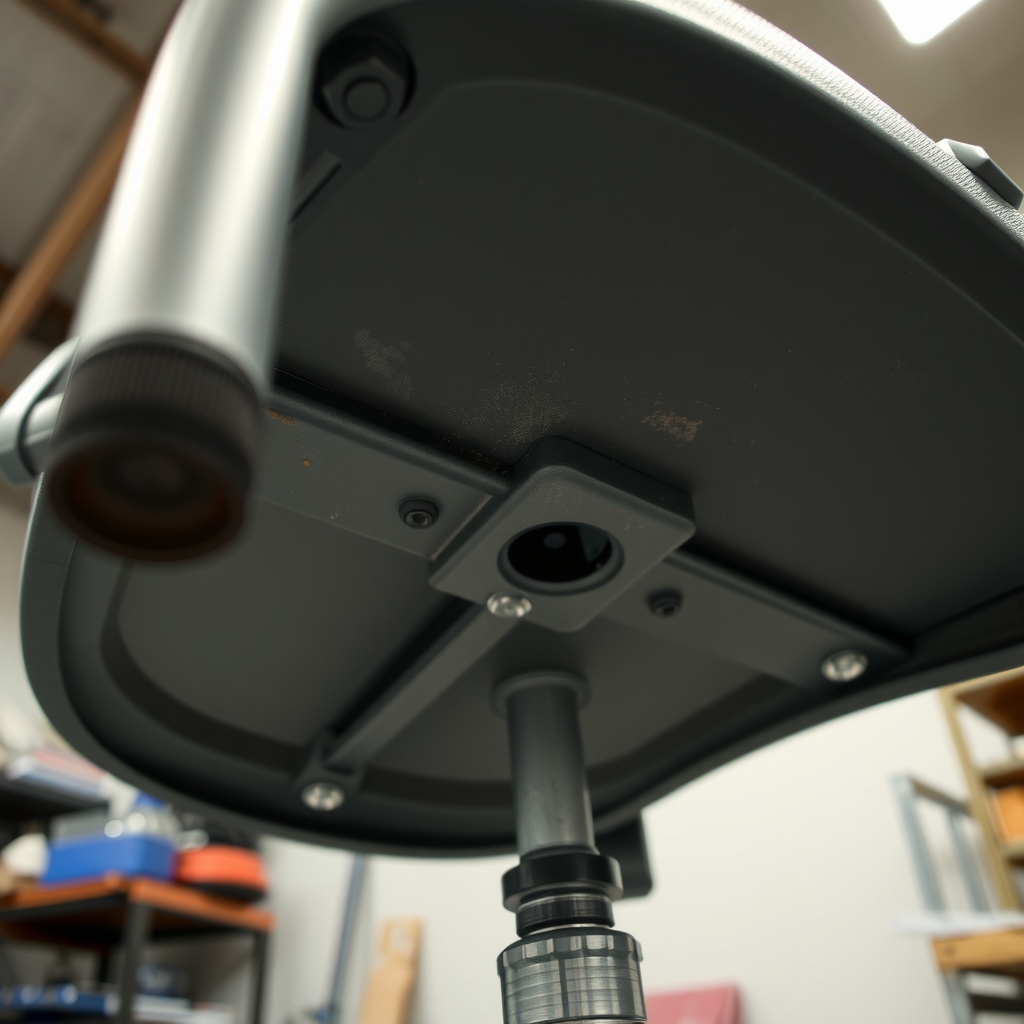
- Tip the chair back and tighten the bolts under the seat
- Check the backrest and armrest screws
- Wipe dust and hair from the casters and tilt mechanism
- Rub a bar of soap on a dry pivot as a stopgap
How long it lasts: Months if loose bolts were the cause. A dry metal pivot starts squeaking again within weeks.
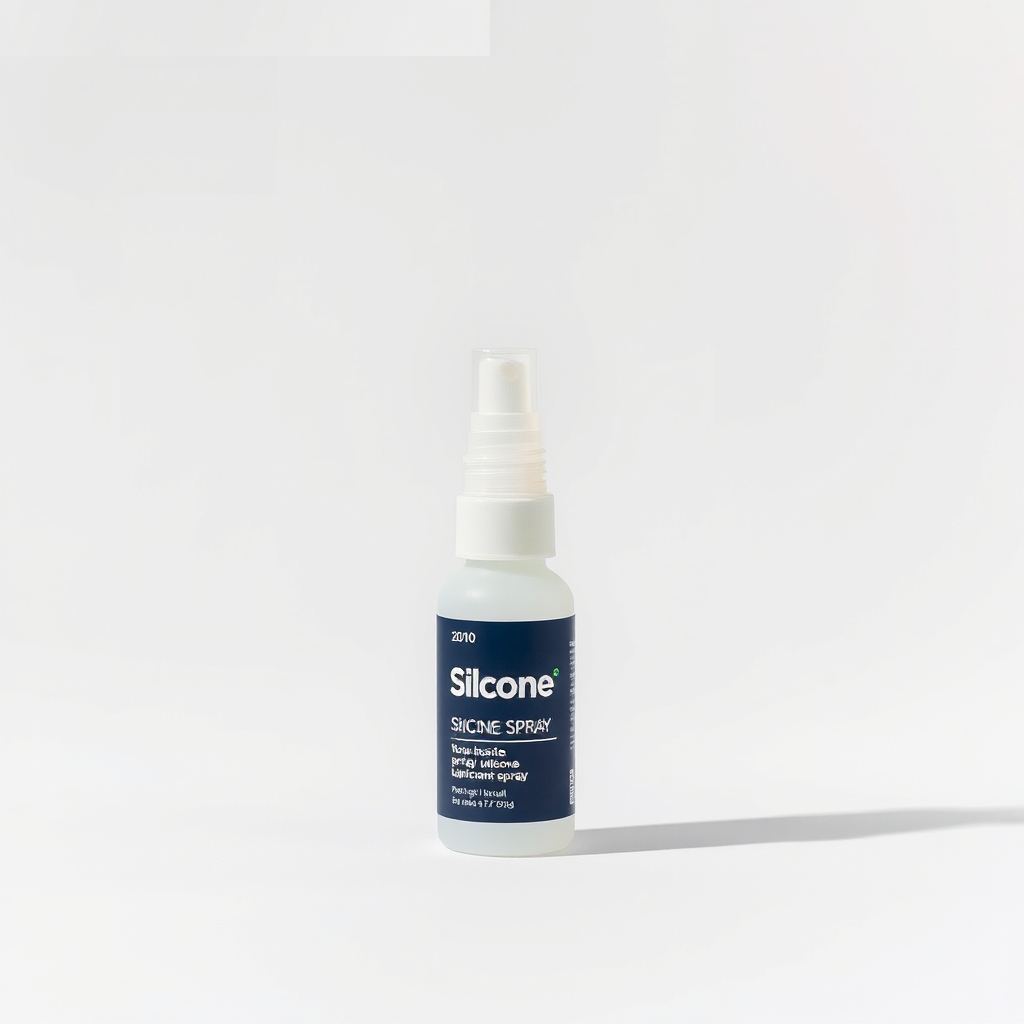
Silicone lubricant spray with a straw
Squeaks start when two parts rub without a film between them. Soap and wax wear off fast. Silicone spray leaves a thin slick layer that lasts, and the straw lets you hit the exact pivot.
What to get: Silicone lubricant spray with straw
How long it lasts: Months, often longer, depending on how much you tilt. It dries to a thin film that does not harm plastic or rubber when the label says it is safe.
As an Amazon Associate I earn from qualifying purchases.
What you'll need
-
Hex key
Often taped under the seat or packed with the chair
You have it -
Rag or paper towel
Wipes dust and overspray
You have it -
Cardboard sheet
Shields the floor from spray
Free - Our pick Illustration
Silicone lubricant spray
Plastic-safe, with a thin straw for tight spots
- Illustration

White lithium grease
For a heavy metal-on-metal tilt mechanism
Why it happens
Loose bolts
The bolts that hold the seat, backrest and armrests work loose with daily rocking. A joint that moves a hair makes a squeak or a creak.
A dry tilt mechanism
Under the seat, metal parts slide and pivot. When the factory grease wears off or dust collects, they squeak when you lean or rock back.
Dirty or dry casters
Hair, dust and grit wrap around the wheel axle and stem. The wheel squeals as it rolls, or the stem squeaks in its socket.
Plastic rubbing on plastic
Seat shells, armrest covers and backrests can rub at their edges. You hear it as a creak when you shift your weight.
Try this first (free)
Do these in order, starting with the simplest.
-
Find the noise
Sit and rock, lean back, turn and shift your weight. Have someone listen, or press a hand on a joint as you move and feel for the vibration. A squeak when you lean back points to the tilt mechanism. A squeak when rolling points to the casters. A creak when you sit points to bolts or the seat plate.
-
Tighten every bolt
Tool used: Hex keyTip the chair over and tighten the seat plate bolts and the mechanism bolts. Then do the backrest and armrest screws. Snug is enough, and stop when firm so you do not strip the threads.
-
Clean the moving parts
Tool used: Rag or paper towelWipe dust and hair from the tilt mechanism and the visible shaft of the gas lift. Pull the hair off the caster axles with your fingers or tweezers.
-
Lubricate the dry joint
Tool used: Silicone lubricant sprayLay cardboard on the floor. Spray silicone in short bursts at the squeaking pivot, using the straw. Work the joint back and forth, then wipe off the excess so nothing drips on fabric or the floor. Spray the caster stem, not the wheel tread.
IllustrationCheck price on AmazonTool for this step
Silicone lubricant spray · Plastic-safe, with a thin straw for tight spots
-
Pull and treat the casters
Grip a caster and pull it straight out of its socket. Wipe the stem, add a small shot of lubricant and press it back in until it seats. Do all five.
-
Test and repeat
Sit, rock and roll. If the squeak moves to another joint, repeat the tighten and lubricate steps there.
When free fixes aren't enough
If tightening stops a creak but a squeak returns in a week, the metal pivot is dry, and silicone or grease lasts longer than soap or wax. If bolts keep working loose, the thread is stripped or the part is worn, so replace it. If you find a crack in the seat plate, the mechanism, the base or the gas lift, or the chair wobbles or drops suddenly, stop using it. A failed chair can drop you to the floor.
Buy the fix
Still stuck after the free fixes? These are the products we would look at.
| Pick | Product | Fixes | Who it's for | Buy |
|---|---|---|---|---|
| Best pick | Silicone lubricant spray with straw | squeaks from dry pivots, caster stems and sliding plastic | Anyone whose chair squeaks when leaning, tilting or rolling. | Check price |
| Upgrade pick | White lithium grease | heavy metal-on-metal squeaks that silicone wipes away | Anyone whose tilt mechanism squeaks again after a silicone spray. | Check price |
Silicone lubricant spray with straw
Fixes: squeaks from dry pivots, caster stems and sliding plastic
Look for: A label that says safe on plastic and rubber; A thin straw for tight spots; A dry or clear finish that does not stain.
- Who it's for
- Anyone whose chair squeaks when leaning, tilting or rolling.
- Honest downside
- The noise is a loose bolt, which needs tightening first. Also keep it off upholstery you cannot wipe and off the floor where you walk.
White lithium grease
Fixes: heavy metal-on-metal squeaks that silicone wipes away
Look for: A thick grease sold for metal pivots; A tube or can with a precise applicator; A formula that stays in place and does not run.
- Who it's for
- Anyone whose tilt mechanism squeaks again after a silicone spray.
- Honest downside
- There is fabric or carpet near the joint. Grease stains and is harder to clean.
As an Amazon Associate I earn from qualifying purchases. We don't show prices because they change, so use the button to see today's price.
How we picked: How we picked: this page is based on chair maintenance guides from office furniture makers, lubricant labels and care advice, and what owners report in reviews of silicone sprays and greases. We do not test products by hand.
Squeak, creak or click? Match the noise to the joint
- A squeak when you lean back: the tilt mechanism. Clean and lubricate the pivots.
- A squeak when you roll: the casters. Pull hair off the axles and lubricate the stems.
- A creak when you sit down: loose seat bolts or the seat plate. Tighten them.
- A click when you swivel: the base or swivel plate. Check the bolts around it.
- A squeak from the arms: armrest screws or the pad. Tighten and wipe the contact edges.
What to skip
Thin oils as a long-term fix
Thin penetrating oils quiet a squeak for a short time, then attract dust and gum up the pivot. They also drip on the floor and carpet. Use silicone spray or grease, applied sparingly.
Frequently asked questions
Why does my office chair squeak so much?
My office chair keeps squeaking after I tightened it. What now?
How do I stop a desk chair from creaking?
How do I fix an office chair squeak without taking it apart?
Related problems
 Free fix inside
Home Office & Cables · Office Chair Parts
Why Is My Office Chair Wobbly? Tighten It, Then Replace the Worn Part
Read the fix Free fix inside
Home Office & Cables · Office Chair Parts
Why Is My Office Chair Tilting Forward? Tilt Mechanism Fixes
Read the fix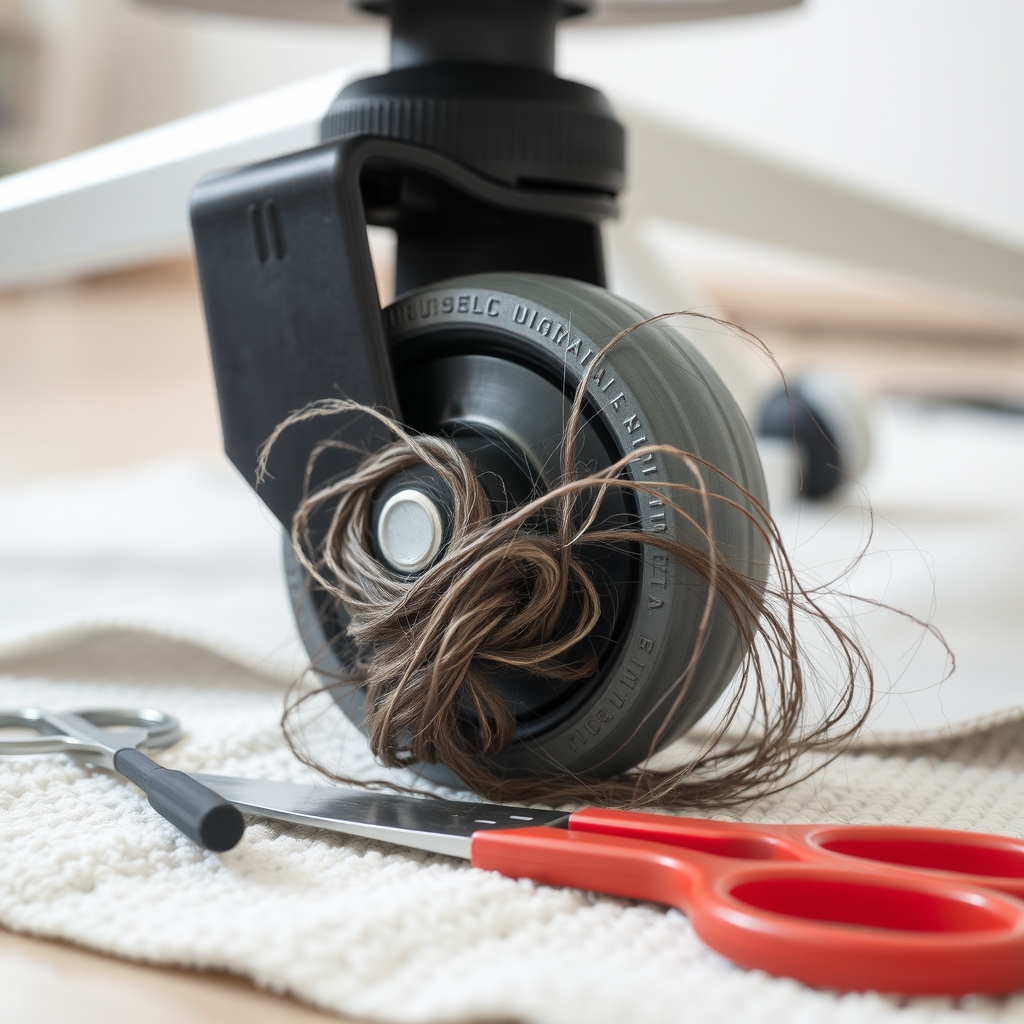 Free fix inside
Home Office & Cables · Office Chair Casters
Office Chair Not Rolling? Clean the Casters or Swap Them
Read the fix Free fix inside
Home Office & Cables · Office Chair Lift
Why Does My Office Chair Keep Sinking? The Cylinder Swap That Fixes It
Read the fixAs an Amazon Associate I earn from qualifying purchases. Affiliate disclosure