Why Is My Office Chair Wobbly? Tighten It, Then Replace the Worn Part
Most wobble comes from loose bolts under the seat. Tighten each joint, then swap any stripped bolt or worn part so the chair stays steady.
By Jamilur Rahman Updated November 5, 2026 · 6 min read
- Time
- 20 min
- Cost
- Under $20
- Difficulty
- Easy
In this guide
Quick answer
Why is your office chair wobbly? Almost always it is loose bolts where the seat meets the mechanism, or a caster or cylinder that has worked loose. Flip the chair, tighten every bolt with the right hex key, and push the casters in until they seat. If a bolt spins without gripping, a repair hardware kit gives you replacement bolts and washers that hold.
Free fix vs. permanent fix
Tighten every bolt and seat the parts
- Flip the chair and tighten the four seat-plate bolts
- Check the backrest and armrest screws
- Push each caster firmly into its socket
- Reseat the cylinder in the base
How long it lasts: Months if the threads are good. If a bolt is stripped or its hole is worn, it loosens again within days.
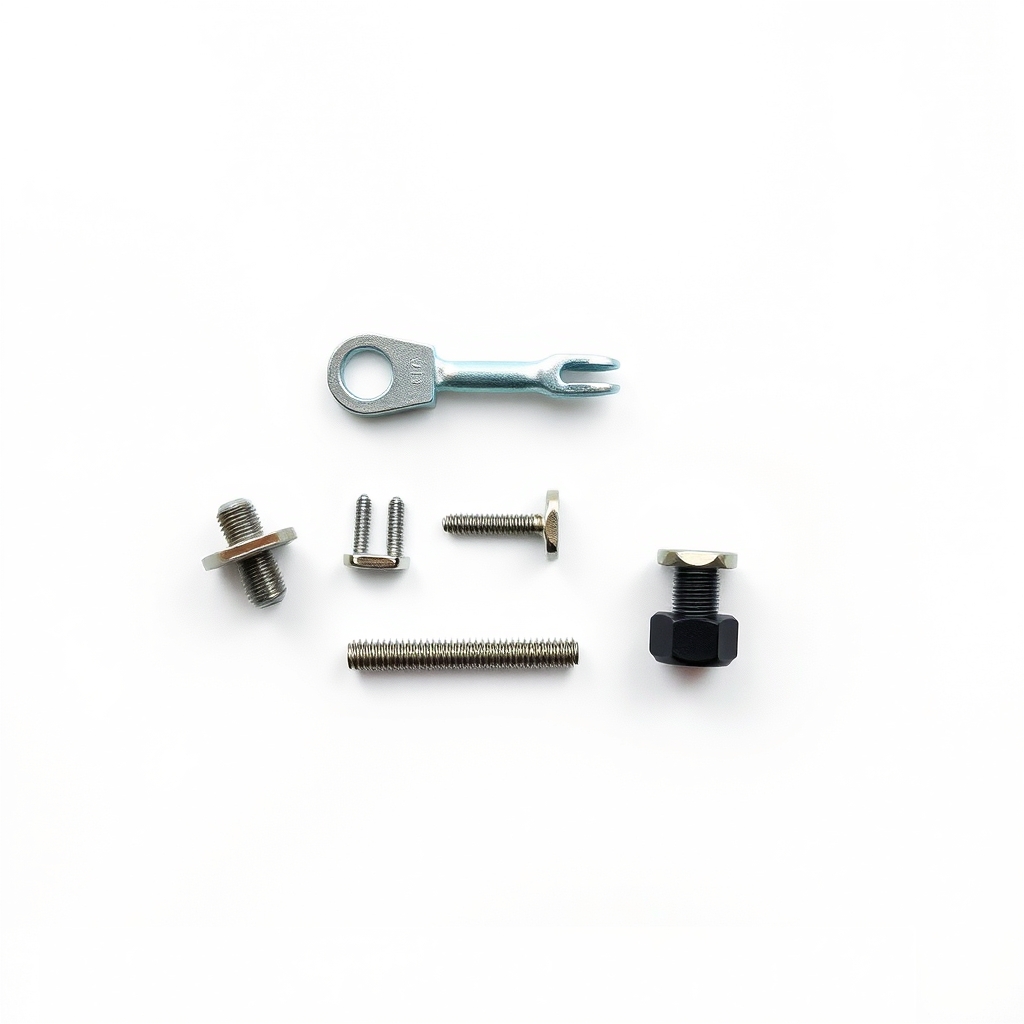
A chair repair hardware kit
A loose bolt is easy to fix. A stripped or bent one cannot hold, so tightening it just spins forever. Replacement bolts with washers let you rebuild the joint properly, and a drop of thread-locker keeps it tight.
What to get: Office chair repair hardware kit
How long it lasts: Years. New bolts, washers and lock washers grip firmly and do not work loose.
As an Amazon Associate I earn from qualifying purchases.
What you'll need
-
Hex key set
Often the key that came in the chair box
You have it -
Rubber mallet
For tapping parts back into place without damage
You have it - Our pick Illustration
Chair repair hardware kit
Match the thread and length of the old bolt
- Illustration
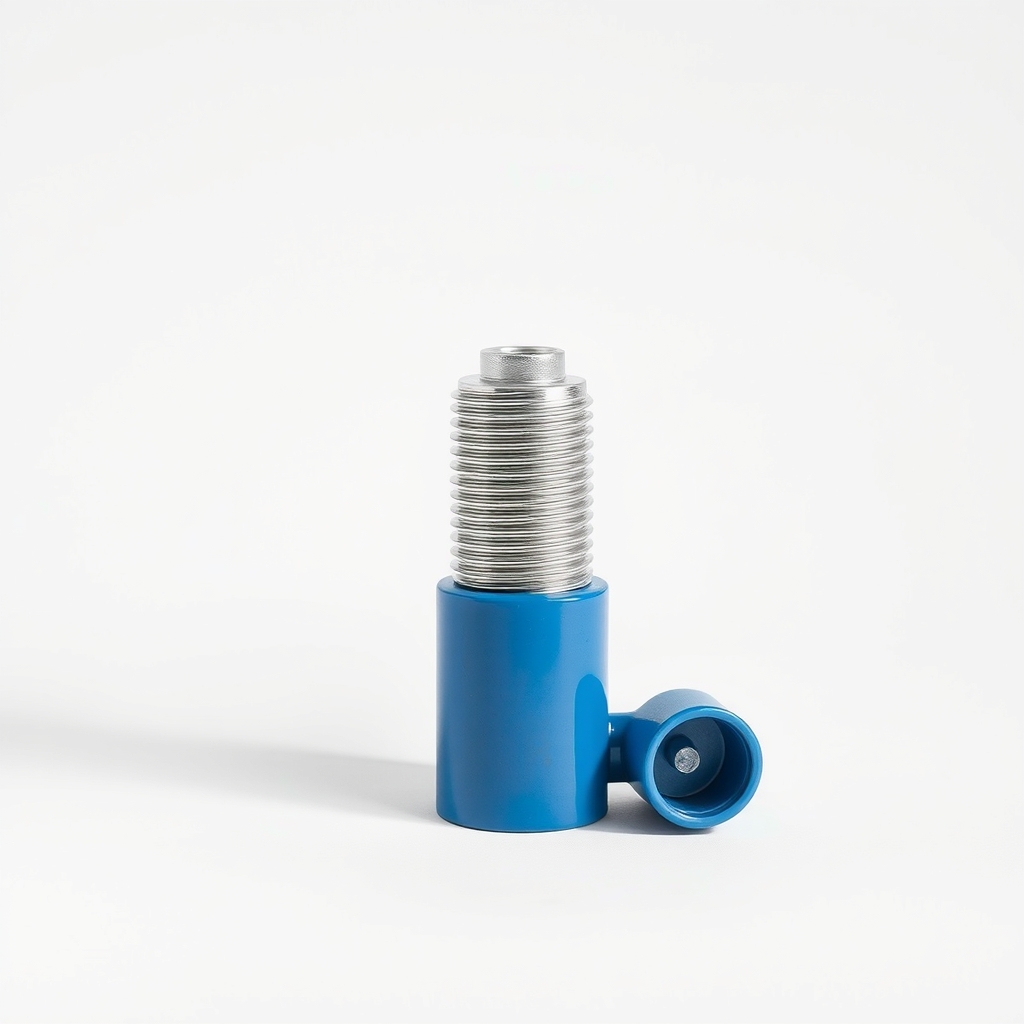
Blue medium-strength thread locker
Keeps good bolts from backing out
- Illustration
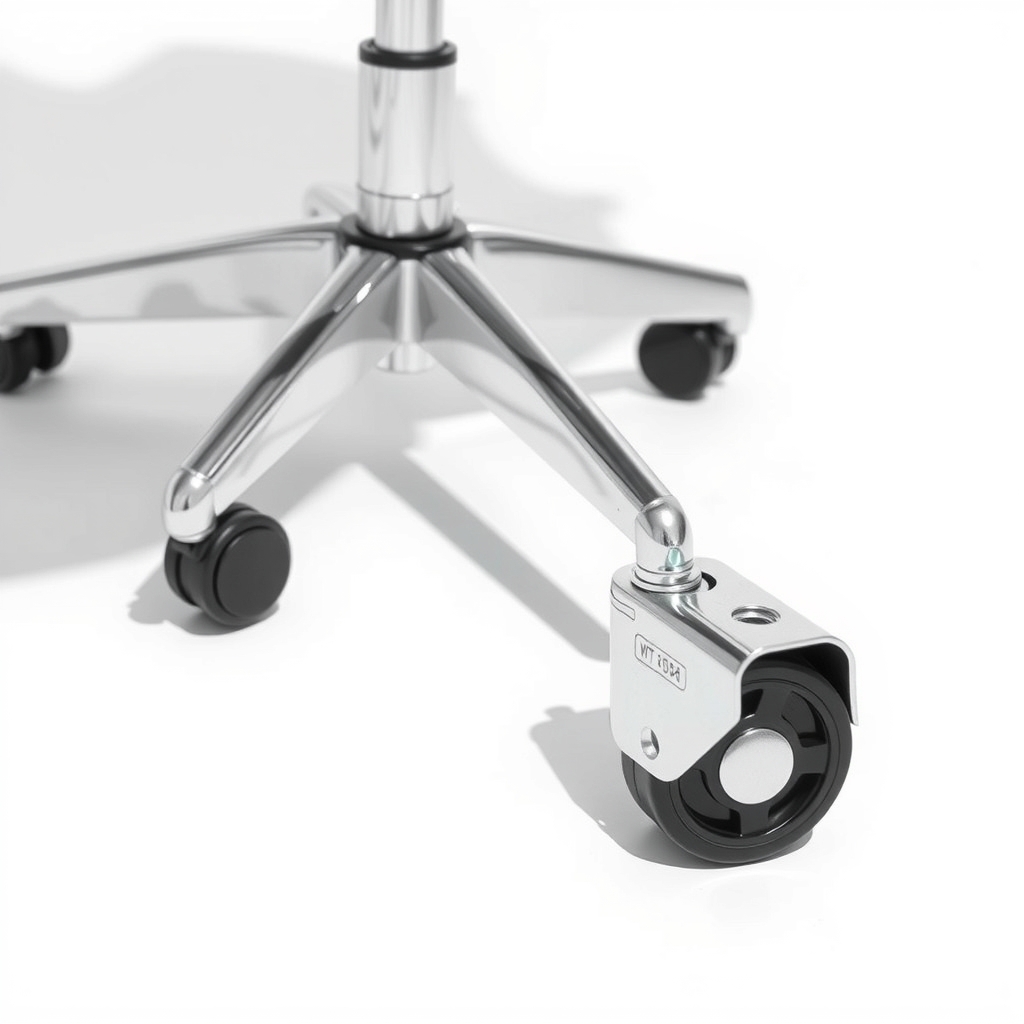
Replacement chair casters
Only if a caster stem is bent or worn
Why it happens
Loose seat-plate bolts
Four bolts hold the seat to the tilt mechanism. Rocking and daily use loosen them, and the seat starts to shift from side to side.
A loose or stripped backrest or armrest screw
These screws sit in thin metal or plastic. They back out over time or strip the thread, so they cannot tighten.
Casters not seated, or with worn stems
Each caster stem presses into the base. A bent stem or a worn socket lets the wheel tilt, and the whole chair rocks.
A cylinder that has shifted in the base
The gas cylinder wedges into the base on a taper. If it has worked up, the chair feels loose at the bottom.
Cracked plastic or a bent base
A cracked base arm, bent steel or a damaged mechanism cannot be tightened. That is a safety problem, not a wobble.
Try this first (free)
Do these in order, starting with the simplest.
-
Flip the chair and inspect it
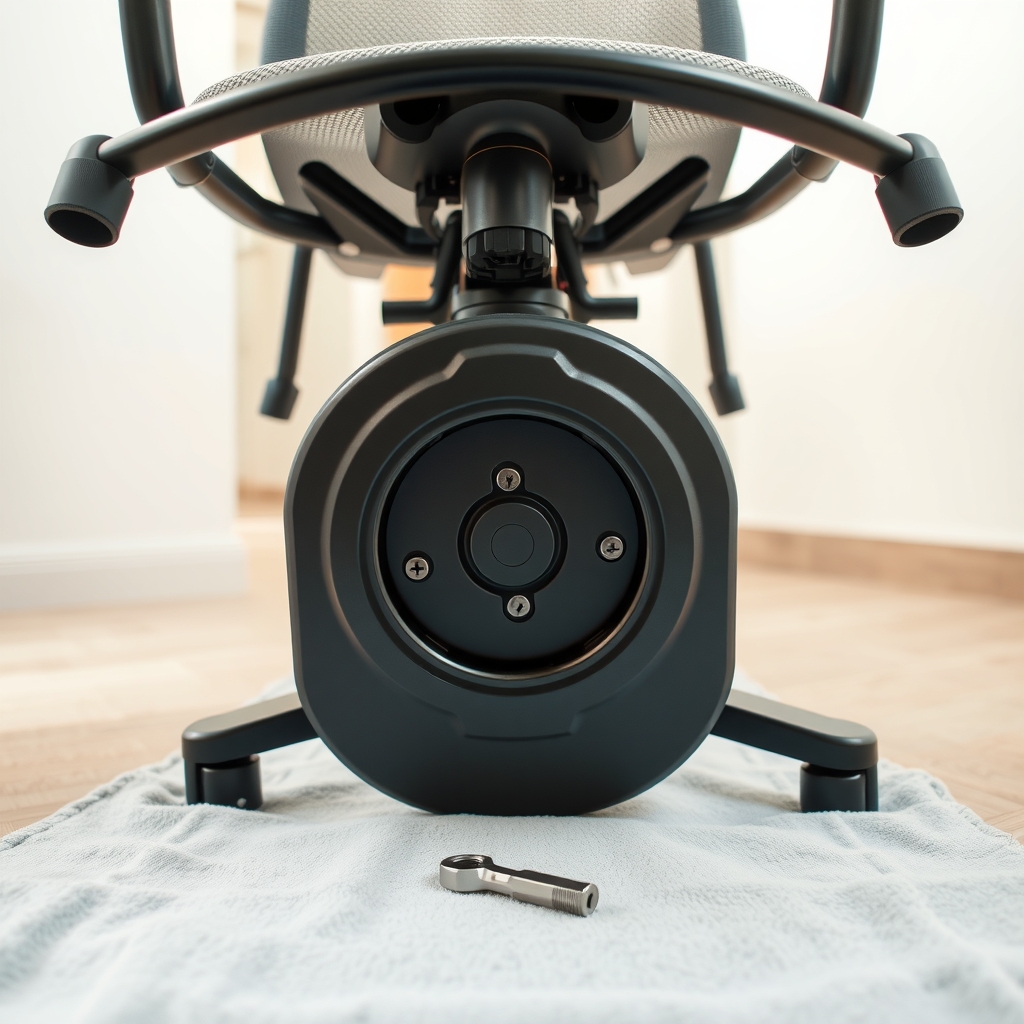
Lay the chair upside down on a towel. Look for cracks in the base arms, the mechanism and the seat plate. Stop here if you see any, because a cracked chair can collapse.
-
Tighten the seat-plate bolts
Tool used: Hex key setUse the hex key on the four bolts that hold the seat to the mechanism. Snug them in a cross pattern, a little at a time. Do not use a power drill, which can strip them.
-
Check the backrest and armrests
Tool used: Hex key setTighten any screw you find loose. If one spins without gripping, take it out and compare it to a replacement.
-
Reseat the casters and the cylinder
Tool used: Rubber malletPush each caster straight into its socket until it stops. If the cylinder feels loose in the base, tap the base down onto it with a rubber mallet.
-
Replace stripped hardware and lock it
Tool used: Chair repair hardware kitMatch the old bolt by thread and length. Clean the threads, add one drop of medium-strength thread locker, and tighten.
IllustrationCheck price on AmazonTool for this step
Chair repair hardware kit · Match the thread and length of the old bolt
-
Test it
Sit and rock side to side. Check the bolts again after a week, since new fasteners settle.
When free fixes aren't enough
If the plastic around a bolt hole is cracked, the metal plate is bent, a base arm is cracked, or the cylinder leaks oil or keeps sinking, stop using the chair. Do not take the gas cylinder apart, because it is under pressure. If only one caster wobbles, a new set is cheap. If the chair is old and several parts are worn, a new chair is the safer buy.
Buy the fix
Still stuck after the free fixes? These are the products we would look at.
| Pick | Product | Fixes | Who it's for | Buy |
|---|---|---|---|---|
| Best pick | Office chair repair hardware kit | stripped, missing or rounded bolts that will not stay tight | Anyone whose chair still wobbles after tightening, or who has lost a bolt. | Check price |
| Budget pick | Medium-strength thread locker (blue) | good bolts that keep backing out from vibration | Anyone whose bolts are healthy but keep loosening. | Check price |
| Upgrade pick | Replacement office chair casters | bent or worn caster stems that make the chair rock | Chairs where one wheel tilts or a stem looks bent. | Check price |
Office chair repair hardware kit
Fixes: stripped, missing or rounded bolts that will not stay tight
Look for: Assorted bolts in the common chair thread sizes; Flat and lock washers included; Hex keys included; Match thread and length to your old bolt.
- Who it's for
- Anyone whose chair still wobbles after tightening, or who has lost a bolt.
- Honest downside
- Your bolts are fine and just loose, or the base or mechanism is cracked. Tighten first, or replace the chair.
Medium-strength thread locker (blue)
Fixes: good bolts that keep backing out from vibration
Look for: Medium strength, so you can still undo the bolt later; A small bottle or stick; Rated for metal threads.
- Who it's for
- Anyone whose bolts are healthy but keep loosening.
- Honest downside
- The bolts are stripped (replace them first) or the part is plastic. Check the label.
Replacement office chair casters
Fixes: bent or worn caster stems that make the chair rock
Look for: A stem size that matches your base (many use 11 mm by 22 mm); A set of five; Soft wheels for hard floors, hard wheels for carpet.
- Who it's for
- Chairs where one wheel tilts or a stem looks bent.
- Honest downside
- Your casters are fine, so check the bolts first.
As an Amazon Associate I earn from qualifying purchases. We don't show prices because they change, so use the button to see today's price.
How we picked: How we picked: this page is based on office chair assembly manuals and repair guides, hardware kit descriptions, and the problems and fixes people report in reviews. We do not test products by hand.
Where is the wobble coming from? A 2-minute test
- The seat shifts on the base: the seat-plate bolts under the seat.
- The back leans or rocks: the backrest bolts or the tilt knob.
- The chair rocks on the floor: a caster that is not seated or has a worn stem.
- The whole chair twists at the center: the cylinder in the base.
What to skip
Gluing, taping or wedging a wobbling joint
Glue and tape may hold for a day, but they hide a stripped bolt or a crack and make the real repair harder. Wedging cardboard into a joint does the same. Tighten or replace the part instead.
Frequently asked questions
Why is my office chair wobbly even after tightening the bolts?
What size bolts does an office chair use?
Can I fix a wobbly gas lift on an office chair?
Is a wobbly office chair safe?
Related problems
 Free fix inside
Home Office & Cables · Office Chair Lift
Why Does My Office Chair Keep Sinking? The Cylinder Swap That Fixes It
Read the fix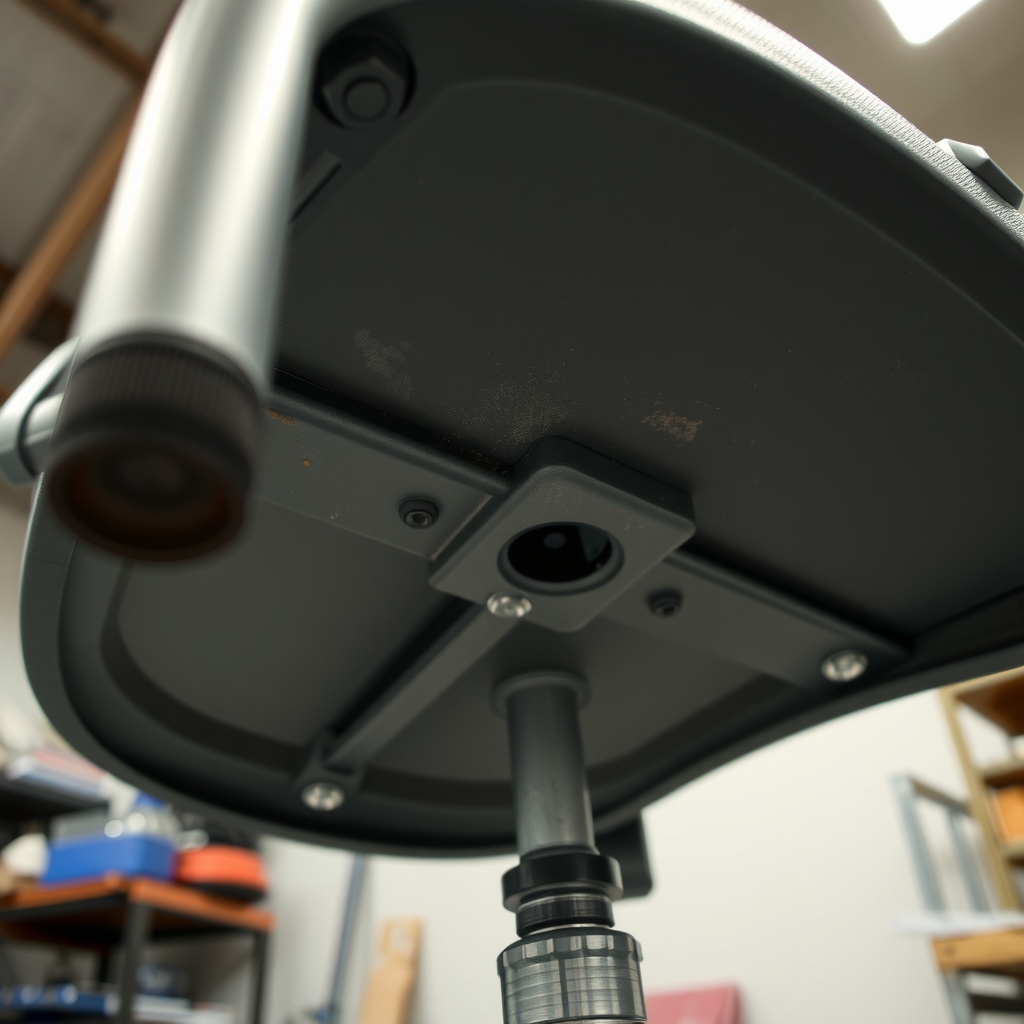 Free fix inside
Home Office & Cables · Office Chair Noise
Why Does My Office Chair Squeak? Find the Joint and Lubricate It
Read the fix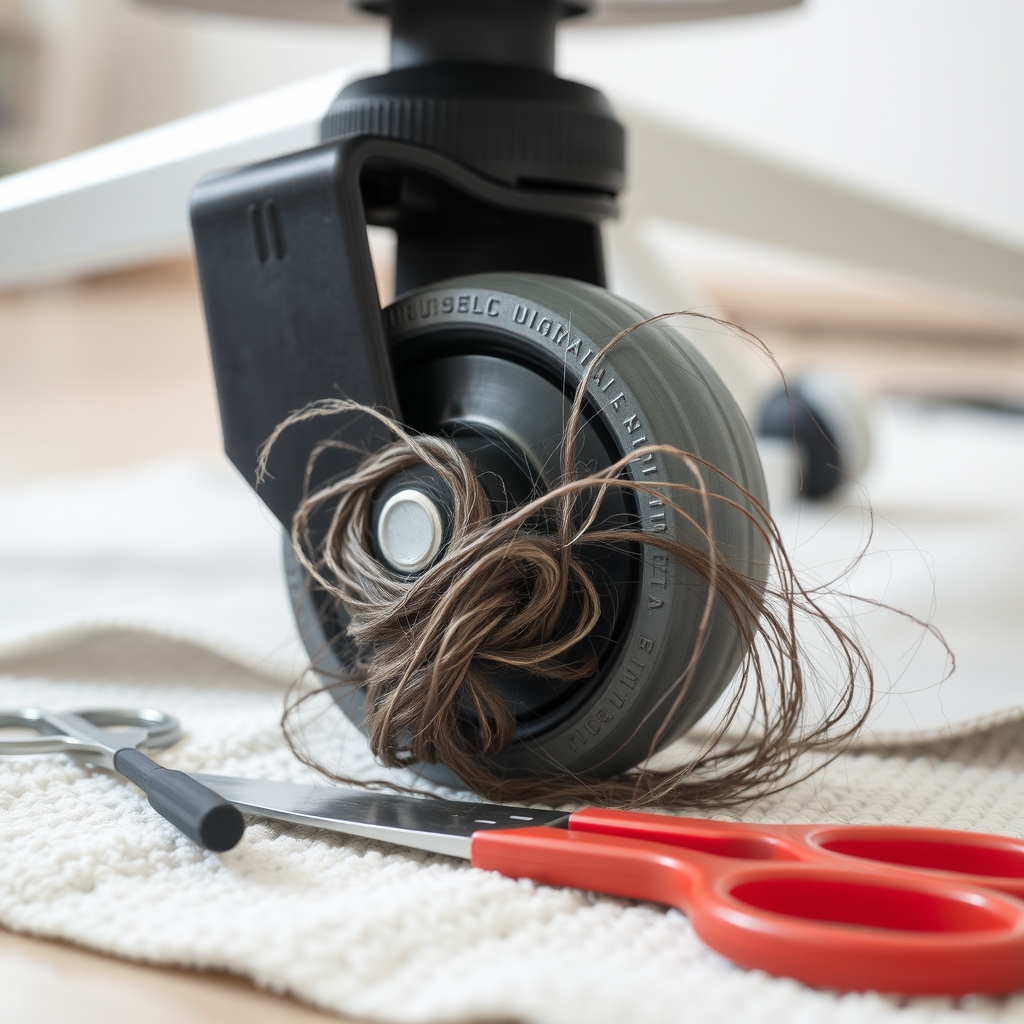 Free fix inside
Home Office & Cables · Office Chair Casters
Office Chair Not Rolling? Clean the Casters or Swap Them
Read the fix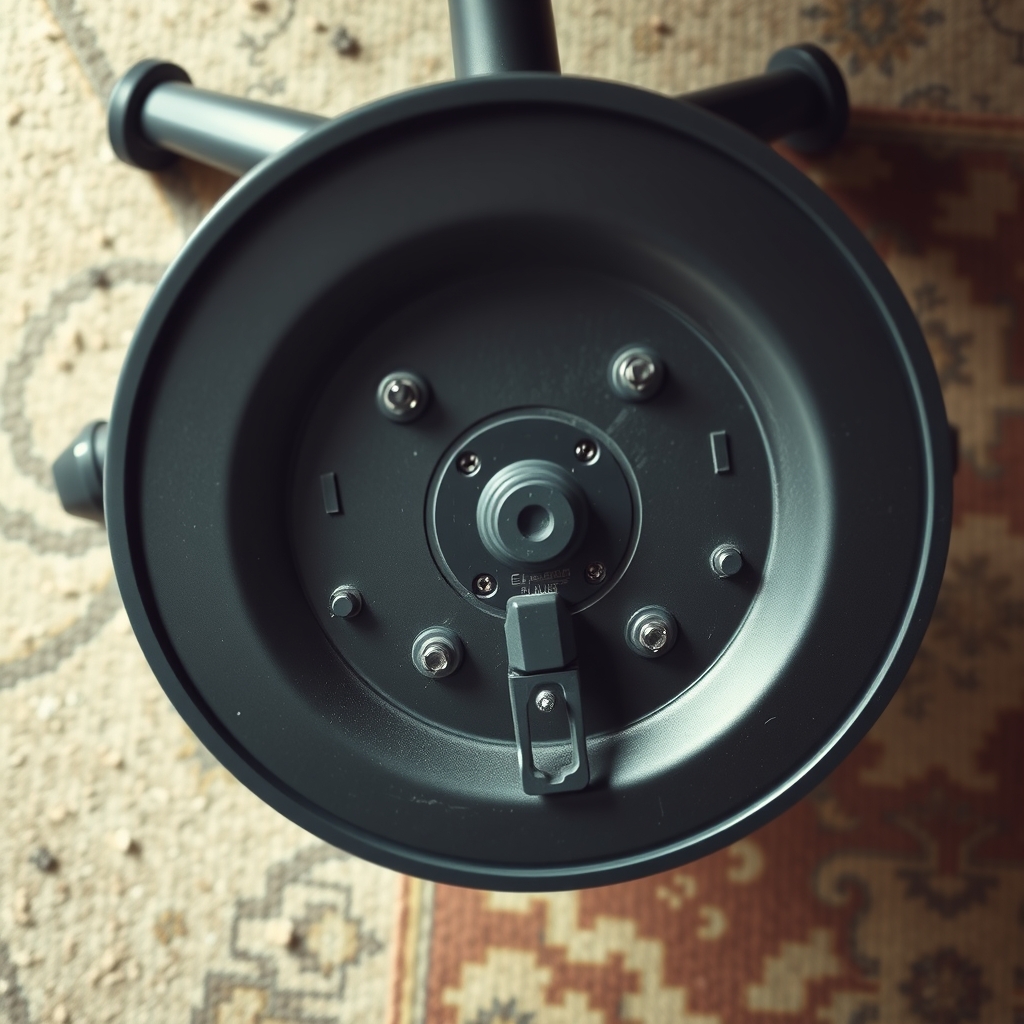 Free fix inside
Home Office & Cables · Office Chair Parts
Why Is My Office Chair Tilting Forward? Tilt Mechanism Fixes
Read the fixAs an Amazon Associate I earn from qualifying purchases. Affiliate disclosure