Mop Bucket Wringer Broken? Replacement Buckets With Better Wringers
A jammed or snapped wringer leaves you wringing by hand. Clear the grit and check the pin, then replace the bucket or wringer that suits your mop.
By Jamilur Rahman Updated November 5, 2026 · 6 min read
- Time
- 20 min
- Cost
- $20-$50
- Difficulty
- Easy
In this guide
Quick answer
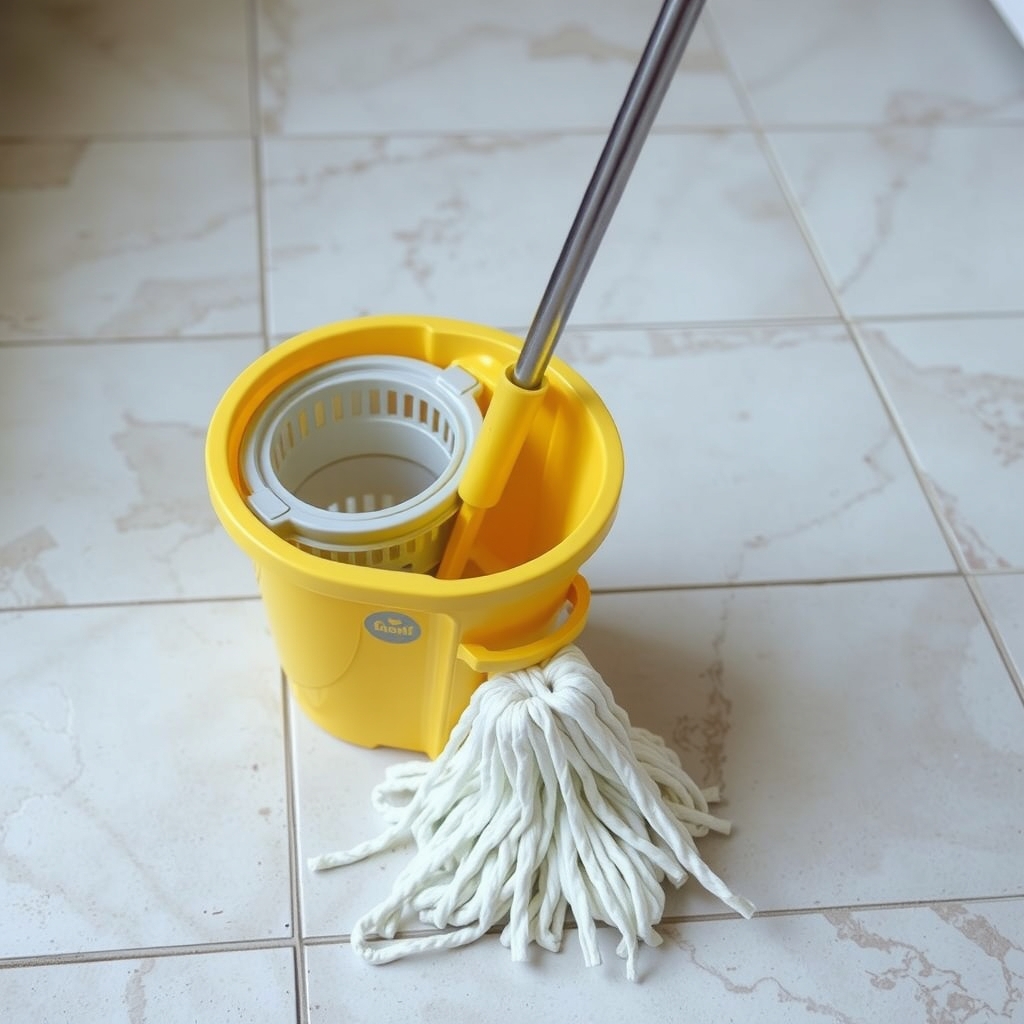
How to fix a mop bucket wringer starts with finding the real fault: grit in the pivot, a loose pin or a missing bolt is free to fix. A snapped lever, a cracked plastic gear or a wringer that has lost its spring will not hold, and a replacement is the fix. Choose a bucket or wringer made for your mop type, because the wringer has to suit the mop head.
Free fix vs. permanent fix
Clear the grit and fix the pin
- Empty the bucket and flush the wringer under the tap
- Pick out hair and grit from the pivot with a toothbrush
- Replace a lost pin or bolt with one that matches
- Work the lever by hand and see if it returns
How long it lasts: Works if the wringer is just gritty, loose or missing a bolt. It will not fix a cracked lever or stripped gear.
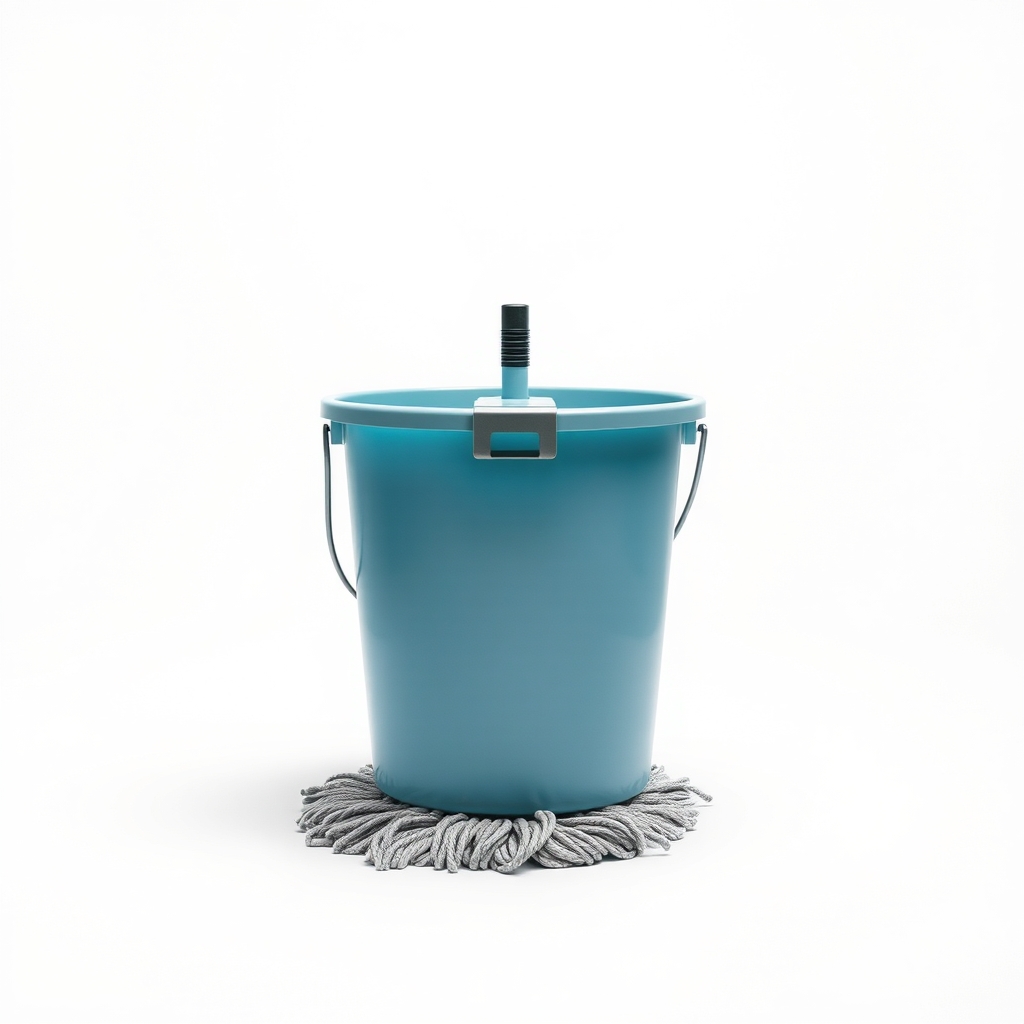
A bucket with a strong built-in wringer
Home buckets rarely have parts you can replace. A new bucket with a wringer built for your mop type gives you a sound mechanism, so you stop wringing by hand and floors dry faster.
What to get: Mop bucket with wringer
How long it lasts: Years of weekly mopping if it matches your mop and you rinse it after use.
As an Amazon Associate I earn from qualifying purchases.
What you'll need
-
Rubber gloves
Dirty mop water carries grime and cleaner residue
You have it -
Old toothbrush
To clear the pivot and the sieve
You have it -
Screwdriver and spare bolt
For a loose wringer arm
You have it - Our pick Illustration
Mop bucket with wringer
Pick the wringer type your mop needs
- Illustration
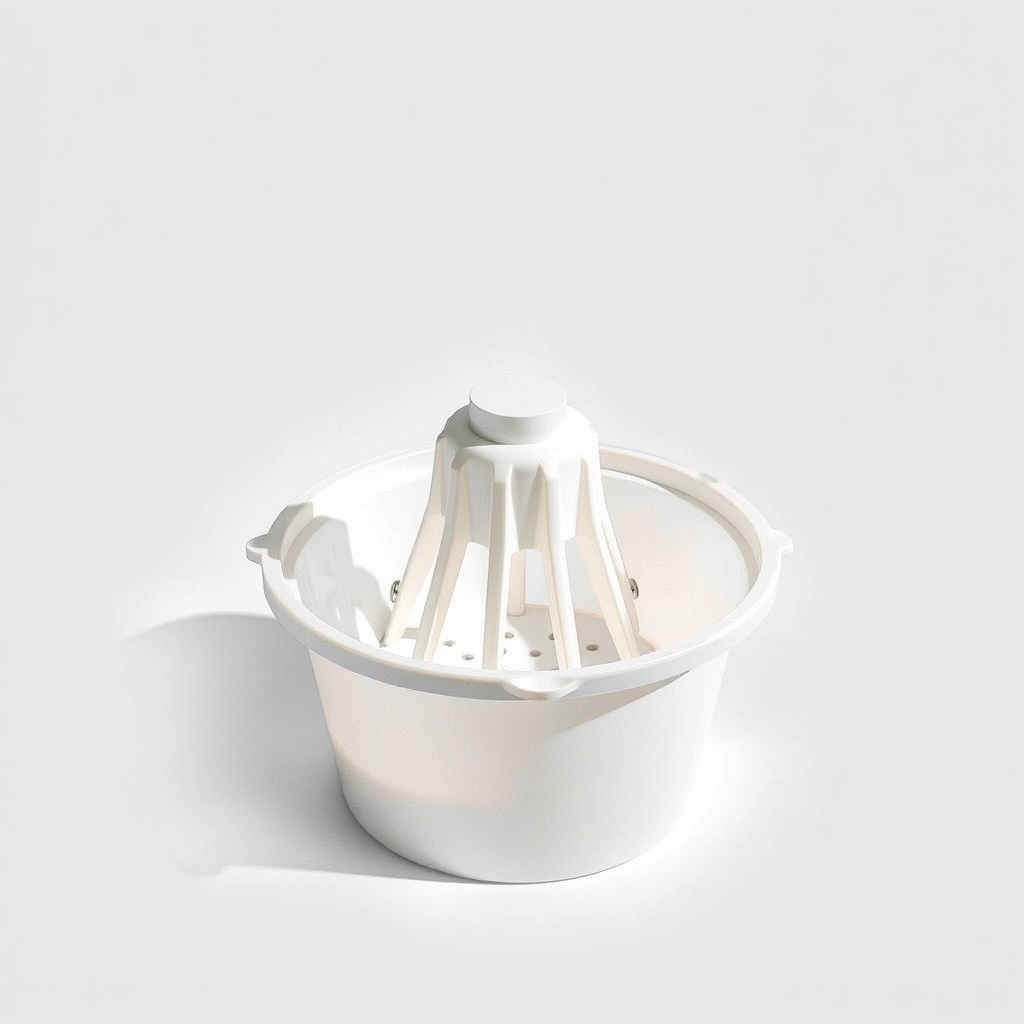
Replacement press wringer
Only if your bucket is a standard size that takes one
Why it happens
Grit and hair in the pivot
Floor dirt settles at the bottom of the bucket and works into the pivot. It makes the lever stiff, then it jams.
A loose or lost pin or bolt
Wringers rely on a small pin or bolt. If it works loose, the arm wobbles, and the wringer stops squeezing.
A cracked lever or plastic gear
The lever takes strong force when you press a wet mop. Thin plastic can crack, and gear teeth can strip.
A mop that does not suit the wringer
A thick string mop in a wringer built for a flat mop forces the lever. Over time it breaks.
Try this first (free)
Do these in order, starting with the simplest.
-
1. Empty and flush the bucket
Tool used: Rubber glovesWear gloves, empty the bucket and flush the wringer with clear water. Hair and grit often hide at the bottom.
-
2. Clear the pivot and sieve
Tool used: Old toothbrushUse a toothbrush to scrub the pivot, the lever arm and any sieve or cone. Rinse it again and test the lever.
-
3. Tighten or replace the pin and bolt
Tool used: Screwdriver and spare boltCheck where the arm joins the bucket. Tighten a loose bolt, or replace a lost one with a bolt of the same size.
-
4. Check the lever for cracks
Look at the lever, the gear and the hinge arm in good light. A hairline crack, a snapped tooth or a bent arm will not hold.
-
5. Match the new wringer to your mop
If you must replace it, measure the bucket's top opening and check your mop type: string, cut-end, flat or spin. Order the wringer or bucket that names it.
When free fixes aren't enough
If the lever is cracked, the gear teeth are stripped or the wringer arm has snapped, no cleaning helps. Most home buckets do not sell their parts, so a new bucket is often the quickest and cheapest fix. Standard commercial-style buckets are the exception, because they take a replacement wringer. If you wring by hand because the wringer fails, your hands and the floor stay wetter, and a wet floor takes longer to dry and leaves streaks.
Buy the fix
Still stuck after the free fixes? These are the products we would look at.
| Pick | Product | Fixes | Who it's for | Buy |
|---|---|---|---|---|
| Best pick | Mop bucket with wringer | a wringer that is cracked, jammed or past repair | Anyone whose wringer lever is cracked or whose bucket has no spare parts. | Check price |
| Budget pick | Replacement press wringer for a standard bucket | a broken wringer on a bucket that is otherwise sound | Owners of a standard bucket that still holds water, whose wringer is broken. | Check price |
| Upgrade pick | 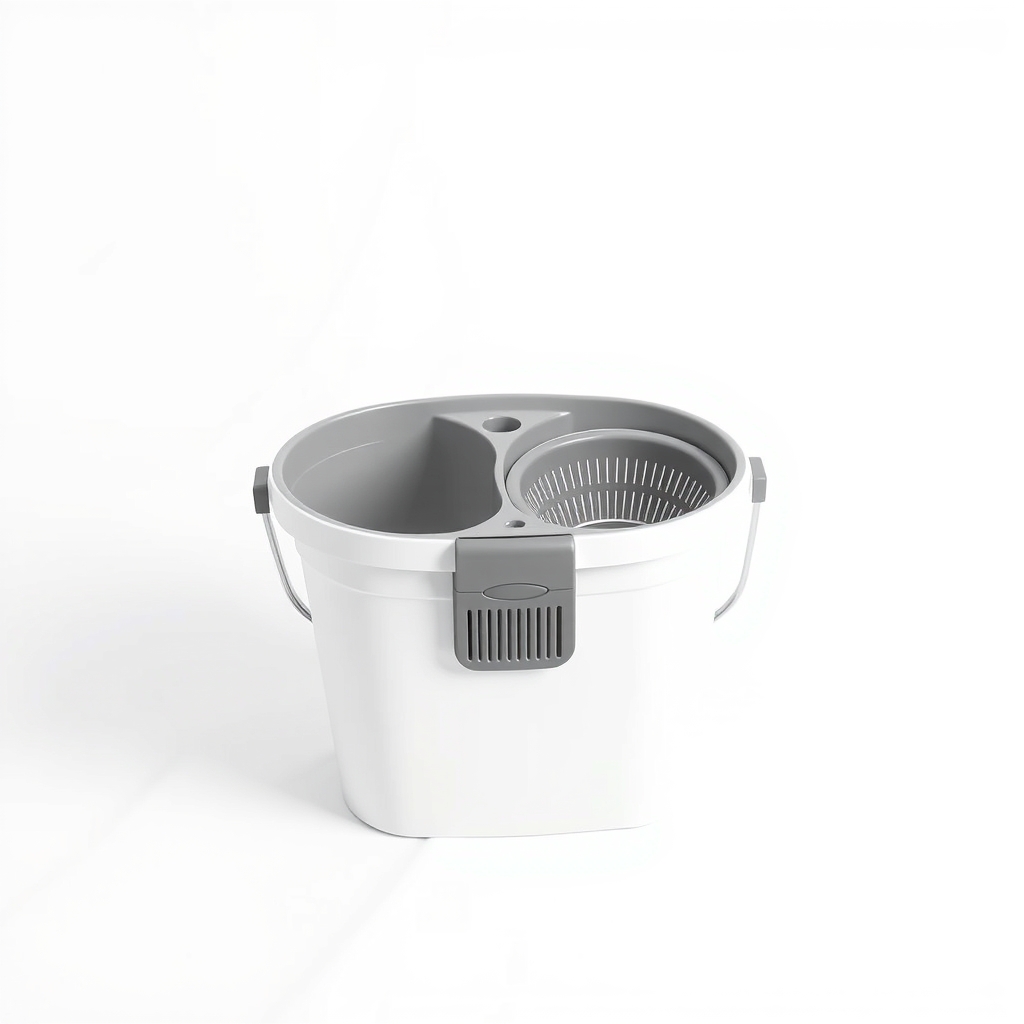 Dual-compartment mop bucket with built-in wringer | dirty water going back onto the floor | People mopping large or very dirty floors, who rinse the mop often. | Check price |
Mop bucket with wringer
Fixes: a wringer that is cracked, jammed or past repair
Look for: Wringer type that suits your mop head, such as a press or a cone; Thick, reinforced lever and a metal pin; Wheels or a handle you can use with a full bucket; A size that fits your sink or tub for emptying.
- Who it's for
- Anyone whose wringer lever is cracked or whose bucket has no spare parts.
- Honest downside
- The problem is only grit or a loose bolt. Clear it first. Also do not buy before you know your mop type.
Replacement press wringer for a standard bucket
Fixes: a broken wringer on a bucket that is otherwise sound
Look for: Fits your bucket's size or model; Metal or reinforced lever; Matches a string or cut-end mop head.
- Who it's for
- Owners of a standard bucket that still holds water, whose wringer is broken.
- Honest downside
- Your bucket is a molded home model with no removable wringer. Buy a new bucket.
Dual-compartment mop bucket with built-in wringer
Fixes: dirty water going back onto the floor
Look for: A separate clean-water and dirty-water side; A sturdy wringer for your mop; A sturdy handle and easy-pour spout.
- Who it's for
- People mopping large or very dirty floors, who rinse the mop often.
- Honest downside
- You mop a small space. A basic bucket with a good wringer is enough.
As an Amazon Associate I earn from qualifying purchases. We don't show prices because they change, so use the button to see today's price.
How we picked: How we picked: this page is based on mop and bucket care guides, cleaning supply manuals, and what owners report in reviews of mop buckets. We do not test products by hand.
Match the wringer to your mop
- String or cut-end mop: a press wringer or cone wringer.
- Flat microfiber mop: a built-in basket or twist wringer.
- Spin mop: a foot-pedal spin basket.
A wringer that is wrong for the mop breaks fast.
What to skip
Glue, duct tape and bending the lever back
Glue and tape do not survive wet floors and cleaner, and a lever that is bent back snaps again within a few mops. A matched wringer or a new bucket costs less than another round of repairs.
Frequently asked questions
How do I fix a mop bucket?
Can I replace just the wringer?
Which wringer do I need?
Why does my mop bucket wringer not squeeze?
Related problems
 Free fix inside
Cleaning · Mop
Mop Head Falling Apart? Universal Replacement Heads That Fit
Read the fix Free fix inside
Cleaning · Mop
Mop That Keeps Dirty Water Separate: 3 Systems Worth Buying
Read the fix Free fix inside
Cleaning · Mop
Mop Leaving Streaks? Too Much Cleaner Is the Usual Reason
Read the fix Free fix inside
Cleaning · Mop
Mop Smells Bad? Why It Sours in a Day and the Heads That Don't
Read the fixAs an Amazon Associate I earn from qualifying purchases. Affiliate disclosure