Ceiling Fan Too Big for the Room? How to Size It Right
A fan that is too big gusts, hums and crowds the walls. Measure the room, match the blade span to it and check the clearances before you swap it.
By Jamilur Rahman Updated November 5, 2026 · 7 min read
- Time
- 1-2 hours
- Cost
- $50-$150
- Difficulty
- Medium
In this guide
Quick answer
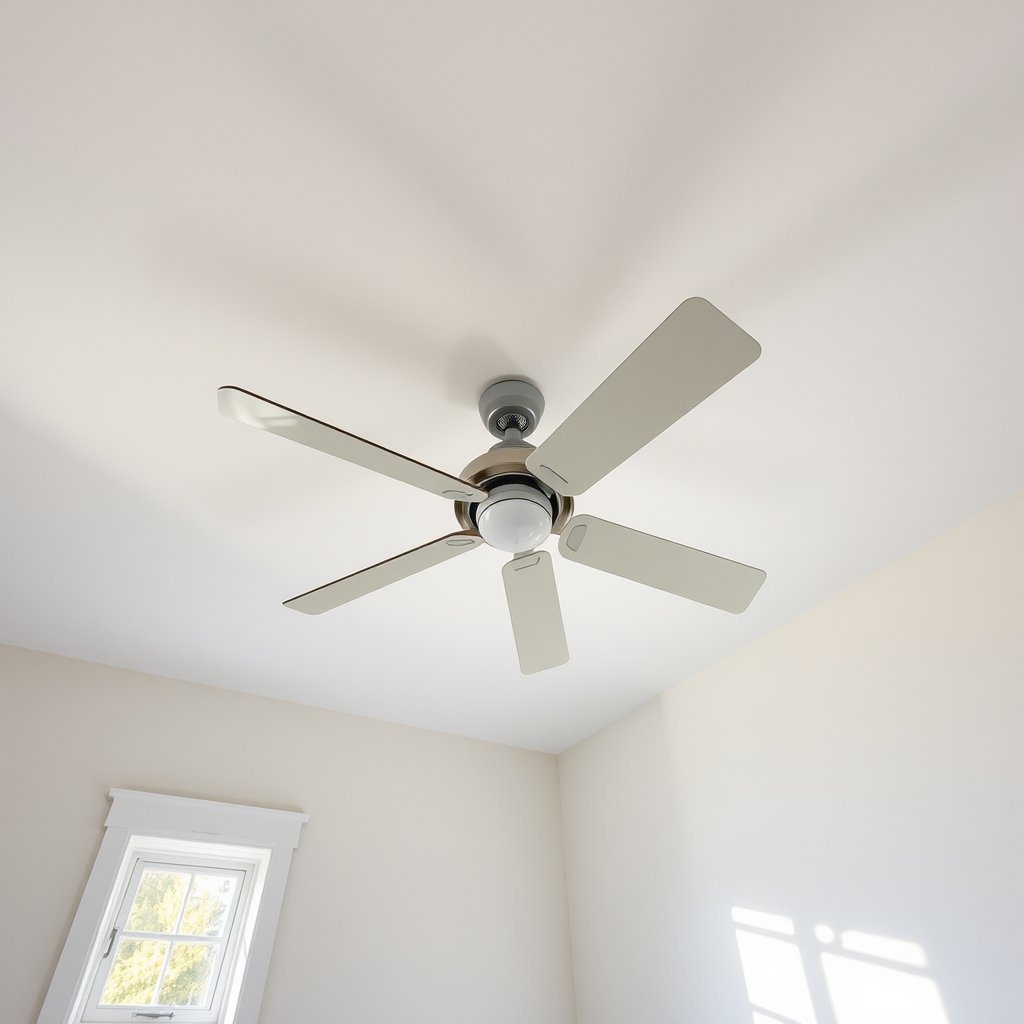
A ceiling fan too big for the room blows in strong gusts, sits close to the walls and feels like it is crowding you. Match the blade span to the floor area: roughly 36 to 42 inches for rooms up to 144 square feet, and 44 to 52 inches for mid-size and larger rooms. Run the fan you have on low first. If it still overpowers the room, or the blade tips pass within 18 inches of a wall, swap it for a right-sized fan.
Free fix vs. permanent fix
Slow it down and check the clearances
- Run it on the lowest speed for a few days
- Measure from the blade tip to the nearest wall; aim for 18 inches or more
- Check the blades hang at least 7 feet above the floor
- Tighten the blade screws and check for wobble
How long it lasts: May calm the gusts and noise. It does not fix a fan that is physically too close to the walls.
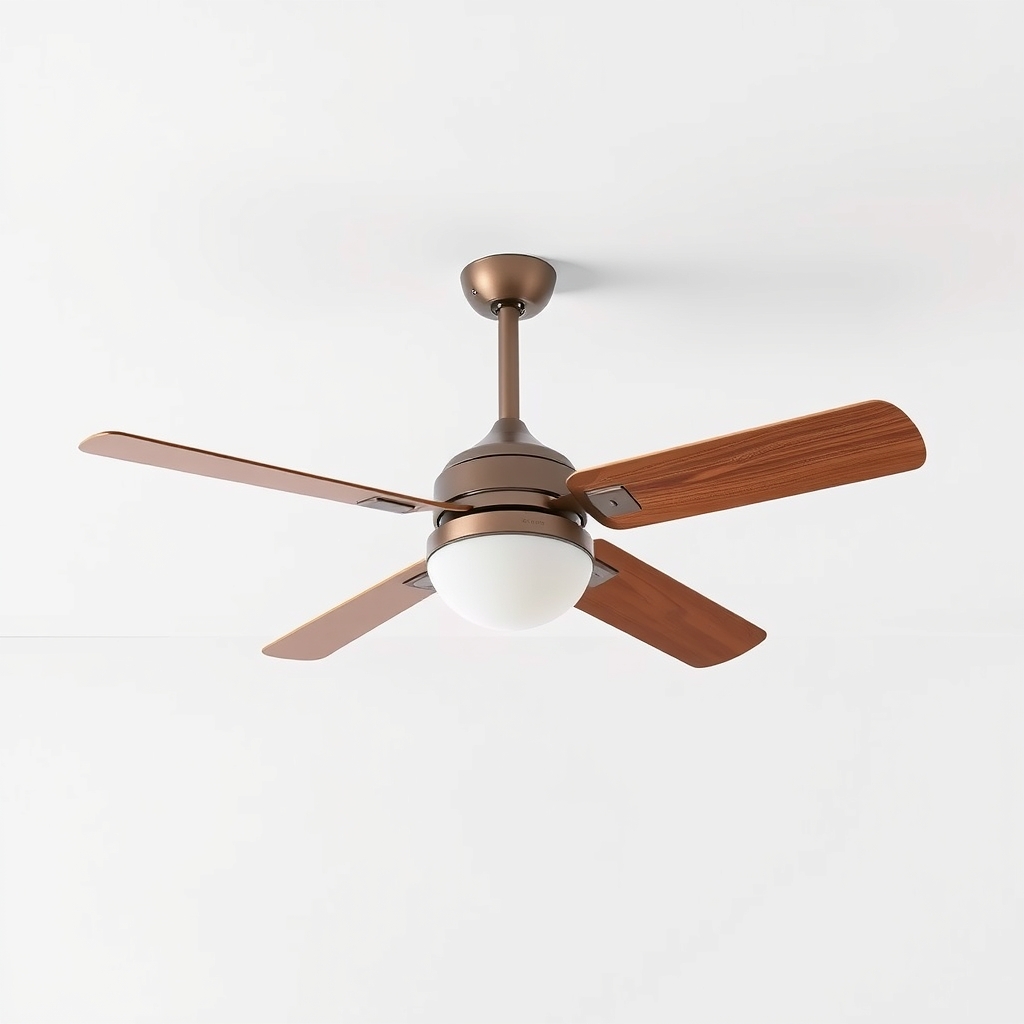
A ceiling fan sized to the room
A fan sized to your floor area moves air evenly instead of blasting one corner. The right diameter also clears the walls and lights, so the room feels calm. No setting can shrink blades that are too long.
What to get: 44-inch ceiling fan
How long it lasts: Years. It moves the right amount of air without crowding the room.
As an Amazon Associate I earn from qualifying purchases.
What you'll need
-
Tape measure
For the room, the clearances and the ceiling height
You have it -
Sturdy step ladder
For reaching the fan safely
You have it - Illustration
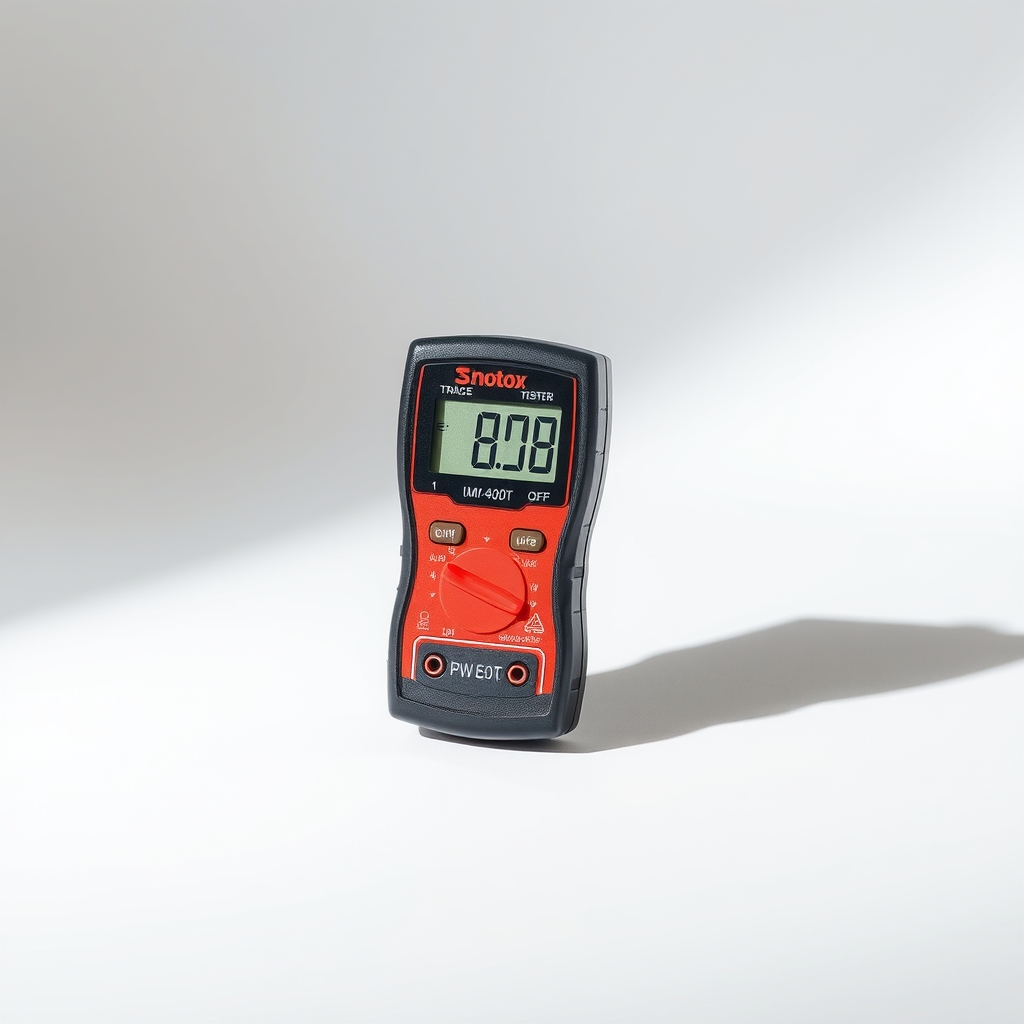
Non-contact voltage tester
Confirms the power is off before you touch any wires
- Our pick Illustration
44-inch ceiling fan
Fits most bedrooms and small living rooms
- Illustration
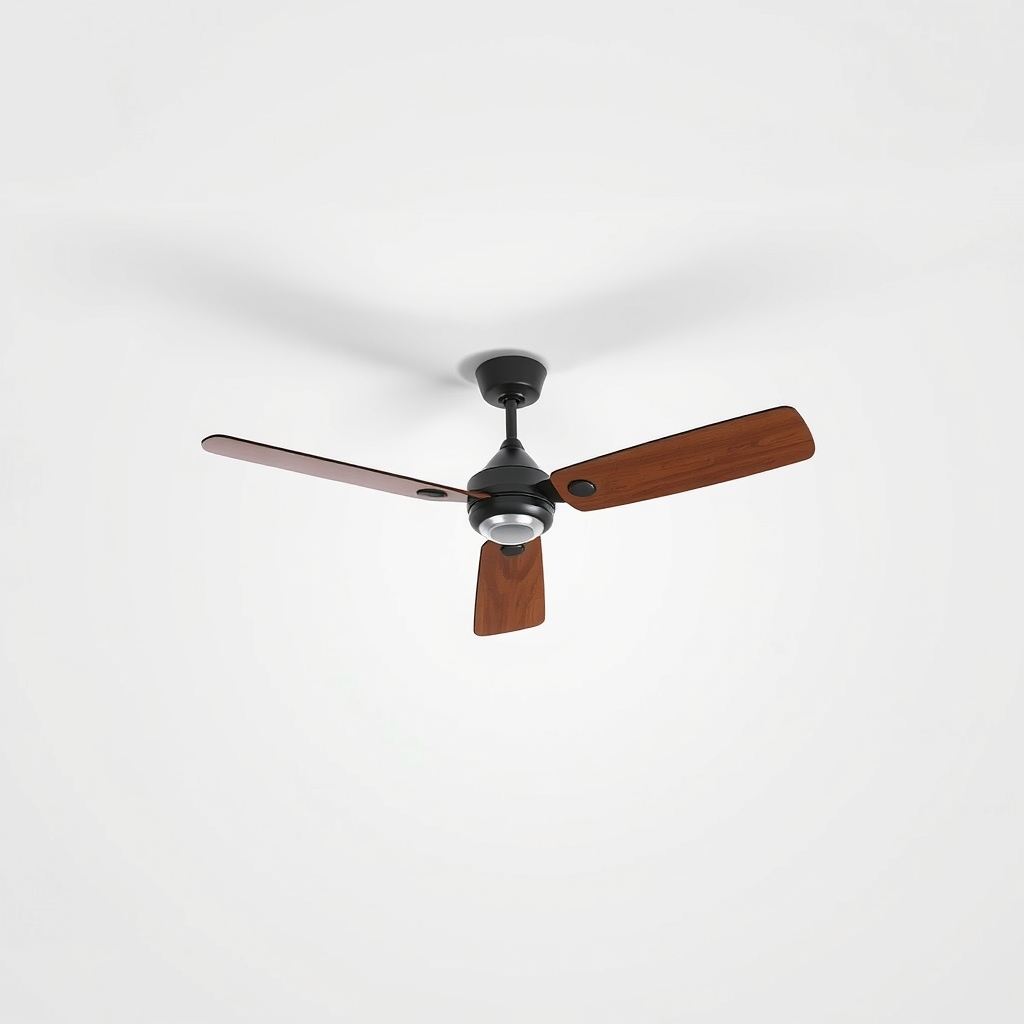
Small ceiling fan, 36 to 42 inch
For small rooms and home offices
- Illustration
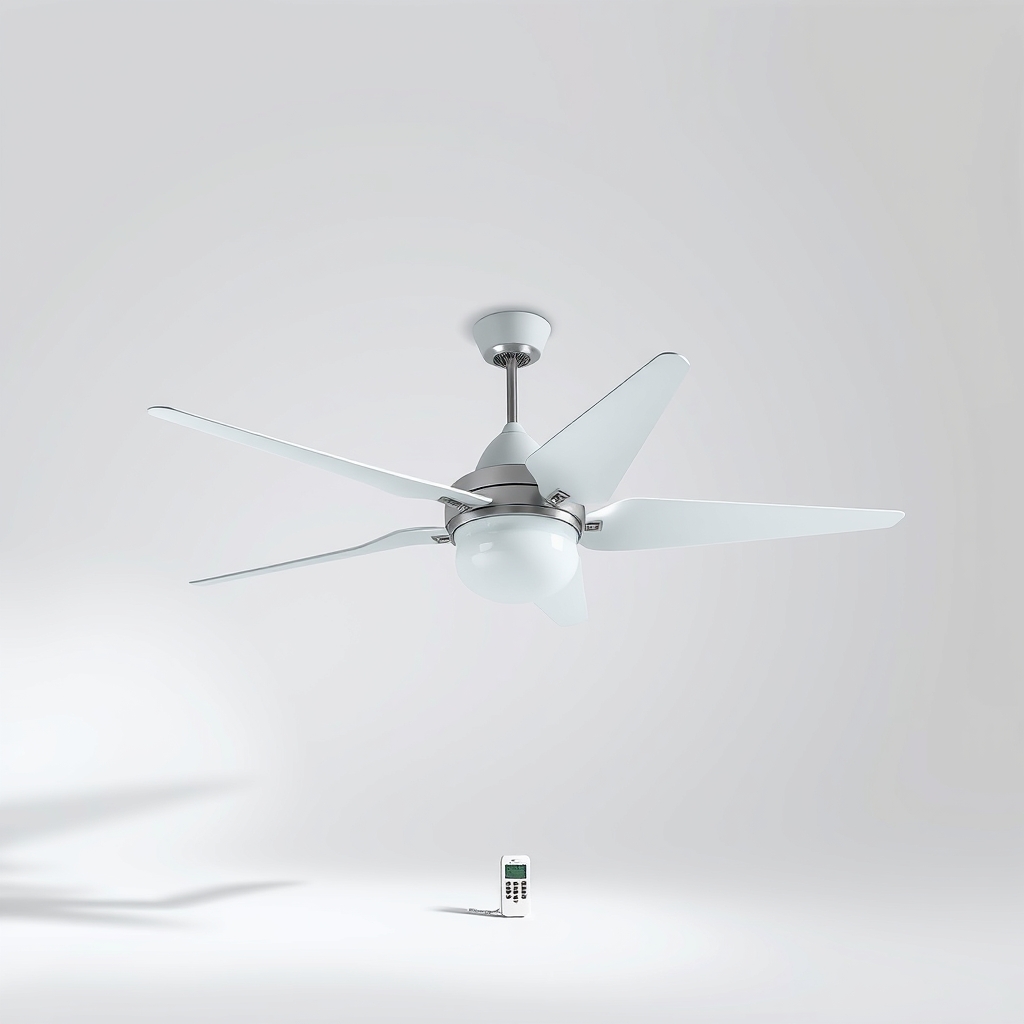
DC-motor ceiling fan with remote
For gentler, quieter air in a bedroom
Why it happens
Blades longer than the room can carry
A 52-inch fan in a 10 by 10 room sweeps a big circle and moves more air than a small room needs. It feels like gusts, not a breeze.
Too little clearance
Blade tips need about 18 inches from walls, and blades need at least 7 feet above the floor and roughly 8 to 10 inches below the ceiling. With less, the fan feels cramped.
The wrong mount for the ceiling height
On a low ceiling, a fan on a long downrod hangs too low. On a tall ceiling, a flush mount sits too high to move the air you feel.
Speed set too high
In a small room many fans live on medium or high. On the lowest setting, the same fan may be fine.
Try this first (free)
Do these in order, starting with the simplest.
-
Measure the room
Tool used: Tape measureMultiply length by width to get square feet. A 10 by 12 room is 120 square feet. Compare it with the size chart below.
-
Measure the clearances
Tool used: Tape measureMeasure from the fan's center to the nearest wall and subtract half the blade span. You want at least 18 inches left. Also measure from the blades to the floor, which should be at least 7 feet.
-
Run it on low for a few days
Set the lowest speed and see if the gusts calm down. In summer the fan should push air down; if the air feels weak, check the direction switch on the motor housing.
-
Rule out wobble and noise
A loose blade or screw can make a fan feel bigger than it is. Tighten the blade and canopy screws and check the blades hang level.
-
Pick the new size and mount
Use the chart to choose the blade span. Choose a flush mount for ceilings around 8 feet and a downrod for taller ones.
-
Swap it safely
Tool used: Non-contact voltage testerTurn off the power at the breaker, confirm it with the voltage tester and use a sturdy ladder. Make sure the ceiling box is rated to hold a fan, and get a helper to hold the fan while you wire it.
IllustrationCheck price on AmazonTool for this step
Non-contact voltage tester · Confirms the power is off before you touch any wires
When free fixes aren't enough
If the fan is still too strong on low, or the blade tips come within a foot or so of a wall, a light or a door, slowing it will not help. The blades are simply too long, so swap to a smaller fan. The new fan must hang from a box rated for ceiling fans, which is built to carry the weight and the vibration. If you have a plain light box, or you cannot see a rating, stop and have an electrician check it. A fan that falls can cause injury.
Buy the fix
Still stuck after the free fixes? These are the products we would look at.
| Pick | Product | Fixes | Who it's for | Buy |
|---|---|---|---|---|
| Best pick | 44-inch ceiling fan | a fan whose blades are too long for the room | Most bedrooms and living rooms between about 144 and 225 square feet. | Check price |
| Budget pick | Small ceiling fan, 36 to 42 inch | a big fan crowding a small room | Small bedrooms, home offices and nurseries up to about 144 square feet. | Check price |
| Upgrade pick | DC-motor ceiling fan with remote | gusty or noisy air in a bedroom | Light sleepers, or anyone who wants fine control over the speed. | Check price |
44-inch ceiling fan
Fixes: a fan whose blades are too long for the room
Look for: A blade span that matches your room size from the chart; A mount that fits your ceiling height, such as flush for 8 feet; A reversible motor for summer and winter; A rating that suits the room: dry location or damp.
- Who it's for
- Most bedrooms and living rooms between about 144 and 225 square feet.
- Honest downside
- Your room is under 144 or over 225 square feet. Use the chart to pick a smaller or larger size.
Small ceiling fan, 36 to 42 inch
Fixes: a big fan crowding a small room
Look for: A blade span of 36 to 42 inches; A flush or hugger mount for low ceilings; At least 3 speeds.
- Who it's for
- Small bedrooms, home offices and nurseries up to about 144 square feet.
- Honest downside
- The room is larger. A small fan in a big room gives weak airflow.
DC-motor ceiling fan with remote
Fixes: gusty or noisy air in a bedroom
Look for: A DC motor, which is usually quieter and has more speeds; A remote or wall control with a low setting; A reversible motor.
- Who it's for
- Light sleepers, or anyone who wants fine control over the speed.
- Honest downside
- You want the lowest price. DC fans cost more.
As an Amazon Associate I earn from qualifying purchases. We don't show prices because they change, so use the button to see today's price.
How we picked: How we picked: this page is based on ceiling fan sizing charts from makers and energy-efficiency groups, installation manuals, and the size and clearance problems owners report in reviews. We do not test products by hand.
Fan size by room size
These ranges come from common maker and energy-efficiency guides. They vary a little by source.
- Up to 75 sq ft: 29 to 36 inches
- 76 to 144 sq ft: 36 to 42 inches
- 144 to 225 sq ft: 44 inches
- 225 to 400 sq ft: 50 to 54 inches
Pick the mount by ceiling height
- 8 feet: a flush or hugger mount.
- 9 feet: usually a short downrod of about 6 inches.
- 10 feet or more: a longer downrod so the fan hangs near 8 or 9 feet above the floor.
What to skip
A regular light dimmer for the fan
A standard dimmer can make a fan motor hum and may damage it. Never use one to slow a fan. Use the fan's own speed control, or a control made for fans.
Frequently asked questions
How do I know what size ceiling fan I need?
Is a bigger ceiling fan always better?
How far should a ceiling fan be from the wall?
Can I put a small ceiling fan in a big room?
What if my ceiling is low?
Related problems
 Free fix inside
Cleaning · Ceiling Fan
Ceiling Fan Wobbling? Balance It With a Kit and Tighten 3 Screws
Read the fix Free fix inside
Cleaning · Ceiling Fan
Ceiling Fan Clicking? Where the Click Hides and How to Silence It
Read the fix Free fix inside
Cleaning · Ceiling Fan
Ceiling Fan Light Flickering? The Bulbs Made for Fans
Read the fix Free fix inside
Cleaning · Ceiling Fan
Ceiling Fan Pull Chain Broke? Swap the Chain Without Touching Wires
Read the fixAs an Amazon Associate I earn from qualifying purchases. Affiliate disclosure