What Color Curtains for the Bedroom? Light, Heat, and Mood
Color sets the mood, but the lining decides how dark and how warm the room is. Pick a calm shade you like, then make sure it has a thermal blackout lining.
By Jamilur Rahman Updated November 5, 2026 · 6 min read
- Time
- 15 min to decide and measure
- Cost
- $20-$50
- Difficulty
- Easy
In this guide
Quick answer
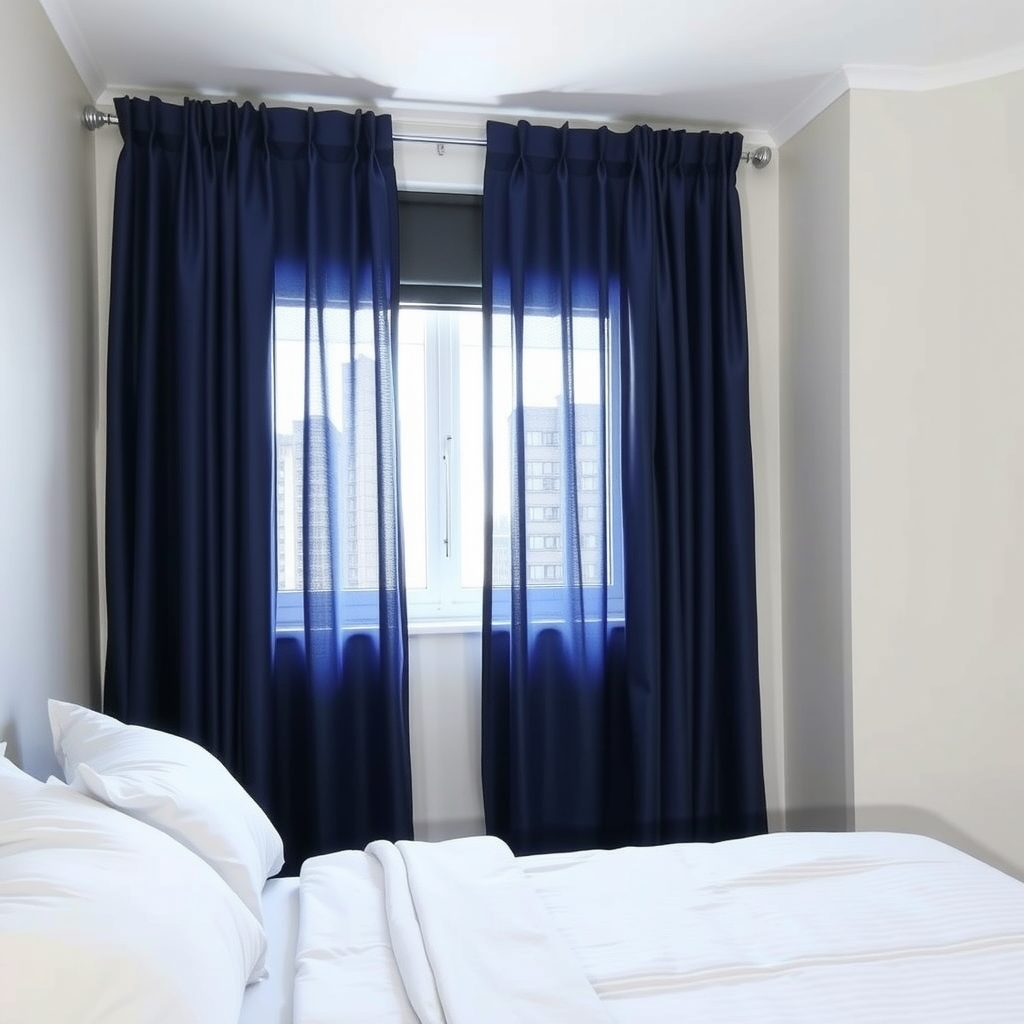
What color curtains for the bedroom? For sleep, pick a dark, muted neutral such as navy, charcoal, deep green, taupe or warm gray, since calm tones suit a bedroom and hide dust. But the lining matters more than the color for blocking light and heat, so choose a thermal blackout curtain in the shade you like. Go lighter if the room is small or faces north. Mood is personal, so pick a color you enjoy seeing every morning.
Free fix vs. permanent fix
Match the color to the room and test it
- Check which way the window faces
- Compare swatches against your wall and bedding in daylight and evening light
- Pick a shade near the walls, or one or two steps deeper, for a calm look
- Measure so light cannot leak around the edges
How long it lasts: A good color choice lasts for years. Color alone will not darken the room or keep it cool.
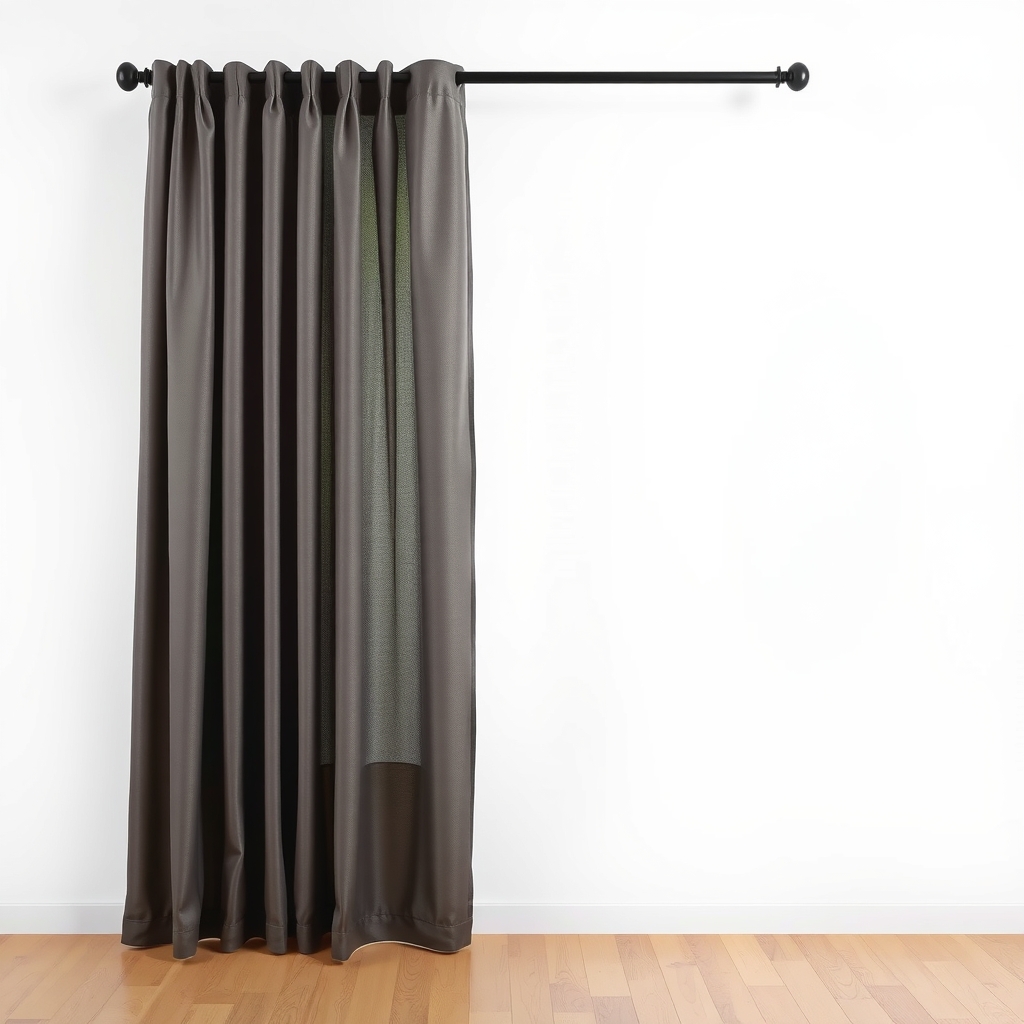
Thermal blackout curtains in a dark neutral
The lining does the work: a dense or coated layer blocks light, and thermal backing helps slow heat moving through the glass. A dark neutral face hides dust and keeps the room calm. Together they give darker mornings and a steadier room temperature.
How long it lasts: Years. Lined, thermal curtains work every day, in every season.
As an Amazon Associate I earn from qualifying purchases.
What you'll need
-
Fabric swatches
Ask for samples, or hold up a spare sheet in a similar shade
Free -
Tape measure
For window width, rod height and curtain length
You have it - Illustration
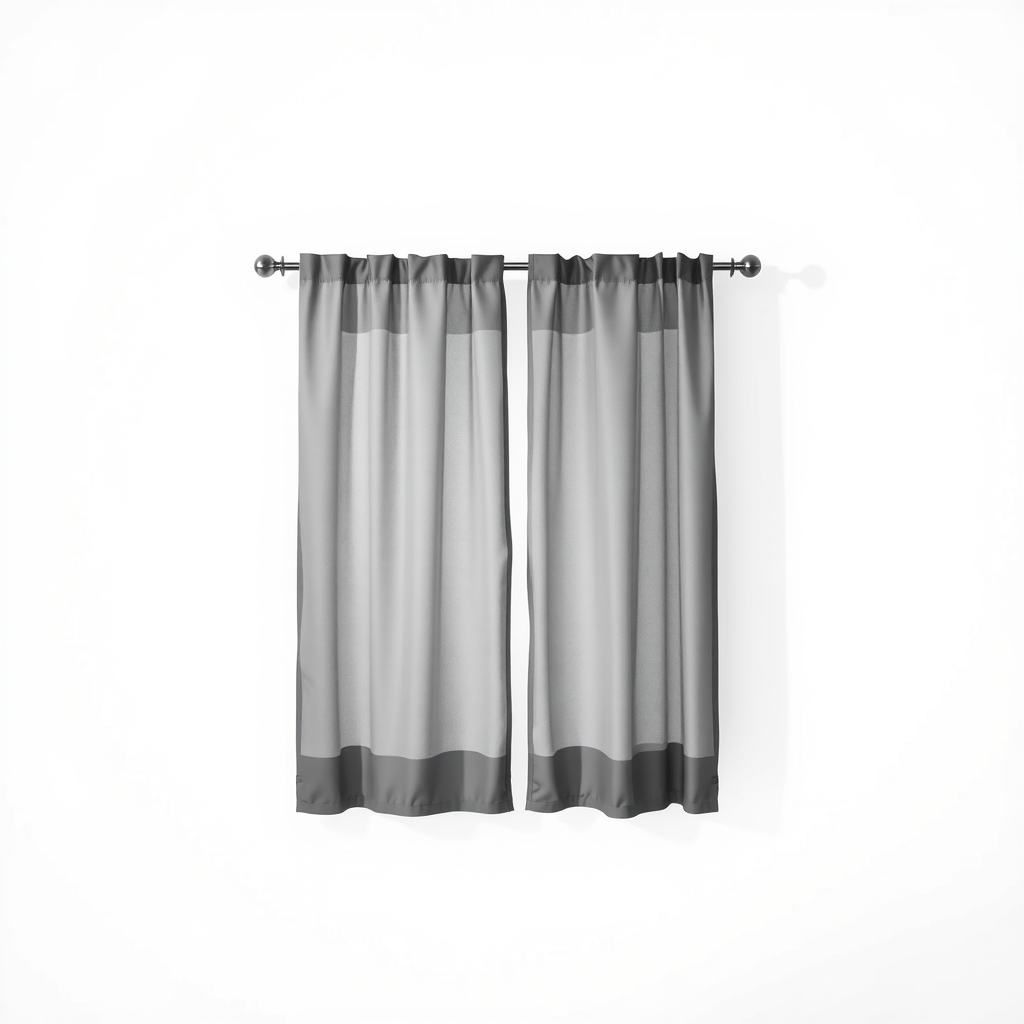
Blackout curtain liner
Adds a blackout layer to curtains you already like
- Our pick Illustration
Thermal blackout curtains in a dark neutral
For darker mornings and less heat
Why it happens
Light: lining matters more than color
A dark curtain without a blackout layer still glows in morning sun. A pale curtain with a true blackout lining can be darker than a deep one without. Color changes the look, and the lining changes the light.
Heat: the side facing the glass counts
A light, reflective back facing the window bounces heat away. The side facing the room can be any color. A thick, lined curtain also slows heat moving through the glass.
Mood: calm tones, but taste rules
Design guides often point to soft blues, greens, grays and warm neutrals for rest, and note that bright reds and oranges read as lively. Pick what feels restful to you.
Room size and light
Deep colors can make a small, dim room feel smaller. Light curtains near the wall color make it feel more open.
Try this first (free)
Do these in order, starting with the simplest.
-
Check which way the window faces
South- and west-facing windows bring the most afternoon heat and light. East windows wake you early. North windows mostly need privacy. That tells you how much lining you need.
-
Choose a calm base color
Navy, charcoal, deep green and taupe feel calm and hide dust. Warm gray and greige suit most bedding. White or cream feel airy but need a blackout lining to be dark.
-
Test it against the room
Tool used: Fabric swatchesHold a swatch at the window against the wall, bedding and floor in morning and evening light. A shade near the wall color makes the window recede. A contrast color makes the curtains a feature.
-
Measure so light cannot leak
Tool used: Tape measureMount the rod 4 to 6 inches above the frame and let panels extend several inches past each side. Aim for panels about 1.5 to 2 times the window width, and a length that reaches the floor or just above it.
-
Check the lining before the color
Tool used: Thermal blackout curtains in a dark neutralOn the product page, look for blackout or thermal lining and, for hot rooms, a light, reflective back facing the glass. Then pick the color you like.
IllustrationCheck price on AmazonTool for this step
Thermal blackout curtains in a dark neutral · For darker mornings and less heat
When free fixes aren't enough
If you chose a color and the room is still bright at 6 a.m. or hot by afternoon, the curtains lack the lining or the coverage, and a different color will not help. Look for blackout and thermal labels, wider panels and a rod that leaves no gap above. If you love the curtains you own, a clip-on or hook-in liner adds the blackout layer for less. Even true blackout curtains leak light at the edges, so a wraparound rod or generous overlap closes the gap.
Buy the fix
Still stuck after the free fixes? These are the products we would look at.
| Pick | Product | Fixes | Who it's for | Buy |
|---|---|---|---|---|
| Best pick | Thermal blackout curtains in a dark neutral | morning light and afternoon heat in a bedroom, in a calm color | Light sleepers, shift workers and bedrooms that face east or west. | Check price |
| Budget pick | Blackout curtain liner | light coming through curtains you already own | People who like their current curtains and need darker mornings. | Check price |
Thermal blackout curtains in a dark neutral
Fixes: morning light and afternoon heat in a bedroom, in a calm color
Look for: A blackout or thermal lining listed on the product page; Two panels wide enough to cover about 1.5 times your window; A length that reaches the floor or just above it, so measure first; A muted dark neutral such as navy, charcoal or deep green.
- Who it's for
- Light sleepers, shift workers and bedrooms that face east or west.
- Honest downside
- Your window faces north with no street light and you like a light, airy room. Lighter curtains are fine then. Check that they fit your rod before you order.
Blackout curtain liner
Fixes: light coming through curtains you already own
Look for: Wide and long enough to match your panels; Hooks or rings that attach to your existing rod; A blackout coating listed on the page.
- Who it's for
- People who like their current curtains and need darker mornings.
- Honest downside
- Your curtains are very sheer or too short. A liner will not close the gap, and a new pair is the better buy.
As an Amazon Associate I earn from qualifying purchases. We don't show prices because they change, so use the button to see today's price.
How we picked: How we picked: this page is based on sleep and window-covering guidance, interior design color advice, and the problems and fixes people report in reviews of blackout curtains and liners. We do not test products by hand.
A quick color guide for bedroom curtains
- Navy or deep blue: calm and good at hiding dust.
- Charcoal or warm gray: neutral and goes with any bedding.
- Forest or sage green: earthy and restful.
- Taupe or greige: soft and warm, good in smaller rooms.
- White or cream: bright and airy, and it needs a blackout lining to be dark.
How to hang bedroom curtains so no light leaks
Mount the rod 4 to 6 inches above the window frame and let the curtains reach several inches past each side. Let them touch the floor or hang just above it. Overlap the panels in the middle. Those gaps leak more light than the fabric color ever will.
What to skip
Choosing by screenshot, and sheers alone
Colors can look darker or lighter on a screen than at home, so get a swatch. Skip sheer curtains by themselves if you want to sleep in or keep the heat out. They let most light through.
Frequently asked questions
What color curtains help you sleep?
Do dark curtains keep a room cooler?
Should bedroom curtains match the walls or the bedding?
What color curtains make a small bedroom look bigger?
Related problems
 Free fix inside
Bedroom & Sleep · Bedroom Curtains
Bedroom Curtains Not Blocking Light? What Blackout Really Means
Read the fix Free fix inside
Bedroom & Sleep · Bedroom Curtains
Bedroom Curtains With No Drilling: Rods That Actually Hold
Read the fix Free fix inside
Bedroom & Sleep · Bedroom Curtains
Best Length for Bedroom Curtains: Where They Should Land
Read the fix Free fix inside
Bedroom & Sleep · Bedroom Temperature
Bedroom Too Hot at Night? 7 Fixes, Cheapest First
Read the fixAs an Amazon Associate I earn from qualifying purchases. Affiliate disclosure