Bedroom Curtains With No Drilling: Rods That Actually Hold
A tension rod holds curtains inside a window recess with no holes. The trick is the right fit, and a rod strong enough for heavy blackout fabric.
By Jamilur Rahman Updated November 5, 2026 · 6 min read
- Time
- 15 min
- Cost
- $20-$50
- Difficulty
- Easy
In this guide
Quick answer
A tension rod is the simplest way to hang bedroom curtains with no holes in the wall. It wedges inside a window recess on spring pressure. It holds only if the opening is square and firm, you measure well, and the rod is rated for your curtain's weight. Blackout panels are heavy, so pick a heavy-duty rod. If the window has no recess, use a floor-to-ceiling pole or a rod on rated adhesive brackets.
Free fix vs. permanent fix
Test with a spare tension rod and a light panel
- Measure the width of the recess at the top, middle and bottom
- Wipe the sides with rubbing alcohol so the rod tips grip
- Try a spare shower or closet tension rod with one light panel
- If the rod bows or slips, the curtain is too heavy for it
How long it lasts: Days to weeks, and only with light curtains. A spare rod often sags or slips under a lined panel.
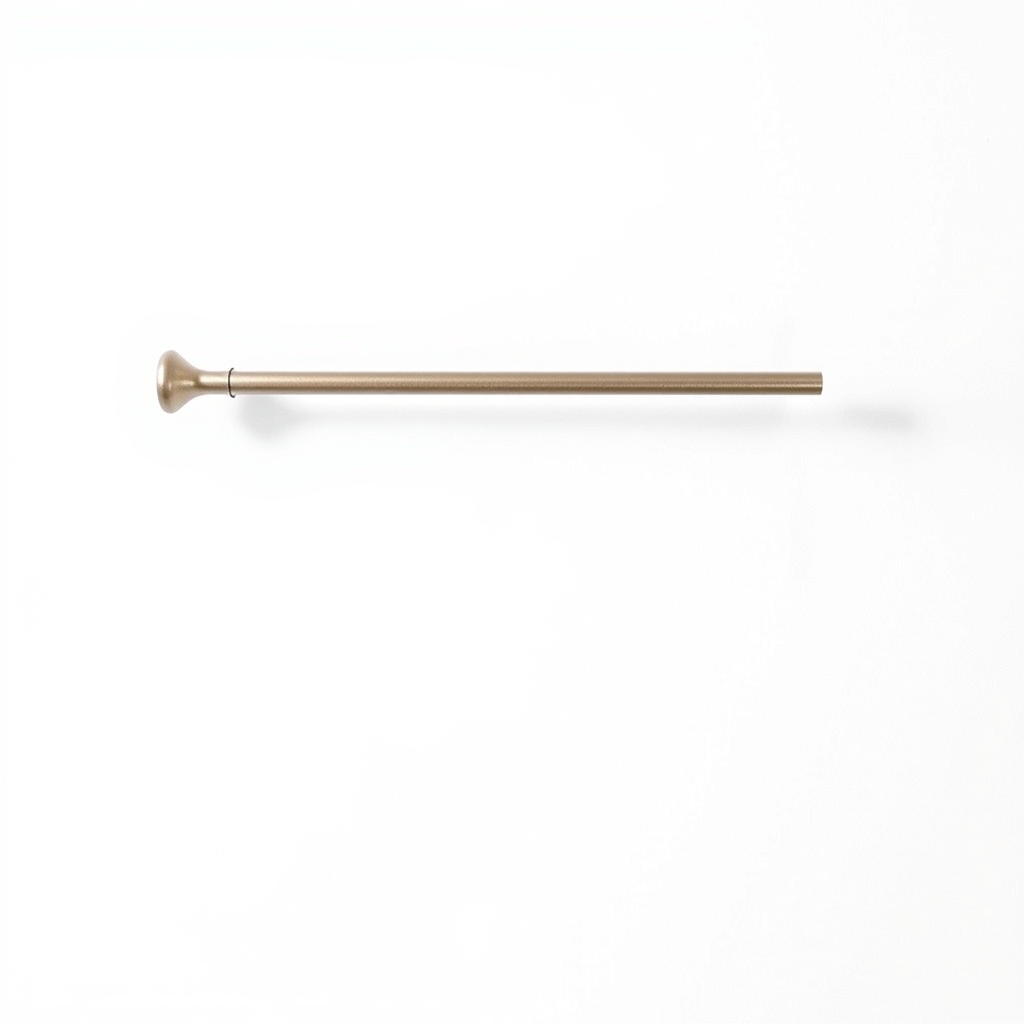
A heavy-duty tension rod rated for blackout curtains
Blackout curtains are lined and heavy. A heavy-duty rod has a stiffer tube and a stronger tension mechanism, and its wider rubber tips spread the pressure. Used inside a snug recess, it holds the weight with no holes in the wall, and it comes out clean when you move.
What to get: Heavy-duty tension curtain rod
How long it lasts: Years, as long as the fit is right and you do not overload it.
As an Amazon Associate I earn from qualifying purchases.
What you'll need
-
Tape measure
Measure the recess width in three places
You have it -
Rubbing alcohol and a cloth
Cleans the surface so the rod tips grip
You have it -
Spare shower tension rod
If you have one, use it to test the fit with a light panel
You have it - Our pick Illustration
Heavy-duty tension rod
Choose a rod rated for lined, blackout curtains
- Illustration
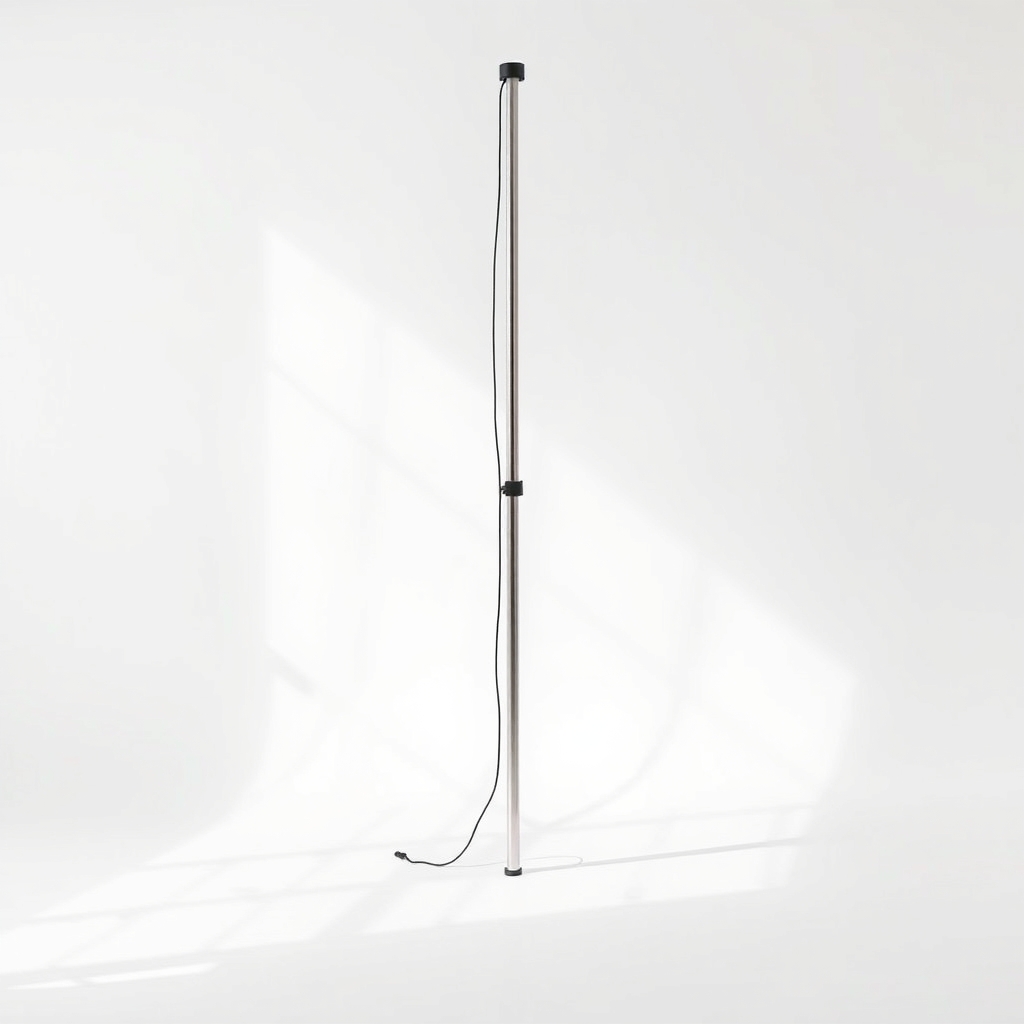
Floor-to-ceiling tension pole
For a window with no recess to press against
- Illustration
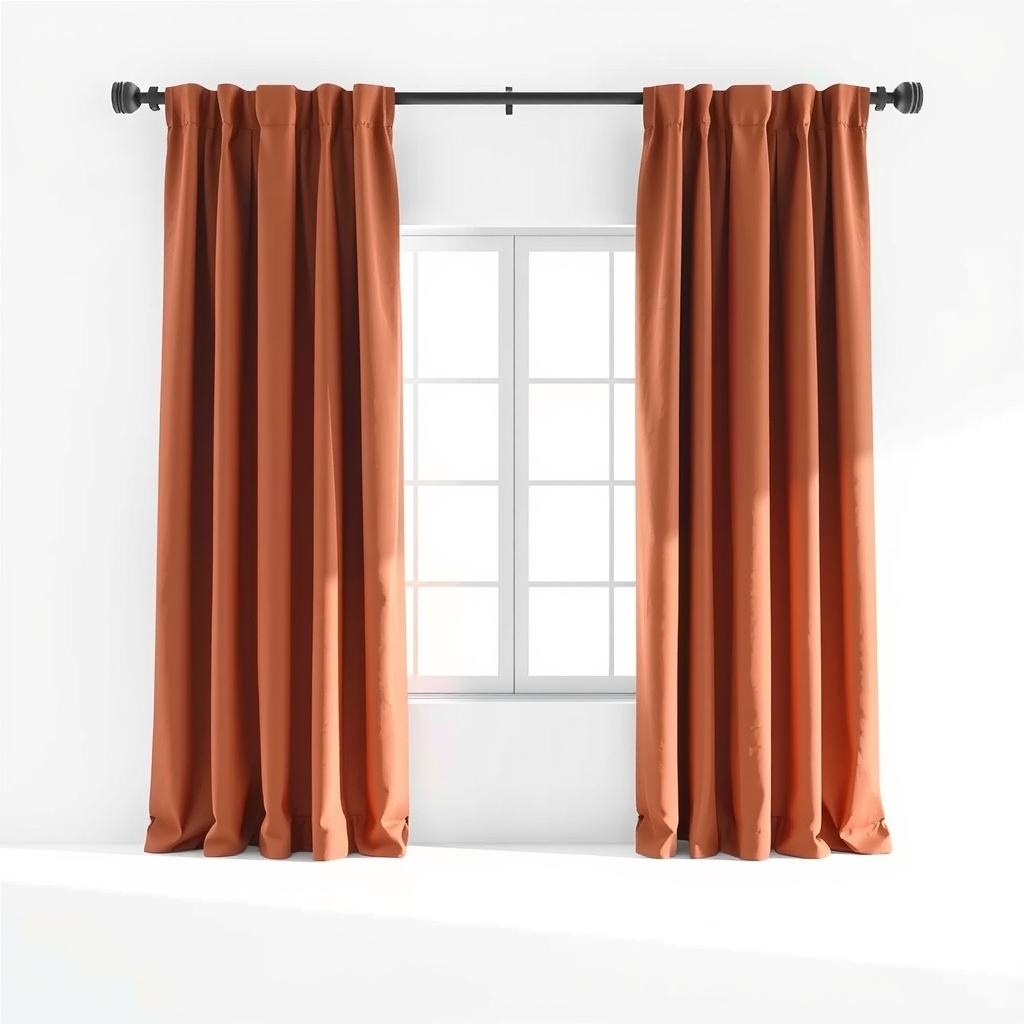
Rod-pocket blackout curtains
A rod pocket hangs flat on a tension rod, with no rings to tug
Why it happens
Too much weight
Blackout and thermal panels are lined and heavy. A light rod bows in the middle, then the tips slip.
A poor fit
A rod stretched to the end of its range has little spring pressure left. One set near the middle of its range grips better. A gap that is a little too wide will not hold.
A smooth or soft surface
Glossy paint, metal or vinyl frames let the tips slide. Soft drywall corners can dent under a rod that is too tight.
A recess that is shallow or not square
A tension rod needs two firm, parallel sides. A tapered, curved or very shallow recess has nothing to push against.
Try this first (free)
Do these in order, starting with the simplest.
-
Measure the recess
Tool used: Tape measureMeasure the width at the top, middle and bottom, and use the smallest number. Note the depth too, so the curtain has room to hang inside without touching the glass.
-
Clean the contact points
Tool used: Rubbing alcohol and a clothWipe the spots where the rod tips will touch with rubbing alcohol on a cloth. Let them dry. Dust and oils make the tips slip.
-
Test the spot with a spare rod
Tool used: Spare shower tension rodSet a spare rod near the top of the recess, on a light panel or a sheet. Pull down on it gently. If it holds with a light curtain, the recess is firm enough.
-
Set the real rod high in the recess
Tool used: Heavy-duty tension rodExtend the heavy-duty rod until it is snug, following the maker's directions, usually a twist or a push. Mount it high, so the curtain covers the gap above the glass. Do not over-tighten, since that can dent drywall.
IllustrationCheck price on AmazonTool for this step
Heavy-duty tension rod · Choose a rod rated for lined, blackout curtains
-
Hang the curtain and check it the next day
Slide the panel onto the rod and look at it after 24 hours. If the rod has crept, take it out, wipe the tips and reset it a notch tighter.
When free fixes aren't enough
A spare shower rod or a light closet rod can hold a thin curtain, but it will sag, slip or leave a gap under a heavy lined panel. If the recess is shallow or the window sits flush with the wall, a tension rod has nothing to push against. Then you need a different no-drill option: a floor-to-ceiling tension pole, an adhesive bracket rod rated for the curtain's weight, or an over-the-door style. Read the weight rating in the listing, and treat a rod with no rating as a light-duty one.
Buy the fix
Still stuck after the free fixes? These are the products we would look at.
| Pick | Product | Fixes | Who it's for | Buy |
|---|---|---|---|---|
| Best pick | Heavy-duty tension curtain rod | hanging curtains without drilling into the wall or frame | Renters, dorm rooms, and anyone with a deep, square window recess. | Check price |
| Upgrade pick | Floor-to-ceiling tension pole | windows with no recess, or a wide window you want to cover wall to wall | Rooms where the window sits flat on the wall, or where you want to hide a wide window or a closet. | Check price |
Heavy-duty tension curtain rod
Fixes: hanging curtains without drilling into the wall or frame
Look for: A listed weight rating or a thick tube made for lined curtains; Rubber or silicone tips at both ends; An adjustment range that puts your measurement in the middle, not at the limit; A lock, twist or screw you can set tight.
- Who it's for
- Renters, dorm rooms, and anyone with a deep, square window recess.
- Honest downside
- The window has no recess, the sides are crumbly or the frame sits flush with the wall.
Floor-to-ceiling tension pole
Fixes: windows with no recess, or a wide window you want to cover wall to wall
Look for: A spring or screw tension that locks against the floor and ceiling; A weight rating that covers your curtains; Flat top and bottom pads to protect the floor and ceiling.
- Who it's for
- Rooms where the window sits flat on the wall, or where you want to hide a wide window or a closet.
- Honest downside
- The ceiling is textured, very high or in poor shape. The pole needs a firm, flat ceiling.
As an Amazon Associate I earn from qualifying purchases. We don't show prices because they change, so use the button to see today's price.
How we picked: How we picked: this page is based on curtain-rod instructions from makers, renter-friendly hanging guides, and the problems and fixes people report in reviews of tension rods. We do not test products by hand.
Pick the no-drill option by window type
- Deep, square recess: a heavy-duty tension rod inside it.
- Window flush with the wall: a floor-to-ceiling pole, or an adhesive bracket rod rated for your curtain.
- Wide wall of windows or a bed wall: a floor-to-ceiling pole with a long curtain, which also hides the wall.
Cut the light gaps
A rod inside the recess leaves gaps at the sides and above the curtain. Mount it high, use panels a little wider than the opening and let the fabric overlap in the middle. For a darker room, add a second panel behind the first.
What to skip
Thin rods and adhesive hooks with no weight rating
They fall in the night, curtain and all. Adhesive can also peel paint off the wall. Use one only if the listing states a rating above your curtain's weight, and follow the directions for cure time.
Frequently asked questions
Can a tension rod hold blackout curtains?
Will a tension rod damage my wall?
How do I stop a tension rod from slipping?
How tight should a tension rod be?
Related problems

As an Amazon Associate I earn from qualifying purchases. Affiliate disclosure