Bathtub Creaking When You Step In? The Support Foam Fix
A creaking tub has a gap under its floor that lets it flex. Find the spot, then fill the space with low-expansion foam so it stops moving.
By Jamilur Rahman Updated November 5, 2026 · 6 min read
- Time
- 1 hour plus cure time
- Cost
- Under $20
- Difficulty
- Medium
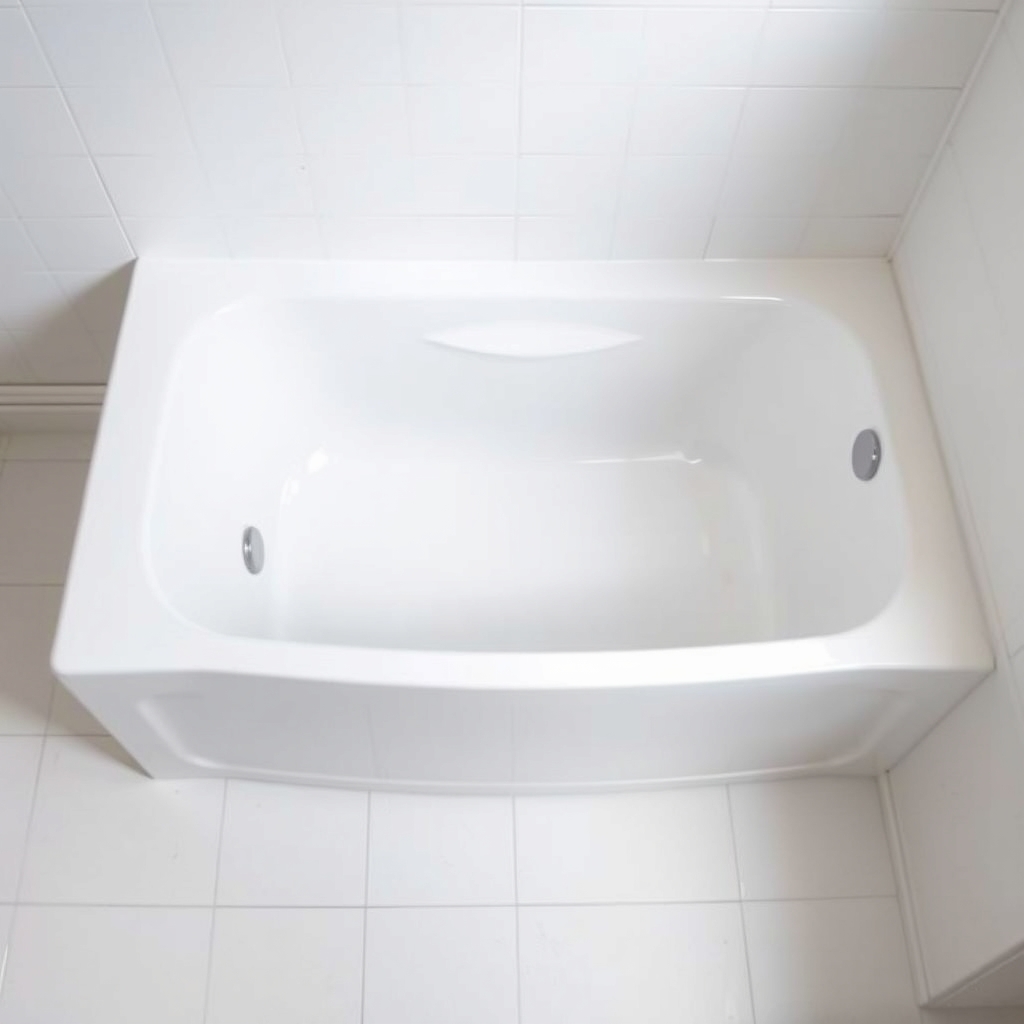
In this guide
Quick answer
Why is my bathtub creaking when I walk in it? Usually there is a gap between the bottom of the tub and the floor, so the tub flexes under your weight. Find where it moves, then fill the gap with low-expansion polyurethane foam from a can, which stops the flex and the creak.
Free fix vs. permanent fix
Find the spot and shim the gap
- Step around the tub floor to find where it flexes
- Look for an access panel, basement or crawlspace below
- Tap wood shims into any gap you can see
- Check that the tub rim is fastened to the wall studs
How long it lasts: A few months to years if the gap is small and visible. Shims cannot reach a gap you cannot see.

Low-expansion support foam
The creak comes from the tub's thin floor flexing over an air gap. Low-expansion foam fills the space under the tub and cures into a firm support, so the floor stops moving. Use low-expansion foam only, since regular foam can push an acrylic tub out of shape.
What to get: Low-expansion polyurethane foam
How long it lasts: Years. Cured foam fills the whole gap and stays put.
As an Amazon Associate I earn from qualifying purchases.
What you'll need
-
A helper
One person steps in the tub while the other watches below
Free -
Flashlight
To see the gap and any pipes or wires
You have it -
Gloves and safety glasses
Foam sticks to skin and is hard to remove
You have it - Illustration
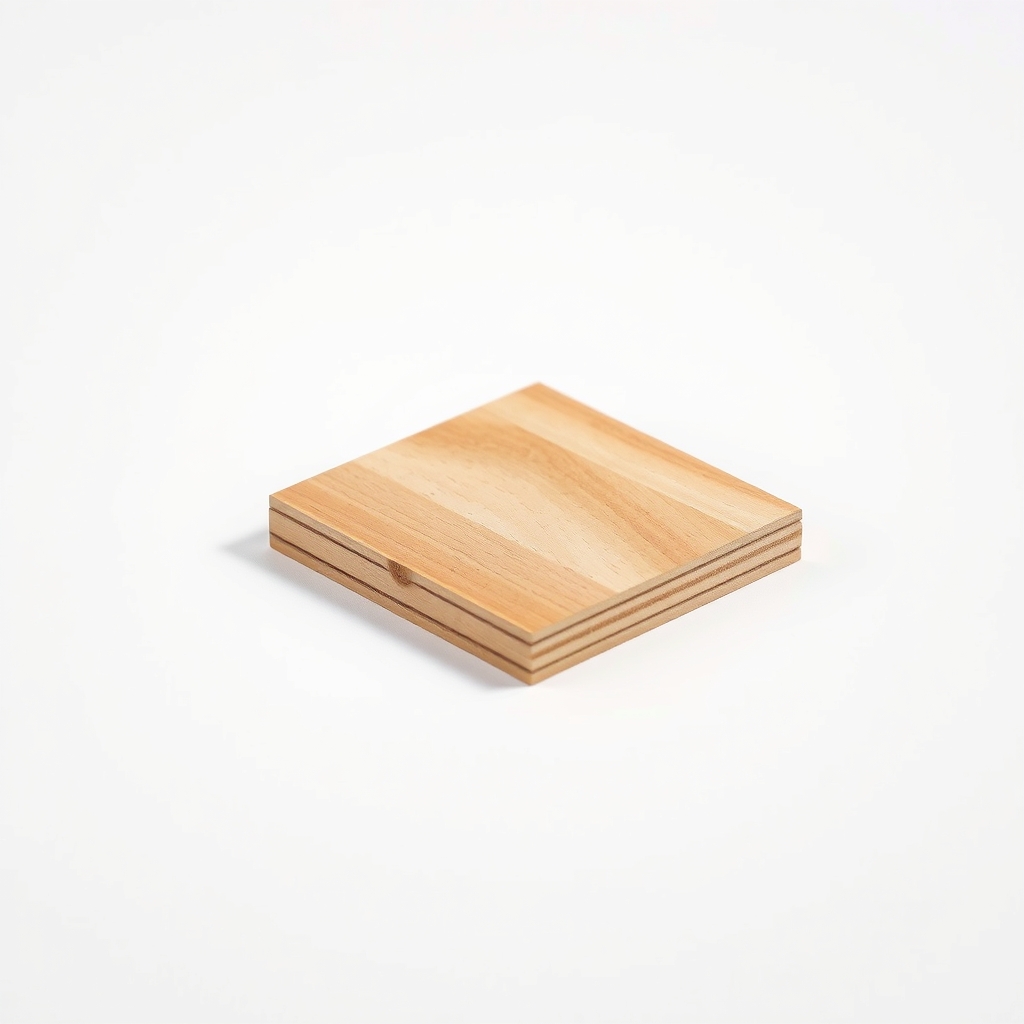
Wood shims
A cheap fix for a small visible gap
- Our pick Illustration
Low-expansion polyurethane foam
Labeled minimal-expanding or window and door foam
Why it happens
A gap under the tub floor
Acrylic and fiberglass tubs have thin floors that need solid support. A gap between the tub and the subfloor lets the floor flex and creak under your weight.
A support bed that shrank
The mortar or foam bed some tubs sit in can shrink or crack. When the support pulls away, the tub moves.
A loose rim or wall flange
The tub's rim is usually fastened to the wall studs. If those fixings loosen, the tub shifts at the edge.
A squeaky subfloor
Sometimes the noise is not the tub at all. Boards or nails in the subfloor rub, and the tub carries the sound.
Try this first (free)
Do these in order, starting with the simplest.
-
Locate the creak
Tool used: A helperStep in at different spots while a helper listens and watches from under the tub or at an access panel. Note where it moves or makes noise, and mark that spot with tape.
-
Check the rim and the wall edge
Tool used: FlashlightLook along the tub rim where it meets the wall. If you can see loose screws, snug them gently. Do not crack the tub, and reseal any gap with caulk afterward.
-
Look under the tub
Tool used: FlashlightOpen any access panel, usually behind the faucet wall, in a closet or room next door, or from a basement ceiling. With the flashlight, look for the gap between the tub bottom and the floor. Take care around pipes and wires.
-
Shim what you can see
Tool used: Wood shimsTap wood shims into the gap at the spot that flexes, snug but without lifting the tub. They work for visible gaps but cannot reach under the whole tub.
IllustrationCheck price on AmazonTool for this step
Wood shims · A cheap fix for a small visible gap
-
Fill the gap with foam
Tool used: Low-expansion polyurethane foamWear gloves and glasses, shake the can, and spray a thin, steady layer into the gap. Foam still expands, so work in short bursts. Add more after a few minutes if needed, and keep weight off the tub for the cure time on the can.
IllustrationCheck price on AmazonTool for this step
Low-expansion polyurethane foam · Labeled minimal-expanding or window and door foam
When free fixes aren't enough
Shims only handle a gap you can see and reach. Most tubs hide the gap, and the tub floor is thin, so foam is what fills it. Stop and call a pro if the floor beside the tub is soft or stained, if you see a leak, or if you cannot reach the underside without cutting into a wall or floor. A creak plus water damage is a plumbing or rot problem, not a foam job.
Buy the fix
Still stuck after the free fixes? These are the products we would look at.
| Pick | Product | Fixes | Who it's for | Buy |
|---|---|---|---|---|
| Best pick | Low-expansion polyurethane foam | a flexing tub floor over a gap you can reach | Anyone with an acrylic or fiberglass tub that creaks and a way to reach the underside. | Check price |
| Budget pick | Wood shims | a small, visible gap that makes the tub flex | People who can see and reach the gap from an access panel. | Check price |
Low-expansion polyurethane foam
Fixes: a flexing tub floor over a gap you can reach
Look for: Labeled low-expansion, minimal-expanding, or window and door foam; Cures firm, not soft or crumbly; Comes with a straw nozzle you can aim into a gap.
- Who it's for
- Anyone with an acrylic or fiberglass tub that creaks and a way to reach the underside.
- Honest downside
- You cannot reach the underside, or the tub is cast iron with its own feet. Ask a pro.
Wood shims
Fixes: a small, visible gap that makes the tub flex
Look for: Tapered shims thin enough for a narrow gap; Dry, untreated wood; A set with several sizes.
- Who it's for
- People who can see and reach the gap from an access panel.
- Honest downside
- You cannot reach the gap, or the shims will not stay in place. They can slip out.
As an Amazon Associate I earn from qualifying purchases. We don't show prices because they change, so use the button to see today's price.
How we picked: How we picked: this page is based on bathtub installation and support guides, the instructions printed on low-expansion foam cans, and the problems and fixes people report in reviews. We do not test products by hand.
What is under your tub? The material matters
- Acrylic or fiberglass: a thin shell that needs full support from below, such as foam or a mortar bed. Foam is the fix on this page.
- Enameled steel: it can pop or creak where it meets the floor. Shim and foam carefully.
- Cast iron: very heavy and held up by its own feet or base. A creak usually comes from the floor, not the tub, so call a pro.
What to skip
Regular expanding foam and caulk
High-expansion foam grows with a lot of force and can push the tub up, bow its floor or crack it. Caulk only seals the edge and does nothing for a flexing floor. Use foam labeled low-expansion.
Frequently asked questions
Why does my tub creak even though it looks solid?
Is support foam safe for an acrylic tub?
How do I get under the tub?
Can a creaking tub cause damage?
Related problems
 Free fix inside
Bathroom · Bathtub Drain
Bathtub Not Draining? Clear the Hair Clog Without Harsh Chemicals
Read the fix Free fix inside
Bathroom · Bathtub Drain
Bathtub Not Holding Water? Replace the Stopper, Not the Drain
Read the fix Free fix inside
Bathroom · Bathtub Surface
Bathtub Not Attached to the Wall? Seal the Gap With the Right Caulk
Read the fix Free fix inside
Bathroom · Bathtub Surface
Cracked Bathtub? How to Seal Hairline Cracks With a Repair Kit
Read the fixAs an Amazon Associate I earn from qualifying purchases. Affiliate disclosure