Toilet Not Unclogging With a Plunger? Plunger vs Closet Auger
A plunger fails when it is the wrong type, has no seal, or the clog sits deeper than it reaches. Fix your plunging first, then use a closet auger.
By Jamilur Rahman Updated November 5, 2026 · 6 min read
- Time
- 20 min
- Cost
- $20-$50
- Difficulty
- Easy
In this guide
Quick answer
A plunger fails when it is a flat sink plunger, when there is not enough water over the cup, or when the clog sits deeper than plunging can reach. Switch to a flange toilet plunger, cover the cup with water, and push gently, then firmly, 15 to 20 times. If the water still does not drop after a few rounds, use a closet auger. It reaches into the curve of the toilet and breaks up or pulls out what the plunger cannot.
Free fix vs. permanent fix
Right plunger, dish soap and hot water
- Use a flange plunger made for toilets
- Add enough water to cover the cup
- Push gently first, then 15 to 20 firm strokes
- Pour in dish soap and hot (not boiling) water and wait 15 minutes
How long it lasts: Clears most paper and waste clogs. It does not help an object stuck in the trap or a clog too deep to reach.
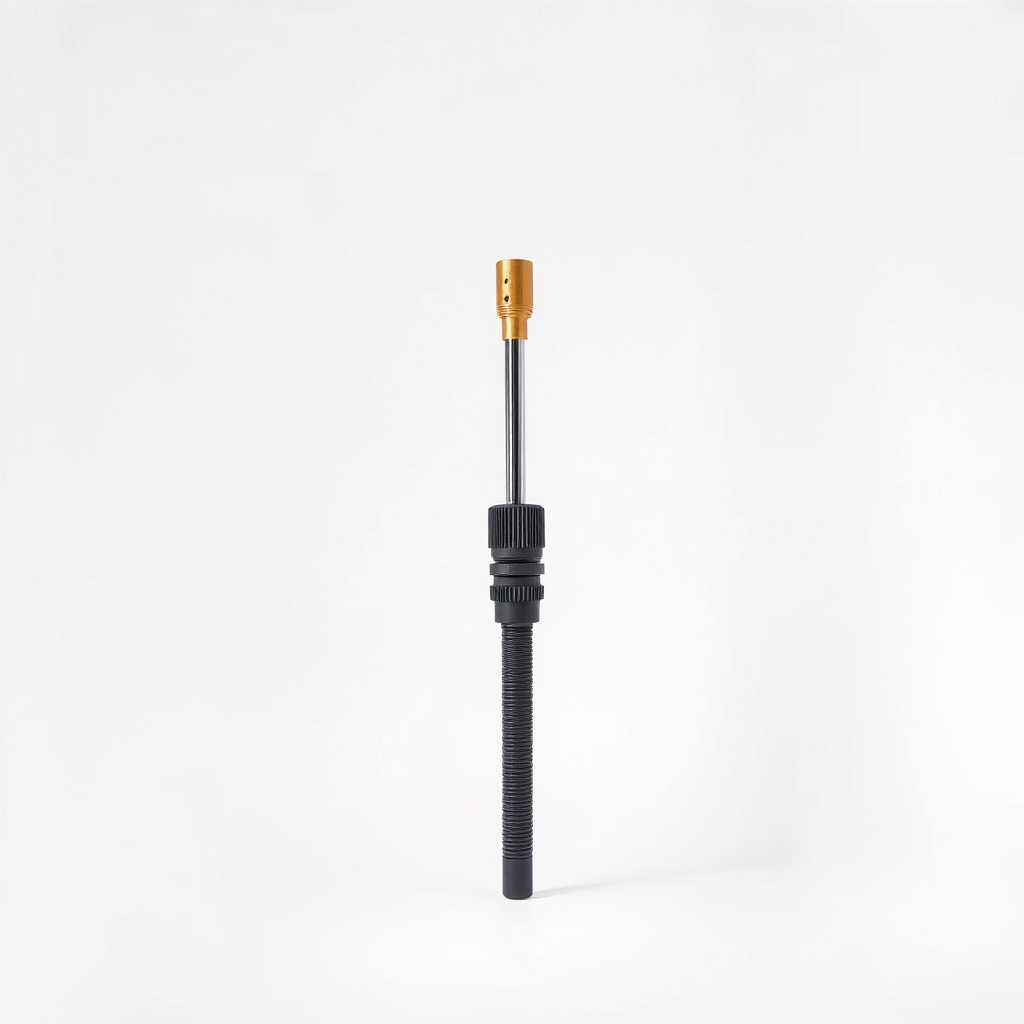
A closet auger (toilet snake)
A plunger pushes water. An auger goes in. A closet auger has a curved tube and a protected head made for the toilet's trap, so it can hook or break up a clog that plunging only packs tighter. It is a one-time buy you will have on hand the next time.
What to get: Closet auger (toilet snake) with a rubber-sleeved head
How long it lasts: Years. It is one tool that clears stubborn clogs, so you are not waiting on a plumber.
As an Amazon Associate I earn from qualifying purchases.
What you'll need
- Illustration
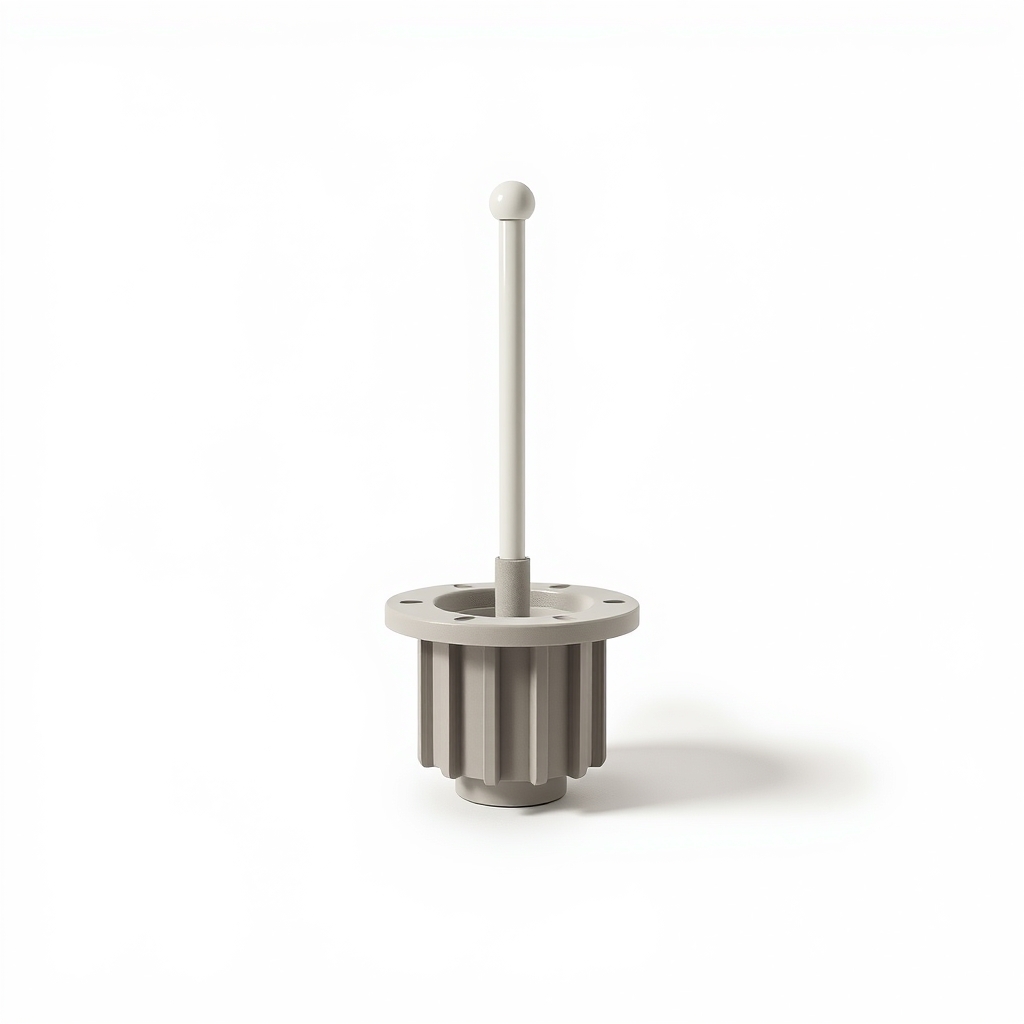
Flange (toilet) plunger
A flat sink plunger will not seal in the toilet
-
Rubber gloves
For plunging and for handling the auger
You have it -
Dish soap
Lubricates the clog so it slides through
You have it -
Old towels and a bucket
For splashes and for scooping out extra water
You have it - Our pick Illustration
Closet auger
For the clog the plunger cannot move
Why it happens
The wrong plunger
A flat-bottomed cup plunger, made for sinks, does not seal in a toilet's curved drain. Without a seal it moves water but not the clog. A flange plunger has an extra rubber ring that fits the opening.
Too little or too much water
If the cup is not covered, you push air, not water. If the bowl is near the rim, you will splash everywhere. The water should just cover the cup.
A clog past plunging range
A wad of wipes, a lot of toilet paper or a toy can lodge in the trap's curve. Plunging may only pack it tighter.
A partly cleared clog
If the water drains slowly and rebounds, the plug has loosened but is still there. Plunging again without changing anything rarely finishes it.
A problem further down the line
If several drains are slow or gurgling, the blockage is in the main line, and no toilet tool will clear it.
Try this first (free)
Do these in order, starting with the simplest.
-
Check the water level
Tool used: Old towels and a bucketIf the bowl is near the rim, scoop some out into a bucket. If it is low, add water so it covers the plunger cup. Do not flush again, and lay towels around the base.
-
Use a flange plunger
Tool used: Flange (toilet) plungerFit the flange into the drain hole so the cup seals around it. Push down slowly once to push out the air, then do 15 to 20 firm strokes without breaking the seal. Finish with a sharp pull up.
IllustrationCheck price on AmazonTool for this step
Flange (toilet) plunger · A flat sink plunger will not seal in the toilet
-
Try soap and hot water
Tool used: Dish soapSquirt in a generous amount of dish soap, then pour in a bucket of hot tap water from about waist height. Do not use boiling water, because it can crack the porcelain. Wait 15 minutes, then plunge again.
-
Switch to the auger
Tool used: Closet augerPull the cable all the way into the tube, set the curved end in the drain so the rubber sleeve rests on the porcelain, and push the handle down. Turn the handle clockwise while pushing the cable forward gently until you feel the clog, crank to hook or break it up, pull it out, then flush.
IllustrationCheck price on AmazonTool for this step
Closet auger · For the clog the plunger cannot move
-
Test and clean up
Tool used: Rubber glovesFlush once. The bowl should empty and refill quickly. Rinse the tools with hot soapy water and wash your hands.
When free fixes aren't enough
If you gave a flange plunger three or four honest rounds and the water still barely moves, the clog is lodged past the plunger's reach. That is the job a closet auger is made for, and its rubber sleeve protects the bowl. Call a plumber if the auger hits something hard it cannot hook, if the toilet clogs again within a day, or if the tub, shower or sink also drains slowly or gurgles when you flush. Those signs point to the main drain, not the toilet.
Buy the fix
Still stuck after the free fixes? These are the products we would look at.
| Pick | Product | Fixes | Who it's for | Buy |
|---|---|---|---|---|
| Best pick | Closet auger (toilet snake) with a rubber-sleeved head | a clog sitting in the toilet's trap that plunging cannot move | Anyone whose toilet has clogged more than once, or who has plunged properly and gotten nowhere. | Check price |
| Budget pick | Flange toilet plunger | a plunger that never seals in the toilet | People who only own a flat sink plunger. | Check price |
Closet auger (toilet snake) with a rubber-sleeved head
Fixes: a clog sitting in the toilet's trap that plunging cannot move
Look for: A rubber or vinyl sleeve on the curved tube, so it will not scratch the porcelain; A cable of about 3 to 6 feet; A comfortable crank handle; A design made for toilets, not a general sink snake.
- Who it's for
- Anyone whose toilet has clogged more than once, or who has plunged properly and gotten nowhere.
- Honest downside
- You think a hard object, such as a toy or a brush, is stuck. An auger can push it deeper. Call a plumber.
Flange toilet plunger
Fixes: a plunger that never seals in the toilet
Look for: A fold-out flange or extra rubber ring under the cup; A cup deep enough for your bowl; Soft rubber that keeps its shape.
- Who it's for
- People who only own a flat sink plunger.
- Honest downside
- You have already used a flange plunger with a good seal and nothing moved. Go straight to an auger.
As an Amazon Associate I earn from qualifying purchases. We don't show prices because they change, so use the button to see today's price.
How we picked: How we picked: this page is based on plumbing repair guides, tool instructions from plunger and auger makers, and the problems and fixes people report in reviews. We do not test products by hand.
Plunger or closet auger: which first?
- Flange plunger: try this first. It works on most paper and waste clogs in a few minutes.
- Closet auger: use it when plunging has failed, when the toilet clogs again and again, or when you do not want to push a clog tighter.
What to skip
Chemical drain cleaners, boiling water and coat hangers
Chemical cleaners can leave harsh water in the bowl that splashes back, and a plumber will need to be told. Boiling water can crack porcelain. A wire coat hanger scratches the bowl and rarely reaches the clog.
Frequently asked questions
Why is my toilet not draining after plunging?
What is the best tool to unclog a toilet?
Can I use a drain snake instead of a closet auger?
What if the toilet is about to overflow?
Related problems
 Free fix inside
Bathroom · Toilet Clogs
Toilet Keeps Clogging? The Plunger Type That Actually Works
Read the fix Free fix inside
Bathroom · Toilet Tank
Toilet Keeps Running? The Flapper Fix (and the Dye Test)
Read the fix Free fix inside
Bathroom · Toilet Base
Toilet Leaking From the Bottom? Rule Out the Supply Line First
Read the fix Free fix inside
Bathroom · Toilet Base
Toilet Rocking or Wobbly? Plastic Shims Fix It in 10 Minutes
Read the fixAs an Amazon Associate I earn from qualifying purchases. Affiliate disclosure