Toilet Keeps Running? The Flapper Fix (and the Dye Test)
A running toilet usually has a leaky flapper. Confirm it with a few drops of food coloring, then swap in a new flapper in about 10 minutes.
By Jamilur Rahman Updated November 5, 2026 · 7 min read
- Time
- 15 min
- Cost
- Under $20
- Difficulty
- Easy
In this guide
Quick answer
A toilet that runs, refills by itself or flushes on its own almost always has a flapper that does not seal, so water leaks into the bowl and the tank keeps refilling. Confirm it with the dye test: add food coloring to the tank, wait 10 to 15 minutes without flushing and look for color in the bowl. If the bowl is colored, replace the flapper. Check the chain slack and the water level first.
Free fix vs. permanent fix
Adjust the chain and clean the seat
- Give the chain about half an inch of slack
- Wipe the flapper and the rim it sits on
- Check that the water stops about an inch below the top of the overflow tube
- Run the dye test to see whether it still leaks
How long it lasts: Weeks to months when the cause is a tight chain or scale on the seat. A worn flapper leaks again.
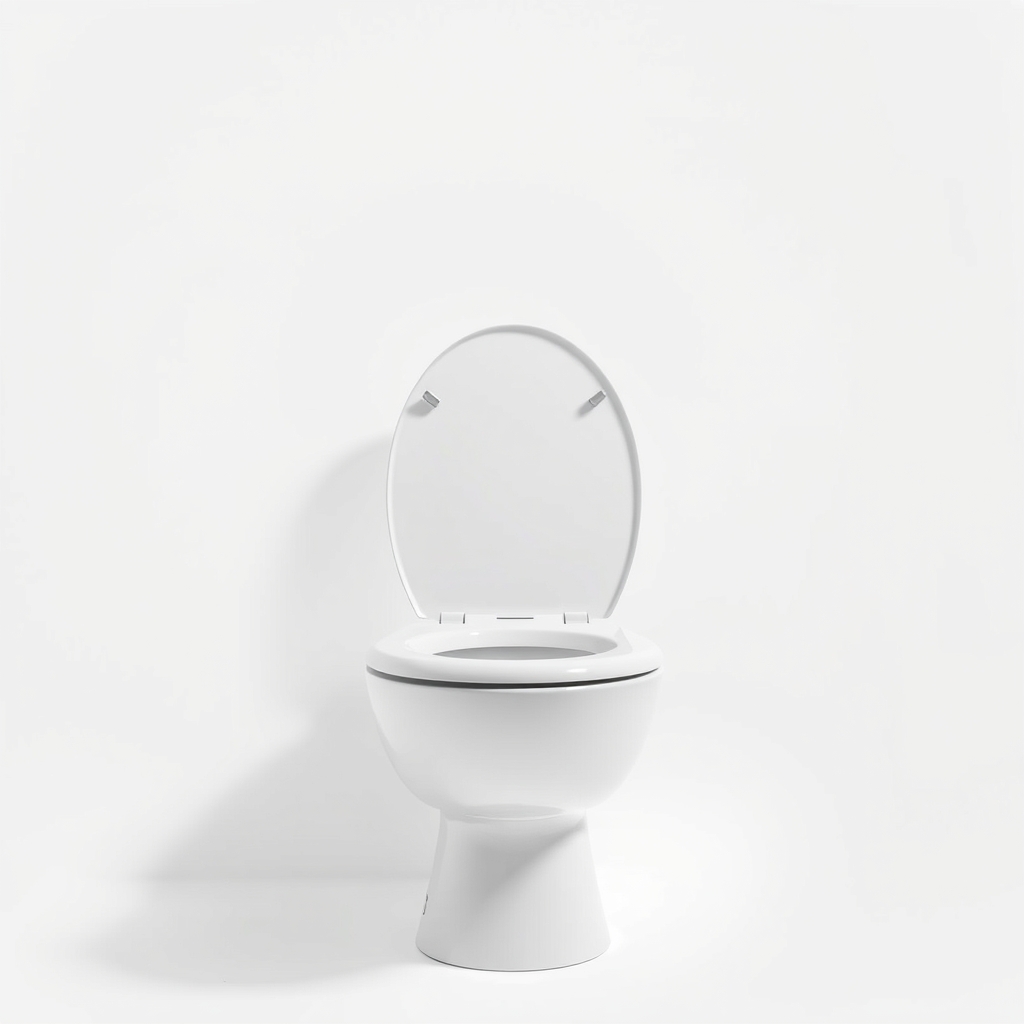
A new toilet flapper that fits your valve
The flapper is a rubber door that wears, warps and hardens as it ages. A new one seals tight and stops the slow leak that keeps the tank refilling. It is the part most often behind a running toilet, and it is inexpensive.
What to get: Toilet flapper
How long it lasts: Years. The rubber is new, so it seals flat against the seat.
As an Amazon Associate I earn from qualifying purchases.
What you'll need
-
Food coloring
For the dye test
You have it -
Cloth or sponge
Wipes the flapper and its seat clean
You have it -
Tape measure or ruler
To check whether you have a 2-inch or 3-inch flush valve
You have it - Our pick Illustration
Toilet flapper
Match the size to your flush valve
- Illustration
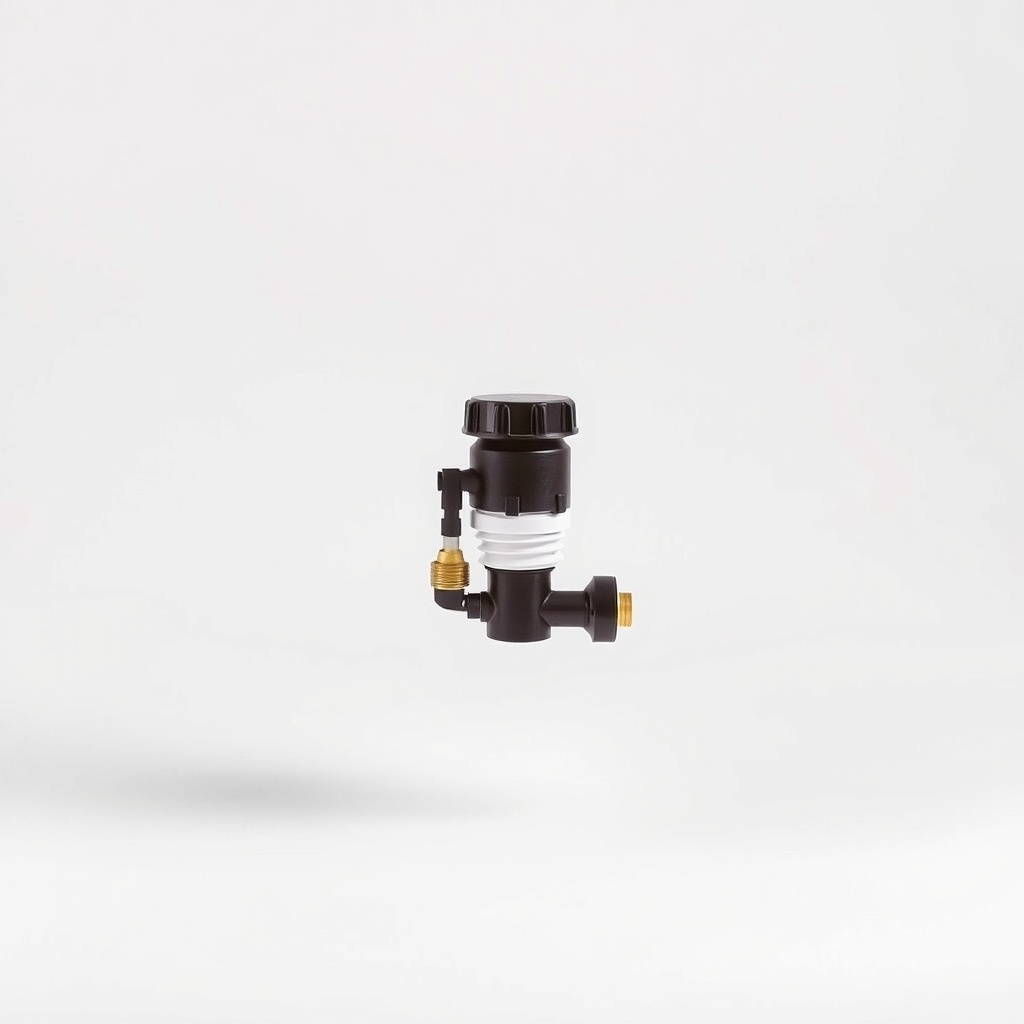
Toilet tank repair kit
Flapper plus fill valve, for older toilets
Why it happens
A worn or warped flapper
Rubber hardens, warps or turns slimy after years in tank water. It no longer lies flat on its seat, so water seeps into the bowl all day.
A chain that is too tight or too long
A tight chain holds the flapper slightly open. A very long chain can tangle under the flapper and stop it closing.
Scale or grit on the seat
Mineral buildup on the rim where the flapper sits stops a tight seal, even with a new flapper.
A fill valve or float set too high
If the water rises above the top of the overflow tube, it spills into the tube and the toilet keeps running. A hissing or whistling sound while the tank fills points to the fill valve.
Try this first (free)
Do these in order, starting with the simplest.
-
Run the dye test
Tool used: Food coloringTake the tank lid off and put 5 to 10 drops of food coloring in the tank. Do not flush. Wait 10 to 15 minutes. If any color shows in the bowl, the flapper is leaking. If the bowl stays clear, check the water level and the fill valve instead.
-
Check the chain
With the flapper closed, the chain should have about half an inch of slack. Move the clip to fix it. Make sure no loop of chain is caught under the flapper.
-
Clean the flapper and seat
Tool used: Cloth or spongeTurn the water off at the valve behind the toilet and flush to empty the tank. Wipe the flapper and the rim it sits on. Light scale comes off with a rub from a cloth or the rough side of a sponge.
-
Measure the flush valve
Tool used: Tape measure or rulerMeasure across the opening the flapper covers. Most are 2 inches, and many newer toilets use 3 inches. If you are unsure, take a photo of the old flapper to compare, or note the toilet's make and model printed in the tank.
-
Replace the flapper
Tool used: Toilet flapperUnhook the old flapper from the two pegs on the overflow tube and unclip the chain from the handle arm. Hook on the new flapper and clip the chain with half an inch of slack. Turn the water on and let the tank fill.
IllustrationCheck price on AmazonTool for this step
Toilet flapper · Match the size to your flush valve
-
Test again
Repeat the dye test, or just listen at the tank. If the bowl stays clear and the tank stops refilling on its own, you are done.
When free fixes aren't enough
Free adjustments fix a tight chain or a dirty seat, but they cannot fix rubber that has warped with age. If the dye test still shows color after you have cleaned the seat and reset the chain, the flapper is worn, and a new one is the fix. If a new flapper still leaks, the seat may be pitted or cracked, which a repair kit or a plumber can handle. If water runs into the overflow tube, the fill valve or float is the problem. A leaking toilet can waste hundreds of gallons of water a day, so do not wait. If the shut-off valve behind the toilet will not turn or leaks, do not force it. Call a plumber.
Buy the fix
Still stuck after the free fixes? These are the products we would look at.
| Pick | Product | Fixes | Who it's for | Buy |
|---|---|---|---|---|
| Best pick | Toilet flapper | a leaking flapper that makes the toilet run, refill or flush by itself | Anyone whose dye test shows color in the bowl. | Check price |
| Upgrade pick | Toilet tank repair kit with flapper and fill valve | an older toilet where the flapper, fill valve and float are all worn | Owners of older toilets, or any toilet that also hisses or refills slowly. | Check price |
Toilet flapper
Fixes: a leaking flapper that makes the toilet run, refill or flush by itself
Look for: The right size for your flush valve, 2 inch or 3 inch; A listing that matches your toilet or states the valve size it fits; Durable rubber or silicone, with the chain included or a note on fit.
- Who it's for
- Anyone whose dye test shows color in the bowl.
- Honest downside
- The dye test stays clear. The problem is the fill valve or the water level. Also check the size before you buy.
Toilet tank repair kit with flapper and fill valve
Fixes: an older toilet where the flapper, fill valve and float are all worn
Look for: A fill valve and flapper listed to fit your tank; Clear sizing notes for the flush valve; Seals and fittings included.
- Who it's for
- Owners of older toilets, or any toilet that also hisses or refills slowly.
- Honest downside
- The toilet is newer and only the flapper is worn. A flapper alone is enough.
As an Amazon Associate I earn from qualifying purchases. We don't show prices because they change, so use the button to see today's price.
How we picked: How we picked: this page is based on plumbing and water-saving guides, installation instructions from flapper and repair kit makers, and the problems and fixes people report in owner reviews. We do not test products by hand.
Which flapper fits? 2 inch vs 3 inch
- 2-inch: a drain opening about 2 inches across, typical on many older toilets.
- 3-inch: a wider opening, typical on many newer toilets.
- Not sure: measure the opening, or compare a photo of your old flapper with the listing photos.
- No flapper at all: if your flush valve is a tower or canister type, this fix does not apply.
Not the flapper? Two other culprits
Water spilling into the overflow tube means the fill valve or float is set too high, so lower the float. A hissing or whistling sound while the tank fills points to a worn fill valve. Both are separate fixes, and the dye test tells you which path you are on.
What to skip
Drop-in bleach tank tablets
Chlorine tablets in the tank wear down rubber parts like the flapper, so a toilet that already leaks leaks sooner. Bending the chain or adding weights to the flapper also creates new leaks. Replace the flapper with a matching one.
Frequently asked questions
Why does my toilet keep running on and off?
Why does my toilet keep running after I flush?
How do I stop my toilet from flushing on its own?
How long does a flapper last?
What if it still runs after a new flapper?
Related problems
 Free fix inside
Bathroom · Toilet Tank
Toilet Hissing or Whistling? A New Fill Valve Fixes It in 15 Minutes
Read the fix Free fix inside
Bathroom · Toilet Base
Toilet Leaking From the Bottom? Rule Out the Supply Line First
Read the fix Free fix inside
Bathroom · Toilet Clogs
Toilet Keeps Clogging? The Plunger Type That Actually Works
Read the fixAs an Amazon Associate I earn from qualifying purchases. Affiliate disclosure