Toilet Hissing or Whistling? A New Fill Valve Fixes It in 15 Minutes
A hiss or whistle after the flush usually means a worn fill valve. Clean it first; if the noise or slow refill stays, a new valve fixes it in 15 minutes.
By Jamilur Rahman Updated November 5, 2026 · 8 min read
- Time
- 15-30 min
- Cost
- Under $20
- Difficulty
- Easy
In this guide
Quick answer
A toilet that hisses, whistles or refills slowly almost always has a worn or gritty fill valve, the part that lets water into the tank. Open the shut-off valve fully and clean the valve first. If the noise or the slow refill stays, a universal fill valve kit replaces the part in about 15 minutes and needs no special skills.
Free fix vs. permanent fix
Open the shut-off, set the float, flush out grit
- Open the shut-off valve all the way
- Set the water level about 1 inch below the top of the overflow tube
- Flush grit out of the valve and rinse the seal
- Run a dye test to rule out a leaking flapper
How long it lasts: A few weeks to a few months if grit was the cause. A worn rubber seal usually brings the noise back.
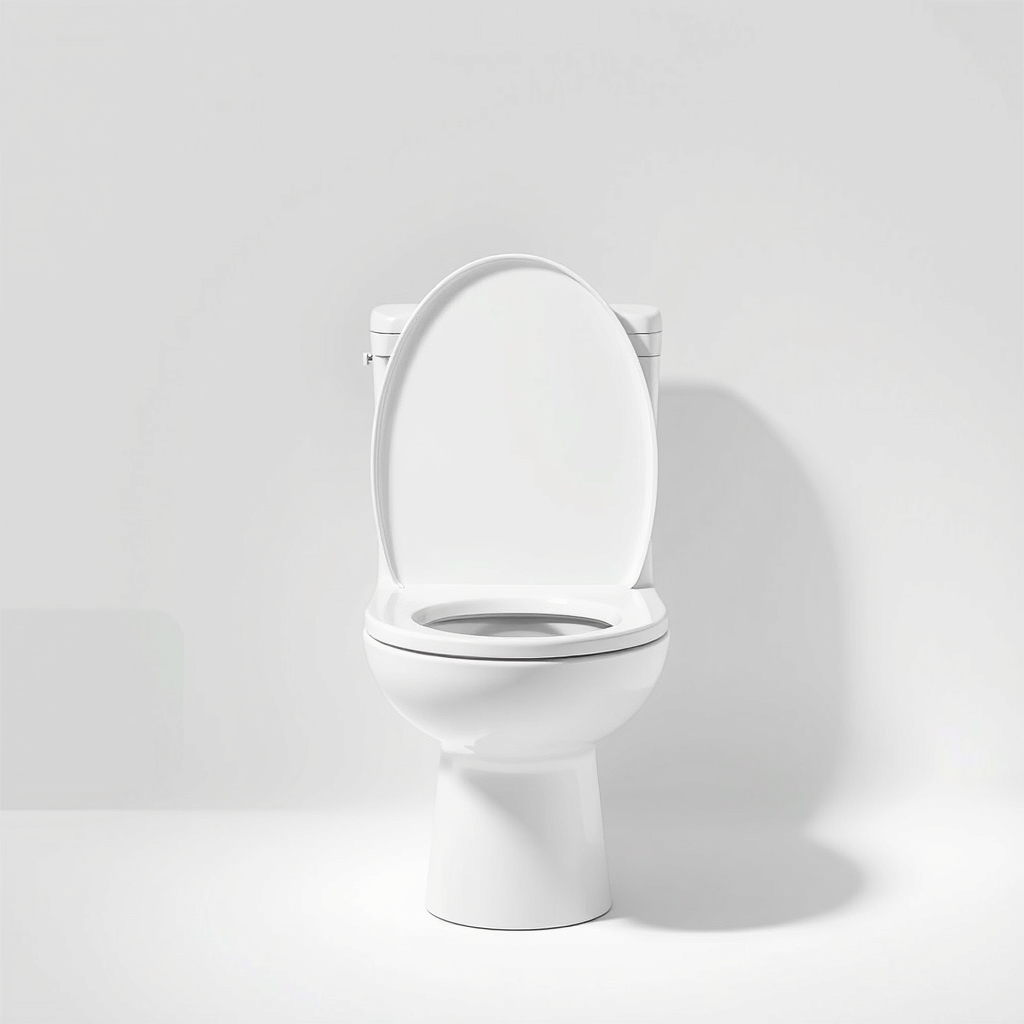
A universal toilet fill valve
Hissing and whistling come from water squeezing through a worn seal or a gritty, scaled-up valve. Cleaning removes the grit, but the rubber keeps aging. A new valve resets all of it, and a universal one fits most standard tanks.
What to get: Universal toilet fill valve kit
How long it lasts: Often several years. Hard water shortens it, but a new valve starts with clean passages and fresh seals.
As an Amazon Associate I earn from qualifying purchases.
What you'll need
-
Towel, sponge and small bucket
For the water left in the tank and the supply line
You have it -
Adjustable pliers
For the supply nut and the locknut under the tank
You have it - Our pick Illustration
Universal toilet fill valve kit
The part that fixes the noise and the slow refill
- Illustration
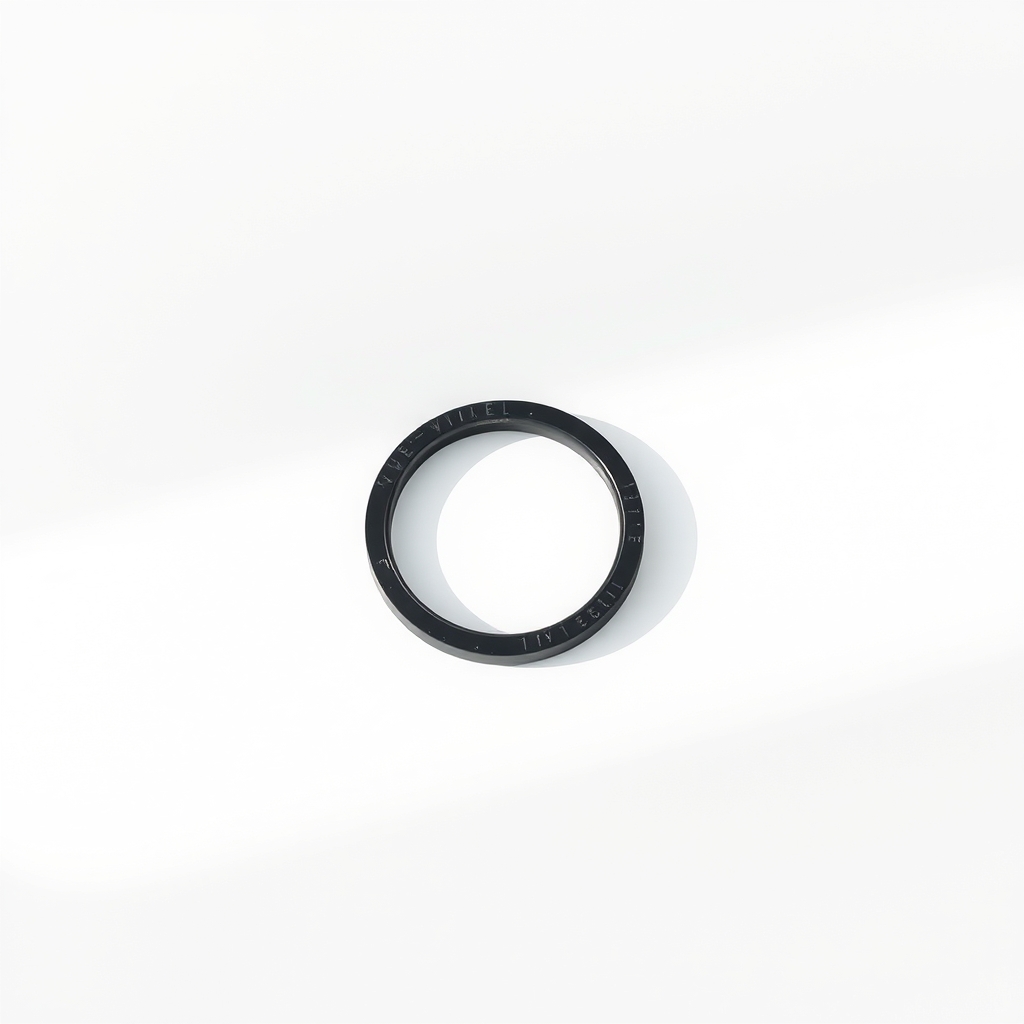
Fill valve seal or repair kit
Only if the valve is fairly new and just the seal is worn
- Illustration
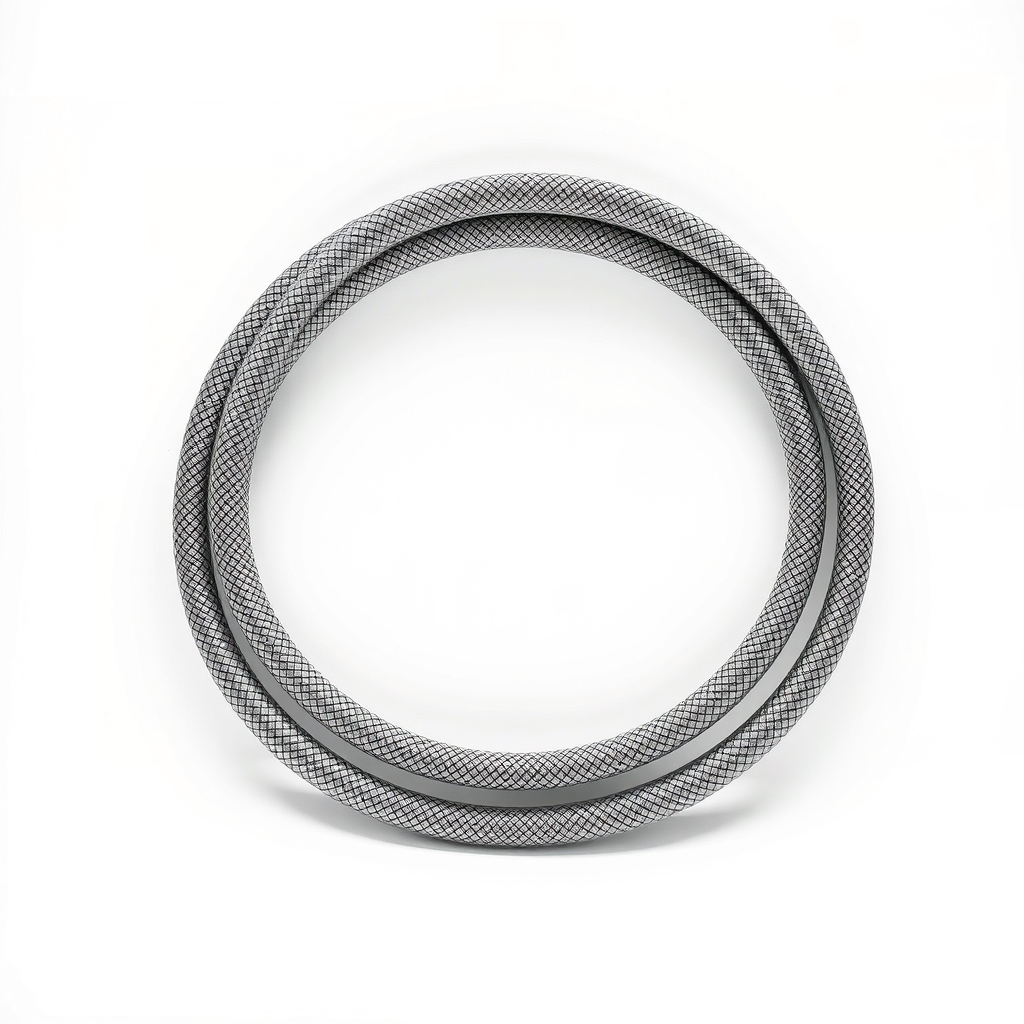
Braided stainless steel supply line
Swap it while the tank is open if yours is old, kinked or crusty
Why it happens
Grit or mineral scale in the valve
Sediment from the water supply and mineral scale collect around the seal. Water has to squeeze past, and that makes the whistle. It often starts after plumbing work or a water main flush.
A worn seal or diaphragm
The rubber seal inside the valve hardens and wears. It no longer shuts off cleanly, so the valve hisses after the tank is full, or it never quite closes.
Overfilling or a leaking flapper
If the water level is too high, it spills into the overflow tube. If the flapper leaks, the tank tops itself up in short bursts. Both make a hiss between flushes.
A half-closed shut-off valve or high pressure
A shut-off valve that is only partly open forces water through a narrow gap and whistles. Water pressure above roughly 80 psi can make fixtures noisy and wear parts faster.
Why the toilet is not filling at all
A closed shut-off valve, a kinked supply line, a clogged valve or a float stuck against the tank wall can stop the refill. Check these before you buy anything.
Try this first (free)
Do these in order, starting with the simplest.
-
1. Open the shut-off valve all the way
Turn the valve under the tank counterclockwise until it stops. A half-closed valve is a common reason for a whistle, or for a toilet that fills slowly. Closing it slightly can quiet the noise, but that is only a stopgap.
-
2. Set the float and water level
Lift the lid. The water should stop about 1 inch below the top of the overflow tube. Turn the adjustment screw on the valve, or slide the clip on the rod, until it does. Make sure the float does not rub the tank wall.
-
3. Flush grit out of the valve
Tool used: Towel, sponge and small bucketShut off the water and flush the tank. Many valve caps come off with a quarter turn counterclockwise. Hold a cup over the open valve, open the shut-off briefly so the water blasts debris out, then close it. Rinse the seal under the tap and put it back.
-
4. Run a dye test on the flapper
Put a few drops of food coloring in the tank and wait 10 minutes without flushing. If color shows in the bowl, the flapper leaks and keeps triggering refills. Replace the flapper first.
-
5. Replace the fill valve
Tool used: Universal toilet fill valve kitShut off the water, flush and sponge out the tank. Unscrew the supply line over the bucket, then unscrew the locknut under the tank and lift the old valve out. Set the new valve so its critical-level mark sits at least 1 inch above the overflow tube. Hand-tighten the locknut plus a quarter turn, reconnect the line, clip the refill tube to the overflow tube and turn the water on slowly.
IllustrationCheck price on AmazonTool for this step
Universal toilet fill valve kit · The part that fixes the noise and the slow refill
When free fixes aren't enough
If the whistle returns within weeks, the tank still refills slowly after cleaning, or the valve has been in for many years, the seal is worn out and cleaning cannot bring it back. A new fill valve is a cheap part and a 15-minute job, and it is the fix that lasts. If several fixtures whistle, the pressure may be high, so ask a plumber to check it. If water is spraying, or the shut-off valve will not close, shut off the water at the main and call a plumber.
Buy the fix
Still stuck after the free fixes? These are the products we would look at.
| Pick | Product | Fixes | Who it's for | Buy |
|---|---|---|---|---|
| Best pick | Universal toilet fill valve kit | hissing, whistling and slow or no refill from a worn valve | Anyone whose toilet still hisses or whistles after cleaning the valve, or whose valve is old. | Check price |
| Budget pick | Fill valve seal or repair kit | a worn seal in an otherwise good valve | People whose valve is fairly new and only needs a fresh seal. | Check price |
| Upgrade pick | Braided stainless steel toilet supply line | a kinked, crusty or old supply line that slows the refill | Anyone with an old plastic or rubber supply line, since the tank is already open. | Check price |
Universal toilet fill valve kit
Fixes: hissing, whistling and slow or no refill from a worn valve
Look for: Adjustable height that covers your tank, so measure from the tank floor to the top of the overflow tube; An anti-siphon design with a critical-level (CL) mark; The locknut, shank washer and refill tube included; Reviews or a box that mention quiet filling.
- Who it's for
- Anyone whose toilet still hisses or whistles after cleaning the valve, or whose valve is old.
- Honest downside
- Your toilet has a pressure-assist tank (a sealed plastic tank inside the tank) or a wall-mounted tank. Those use different parts.
Fill valve seal or repair kit
Fixes: a worn seal in an otherwise good valve
Look for: Made for your valve's brand and model, which is printed on top of the valve; Includes the seal or diaphragm and any cap parts.
- Who it's for
- People whose valve is fairly new and only needs a fresh seal.
- Honest downside
- The valve body is cracked or scaled up, or you cannot find the maker's name. A full new valve is simpler and costs little more.
Braided stainless steel toilet supply line
Fixes: a kinked, crusty or old supply line that slows the refill
Look for: A 3/8 inch compression end and a 7/8 inch ballcock nut, which are the common sizes, so check yours; A length that reaches with a gentle curve and no kink.
- Who it's for
- Anyone with an old plastic or rubber supply line, since the tank is already open.
- Honest downside
- Your line is fairly new and not kinked. Reuse it.
As an Amazon Associate I earn from qualifying purchases. We don't show prices because they change, so use the button to see today's price.
How we picked: How we picked: this page is based on toilet repair guides, fill valve installation instructions from the makers, plumbing guidance on water pressure, and the problems and fixes people report in owner reviews. We do not test products by hand.
Which kind of fill valve do you have?
Look inside the tank. The type decides which fix fits.
- Float ball on a long arm: the older style. Bending the arm slightly lowers the water level, but parts are hard to find, so most people replace the whole valve.
- Cup that slides up a tall shaft: the common modern type. A screw or clip sets the level.
- Compact cylinder with a built-in float: quiet, but its seal can wear too.
What to skip
Drop-in tank tablets and tying up the float
Bleach tablets in the tank can shorten the life of the rubber parts, including the flapper and the fill valve seal, and they do nothing for noise. Do not tie the float up with tape or string to quiet the toilet either. If the valve cannot shut off, the tank can overfill and flood the floor.
Frequently asked questions
Why does my toilet whistle when I flush it?
Why is my toilet not filling up with water?
Is a hissing toilet wasting water?
Can I replace a fill valve myself?
Will a universal fill valve fit my toilet?
Related problems
As an Amazon Associate I earn from qualifying purchases. Affiliate disclosure