Toilet Keeps Clogging? The Plunger Type That Actually Works
Most clogs come from too much paper, wipes or a weak flush. Clear this one with a flange plunger, then find out why it keeps happening.
By Jamilur Rahman Updated November 5, 2026 · 7 min read
- Time
- 15 min
- Cost
- Under $20
- Difficulty
- Easy
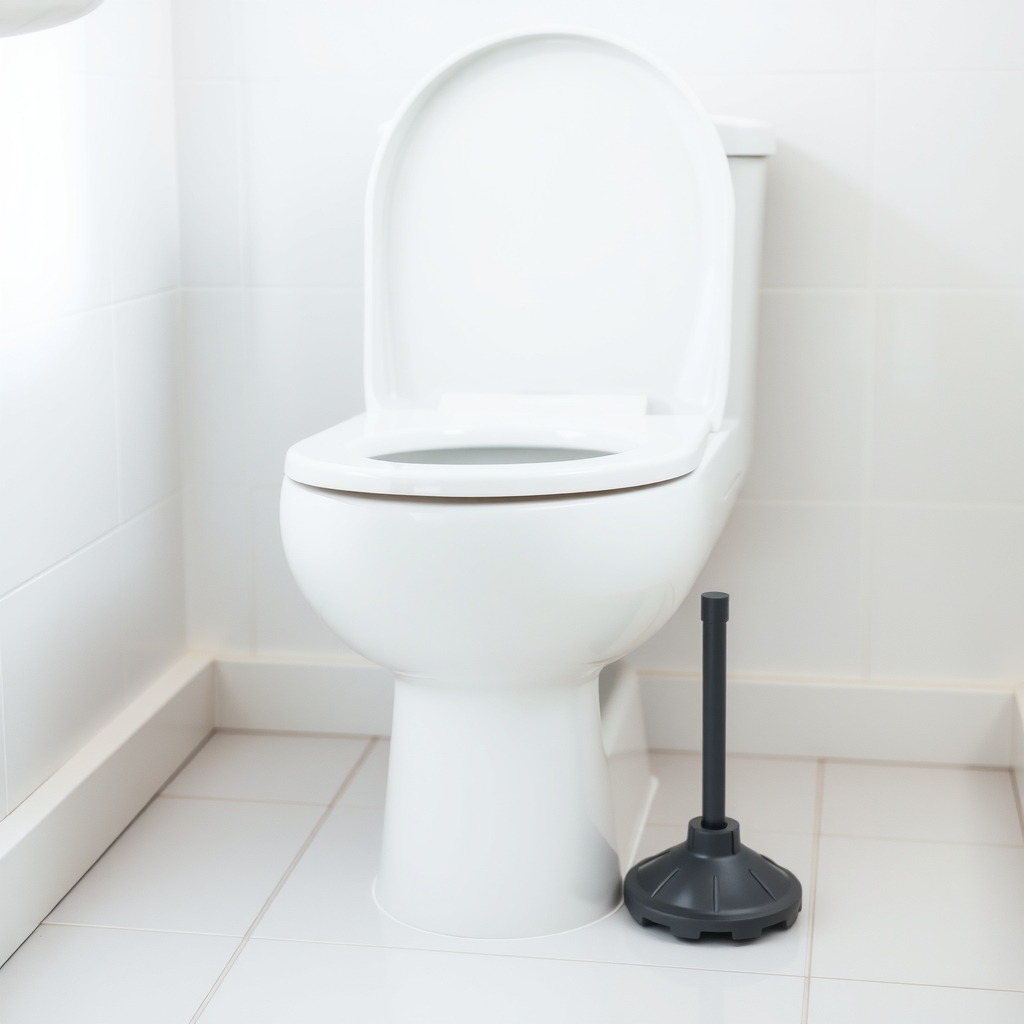
In this guide
Quick answer
A toilet that clogs again and again is usually fighting too much paper, wipes or a weak flush, and a flat sink plunger cannot seal the bowl well enough to clear it. Use a flange plunger, the kind with a fold-out rubber sleeve, to clear the clog in one go. Then change the habit or fix the part that keeps causing it.
Free fix vs. permanent fix
Dish soap, hot water and less paper
- Stop flushing and lift the tank lid if the bowl is rising
- Squirt in dish soap, then pour hot tap water from waist height
- Never use boiling water, which can crack porcelain
- Wait 15 minutes, then check whether the level drops
How long it lasts: Clears a light clog. If wipes or heavy paper were the cause, changing that stops the repeats. If the cause is the toilet itself, it returns.
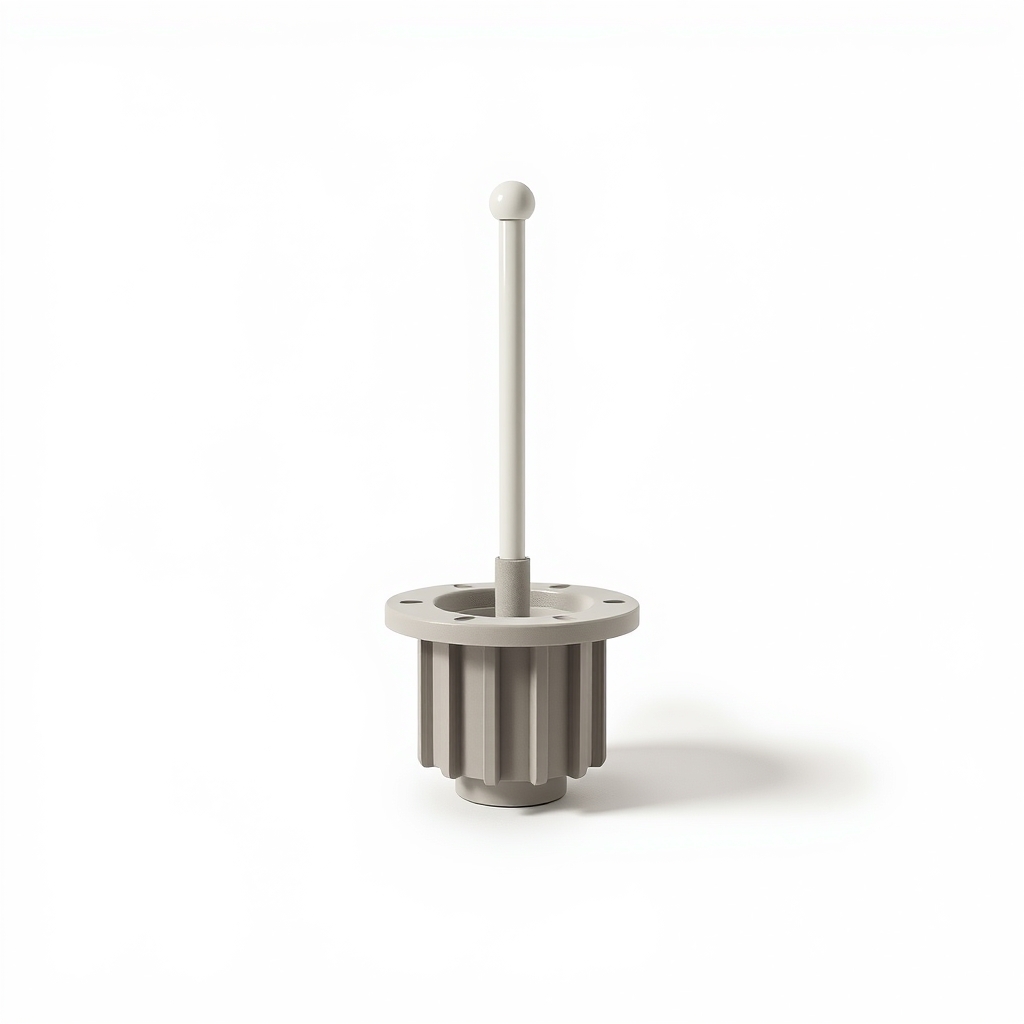
A flange toilet plunger kept by the toilet
A flange fits into the drain opening and seals it, so your push drives water at the clog instead of past the cup. A flat sink cup cannot seal a toilet. A plunger will not stop clogs from forming, but it clears them on the first try, and having it within reach prevents the panic flush that causes overflows.
What to get: Flange toilet plunger
How long it lasts: Years. One tool clears most clogs in under a minute, before they turn into overflows.
As an Amazon Associate I earn from qualifying purchases.
What you'll need
-
Rubber gloves
For handling the plunger and cleaning up
You have it -
Old towels or newspaper
To protect the floor around the bowl
You have it -
Dish soap
Helps loosen a light clog
You have it - Our pick Illustration
Flange toilet plunger
The right shape for a toilet drain
- Illustration
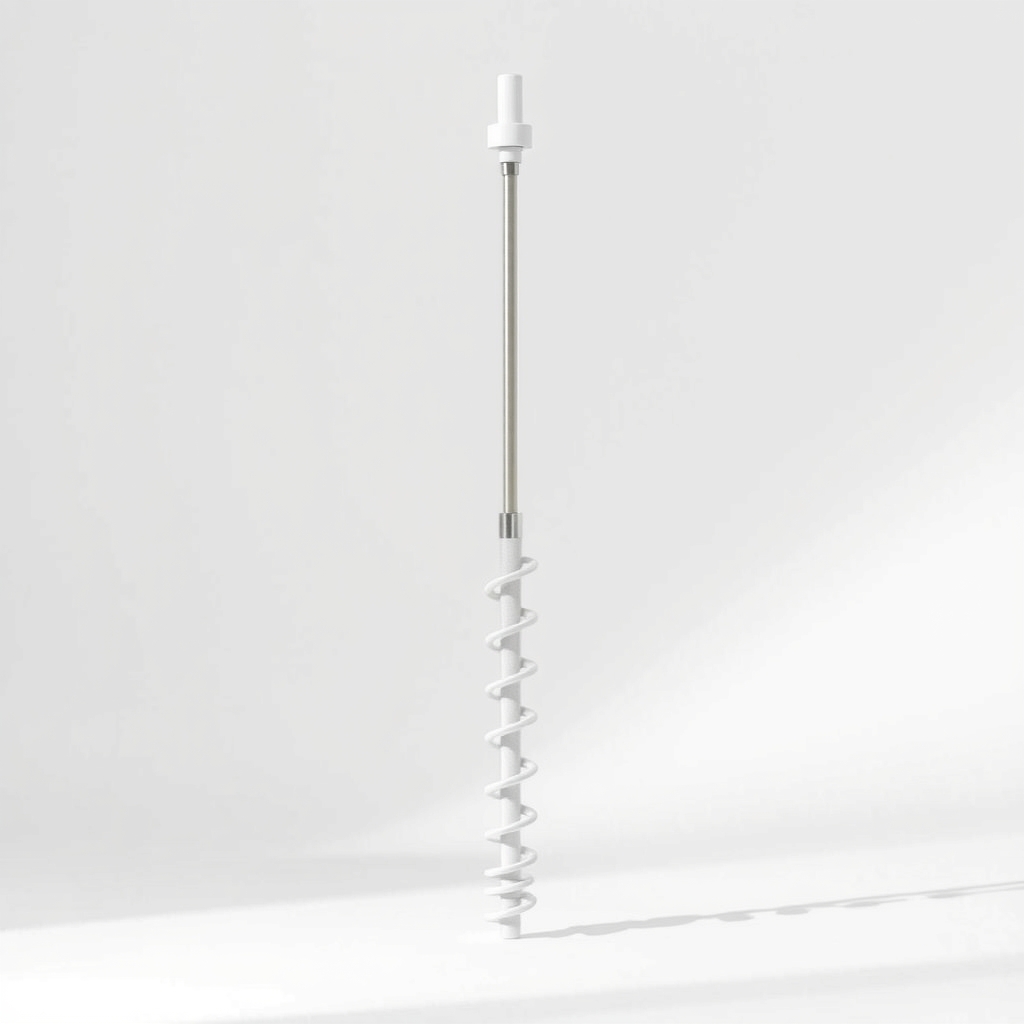
Closet auger
For a clog or object the plunger cannot reach
Why it happens
Too much toilet paper at once
Thick wads do not break down before they reach the trap. If a big load of paper goes with one flush, it can jam the bend and stop everything behind it.
Wipes and things that are not paper
Wipes sold as flushable, cotton balls, paper towels and feminine products do not dissolve like toilet paper. They gather in the trap and the pipe, and then catch everything else.
A weak flush
Older low-flow toilets, clogged rim jets, a low tank water level or a worn flapper can leave the flush too weak to push waste through. Clogs that come with slow flushes point here.
A partial clog that was never cleared
If a clog drains slowly and you flush through it, a thin layer stays behind. The next flush adds to it, and the toilet clogs more easily each time.
A vent or main line problem
If other drains gurgle, several toilets clog or water backs up in the tub when you flush, the trouble is further down the line. Floor level does not cause clogs, so an upstairs toilet has the same causes as any other. In an apartment, a shared drain stack is the building's job to fix.
Try this first (free)
Do these in order, starting with the simplest.
-
1. Stop the overflow first
Tool used: Old towels or newspaperDo not flush again. Lift the tank lid and push the flapper down, or close the shut-off valve behind the toilet clockwise, so no more water reaches the bowl. Put towels around the base.
-
2. Try dish soap and hot water
Tool used: Dish soapSquirt in about a quarter cup of dish soap. Pour hot tap water from a bucket at about waist height, not boiling, and wait 15 minutes. A light clog may slide through on its own.
-
3. Plunge with a flange plunger
Tool used: Flange toilet plungerThe water should cover the cup, so add some if it does not. Tuck the flange into the drain and press until the cup seals. Push gently once to expel the air, then push and pull firmly 10 to 15 times without breaking the seal. Finish with a hard pull.
IllustrationCheck price on AmazonTool for this step
Flange toilet plunger · The right shape for a toilet drain
-
4. Test with a bucket, not a flush
Once the water drops, pour in a bucket of water. If it drains fast, flush once. If it rises, stop and plunge again.
-
5. Cut the repeat clogs
Flush heavy loads in two goes, put wipes in the bin and clean the rim jets if the flush looks weak. Keep the plunger beside the toilet so the next clog is a one-minute job.
When free fixes aren't enough
If three or four rounds of plunging do not move the water, something may be stuck in the trap, and a closet auger can reach it. If the toilet clogs several times a month with normal use, the plunger is only treating the symptom. Look for a weak flush, a vent problem or an old low-flow model. If other drains gurgle, the tub backs up when you flush, or water comes up in a floor drain, do not keep flushing. That points to the main line, so call a plumber.
Buy the fix
Still stuck after the free fixes? These are the products we would look at.
| Pick | Product | Fixes | Who it's for | Buy |
|---|---|---|---|---|
| Best pick | Flange toilet plunger | a clog the bowl will not clear, and the slow clog that stays partly stuck | Every home. Keep one in each bathroom, because a clog at 11 pm is not the time to hunt for it. | Check price |
| Upgrade pick | Closet auger (toilet auger) | a clog beyond the plunger's reach, or a stuck object | People who plunge more than once or twice a year. | Check price |
Flange toilet plunger
Fixes: a clog the bowl will not clear, and the slow clog that stays partly stuck
Look for: A soft rubber flange that folds out of the cup and fits into the drain; A cup deep enough to cover the drain opening; A sturdy handle that does not bend under a hard push; Rubber that stays flexible, not stiff plastic.
- Who it's for
- Every home. Keep one in each bathroom, because a clog at 11 pm is not the time to hunt for it.
- Honest downside
- The clog is a hard object such as a toy. Plunging can push it further, so use an auger instead.
Closet auger (toilet auger)
Fixes: a clog beyond the plunger's reach, or a stuck object
Look for: A rubber sleeve or boot on the bend that protects the porcelain; A cable around 3 feet long; A handle that is comfortable to crank.
- Who it's for
- People who plunge more than once or twice a year.
- Honest downside
- You are not comfortable feeding a cable into the toilet. A plumber can clear it in minutes.
As an Amazon Associate I earn from qualifying purchases. We don't show prices because they change, so use the button to see today's price.
How we picked: How we picked: this page is based on plumbing guides on plungers and clogs, toilet maker care instructions, and the problems people report in owner reviews. We do not test products by hand.
Plunger or auger: which one first?
Start with the flange plunger. It clears most toilet clogs, and it is safer for the porcelain. Reach for a closet auger when plunging fails four or five times, or when you know something solid went down.
Read the flush before you blame the plunger
If the bowl clogs and the flush looks weak, check three things. The tank water should sit at the fill line. The flapper should lift fully and drop cleanly. The small holes under the rim should not be crusted over. See the related pages on slow flushes and on the plunger vs closet auger.
What to skip
Chemical drain openers and boiling water
Liquid drain openers sit in the bowl, can harm the toilet's finish and leave caustic water that splashes when you plunge afterward. Boiling water can crack the porcelain. If you have already poured a cleaner in, tell anyone who helps, and wear gloves and eye protection.
Frequently asked questions
Why does my toilet keep clogging for no reason?
How do I stop my toilet from overflowing?
Why does my toilet keep overflowing after I flush?
Do I need a different plunger for the toilet?
My apartment toilet keeps clogging. Is it my fault?
Related problems
 Free fix inside
Bathroom · Toilet Clogs
Toilet Not Unclogging With a Plunger? Plunger vs Closet Auger
Read the fix Free fix inside
Bathroom · Toilet Tank
Toilet Keeps Running? The Flapper Fix (and the Dye Test)
Read the fix Free fix inside
Bathroom · Toilet Base
Toilet Smells Like Sewer? Check the Wax Ring and Base Seal
Read the fixAs an Amazon Associate I earn from qualifying purchases. Affiliate disclosure