Shower Head Keeps Falling Out of the Holder? A Bracket That Grips
A worn clamp, a heavy head or a twisted hose keeps pulling it loose. Tighten and pad it for now, then fit a bracket that grips and locks.
By Jamilur Rahman Updated November 5, 2026 · 6 min read
- Time
- 20 min
- Cost
- Under $20
- Difficulty
- Easy
In this guide
Quick answer
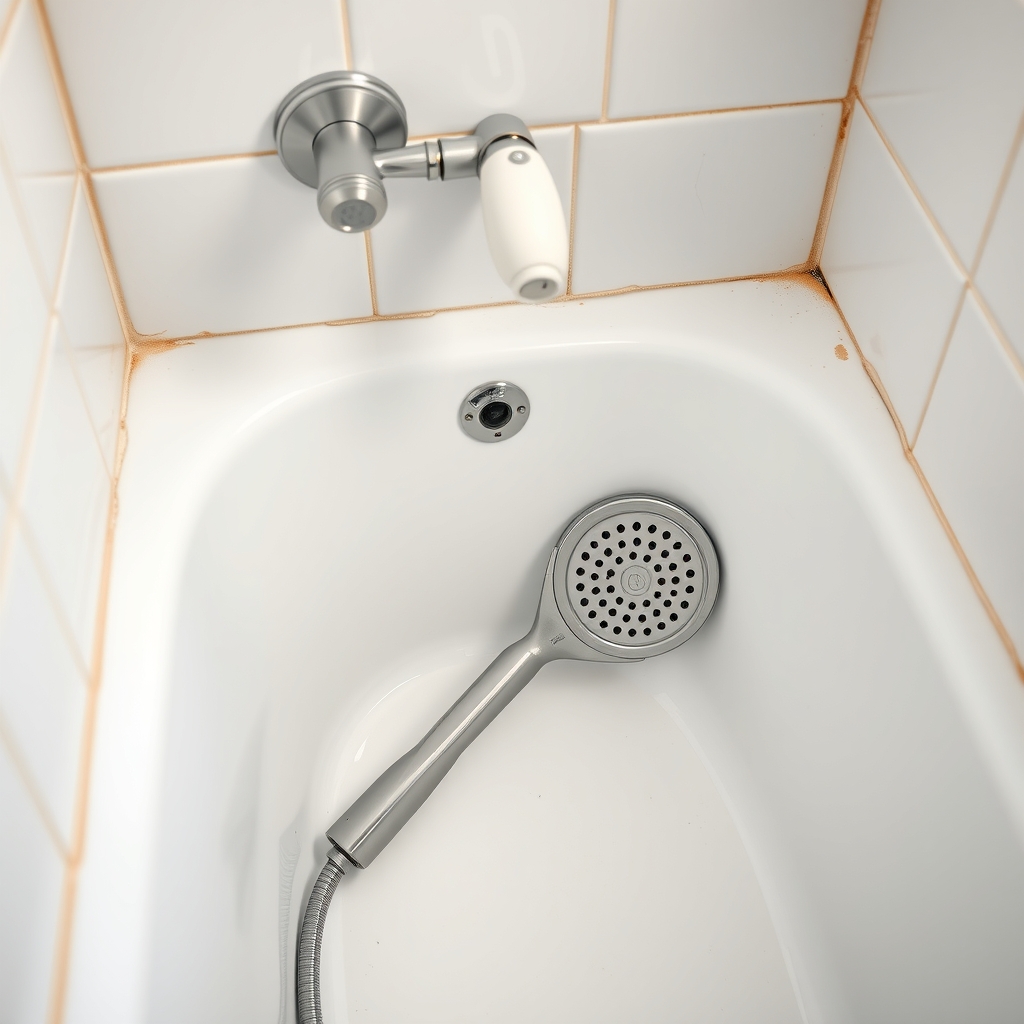
A shower head falls out of its holder because the clamp has gone loose or worn, the head is heavier than the holder was made for, or a twisted hose keeps pulling it free. Tighten the screw, add a little rubber grip to the clamp and untwist the hose. If it still drops, a replacement bracket with a lined, lockable grip stops it for good.
Free fix vs. permanent fix
Tighten, pad and untwist
- Tighten the bracket screw or locking knob
- Wrap a strip of rubber into the clamp for grip
- Untwist the hose and leave a loose loop
- Snug the nut at the ball joint if the head keeps turning
How long it lasts: A few weeks. Rubber and tape wear out in constant steam and water, and a cracked plastic clamp cannot be tightened enough to hold.
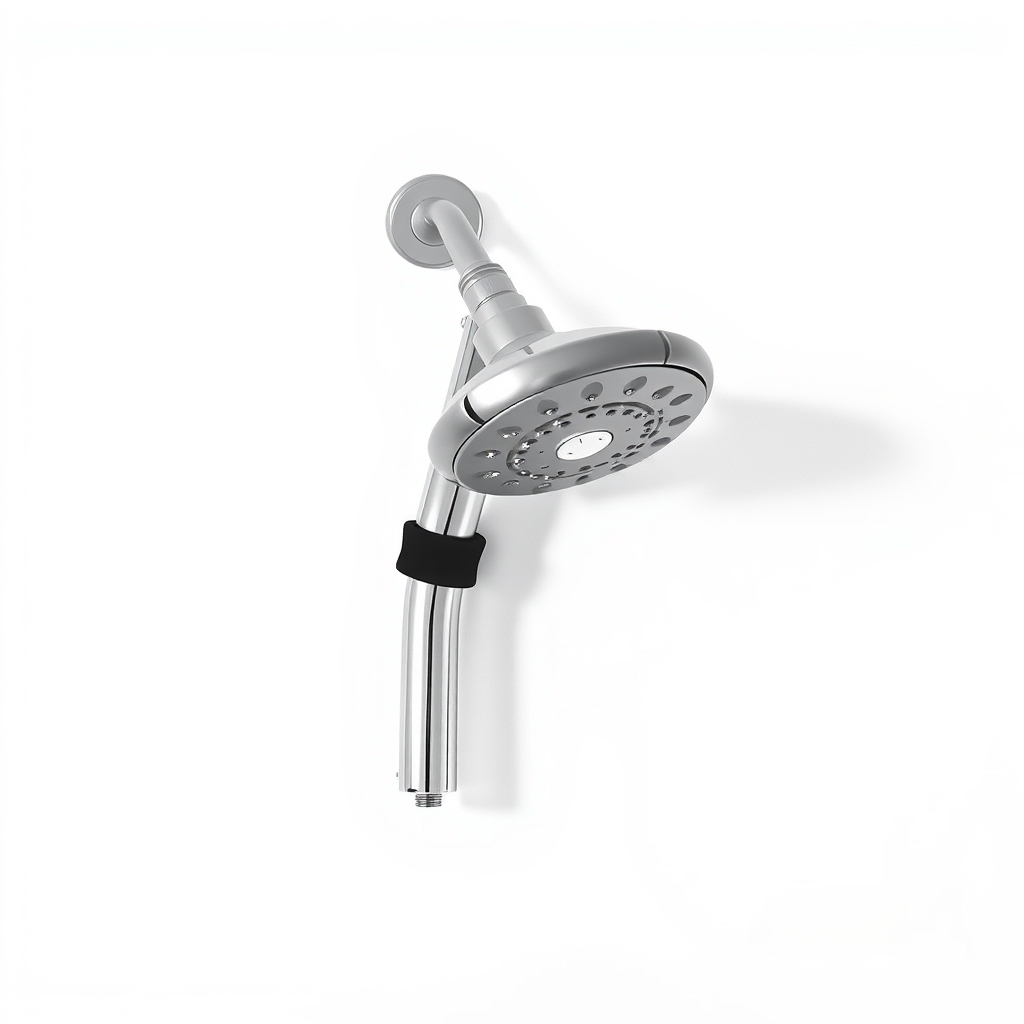
A metal bracket with a rubber-lined, lockable grip
Most droops come from a loose, smooth or plastic clamp. A bracket with a rubber or silicone lining and a locking screw grips the handle all the way around and does not wear smooth. A metal body will not crack when you tighten it.
What to get: Shower head holder bracket, metal with a rubber-lined grip
How long it lasts: Years. The lining is sized to your handle, so it holds without squeezing too hard.
As an Amazon Associate I earn from qualifying purchases.
What you'll need
-
Screwdriver
Tightens the bracket screw
You have it -
Adjustable wrench
For the nut at the ball joint. Wrap the nut in a cloth to protect the finish
You have it -
Ruler or tape measure
Measure the handle width before you buy a bracket
You have it -
Rubber bands or shelf liner
A quick friction wrap for the clamp
Free - Our pick Illustration
Shower head holder bracket
Metal, rubber-lined and sized to your handle
- Illustration
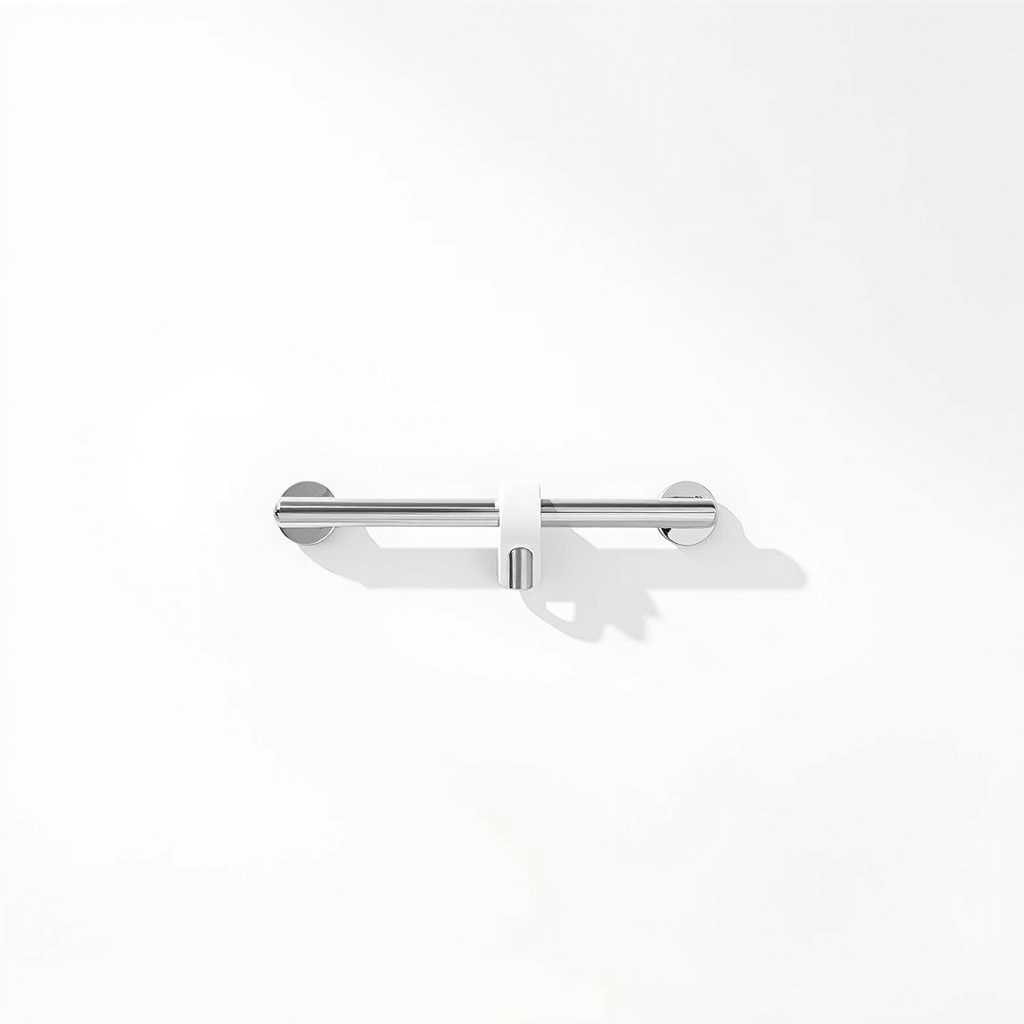
Slide bar with lockable holder
If the head also needs to slide to different heights
Why it happens
A loose or worn clamp
The rubber insert inside the holder wears smooth, or the screw backs out with use. The head then slides or pops out whenever the hose tugs.
A head heavier than the holder
Large rain-style heads and metal handheld heads weigh more than the thin plastic brackets that ship with many kits. The clamp flexes and lets go.
A twisted hose
A hose with twists in it acts like a spring. Each time you hang the head, the hose unwinds and pulls the handle out of the cradle.
A loose joint at the shower arm
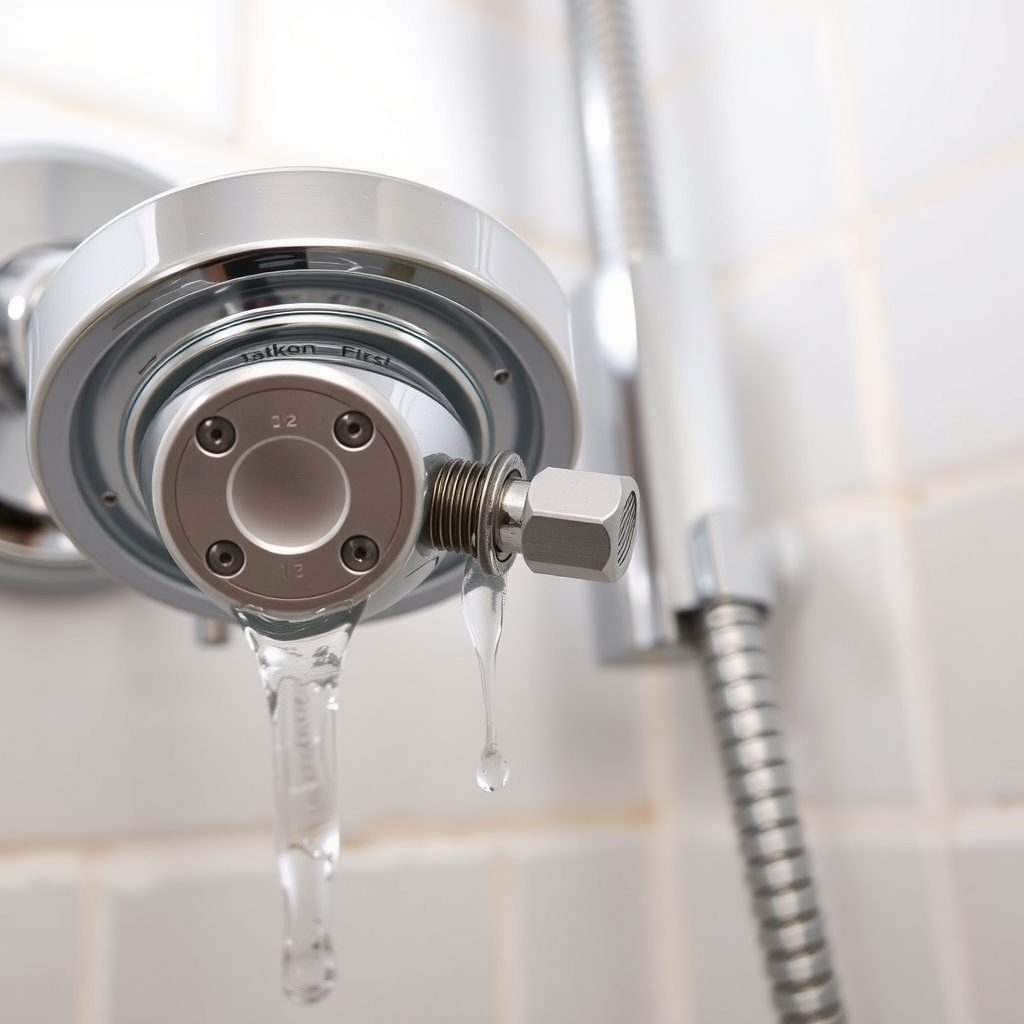
On a fixed head, the nut at the ball joint works loose. The head droops, turns or spins whenever you adjust it.
A slider that creeps down the bar
On a slide bar, the slider's lock wears out or its screw loosens, so the holder inches down the pole under the weight.
Try this first (free)
Do these in order, starting with the simplest.
-
Untwist the hose first
Unscrew the hose from the head, let it hang and unwind, then reconnect it. Leave a loose loop so the hose does not pull straight down on the handle.
-
Tighten the bracket screw or knob
Tool used: ScrewdriverTighten until the clamp holds the handle, then stop. Plastic brackets crack if you overtighten. If the screw spins without biting, the thread is stripped.
-
Add grip inside the clamp
Tool used: Rubber bands or shelf linerCut a strip of rubber shelf liner or loop one or two rubber bands around the handle where the clamp holds it. The extra friction takes up the slack.
-
Snug the ball joint at the arm
Tool used: Adjustable wrenchIf the whole head droops or turns, hold the arm with one hand. Tighten the nut at the swivel ball a quarter turn with a wrench, wrapped in a cloth.
-
Measure the handle
Tool used: Ruler or tape measureIf the clamp is cracked or will not grip, measure the width of the handle where the clamp holds it. Write the number down. That is the size a replacement bracket must fit.
When free fixes aren't enough
If the plastic bracket is cracked, the screw spins without biting or the rubber insert is gone, tightening cannot make it hold. A rubber wrap works for a few weeks, then wet rubber slides again. A replacement bracket with a lined, lockable grip fixes the real cause, which is the part that does the holding. Choose metal and match the handle size. If the arm itself wobbles in the wall, stop. A loose arm can crack the pipe behind the tile, so call a plumber.
Buy the fix
Still stuck after the free fixes? These are the products we would look at.
| Pick | Product | Fixes | Who it's for | Buy |
|---|---|---|---|---|
| Best pick | Shower head holder bracket, metal with a rubber-lined grip | a handheld head that falls, slips or twists out of its holder | Anyone whose bracket is cracked, worn smooth or too weak for the head. | Check price |
| Upgrade pick | Shower slide bar with a lockable holder | a head that slides down the pole or cannot hold a set height | Households where several people adjust the head height. | Check price |
Shower head holder bracket, metal with a rubber-lined grip
Fixes: a handheld head that falls, slips or twists out of its holder
Look for: A metal body, such as brass or stainless steel, not thin plastic; Rubber or silicone lining inside the cup or clamp; A locking screw or knob you can tighten by hand; A cup size that fits your measured handle width.
- Who it's for
- Anyone whose bracket is cracked, worn smooth or too weak for the head.
- Honest downside
- Your head is fixed to the wall arm with no handheld part. Fix the ball joint instead.
Shower slide bar with a lockable holder
Fixes: a head that slides down the pole or cannot hold a set height
Look for: A holder that locks with a screw or lever at any height; A bar long enough for your tallest user; Mounting plates with the right anchors for your wall.
- Who it's for
- Households where several people adjust the head height.
- Honest downside
- You do not want to drill into the wall. A slide bar needs mounting holes.
As an Amazon Associate I earn from qualifying purchases. We don't show prices because they change, so use the button to see today's price.
How we picked: How we picked: this page is based on shower fixture installation guides, plumbing how-to articles, and the fit and grip problems people report in reviews of shower head holders and slide bars. We do not test products by hand.
Measure before you buy a new holder
- Handle width: measure the handle where the clamp grips it. Check the listing for the range each cup fits.
- Mount type: a wall-plate bracket, a slider on a bar, or a clamp that fits on the arm. Replace like with like.
- Screw holes: note the spacing between the holes if you want to reuse the wall plate.
What to skip
Superglue and strong tape on the holder
Glue and tape can hold for a day, then let go in the steam. They also make it hard to take the head down for descaling. A clamp that grips does the job without sticky residue.
Frequently asked questions
Why does my shower head keep sliding down the pole?
Why does my shower head keep falling off its holder?
Why does my shower head keep turning or moving?
Can a heavy shower head damage the arm?
Related problems
As an Amazon Associate I earn from qualifying purchases. Affiliate disclosure