Shower Head Coming Out of the Wall? Fix the Arm and Flange
When the shower arm slides out or wobbles, the threads or the fitting in the wall are loose. Re-tape the arm, or fit a new arm and flange.
By Jamilur Rahman Updated November 5, 2026 · 6 min read
- Time
- 20 min
- Cost
- Under $20
- Difficulty
- Medium
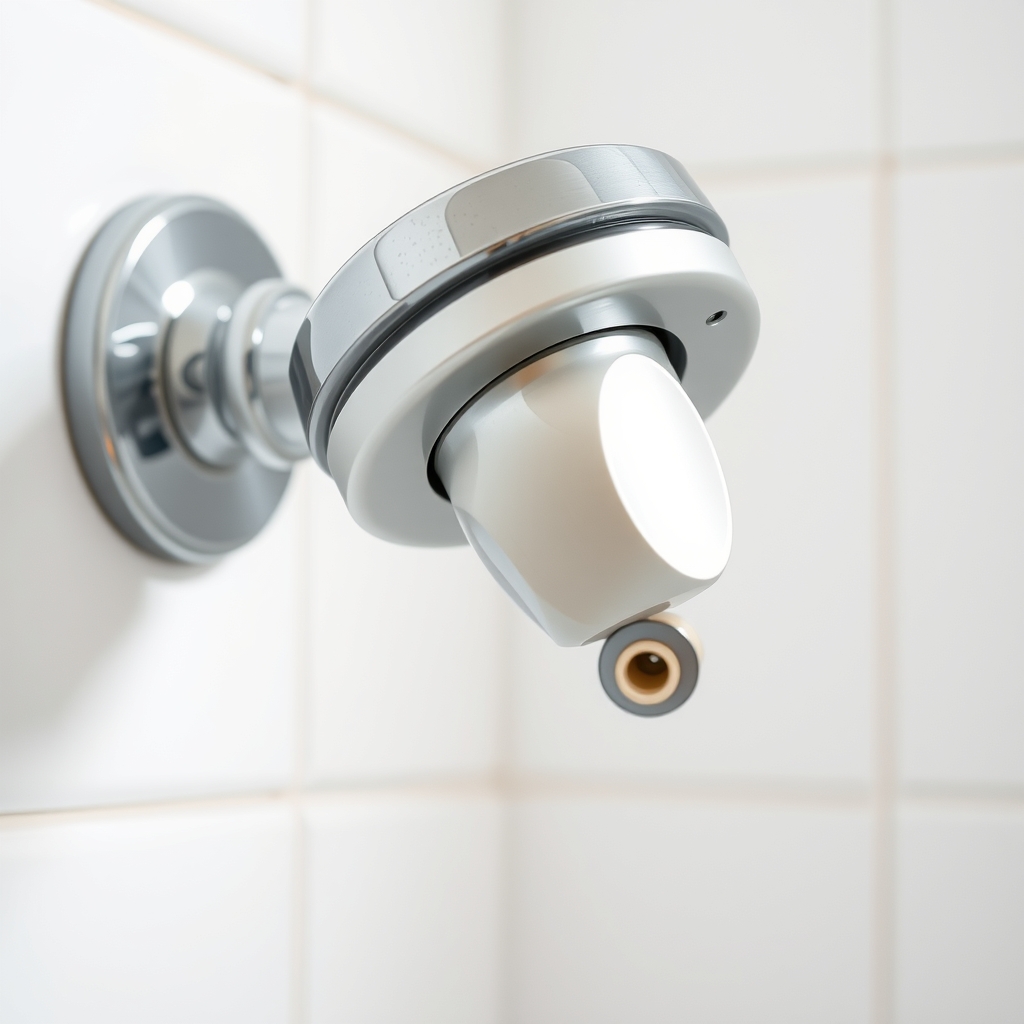
In this guide
Quick answer
To fix a shower head coming out of the wall, unscrew the shower arm, re-wrap its threads with plumber's tape, and screw it back in until it is snug. If the arm still pulls out, spins or leaks, fit a new shower arm with a flange. If the fitting inside the wall is loose, call a plumber.
Free fix vs. permanent fix
Re-tape and snug the arm
- Unscrew the head, then the arm, counterclockwise
- Wipe the threads and wrap plumber's tape 3 to 4 times
- Screw the arm in by hand until snug
- Slide the flange back flush with the wall and seal it
How long it lasts: Years if the threads were just worn or dry. If the fitting in the wall is loose, the arm keeps wobbling.
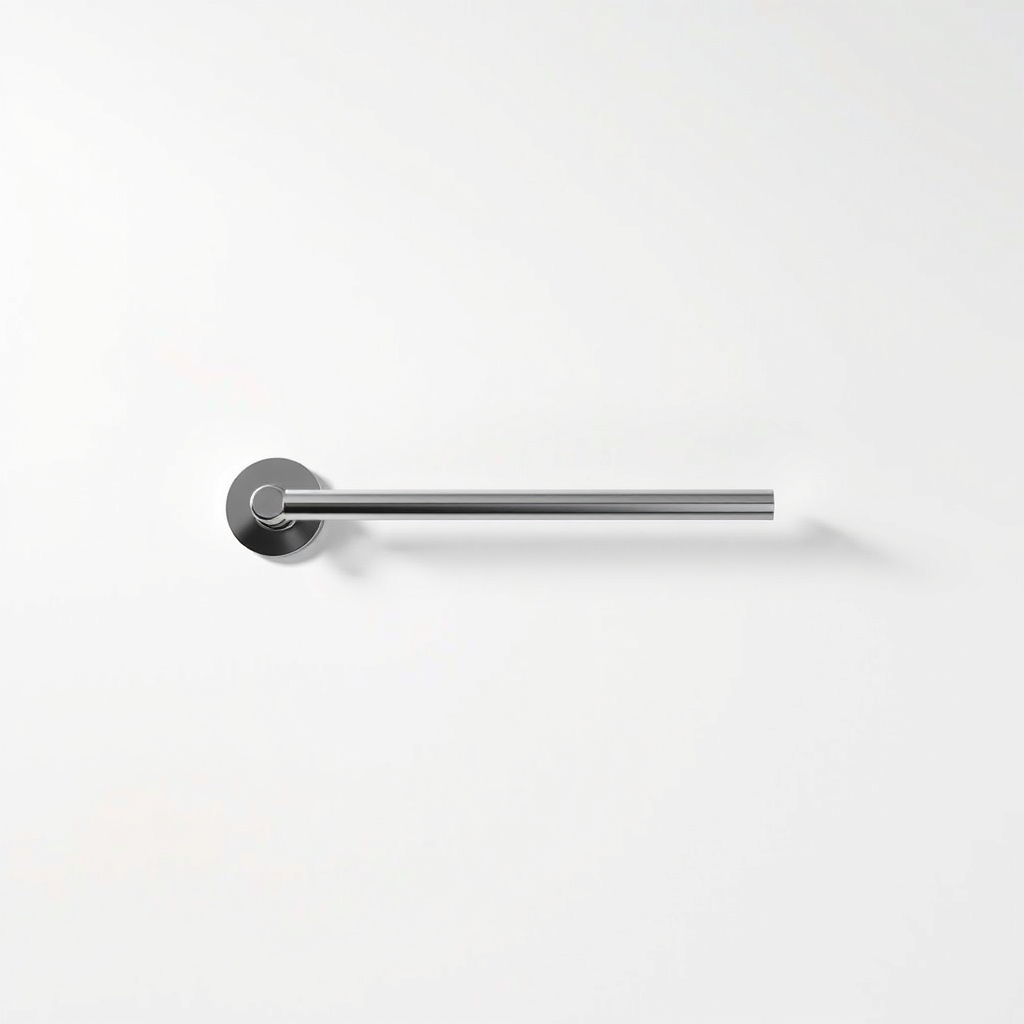
A new shower arm with a flange
When the threads are stripped, bent or corroded, tape cannot make them grip. A new arm has fresh threads, and its flange covers the hole in the wall. A new arm cannot hold in a loose fitting, so check that first.
What to get: Shower arm with flange
How long it lasts: Years. New threads and a clean flange make a firm, sealed fit.
As an Amazon Associate I earn from qualifying purchases.
What you'll need
-
Adjustable wrench and soft cloth
The cloth keeps the wrench from scratching the finish
You have it -
Flashlight
To look at the fitting behind the flange
You have it - Illustration
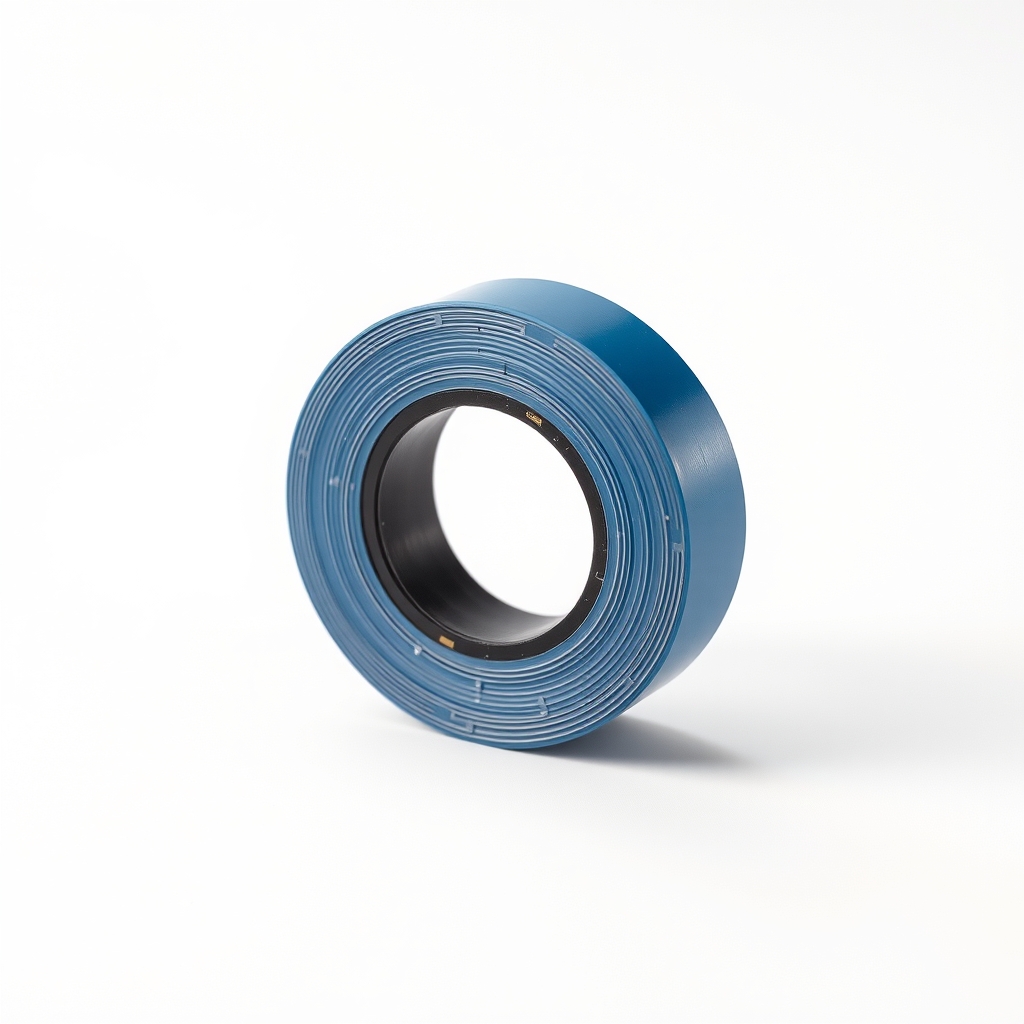
Plumber's tape
Seals and grips the arm threads
- Our pick Illustration
Shower arm with flange
New threads and a flange that matches your fixtures
- Illustration
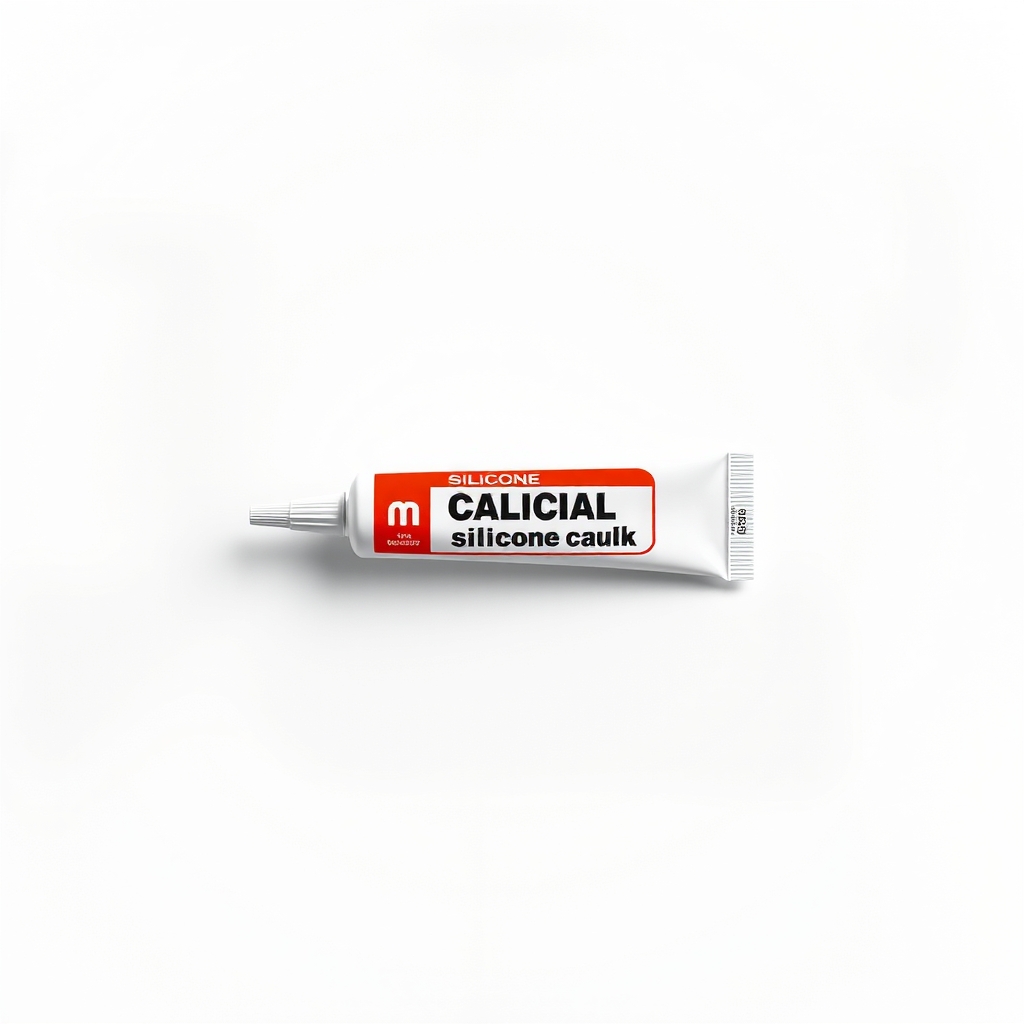
Silicone caulk
A thin bead keeps water out around the flange
Why it happens
Worn or missing thread tape
Tape fills the threads and helps the arm hold. Without it, the arm can back out as the head is pulled or turned.
Stripped or corroded arm threads
Old arms can corrode or strip, so the threads cannot grip the fitting.
A loose elbow in the wall
The arm screws into a fitting fixed to the wall framing, often called a drop-ear elbow. If it is not secured or its screws loosen, the whole arm wobbles.
Weight and pulling
A heavy head on a thin arm, or people pulling on it, puts stress on the joint over time.
Try this first (free)
Do these in order, starting with the simplest.
-
Take off the head
Tool used: Adjustable wrench and soft clothUnscrew the shower head from the arm by hand, or with the wrench and a cloth around the nut. Set it aside.
-
Check the flange and the fitting
Tool used: FlashlightSlide the flange away from the wall and shine a light in the gap. If the arm turns freely and the fitting behind it moves, stop. The elbow is loose in the wall and needs a plumber.
-
Unscrew and inspect the arm
Tool used: Adjustable wrench and soft clothTurn the arm counterclockwise to remove it. Wipe the threads and look for stripped, bent or crusted spots. If they look bad, use a new arm.
-
Re-tape and screw it in
Tool used: Plumber's tapeWrap plumber's tape 3 to 4 times clockwise around the threads as you face the end. Screw the arm in by hand until snug, then a quarter turn with the wrench. Do not over-tighten.
IllustrationCheck price on AmazonTool for this step
Plumber's tape · Seals and grips the arm threads
-
Seat the flange and seal it
Tool used: Silicone caulkSlide the flange flush with the wall and run a thin bead of silicone around its edge to keep water out of the wall. Reattach the head and run the water to check for leaks.
IllustrationCheck price on AmazonTool for this step
Silicone caulk · A thin bead keeps water out around the flange
When free fixes aren't enough
Tape and a snug arm fix thread problems. They cannot fix a fitting that moves inside the wall. If the arm spins or the elbow rocks behind the flange, tape will not hold. Call a plumber. Also stop if water drips inside the wall, if the wall feels soft, or if the tiles around the arm are cracked. A new arm with a flange fixes worn or stripped threads and a loose, ill-fitting flange.
Buy the fix
Still stuck after the free fixes? These are the products we would look at.
| Pick | Product | Fixes | Who it's for | Buy |
|---|---|---|---|---|
| Best pick | Shower arm with flange | stripped or worn threads and a loose-fitting flange | Anyone whose arm wobbles, pulls out or has bad threads. | Check price |
| Budget pick | Plumber's tape (PTFE thread seal tape) | a worn thread seal that lets the arm back out or leak | Anyone whose arm threads look clean and undamaged. | Check price |
Shower arm with flange
Fixes: stripped or worn threads and a loose-fitting flange
Look for: A 1/2-inch pipe thread that matches a standard shower arm and head; A brass or stainless body in a finish that matches your fixtures; A slip-on flange that fits snug against the wall.
- Who it's for
- Anyone whose arm wobbles, pulls out or has bad threads.
- Honest downside
- The fitting in the wall moves. A new arm cannot fix that.
Plumber's tape (PTFE thread seal tape)
Fixes: a worn thread seal that lets the arm back out or leak
Look for: Standard 1/2-inch wide white tape; Rated for water lines; Thick enough not to tear when you wrap it.
- Who it's for
- Anyone whose arm threads look clean and undamaged.
- Honest downside
- The threads are stripped or corroded. Tape cannot save damaged threads.
As an Amazon Associate I earn from qualifying purchases. We don't show prices because they change, so use the button to see today's price.
How we picked: How we picked: this page is based on shower plumbing guides, fixture makers' installation notes, and the problems and fixes owners report in reviews. We do not test products by hand.
Check the thread and length before you buy
Most US shower arms use a 1/2-inch pipe thread, and standard arms are about 6 inches long. Longer ones exist if you want the head farther out. Match the finish too, such as chrome, brushed nickel or matte black. If your head uses a different thread, check the maker's guide first.
What to skip
Glue or epoxy to hold the arm
Gluing or caulking the arm in place can lock a leak inside the wall and makes later repairs hard. Use tape on the threads, and have a loose fitting fixed properly.
Frequently asked questions
Why does my shower arm keep coming loose?
How do I tighten a shower arm?
What is the flange on a shower arm?
Can I replace a shower arm myself?
Related problems
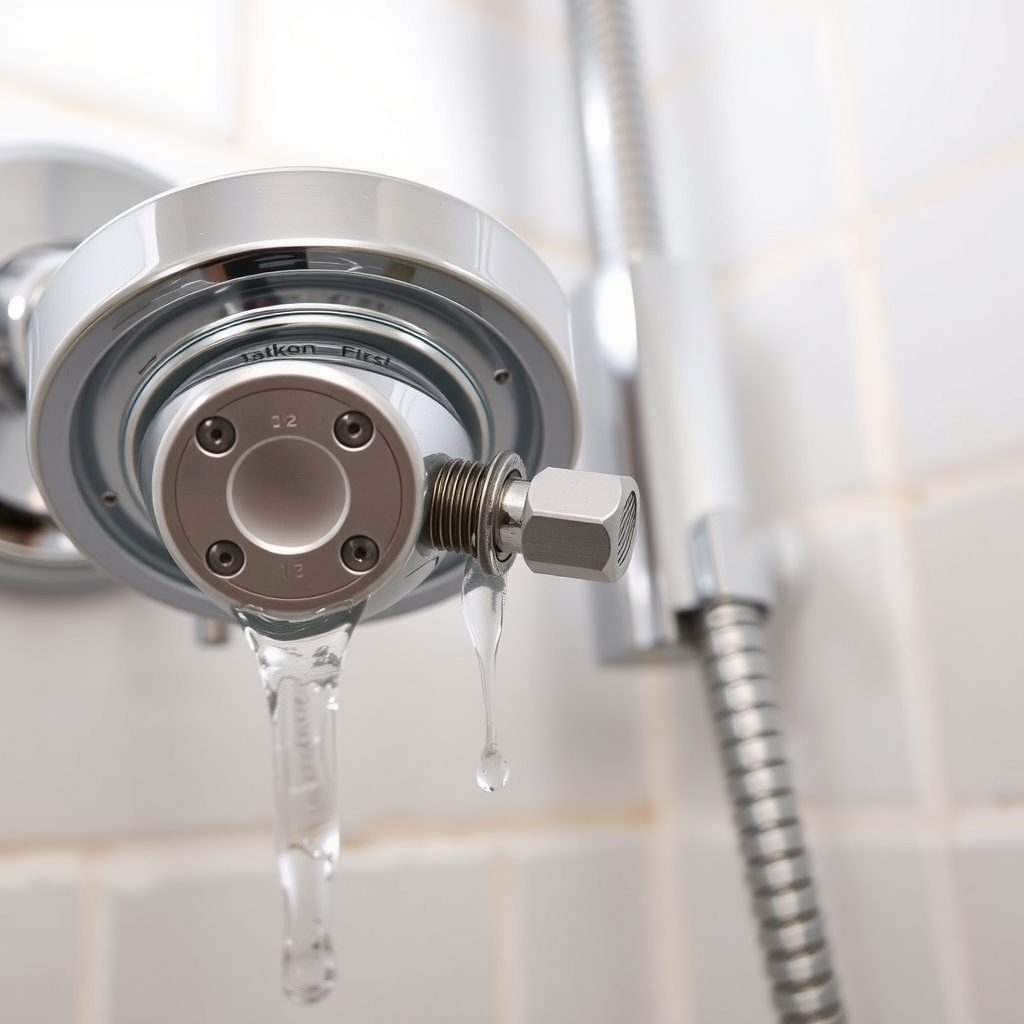 Free fix inside
Bathroom · Shower Head
Shower Head Leaking at the Connection? The 2-Minute Tape Fix
Read the fix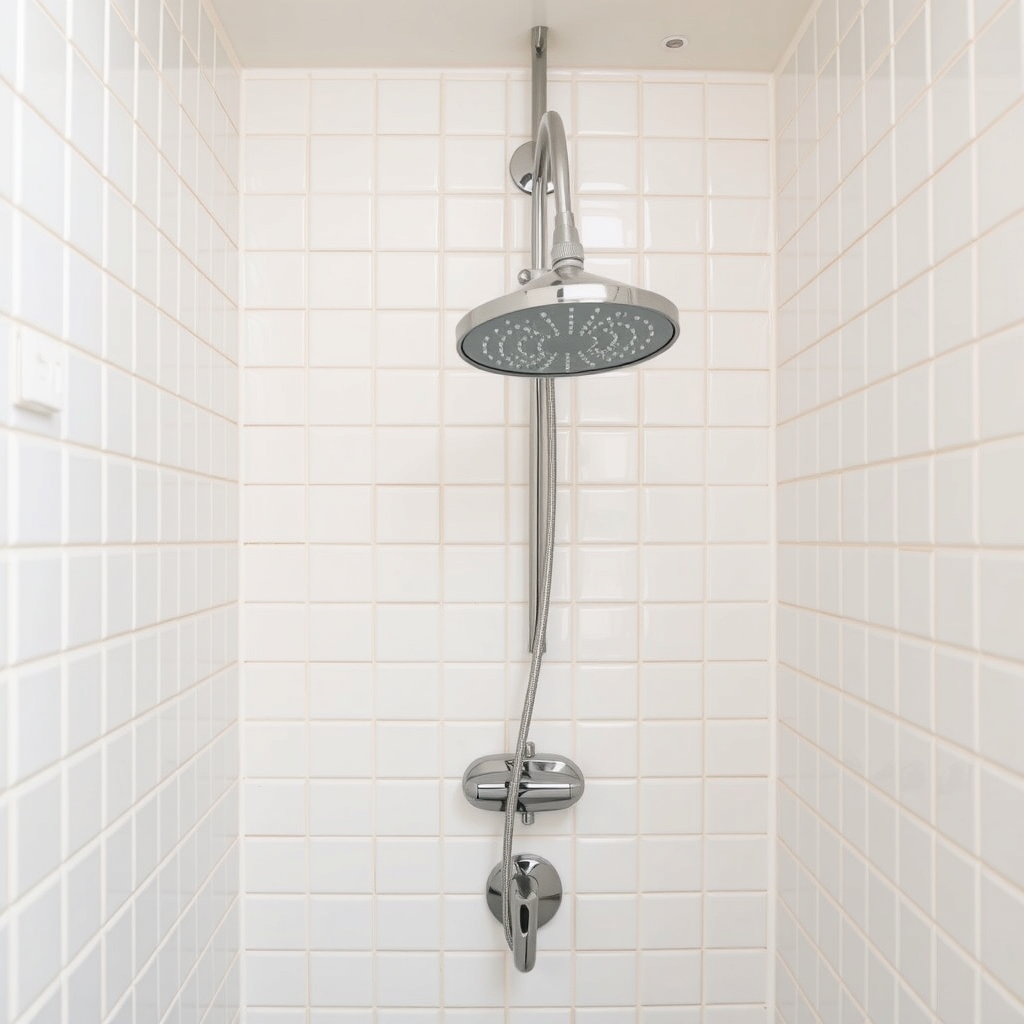 Free fix inside
Bathroom · Shower Head
Shower Head Too Low? The Extender Arm That Adds Real Height
Read the fix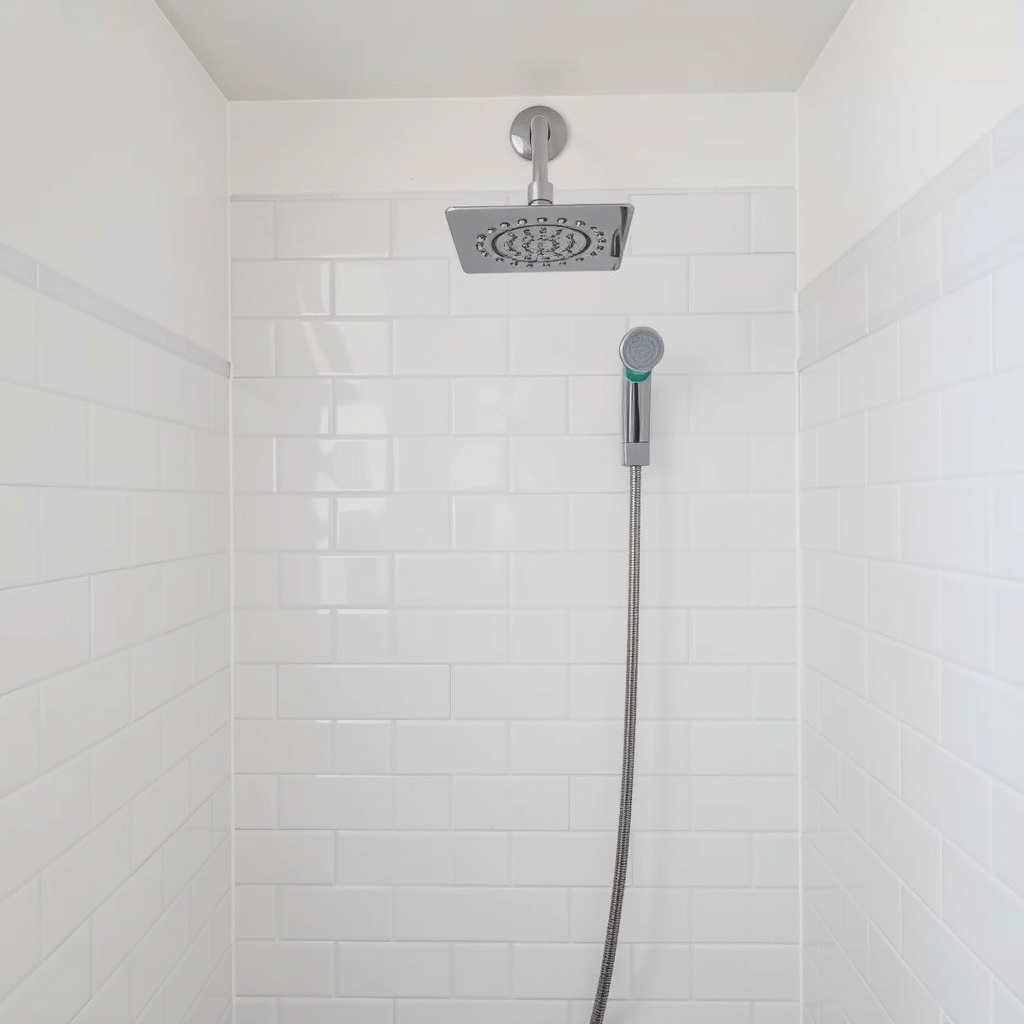 Free fix inside
Bathroom · Shower Head Care
Shower Head Too High? A Slide Bar Lets Everyone Adjust It
Read the fix Free fix inside
Bathroom · Shower Head Care
Shower Head Ball Joint Loose or Leaking? The Swivel Ball Fix
Read the fixAs an Amazon Associate I earn from qualifying purchases. Affiliate disclosure