Window AC Rattling or Vibrating? Quiet It With Foam and Padding
A window AC rattles when the case, sash or bracket is loose. Tighten it, fill the gaps with foam, and it should settle into a steady hum.
By Jamilur Rahman Updated November 5, 2026 · 6 min read
- Time
- 20 min
- Cost
- Under $20
- Difficulty
- Easy
In this guide
Quick answer
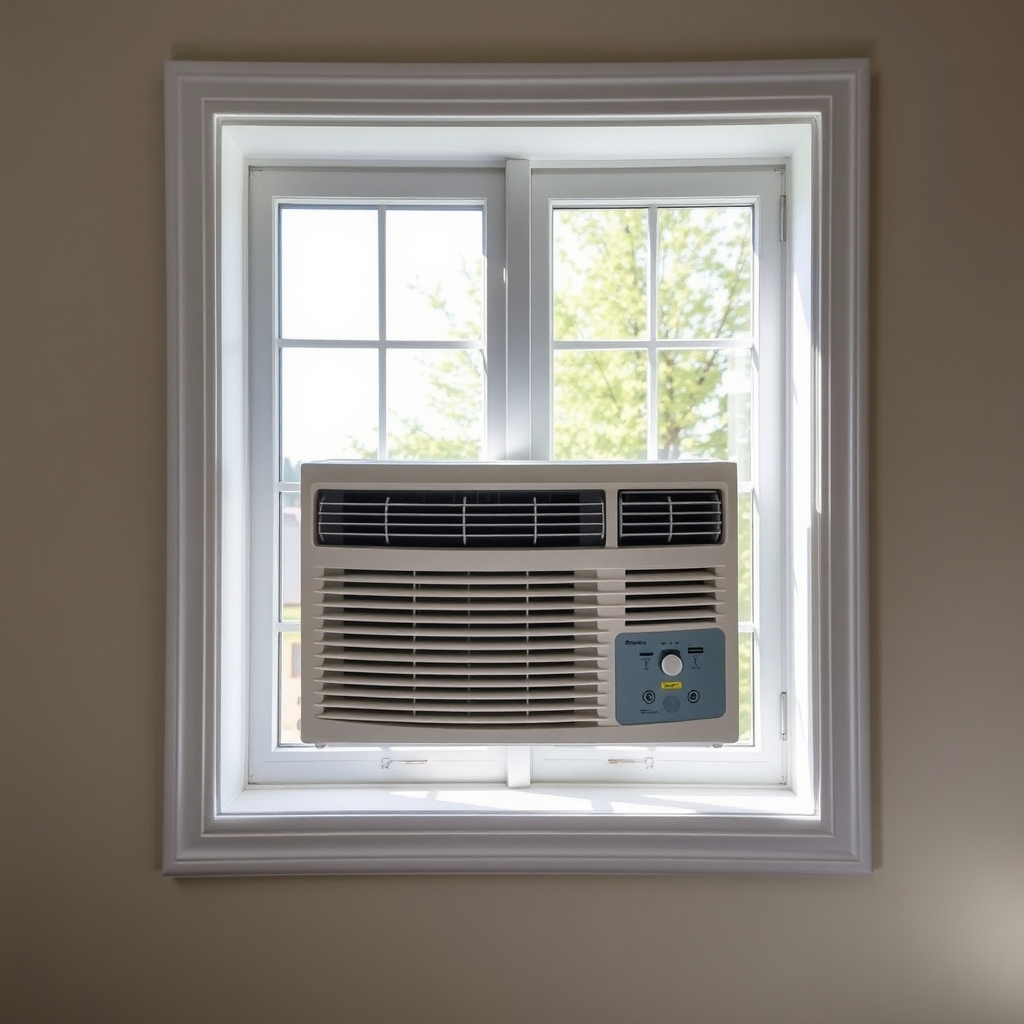
A window AC unit making a rattling noise is usually a loose mount: the unit is not snug in the sash, the side panels are loose, or a screw has backed out. Check the tilt, tighten the case and brackets, then pack the gaps between the unit and the window with foam. Self-adhesive foam seal strips quiet the buzz and close the air gaps at the same time.
Free fix vs. permanent fix
Tighten and re-seat the unit
- Unplug the unit, then tighten the case screws
- Lower the sash firmly onto the top of the unit
- Extend the side panels until they touch the frame
- Check that the fan blades are not hitting anything
How long it lasts: Weeks to months. Vibration loosens screws again, and the unit can shift when the sash moves.
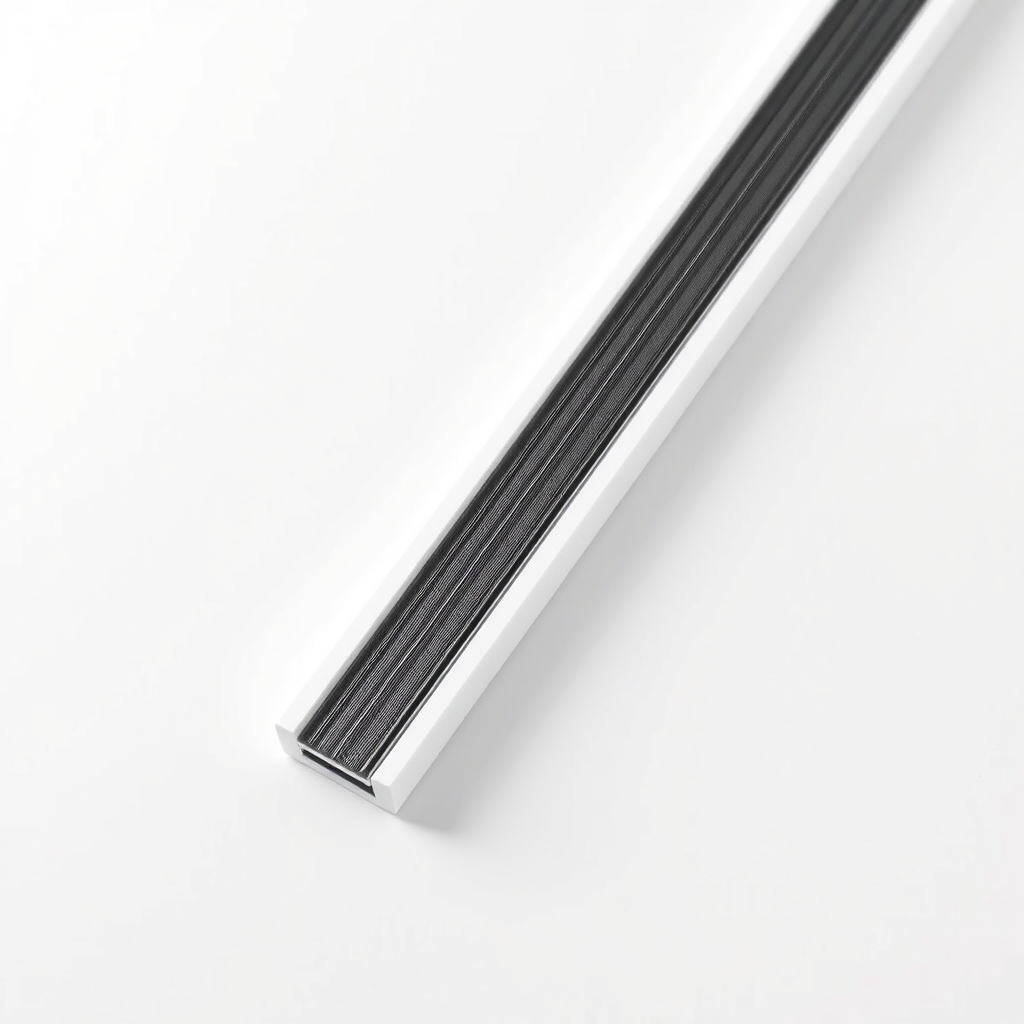
Window AC foam seal strips
A window unit vibrates against the sash, the frame and its own side panels. Foam between those hard edges absorbs the motion, and it seals the air gaps at the same time. That quiets the buzz and stops warm air leaking in.
What to get: Window AC foam seal strips (self-adhesive)
How long it lasts: A few seasons. Closed-cell foam keeps its spring and stays between the hard edges.
As an Amazon Associate I earn from qualifying purchases.
What you'll need
-
Screwdriver
For the case, panel and bracket screws
You have it -
Level or phone level app
To check the tilt
Free - Our pick Illustration
Window AC foam seal strips
Self-adhesive foam for the gaps and hard edges
- Illustration
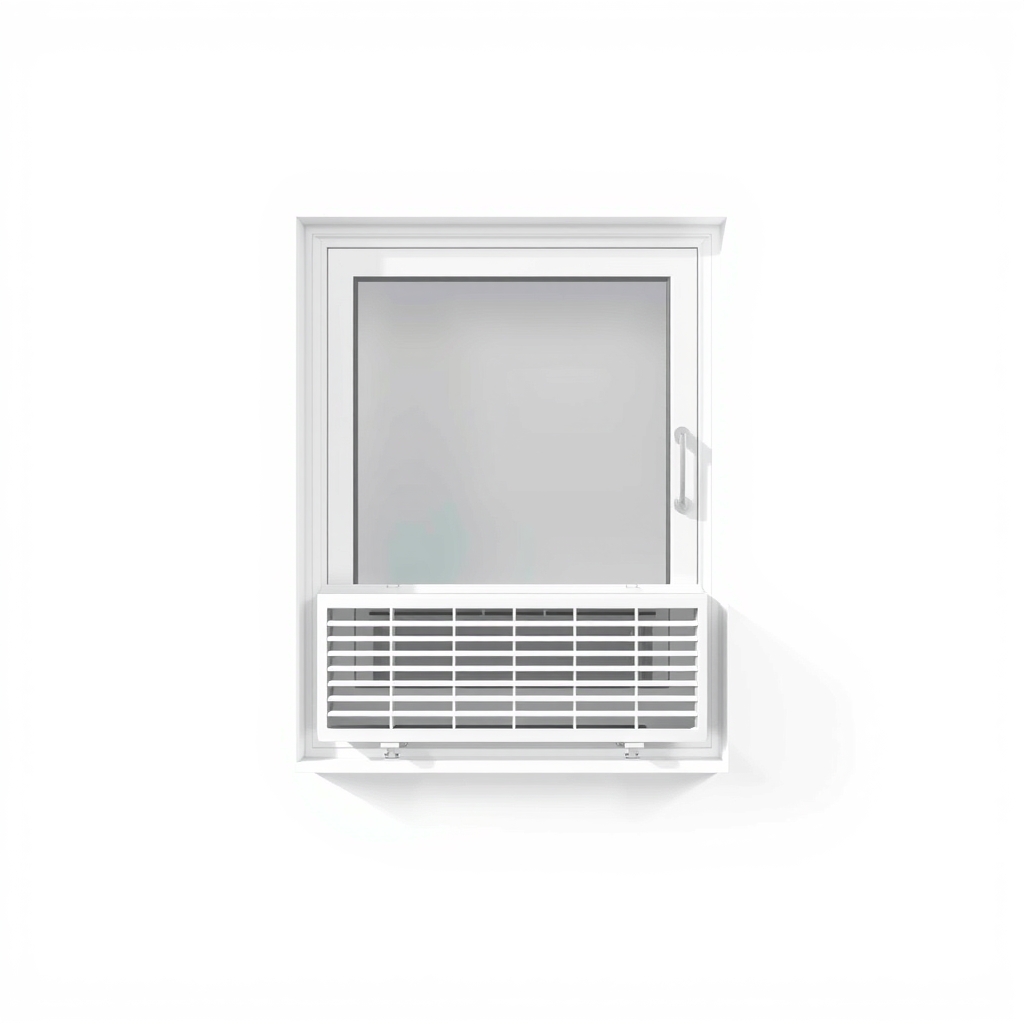
Window AC support bracket
If the unit sags or hangs without support
Why it happens
A loose fit in the window
If the sash does not press down on the unit, the unit can move in the opening. Every start-up then makes it knock against the frame.
Loose side panels or case screws
The accordion side panels and the front case are held by small screws. Vibration backs them out over time, and the plastic or metal buzzes.
The wrong tilt
Most manuals call for the unit to tilt slightly toward the outside so water drains. A unit leaning the wrong way, or sitting on a flimsy sill, shakes more.
Debris or a bent blade
A leaf or stick in the fan, or a bent blade, makes a ticking or thumping noise that changes with the fan speed.
Worn compressor mounts
In older units, the rubber mounts that hold the compressor can harden. The result is a loud buzz that no amount of window padding removes.
Try this first (free)
Do these in order, starting with the simplest.
-
Unplug and check the install
Unplug the unit. Gently wiggle it at the front. If it moves in the opening, it is not secure. These units are heavy, so get a helper before you lift or adjust anything.
-
Lower the sash and snug the side panels
Tool used: ScrewdriverPush the window sash down firmly onto the unit's top rail and lock it if you can. Extend the side panels until they meet the window frame, then tighten the screws that hold them.
-
Check the tilt
Tool used: Level or phone level appSet a level on top. Follow the manual, which usually asks for a slight tilt toward the outside so water runs out the back. Shim the sill if needed.
-
Tighten the case and look at the fan
Tool used: ScrewdriverTighten the screws on the front grille and the case. If you can see the fan through the vents, check for leaves or twigs. Do not bend blades. A bent blade means a repair or a new unit.
-
Add foam where hard edges touch
Tool used: Window AC foam seal stripsStick foam strips along the top rail, the sides and between the side panels and the sash. Press the foam against the sash, and keep it thin enough that the window can still close.
IllustrationCheck price on AmazonTool for this step
Window AC foam seal strips · Self-adhesive foam for the gaps and hard edges
When free fixes aren't enough
If the unit still buzzes after it is tight and padded, the noise is coming from inside: worn compressor mounts, a bad fan motor or loose internal parts. Opening the case beyond the filter can void the warranty, and it puts you near capacitors that hold a charge, so stop there. A unit older than about 8 to 10 years that rattles and cools poorly is often cheaper to replace than repair. If the unit shifts when you touch it, get it properly supported before the next use, because a window unit that falls can injure someone below.
Buy the fix
Still stuck after the free fixes? These are the products we would look at.
| Pick | Product | Fixes | Who it's for | Buy |
|---|---|---|---|---|
| Best pick | Window AC foam seal strips (self-adhesive) | buzzing from the unit touching hard window edges, and air leaks | Anyone whose window unit hums against the sash or frame. | Check price |
| Upgrade pick | Window air conditioner support bracket | a heavy unit that sags and vibrates against the sill | Owners of heavy units, wide sills or older window frames. | Check price |
Window AC foam seal strips (self-adhesive)
Fixes: buzzing from the unit touching hard window edges, and air leaks
Look for: Closed-cell foam that springs back after pressing; Strong self-adhesive backing; Enough length for the top rail and both sides; Thick enough to fill gaps but thin enough that the sash still closes.
- Who it's for
- Anyone whose window unit hums against the sash or frame.
- Honest downside
- The rattle is inside the unit. Foam only helps when the noise is contact with the window.
Window air conditioner support bracket
Fixes: a heavy unit that sags and vibrates against the sill
Look for: A weight rating above your unit's weight; An adjustable arm for your sill depth; Hardware that fits your window and wall type.
- Who it's for
- Owners of heavy units, wide sills or older window frames.
- Honest downside
- Your landlord forbids drilling or your frame cannot take screws. Ask before you install anything.
As an Amazon Associate I earn from qualifying purchases. We don't show prices because they change, so use the button to see today's price.
How we picked: How we picked: this page is based on window air conditioner owner manuals, installation guides and the problems and fixes people report in owner reviews. We do not test products by hand.
Rattle, hum or buzz? What each sound means
- Rattle or knocking: loose mounting or a loose panel. Tighten and add foam.
- Steady hum: normal fan and compressor noise. A quieter model is the only real fix.
- Buzz when it starts: the compressor may be unsupported or the mounts are worn.
- Ticking that follows the fan: debris or a bent blade.
What to skip
What to skip
Skip towels, cardboard or wood shims stuffed into the gaps. They sag, soak up moisture and can block the vents or the drain slot. And do not keep running a unit that moves when you touch it, since it can slip out of the window.
Frequently asked questions
Why is my window AC unit making a rattling noise?
How do I stop a window AC unit from rattling or vibrating?
Window AC unit too loud or very loud: repair or replacement?
Are window AC units too loud for babies?
Can foam strips damage my window?
Related problems
 Free fix inside
Air & Temperature · Window Ac Installation
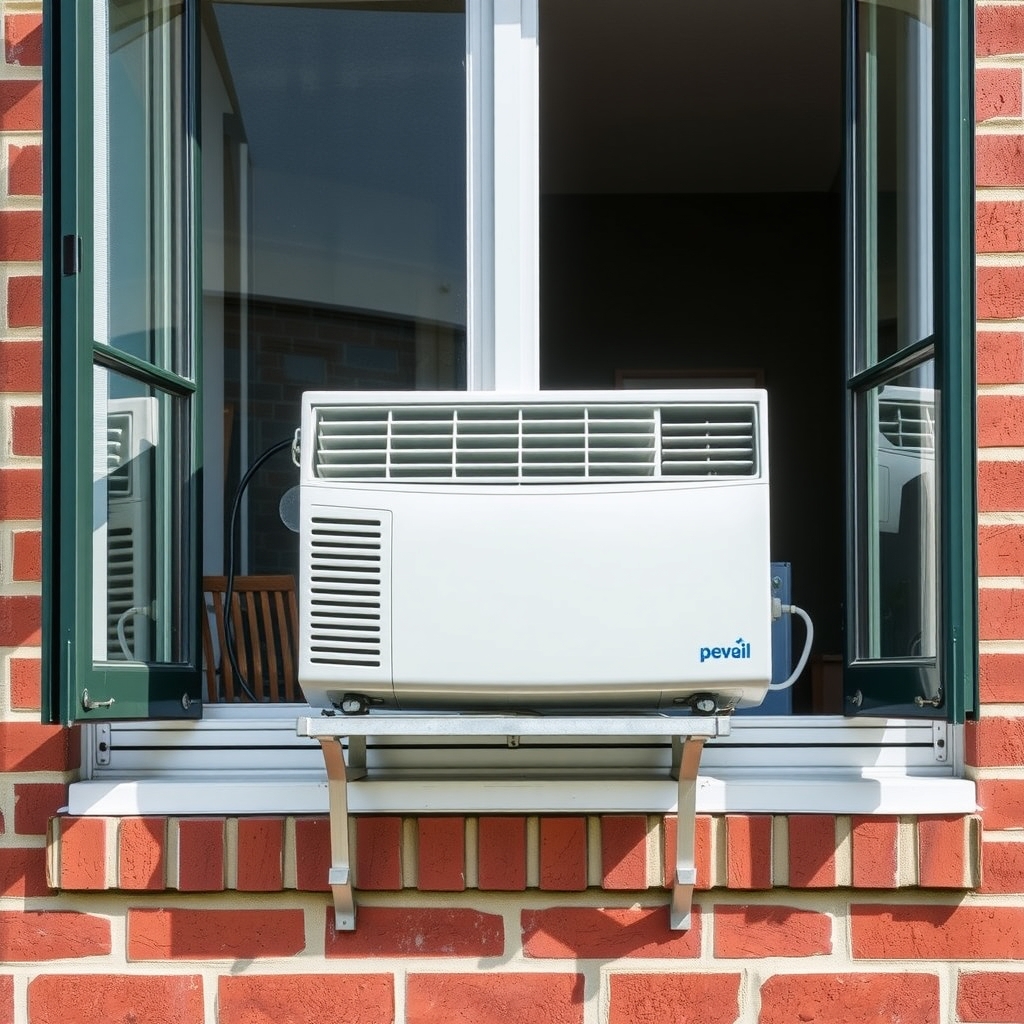
How to Install a Window AC With a Support Bracket
Read the fix Free fix inside
Air & Temperature · Window Ac Installation
Window AC Too Small for the Window? Close the Gap Properly
Read the fix Free fix inside
Air & Temperature · Window Ac
Window AC Not Blowing Cold Air? Clean These Two Parts First
Read the fix Free fix inside
Air & Temperature · Window Ac
Window AC Turning On and Off? Usual Causes and a Cleaning Fix
Read the fixAs an Amazon Associate I earn from qualifying purchases. Affiliate disclosure