Window AC Too Small for the Window? Close the Gap Properly
A unit narrower than its window leaves gaps that leak hot air, bugs and money. Fill them with rigid panels, not towels, and seal every edge.
By Jamilur Rahman Updated November 5, 2026 · 7 min read
- Time
- 45 min
- Cost
- $20-$50
- Difficulty
- Medium
In this guide
Quick answer
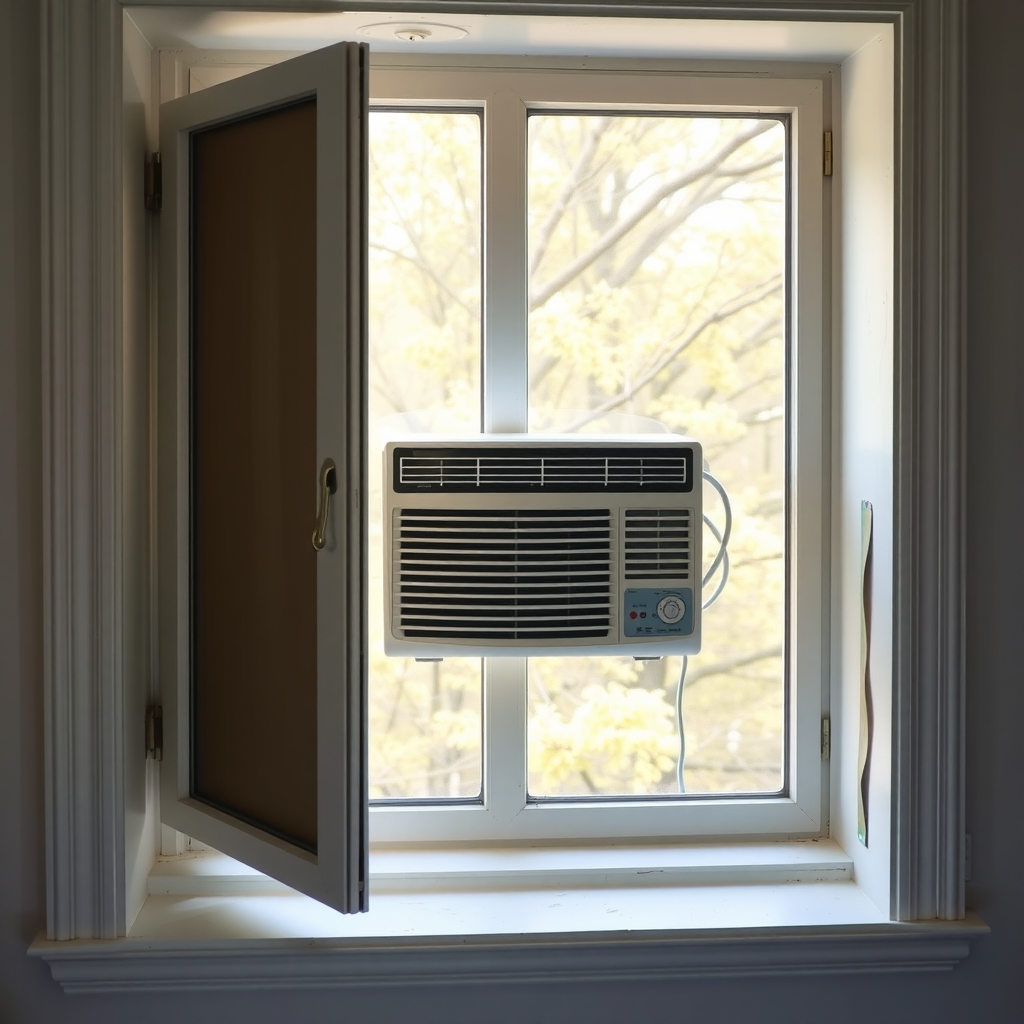
A window AC narrower than its window needs the gap filled with something rigid and insulated, then sealed on every edge. Pull the unit's accordion panels out fully first, then measure what is left, cut insulating panels to fit and seal the seams with foam strip. Cardboard and towels work for a night, but they sag, soak up moisture and leak air.
Free fix vs. permanent fix
A cardboard and tape filler
- Pull the unit's accordion panels all the way out first
- Cut cardboard or foam from a packing box to fit the leftover gap
- Wedge it into the window track and tape every seam
- Use towels only as a last-resort filler
How long it lasts: A few weeks. Cardboard sags and softens from condensation, and tape lets go in the heat.
A window AC insulating side panel kit
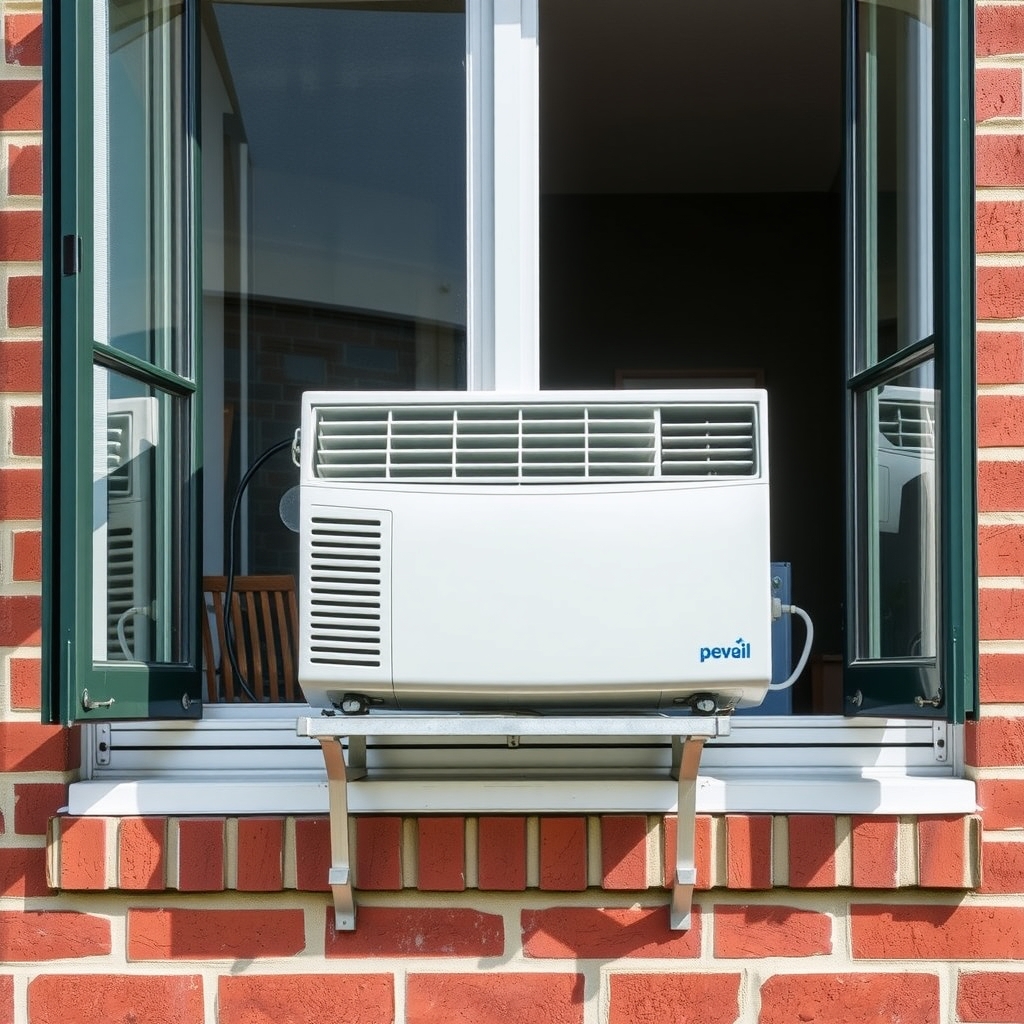
Panels fill the full gap with insulation, so cold air stays in and hot air, bugs and rain stay out. Cut to size, with sealed edges, they close the space the unit's own accordion panels cannot reach.
What to get: Window AC insulating side panel kit
How long it lasts: Usually several seasons. Rigid foam does not sag, and the seals keep their shape.
As an Amazon Associate I earn from qualifying purchases.
What you'll need
-
Tape measure
Measure the window opening and the unit
You have it -
Cardboard or foam scrap
A filler for tonight while you order a kit
Free -
Utility knife
To cut the panels to size
You have it - Our pick Illustration
Window AC side panel insulation kit
Rigid foam panels that fill the gap
- Illustration
Foam weatherstrip tape
Seals the panel edges and the gap under the sash
- Illustration
Window AC support bracket
Only if the unit rocks or hangs out past the sill
Why it happens
A window wider than the panels reach
Every unit comes with accordion side panels that only stretch so far. The manual lists the window widths it fits, and a wider window leaves a gap on each side.
A tall or odd-shaped window
Sliders, casements and tall single panes leave a gap above the unit that the kit in the box does not cover. A double-hung window avoids this, because the sash comes down on the unit.
Fillers that settle and leak
Cardboard, towels and tape shrink, sag and pull away. Even small leaks let hot air in, and the unit then runs longer to catch up.
A weak seal at the sash
The gap between the lowered sash and the top of the unit is often sealed with a foam strip that comes in the box. If it is missing or squashed flat, air leaks in there.
Try this first (free)
Do these in order, starting with the simplest.
-
1. Measure the gap
Tool used: Tape measureMeasure the window opening's width, then the unit's width, and how far the side panels stretch. Check the manual for the window sizes it fits. The gap is the window width minus the unit width, split between the two sides.
-
2. Stretch the accordion panels
Pull them fully out so they touch the window frame on both sides and fasten them as the manual says. If they reach the frame, you may only have small gaps to seal.
-
3. Cut a filler for any leftover gap
Tool used: Cardboard or foam scrapTrace the gap on cardboard or foam, cut it a hair oversize and wedge it into the track for a snug fit. Tape the seams. This is a stop-gap for a few weeks, not a seal.
-
4. Seal every edge
Tool used: Foam weatherstrip tapeRun foam weatherstrip along the panel edges and between the lowered sash and the top of the unit. From outside, look for daylight at the edges. Light means air gets through.
IllustrationCheck price on AmazonTool for this step
Foam weatherstrip tape · Seals the panel edges and the gap under the sash
-
5. Check it is firm and tilted outward
Tool used: Window AC support bracketThe unit should sit firmly on the sill and tilt slightly toward the outside, as most manuals say, so condensation drains out. If it rocks when you push it, add support underneath.
IllustrationCheck price on AmazonTool for this step
Window AC support bracket · Only if the unit rocks or hangs out past the sill
When free fixes aren't enough
Cardboard works until it gets damp. If you can see daylight at an edge, feel warm air leaking, or find the filler sagging after a week, it is time for a proper panel kit. Foam panels hold their shape and give a tight seal, which matters because every leak makes the unit work longer. If the unit wobbles when you push it, hangs half outside, or sits on a soft or slanted sill, stop and add a support bracket before you seal anything.
Buy the fix
Still stuck after the free fixes? These are the products we would look at.
| Pick | Product | Fixes | Who it's for | Buy |
|---|---|---|---|---|
| Best pick | Window AC insulating side panel kit | gaps beside and above a window AC that leak air, bugs and heat | Anyone whose unit is narrower than the window, or whose own accordion panels do not reach the frame. | Check price |
| Budget pick | Self-adhesive foam weatherstrip tape | small gaps and leaks at the sash and panel edges | Anyone whose unit nearly fits and only has small gaps. | Check price |
| Upgrade pick | Window AC support bracket | a unit that rocks or hangs out over the sill | Heavier units, wide sills, or windows where the unit sits partly outside. | Check price |
Window AC insulating side panel kit
Fixes: gaps beside and above a window AC that leak air, bugs and heat
Look for: Rigid foam panels that cut to your gap size; Enough length to cover both sides and the top, if needed; Weatherstrip or adhesive edges for a tight seal; Made for your window type, whether double-hung, slider or casement.
- Who it's for
- Anyone whose unit is narrower than the window, or whose own accordion panels do not reach the frame.
- Honest downside
- Your accordion panels already reach the frame on both sides. Then foam tape is enough.
Self-adhesive foam weatherstrip tape
Fixes: small gaps and leaks at the sash and panel edges
Look for: Closed-cell foam that springs back; Thick enough to fill a gap of about a quarter to half an inch; Self-adhesive backing that peels off cleanly at the end of the season.
- Who it's for
- Anyone whose unit nearly fits and only has small gaps.
- Honest downside
- Your gaps are wider than an inch or so. Foam tape cannot span them.
Window AC support bracket
Fixes: a unit that rocks or hangs out over the sill
Look for: A weight rating above your unit's weight, which is on its spec label; An adjustable arm to match your sill and wall; Mounting hardware for your wall type.
- Who it's for
- Heavier units, wide sills, or windows where the unit sits partly outside.
- Honest downside
- You rent and cannot drill. Ask your landlord first. A snug install on a solid sill may not need one.
As an Amazon Associate I earn from qualifying purchases. We don't show prices because they change, so use the button to see today's price.
How we picked: How we picked: this page is based on window air conditioner manuals and install guides, energy-saving advice on sealing gaps, and the fixes owners report in reviews of panel and seal kits. We do not test products by hand.
Safety: weight and window exits
- Many units weigh 50 lb or more. Get a second person to lift it.
- Do not let the unit rest on the sash alone.
- In a bedroom, keep another way out, or make sure the unit can come out fast in an emergency.
- Do not tape over the back vents or the drain hole.
What to skip
Towels, spray foam and caulk as permanent seals
Towels hold moisture. Expanding foam is a mess to remove and can glue the window shut. Caulk can stick the sash to the frame and damage paint, which is a problem if the window is a bedroom exit.
Frequently asked questions
Can I use a window AC in a window wider than the unit?
What should I fill the gap with?
Why does my window AC drip inside after I sealed it?
Do I need to take it out for winter?
Related problems
As an Amazon Associate I earn from qualifying purchases. Affiliate disclosure