Static on Vinyl Records? Carbon Fiber Brushes and Other Fixes
Dry air and plastic sleeves charge the grooves, which pulls in dust and adds crackle. A carbon fiber brush before each play drains the charge and lifts dust.
By Jamilur Rahman Updated November 5, 2026 · 6 min read
- Time
- 5 min per record
- Cost
- Under $20
- Difficulty
- Easy

In this guide
Quick answer
To get rid of static electricity on vinyl records, drain the charge before you play. Brush the record with a carbon fiber brush while it spins, keep the room near 40 to 50 percent humidity, and store records in anti-static inner sleeves. Static pulls dust into the grooves and adds pops, so removing it makes records cleaner and quieter.
Free fix vs. permanent fix
Humidity, handling and sleeve changes
- Raise room humidity toward 40 to 50 percent
- Hold records by the edges and the label
- Slide a record out of its sleeve slowly, not in a quick yank
- Do not wipe a record with a dry cloth
How long it lasts: It helps while the air stays damp enough. In a dry winter room, static returns each time you handle a record.
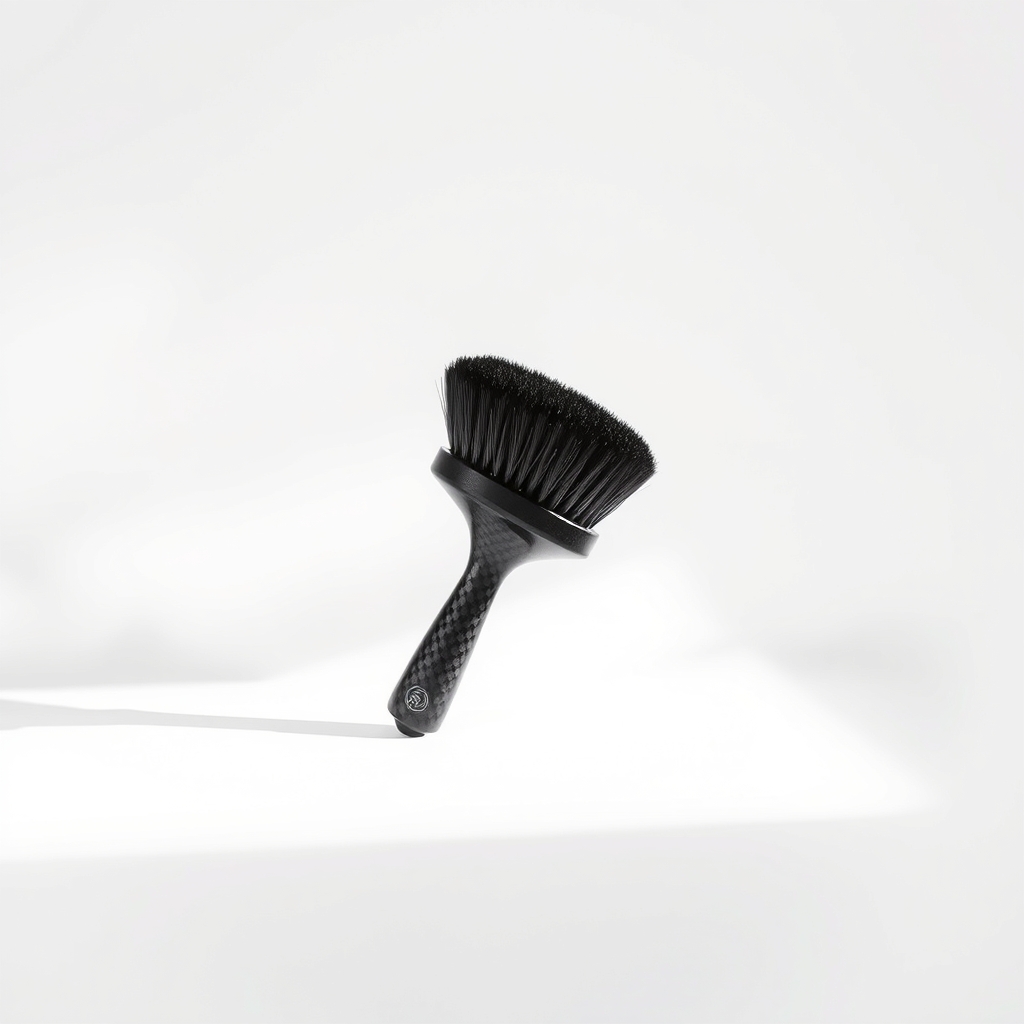
A carbon fiber record brush
Carbon fiber conducts, so the fine bristles bleed charge off the vinyl while they sweep dust out of the grooves. Humidity and sleeves help, but only a brush works on the record you are about to play.
What to get: Carbon fiber record brush
How long it lasts: Years. It is a fixed tool you use on every record before every play.
As an Amazon Associate I earn from qualifying purchases.
What you'll need
-
Humidifier
If your room reads below 40 percent humidity
You have it - Illustration
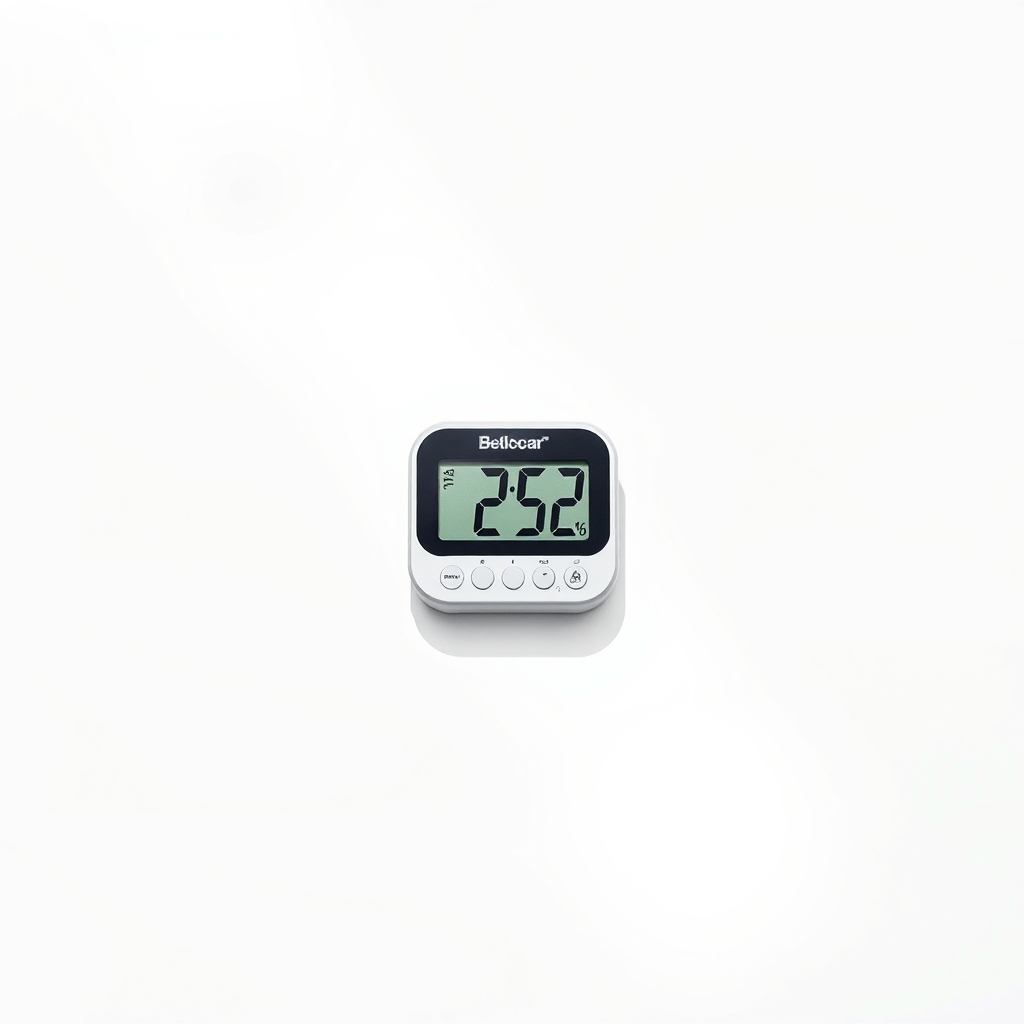
Digital hygrometer
Shows room humidity so you know if the air is too dry
- Our pick Illustration
Carbon fiber record brush
Drains static and lifts dust right before play
- Illustration
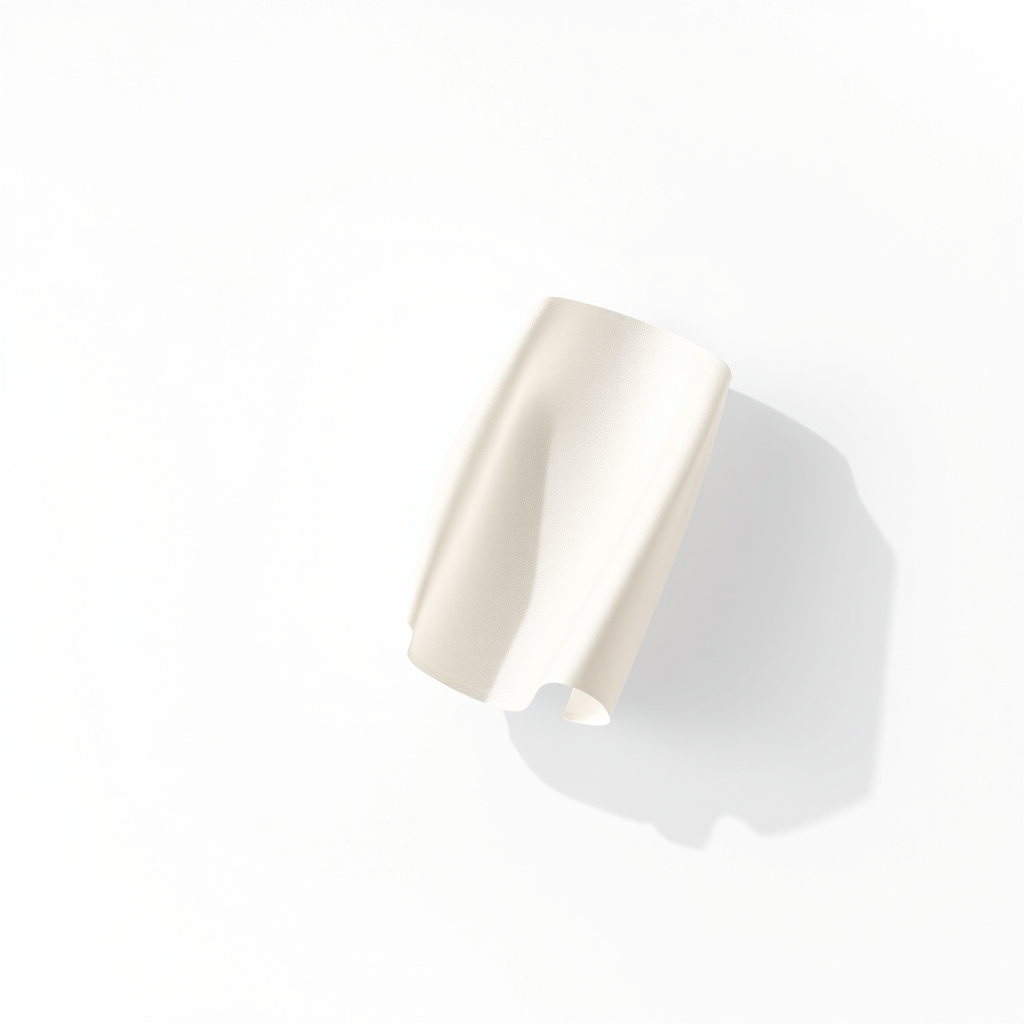
Anti-static inner sleeves
Swap out plastic-lined sleeves
- Illustration

Anti-static record gun
For stubborn static after brushing
Why it happens
Dry indoor air
When humidity drops below about 40 percent, charge builds up and stays. Winter heating makes this worse.
Plastic or poly-lined inner sleeves
Sliding a record out of a plastic-lined sleeve charges the vinyl, much like rubbing a balloon. Dust then sticks to it.
Rubbing with dry cloths
Dry cloths, sweater sleeves and paper towels move charge onto the record. A rubber or felt mat on the platter can also build charge.
Dust already in the grooves
A charged record pulls in more dust, and the stylus then grinds it in. Some of the crackle you hear comes from that.
Try this first (free)
Do these in order, starting with the simplest.
-
Check the room humidity
Tool used: Digital hygrometerPut a hygrometer in the room. If it reads under 40 percent, run a humidifier until it sits between 40 and 50 percent.
IllustrationCheck price on AmazonTool for this step
Digital hygrometer · Shows room humidity so you know if the air is too dry
-
Hold records by the edges
Touch only the edge and the label. Fingers leave oil on the grooves, and rubbing adds charge.
-
Pull the record out slowly
Squeeze the sleeve open and let the record slide out onto your clean hands. A quick yank from a plastic-lined sleeve builds more charge.
-
Swap plastic inner sleeves for anti-static ones
Tool used: Anti-static inner sleevesReplace plastic-lined inner sleeves with anti-static ones, such as paper or rice paper, and keep the outer jacket on.
IllustrationCheck price on AmazonTool for this step
Anti-static inner sleeves · Swap out plastic-lined sleeves
-
Brush before every play
Tool used: Carbon fiber record brushSet the record on the platter and start it. Lower the brush onto the spinning record with light pressure for one or two turns, then lift it off while the record is still spinning, before you lower the needle. Pull hair and dust off the bristles every few records, since a dirty brush puts dust back on the next one.
IllustrationCheck price on AmazonTool for this step
Carbon fiber record brush · Drains static and lifts dust right before play
When free fixes aren't enough
Humidity and sleeves reduce static, but they never take the charge off a record you are about to play, and a dry winter can beat both. A brush removes the charge at the moment of play. If pops remain after brushing, the noise is probably dirt in the grooves, a scratch or a worn stylus, not static. The fix then is a proper wet clean or a new stylus. A brush also cannot flatten a record that has warped.
Buy the fix
Still stuck after the free fixes? These are the products we would look at.
| Pick | Product | Fixes | Who it's for | Buy |
|---|---|---|---|---|
| Best pick | Carbon fiber record brush | static and loose dust on the record surface | Anyone who plays records regularly and sees dust cling or hears crackle at the start of a side. | Check price |
| Budget pick | Anti-static inner sleeves | static that builds when you pull records from storage | Anyone whose records crackle with static when they come out of their sleeves. | Check price |
| Upgrade pick | Anti-static record gun | stubborn static on a record that still crackles after brushing | Collectors with large libraries in a dry climate, who handle records often. | Check price |
Carbon fiber record brush
Fixes: static and loose dust on the record surface
Look for: Fine, soft conductive carbon fiber bristles; Bristles that sweep the groove area without pressing hard; A cover or retractable bristles to keep dust off in storage.
- Who it's for
- Anyone who plays records regularly and sees dust cling or hears crackle at the start of a side.
- Honest downside
- The record is wet or sticky from a spill. Clean it first, then brush.
Anti-static inner sleeves
Fixes: static that builds when you pull records from storage
Look for: Anti-static material, not plain plastic; Sized for 12-inch records; Rounded corners that do not scrape the record edge; Sold in packs, so you can swap a whole stack.
- Who it's for
- Anyone whose records crackle with static when they come out of their sleeves.
- Honest downside
- Your sleeves are already paper or anti-static and in good shape.
Anti-static record gun
Fixes: stubborn static on a record that still crackles after brushing
Look for: Works without batteries, as most piezo guns do; Clear instructions on how many squeezes and how far away; A sturdy body that fits your hand.
- Who it's for
- Collectors with large libraries in a dry climate, who handle records often.
- Honest downside
- Static is mild. Brush first, and add this only if static persists.
As an Amazon Associate I earn from qualifying purchases. We don't show prices because they change, so use the button to see today's price.
How we picked: How we picked: this page is based on record care guides from collectors and makers, humidity advice for storing vinyl, and what owners report in reviews of record brushes and sleeves. We do not test products by hand.
Is it static or dirt?
Static often shows up as dust clinging to the record the moment you lift it, with pops that are loudest at the start of a side. Dirt or wear usually sounds the same on the same spots every time you play the record. If the crackle never changes, clean the record or check the stylus.
What to skip
Dry cloths, dryer sheets and household sprays
A dry cloth or paper towel moves more charge onto the record and can scratch it. Dryer sheets leave residue in the grooves. Household cleaners and sprays can harm vinyl. Use a brush for static and a record cleaning fluid made for vinyl for deeper cleans.
Frequently asked questions
Why does my vinyl record have so much static?
Does static damage records or my stylus?
Can I use a damp cloth to remove static?
What humidity is best for vinyl records?
Related problems
 Free fix inside
Air & Temperature · Static
How to Get Rid of Static Electricity at Home: 6 Fixes That Work
Read the fix Free fix inside
Air & Temperature · Static
Zapped by Every Doorknob? Discharge Static Without the Shock
Read the fix Free fix inside
Air & Temperature · Static
Static Hair in Winter? Anti-Static Fixes That Calm Flyaways
Read the fix Free fix inside
Bedroom & Sleep · Blanket
Blanket So Static It Shocks You? 4 Fixes That Stop Sparks
Read the fixAs an Amazon Associate I earn from qualifying purchases. Affiliate disclosure