Air Purifier Too Loud? Quieter Models and Settings That Help
Most loud purifiers are running too fast, sitting on a buzzing surface or choking on a dirty filter. Fix those first, then size up for a quieter model.
By Jamilur Rahman Updated November 5, 2026 · 7 min read
- Time
- 15 min
- Cost
- $50-$150
- Difficulty
- Easy
In this guide
Quick answer
Air purifier too loud? The usual cause is a high fan speed, either because auto mode sensed dust or because the unit is too small for the room. Drop it to a lower setting, check that the filter is seated and not clogged, and move it off a buzzing surface. If it is still noisy on low, a quieter model rated for a bigger room can clean the air without the roar.
Free fix vs. permanent fix
Lower the speed and fix the rattle
- Switch from auto or turbo to sleep or low
- Check that the filter is seated and any plastic wrap is off
- Move it 6 to 12 inches from walls and furniture
- Set it on a rubber pad or the floor, not a hollow table
How long it lasts: Works for good if the noise came from a loose filter or a hard surface. If the unit is too small, it will go loud again when the air gets dusty.
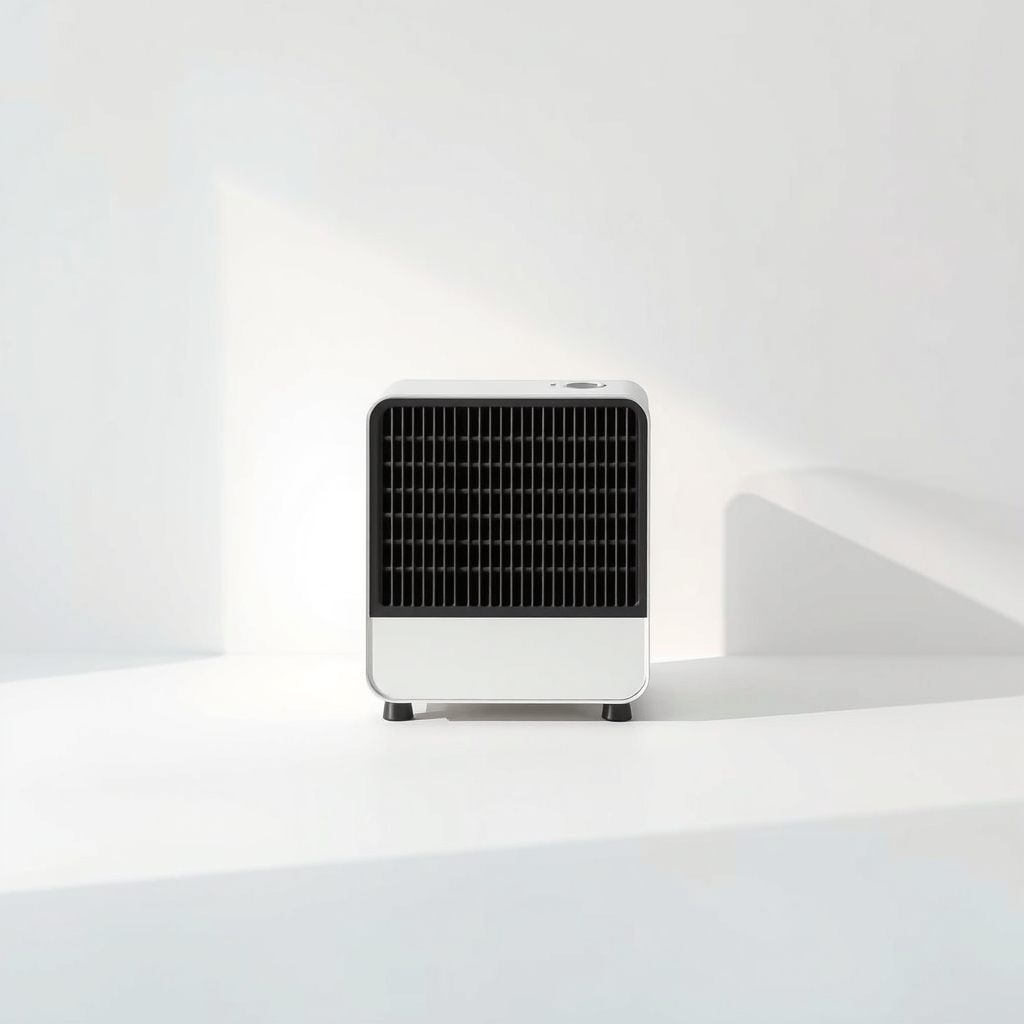
A quiet purifier sized above your room
Noise comes mostly from fan speed. A purifier rated for a larger room than yours can do the job on low, so you hear a soft hum instead of a rush of air. A small unit on high struggles and is loud.
What to get: Quiet HEPA air purifier for a bedroom
How long it lasts: For the life of the unit. A bigger purifier can clean the room on a low speed, which is the quiet one.
As an Amazon Associate I earn from qualifying purchases.
What you'll need
-
Soft brush or vacuum with a brush head
For dust on the pre-filter and intake grille
You have it -
Your purifier manual or model number
Shows how to reseat the filter and the room size it is rated for
You have it - Illustration
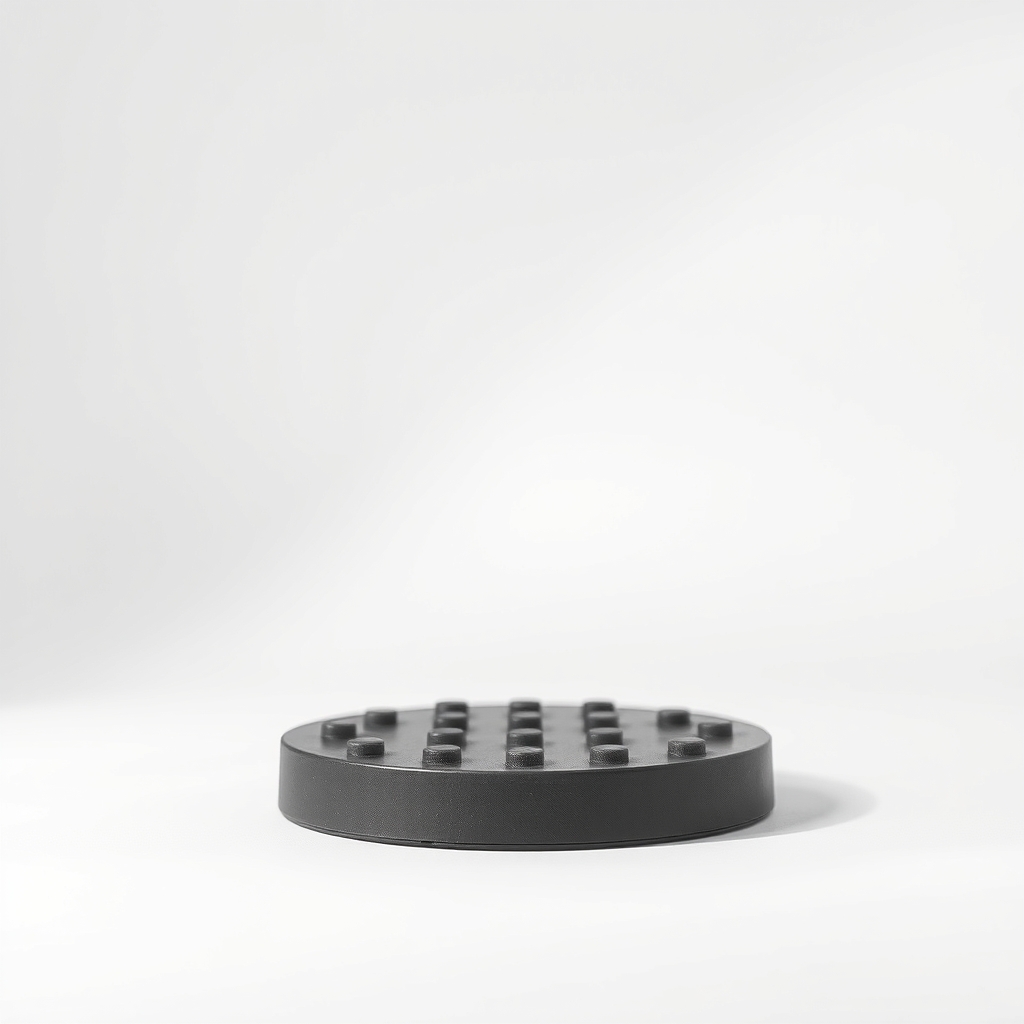
Rubber anti-vibration pads
Quiet a buzz that comes from the surface under it
- Our pick Illustration
Quiet purifier rated for a larger room
The lasting fix when low speed is not enough
Why it happens
Auto mode or high speed
In auto mode the purifier ramps up when its sensor sees dust, smoke or cooking particles. A dusty room, an open window or a pet can keep it on high for hours.
A unit too small for the room
Each purifier is rated for a room size. In a larger room it runs on high all the time to keep up, and the fan stays loud.
A clogged or loose filter
A dirty filter makes the fan work harder. A filter that is not clicked into place, or a new one still wrapped in plastic, can whistle or rattle.
Vibration from where it sits
A purifier on a hollow table, shelf or thin floor can turn a mild hum into a buzz. Blocking the intake against a wall adds a whooshing sound.
An aging or failing fan
A grinding, clicking or squeal that comes from the motor, not from air, points to a worn fan. Check the warranty.
Try this first (free)
Do these in order, starting with the simplest.
-
Check the fan speed first
Switch from auto or turbo to sleep or low. If the noise drops and the room still smells fine, you may only need to run it lower and longer.
-
Reseat the filter and remove any wrapping
Tool used: Your purifier manual or model numberUnplug the unit, open the back or base, and take out the filter. Check that the plastic bag is off, then click it back in. Use the manual to confirm the direction.
-
Vacuum the pre-filter and grille
Tool used: Soft brush or vacuum with a brush headDust blocks airflow. Brush or vacuum the intake grille and any washable pre-filter, and dry it fully before you reinstall it.
-
Give it space and a stable base
Tool used: Rubber anti-vibration padsKeep 6 to 12 inches clear on all sides. Put it on the floor or on a firm surface. If it buzzes, slip a rubber pad under each foot.
IllustrationCheck price on AmazonTool for this step
Rubber anti-vibration pads · Quiet a buzz that comes from the surface under it
-
Check the room size against the label
Tool used: Your purifier manual or model numberFind the room size on the label or manual. If your room is bigger than the rating, noise on low is a sign the unit is too small, not broken.
When free fixes aren't enough
If the filter is clean and the unit is stable but it still has to run on high to keep the room clean, it is undersized. No setting fixes that. A purifier rated for roughly twice your room's floor area can run on its lowest speed and still turn the air over. If you hear grinding, clicking or a squeal from inside, or you smell burning or see sparks, unplug it and stop using it. Contact the maker about a repair or replacement.
Buy the fix
Still stuck after the free fixes? These are the products we would look at.
| Pick | Product | Fixes | Who it's for | Buy |
|---|---|---|---|---|
| Best pick | Quiet HEPA air purifier for a bedroom | a purifier that has to run loud to keep up | Someone who wants clean air in a bedroom or home office and hears the fan at night. | Check price |
| Budget pick | Rubber anti-vibration pads | buzzing that the surface under the purifier adds | Anyone whose purifier is fine on the floor but hums on a table or shelf. | Check price |
Quiet HEPA air purifier for a bedroom
Fixes: a purifier that has to run loud to keep up
Look for: A listed sound level at the lowest speed, and reviews that call it quiet; A clean air delivery rate that suits a room larger than yours; A sleep mode that turns the display lights off; A true HEPA filter and no ozone output.
- Who it's for
- Someone who wants clean air in a bedroom or home office and hears the fan at night.
- Honest downside
- Your current unit is rated for your room and is only loud because the filter is dirty or loose. Fix that first.
Rubber anti-vibration pads
Fixes: buzzing that the surface under the purifier adds
Look for: Dense rubber, not thin foam; Enough size to support each foot of the unit; A non-slip surface on both sides.
- Who it's for
- Anyone whose purifier is fine on the floor but hums on a table or shelf.
- Honest downside
- The noise is a whistle, grinding or a clicking fan. A pad cannot fix those.
As an Amazon Associate I earn from qualifying purchases. We don't show prices because they change, so use the button to see today's price.
How we picked: How we picked: this page is based on air purifier manuals and filter-care guidance, public advice on room sizing and ozone, and the noise problems owners report in reviews. We do not test products by hand.
How to size a purifier so it can stay quiet
A common rule is to choose a unit whose clean air delivery rate is at least two-thirds of your room's floor area in square feet. Going a step higher lets it run on low. Check the maker's room-size claim, which is often based on about five air changes an hour.
When to clean or replace the filter
Follow the manual. Many HEPA filters last 6 to 12 months, and carbon filters wear out sooner in smoky or smelly homes. A filter clogged by dust makes the fan work harder and louder, so mark the date on your calendar.
What to skip
Ionizers, ozone units and stuffing the intake
Some quiet-looking units use ionizers or ozone, which can add ozone to the air you breathe. Choose a mechanical HEPA filter. Also do not stuff foam or cloth into the intake or outlet to cut noise. It blocks airflow, strains the motor and can overheat the unit.
Frequently asked questions
Why is my air purifier so loud?
Is it normal for an air purifier to be loud on auto?
Does a louder air purifier clean better?
How quiet should a bedroom purifier be?
Related problems
 Free fix inside
Air & Temperature · Air Purifier
Air Purifier Too Small for the Room? How to Size One Right
Read the fix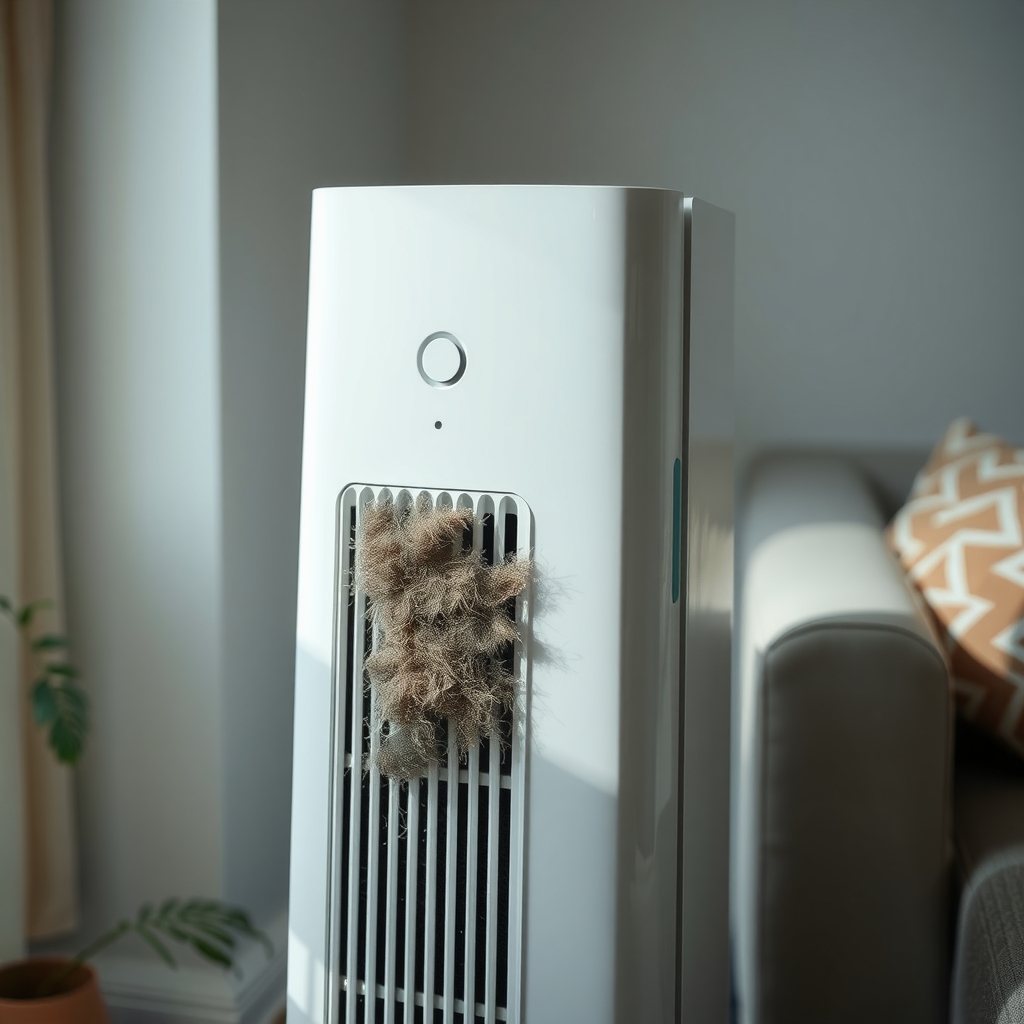 Free fix inside
Air & Temperature · Air Purifier
How to Keep an Air Purifier Clean: Pre-Filters and a Simple Schedule
Read the fix Free fix inside
Air & Temperature · Air Purifier
Air Purifier Light Turning Red? What It's Telling You
Read the fix Free fix inside
Air & Temperature · Dehumidifier
Dehumidifier Too Loud? Quieter Options and Placement Tricks
Read the fixAs an Amazon Associate I earn from qualifying purchases. Affiliate disclosure