Air Conditioner Too Loud? Vibration Pads and 4 Other Fixes
A loud air conditioner usually has loose panels, a dirty fan or a unit shaking on its base. Find the sound, then quiet it with tightening, cleaning and pads.
By Jamilur Rahman Updated November 5, 2026 · 6 min read
- Time
- 30 min
- Cost
- Under $20
- Difficulty
- Medium
In this guide
Quick answer
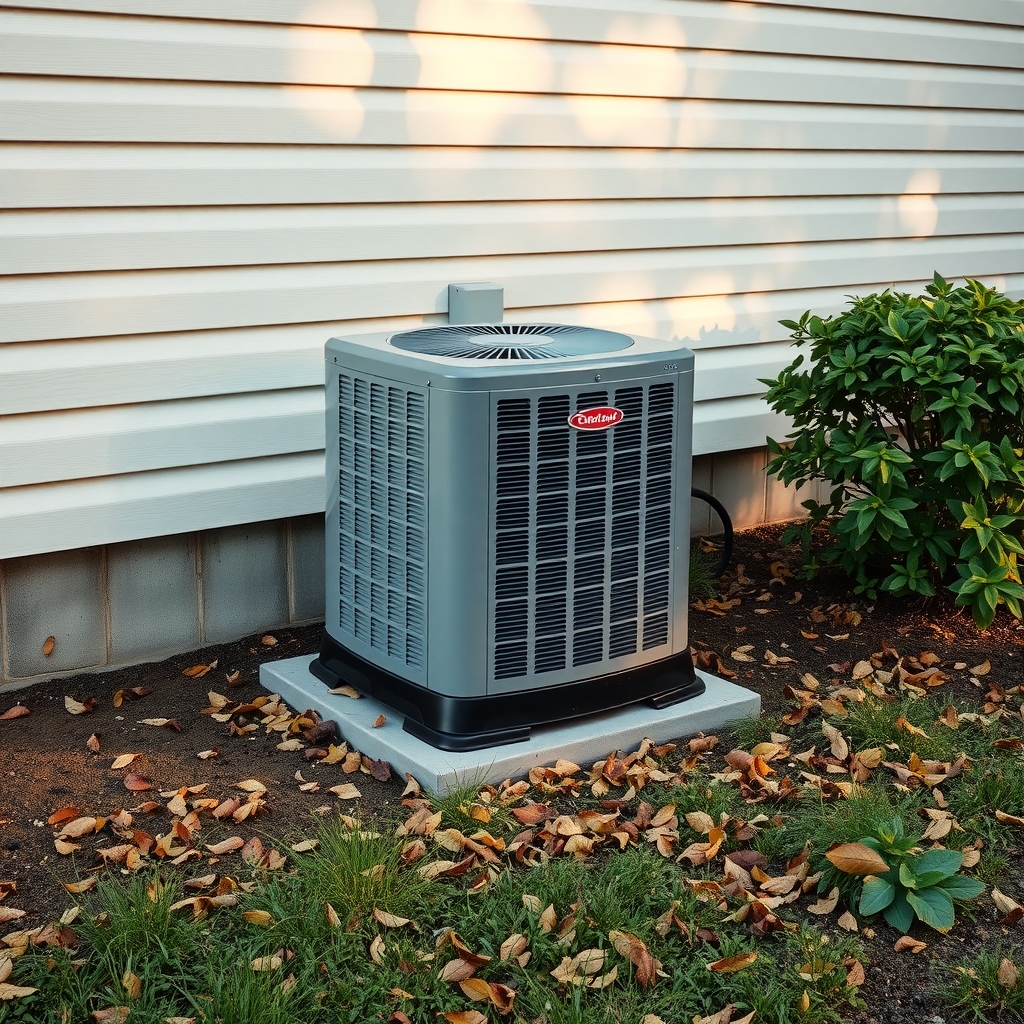
An air conditioner too loud to sleep through is usually rattling from loose screws or panels, a dirty fan, or a unit sitting unlevel and shaking its base. Tighten, clean and level it first, then set the outdoor unit on rubber vibration isolation pads so the hum stops traveling into the ground and walls. Grinding, squealing or hissing are different: those need a technician.
Free fix vs. permanent fix
Tighten, clean and level
- Switch off the power, then tighten panel screws
- Clear leaves and debris from around the fan
- Check that the unit sits level on its base
- Listen to pin down the exact spot
How long it lasts: Often a whole season. Vibration can loosen screws again over time.
Rubber vibration isolation pads
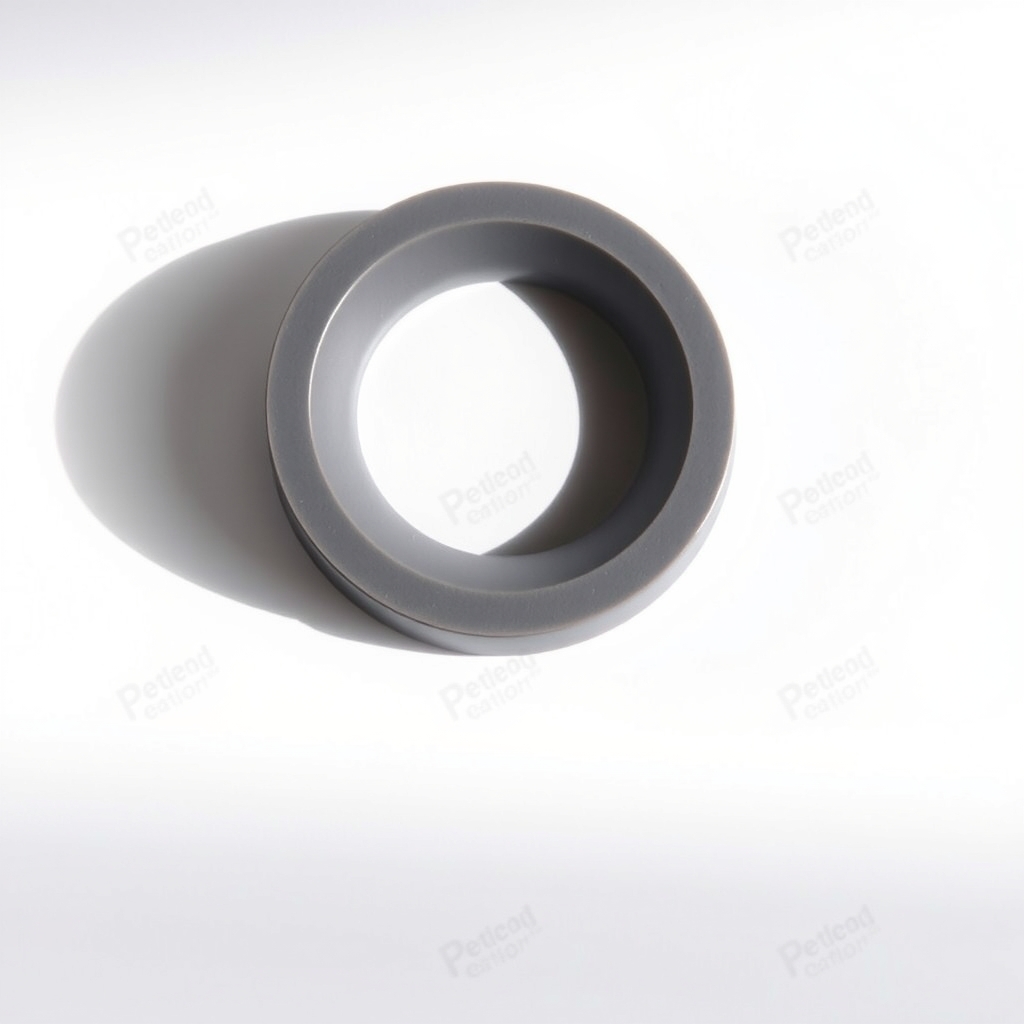
A running compressor shakes, and a hard base carries that shake into the pad, the ground and the wall as noise. Pads sit between the unit and its base to absorb the movement, so the same machine sounds lower and duller.
What to get: Rubber vibration isolation pads for AC units
How long it lasts: Several seasons. Dense rubber pads hold their shape outdoors; replace them if they crack.
As an Amazon Associate I earn from qualifying purchases.
What you'll need
-
Screwdriver or nut driver
To tighten panel and grille screws
You have it -
Soft brush
To clear debris from the fins
You have it -
Level or phone level app
To check the unit sits flat
Free - Our pick Illustration
Rubber vibration isolation pads
Slide under the feet or rails of the unit
- Illustration
Foam pipe insulation
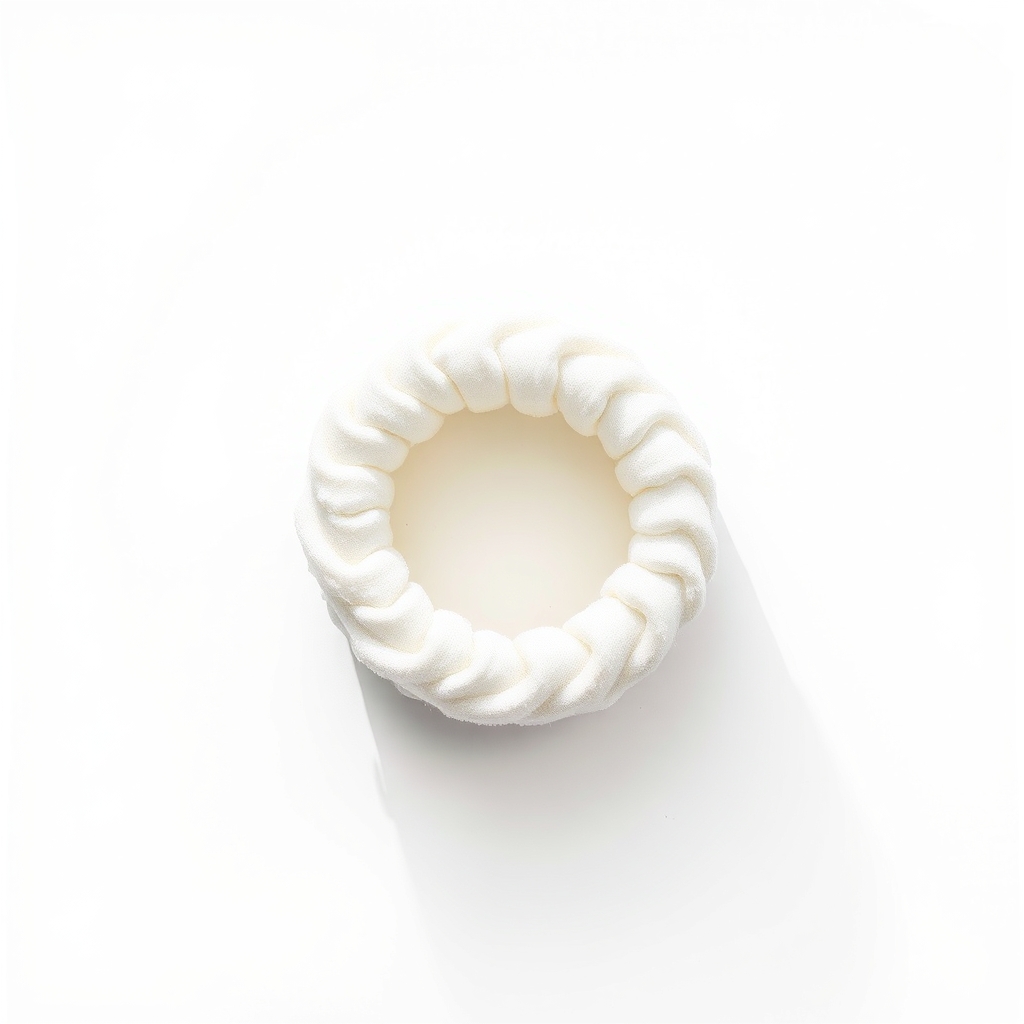
For refrigerant lines that tap the wall
Why it happens
Loose panels, screws or a grille
Most rattles are loose metal. A running unit vibrates, and screws and covers work loose over a few seasons.
A unit that is out of level, or a sunken pad
Soil settles and the ground pad can tilt. A tilted unit makes the compressor work against its mounts and hum louder.
Debris or a dirty fan
Leaves, sticks and a layer of dirt on the fan blades throw it out of balance. The unit then wobbles and thumps.
Lines touching the wall
Refrigerant lines that touch the wall or each other pass the vibration into the building. A bedroom wall then acts like a speaker.
Wear inside the unit
Worn motor bearings or a failing capacitor cause squealing, buzzing or a new hum. Those faults are not a DIY job.
Try this first (free)
Do these in order, starting with the simplest.
-
Name the sound
A rattle points to loose metal. A steady hum or buzz can be a loose part or an electrical fault. A squeal means fan or motor bearings. Grinding, banging, hissing or bubbling mean stop the unit and call a technician.
-
Cut the power, then tighten
Tool used: Screwdriver or nut driverSwitch the AC off at the breaker. Tighten the panel screws and the fan grille. On a window unit, snug the case and the side panels.
-
Clear and clean the fan area
Tool used: Soft brushPull leaves, sticks and toys from around the outdoor unit and keep about 2 feet of clear space on all sides. Gently brush debris off the fins. If a fan blade looks bent, leave it to a technician.
-
Level the unit
Tool used: Level or phone level appSet a level on top of the outdoor unit. If the pad under it has sunk or tilted, a shim or a re-leveled pad cuts the hum. Do not lift or tilt the unit with the refrigerant lines tight.
-
Slide vibration pads under the feet
Tool used: Rubber vibration isolation padsCondensers are heavy, so get a helper and lift one corner at a time just enough to slide a pad under each foot or rail. If it is wall-mounted or the lines look strained, ask a technician to do it.
IllustrationCheck price on AmazonTool for this step
Rubber vibration isolation pads · Slide under the feet or rails of the unit
-
Wrap lines that touch the wall
Tool used: Foam pipe insulationSlide foam pipe insulation over the refrigerant lines where they tap the wall or each other. This stops the metal-on-wall knocking.
IllustrationCheck price on AmazonTool for this step
Foam pipe insulation · For refrigerant lines that tap the wall
When free fixes aren't enough
If the noise stays after tightening, cleaning and padding, listen again. Grinding, loud squealing, banging or a hum that starts and stops can mean worn motor bearings, a failing capacitor or a loose compressor mount. Those jobs belong to an HVAC technician. A hiss or bubbling could be a refrigerant leak. Never open the electrical panel yourself. Pads change how much vibration reaches the wall and ground, but they do not quiet a failing motor.
Buy the fix
Still stuck after the free fixes? These are the products we would look at.
| Pick | Product | Fixes | Who it's for | Buy |
|---|---|---|---|---|
| Best pick | Rubber vibration isolation pads for AC units | vibration traveling from the unit into the pad, wall and ground | Anyone whose outdoor unit hums or thumps against a wall or pad. | Check price |
| Upgrade pick | 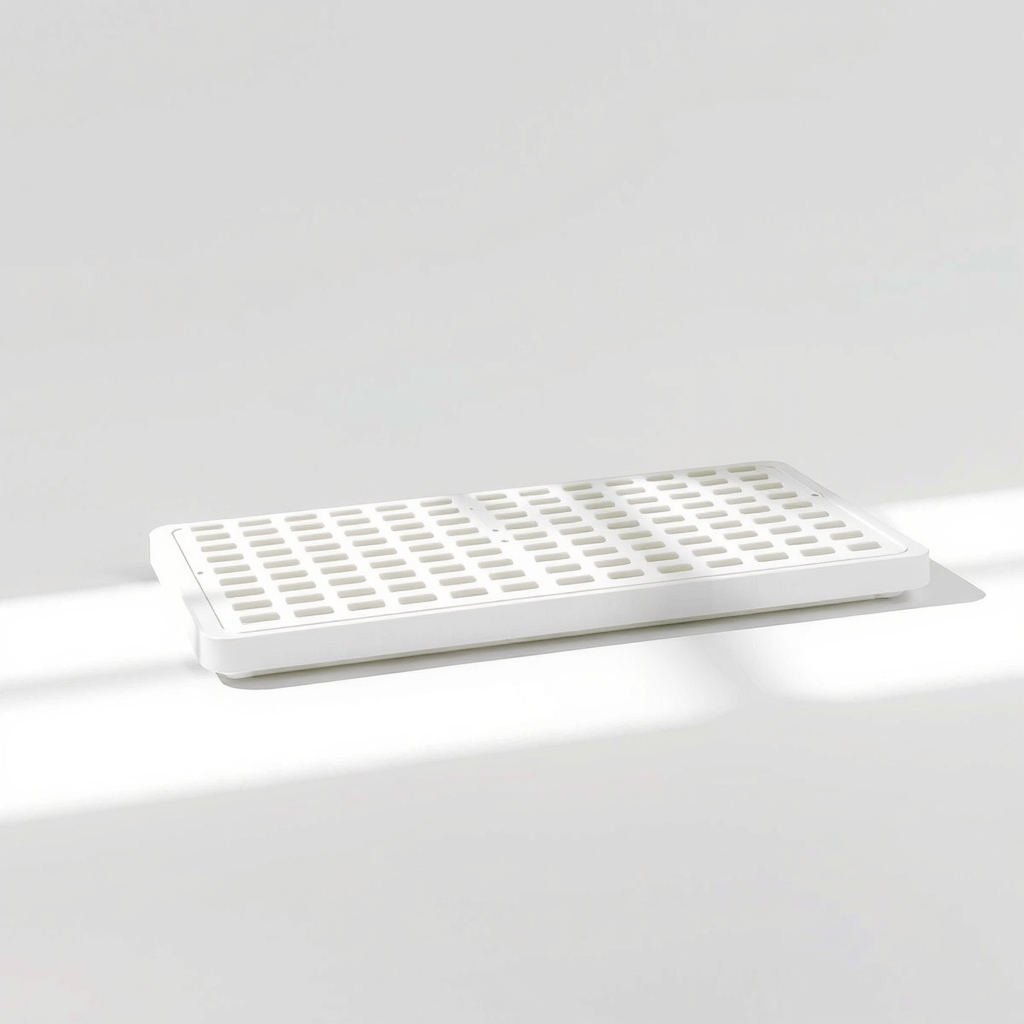 Composite or plastic AC equipment pad | a sunken, cracked or tilted pad that makes the unit hum | People whose old concrete pad has settled or crumbled. | Check price |
Rubber vibration isolation pads for AC units
Fixes: vibration traveling from the unit into the pad, wall and ground
Look for: Dense rubber or neoprene that does not crush flat under the weight; A load rating above the unit's weight; Ribbed or grooved faces that grip the base; Weather-resistant for outdoor use.
- Who it's for
- Anyone whose outdoor unit hums or thumps against a wall or pad.
- Honest downside
- The unit is wall-mounted on a bracket or hung from a roof. Ask a technician for the right isolators.
Composite or plastic AC equipment pad
Fixes: a sunken, cracked or tilted pad that makes the unit hum
Look for: A size that fits the footprint of your unit; UV-resistant composite that will not rot or crack; A flat, level surface.
- Who it's for
- People whose old concrete pad has settled or crumbled.
- Honest downside
- Your pad is level and in good shape. Vibration pads alone are cheaper.
As an Amazon Associate I earn from qualifying purchases. We don't show prices because they change, so use the button to see today's price.
How we picked: How we picked: this page is based on air conditioner owner manuals, HVAC noise and maintenance guides, and the problems and fixes people report in owner reviews. We do not test products by hand.
Too loud to sleep? Where the noise really comes from
If the unit sounds like a rattle or a thump, vibration is the cause and pads will help. If it is a steady rush of air or a motor hum, most of the noise travels through the air, and pads change little. In that case, close the window facing the unit, use the sleep or low-fan mode, run white noise, and keep the area around the unit clear. A replacement unit rated for lower decibels is the lasting fix, but only when repair costs more than it is worth.
What to skip
What to skip
Do not stuff rags or foam inside the unit, and do not cover it while it runs. Blocking the airflow makes it overheat, and the stuffing can catch in the fan. Fix the cause of the vibration instead of muffling it.
Frequently asked questions
Why is my air conditioner so loud all of a sudden?
How do I stop air conditioner vibration, rattling and noise?
Air conditioner too loud to sleep: what helps?
Is it normal for an AC to be loud when it starts?
Related problems
 Free fix inside
Air & Temperature · Window Ac
Window AC Rattling or Vibrating? Quiet It With Foam and Padding
Read the fix Free fix inside
Air & Temperature · Air Conditioner
AC Running but Not Cooling? 7 Checks Before You Call a Pro
Read the fix Free fix inside
Air & Temperature · Air Conditioner
Air Conditioner Short Cycling? Dirty Coils and Other Usual Suspects
Read the fix Free fix inside
Air & Temperature · Dehumidifier
Dehumidifier Too Loud? Quieter Options and Placement Tricks
Read the fixAs an Amazon Associate I earn from qualifying purchases. Affiliate disclosure