How to Raise a Bed for Storage Underneath (No New Frame Needed)
Heavy-duty bed risers lift the bed several inches for storage, with no new frame. Measure the legs, check the weight rating, and lift one end at a time.
By Jamilur Rahman Updated November 5, 2026 · 6 min read
- Time
- 20 min
- Cost
- $20-$50
- Difficulty
- Medium
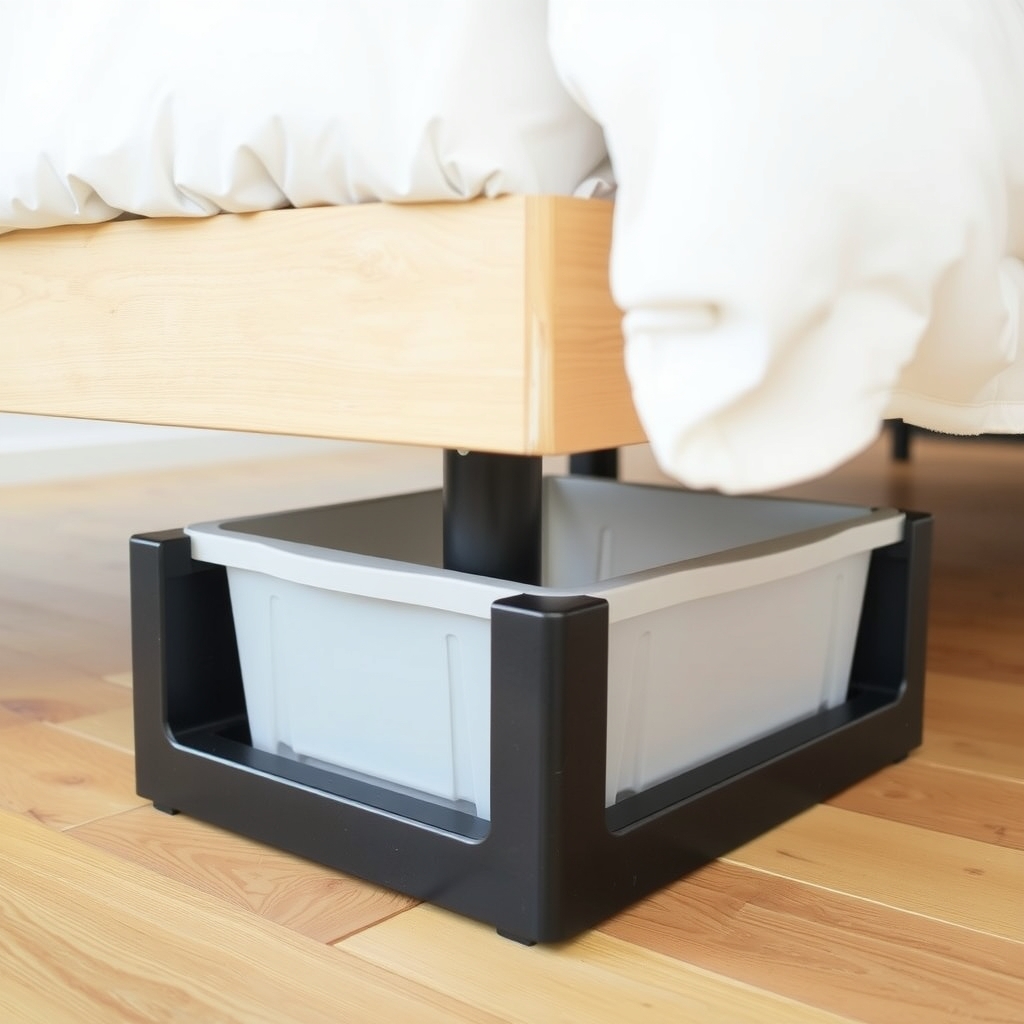
In this guide
Quick answer
To raise a bed for storage, set heavy-duty bed risers under every leg. Empty the bed, measure the legs and the lift you want, and add up the weight the risers must carry: frame, mattress and everyone who sleeps on it. Lift one end at a time, seat each leg in the riser's cup and check the bed does not rock. Use one riser type on every leg, never stack blocks, and skip risers on a bunk bed.
Free fix vs. permanent fix
Measure, check the weight and plan
- Measure the legs and the gap under the frame
- Add up frame, mattress and sleepers' weight
- Clear out what is under the bed now
- Check whether the frame has legs or a solid base
How long it lasts: It gives you a plan, not extra height. There is no safe free way to lift a bed.
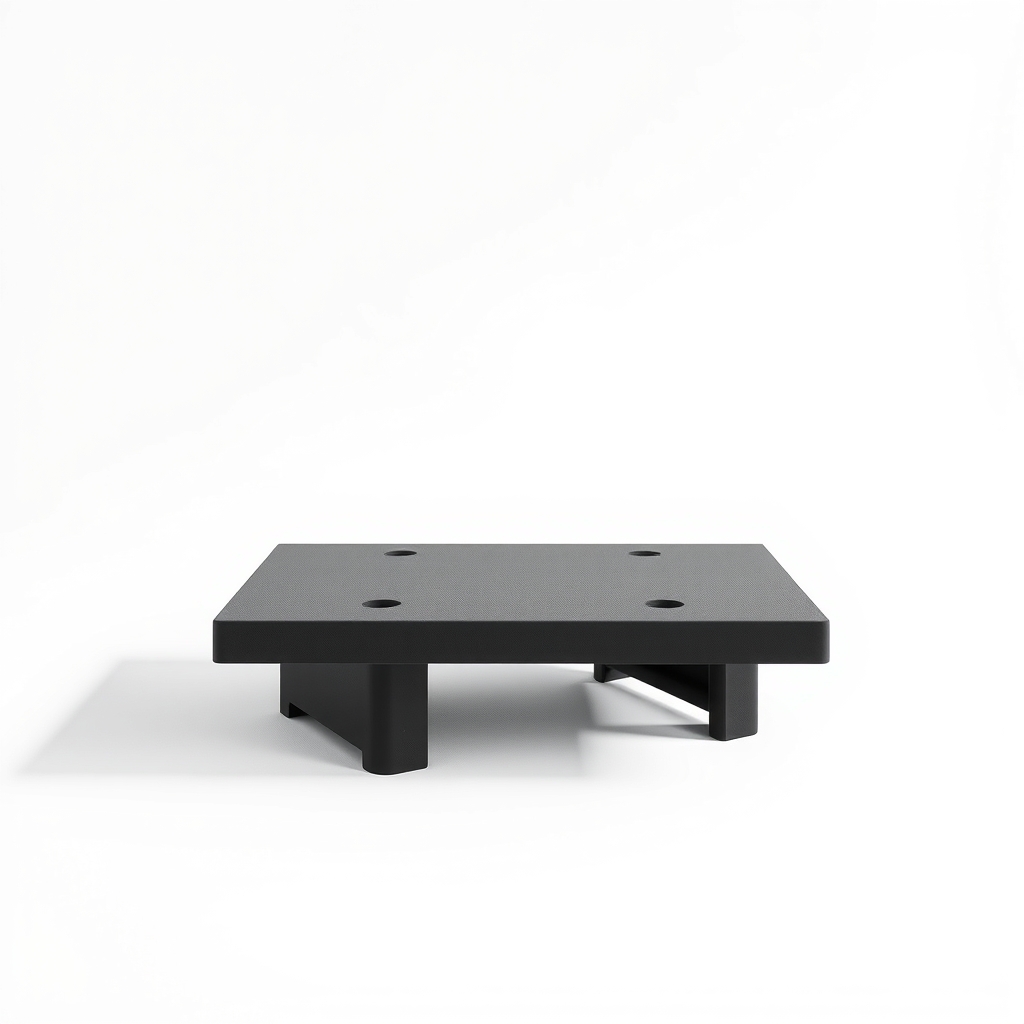
Heavy-duty bed risers rated for the full load
A riser lifts the frame straight up on a fixed base, with a cup that holds each leg, so the bed stays level and steady. It needs no new frame and comes out if you move. Measuring first stops you buying the wrong size; the riser is the lift.
What to get: Heavy-duty bed risers
How long it lasts: Years. Steel or solid-plastic risers do not sag or compress.
As an Amazon Associate I earn from qualifying purchases.
What you'll need
-
Tape measure
For the leg size and the height you need
You have it -
A helper
To lift one end of the bed while you place the risers
Free - Our pick Illustration
Heavy-duty bed risers
Rated for the whole load, in the height you measured
- Illustration
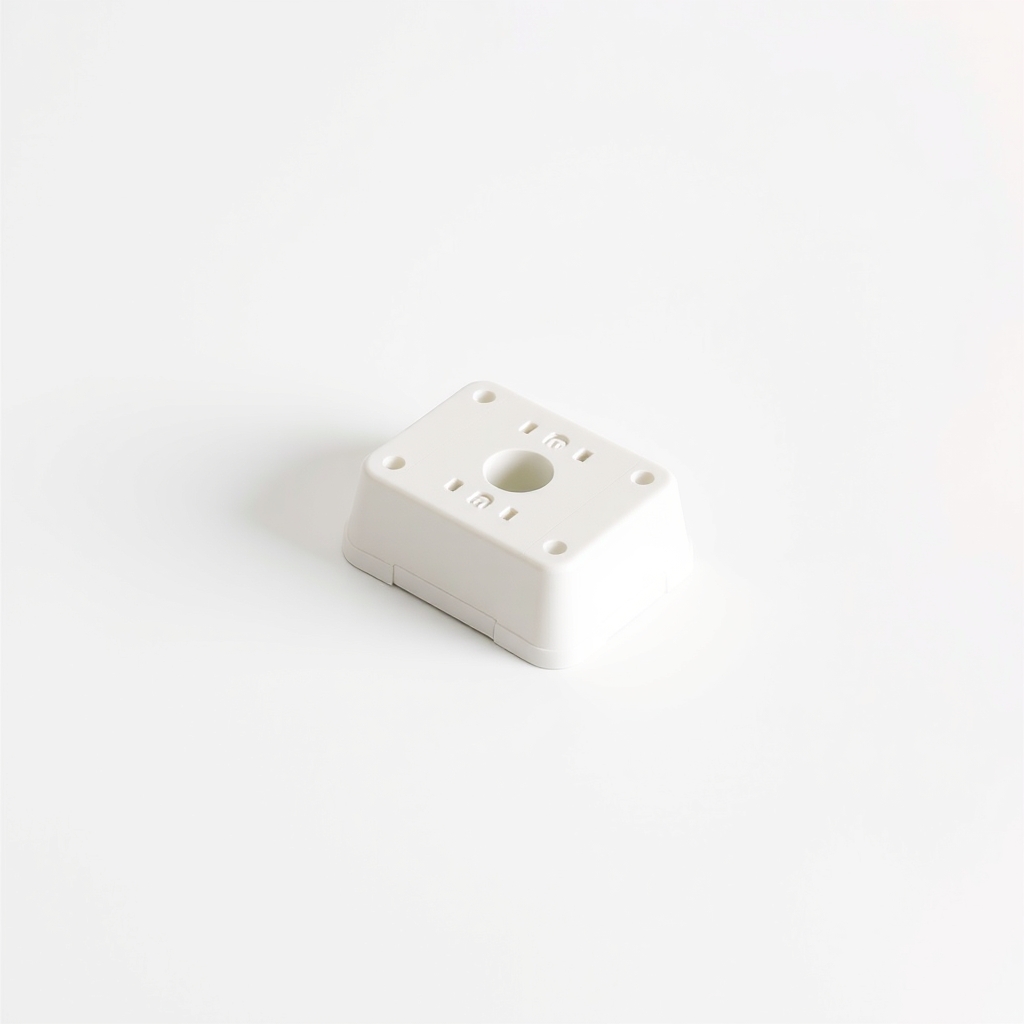
Light-duty plastic bed risers
For a twin or single bed with a light load
- Illustration

Felt or rubber floor pads
Protect a hardwood floor under each riser
Why it happens
A low-profile frame
Platform and modern frames sit only 3 to 7 inches off the floor. That is too small for most storage bins, so the gap goes unused.
A solid or box-style base
Some frames have a solid base and no real legs, so there is no gap at all. Risers can still work, but you must check the frame can take them.
Short, stubby or tapered legs
Tapered and very short legs may not fit in a standard cup riser. You may need a flat-top style or a riser made for a wider range of legs.
Try this first (free)
Do these in order, starting with the simplest.
-
Empty the bed and clear the floor
Strip the bed, take the mattress off if it is heavy, and clear what is underneath. A clear floor keeps the lift safe and shows you the real gap.
-
Measure the legs and the gap
Tool used: Tape measureNote the width and shape of each leg (round, square, tapered) and the height you want. Many risers lift about 3 to 8 inches. Measure every leg, including any center support legs.
-
Add up the weight
Add the frame, the mattress, the bedding and everyone who sleeps on it. Divide by the number of legs and check that each riser's rating is higher. Count center legs, too.
-
Lift one end at a time
Tool used: A helperNever drag the bed. With a helper, lift one end, slide a riser under each leg and lower the leg into the cup. Check each leg sits fully, then repeat at the other end.
-
Check it is level and steady
Push on the headboard and the corners. If it rocks, check that every riser is the same height and sits flat. Re-seat any leg that is not fully in its cup.
When free fixes aren't enough
There is no safe free way to raise a bed. Stacked books, bricks or wood blocks can slip or crush under the weight of a sleeper, so measuring and planning is as far as free goes. A riser is the fix. Choose ones rated well above your load, in the height you measured, and use the same type under every leg. If your frame has a solid base with no legs, ask the maker whether risers are safe. A higher bed is also harder to climb into, so allow for a step if anyone has trouble.
Buy the fix
Still stuck after the free fixes? These are the products we would look at.
| Pick | Product | Fixes | Who it's for | Buy |
|---|---|---|---|---|
| Best pick | Heavy-duty bed risers | a bed frame too low to store anything under | Anyone with a standard leg bed and a gap that is too small. | Check price |
| Budget pick | Light-duty plastic bed risers | a small lift under a lighter bed | A twin or single bed with one sleeper and a light frame. | Check price |
Heavy-duty bed risers
Fixes: a bed frame too low to store anything under
Look for: A per-riser weight rating that, across all legs, is well above your total load; A recessed cup or lip that holds each leg; A height that fits the clearance you measured; A non-slip base.
- Who it's for
- Anyone with a standard leg bed and a gap that is too small.
- Honest downside
- Your bed is a bunk or loft bed, or a child sleeps in it. Ask the maker first.
Light-duty plastic bed risers
Fixes: a small lift under a lighter bed
Look for: A rated capacity above your total load; A non-slip base and a cup for each leg; A height that fits.
- Who it's for
- A twin or single bed with one sleeper and a light frame.
- Honest downside
- You have a heavy queen or king bed, or more than one sleeper.
As an Amazon Associate I earn from qualifying purchases. We don't show prices because they change, so use the button to see today's price.
How we picked: How we picked: this page is based on bed-frame safety and weight-load guides, size and rating notes from riser makers, and the problems and fixes people report in reviews of bed risers. We do not test products by hand.
A quick weight check
Add up everything the bed carries: the frame, the mattress and the people. As an example, a 50 pound frame, a 100 pound mattress and two adults weighing 350 pounds together come to 500 pounds. Over six legs, that is about 83 pounds per leg. Choose risers rated well above that figure.
What to skip
Stacked blocks, books and stacked risers
Blocks, bricks and books can slip, crack or tip under a sleeper's weight. Stacking one riser on another adds sway. Use one riser per leg, in the right height.
Frequently asked questions
How much can bed risers lift a bed?
Are bed risers safe?
What if my bed frame is too low to the ground and has no legs?
How do I measure for risers?
Related problems
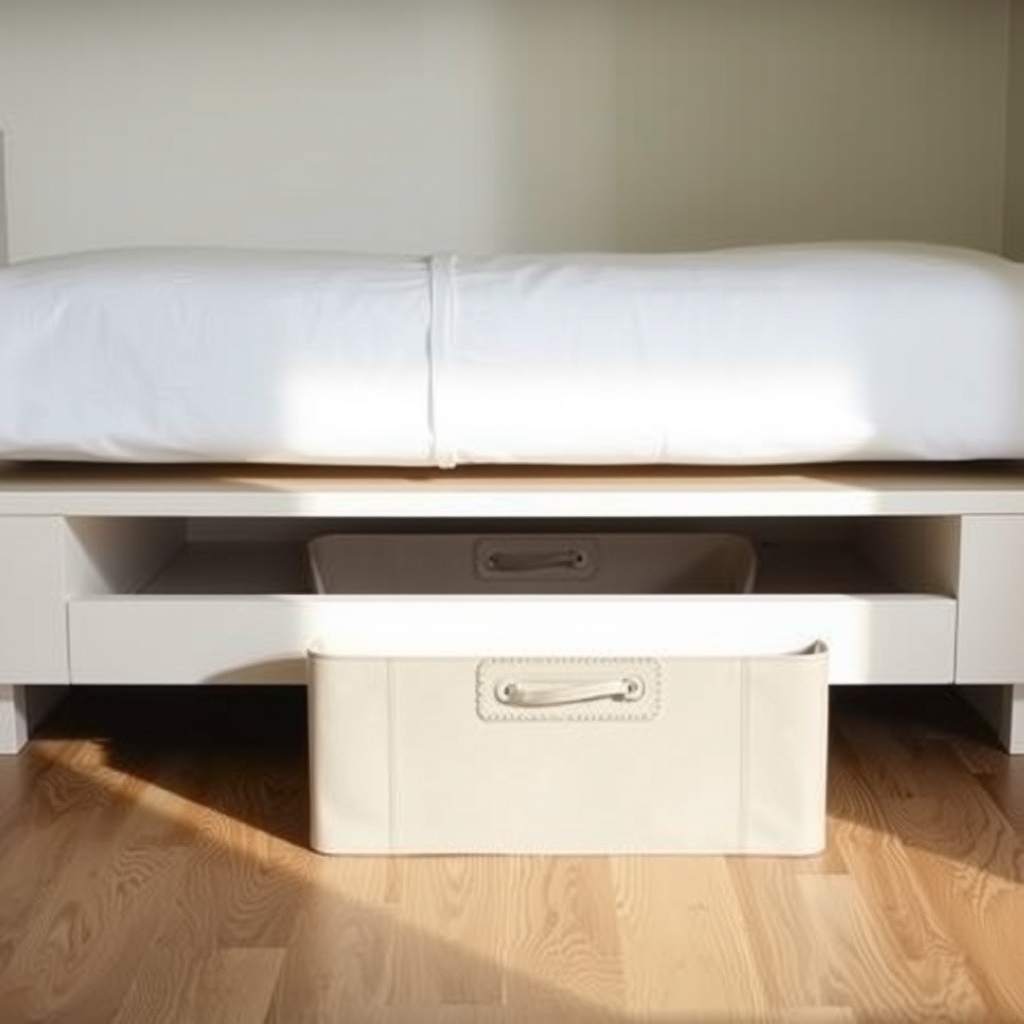 Free fix inside
Small Spaces & Storage · Under-Bed Storage
Under Bed Storage for a Very Low Bed: Slim Bins That Still Slide In
Read the fix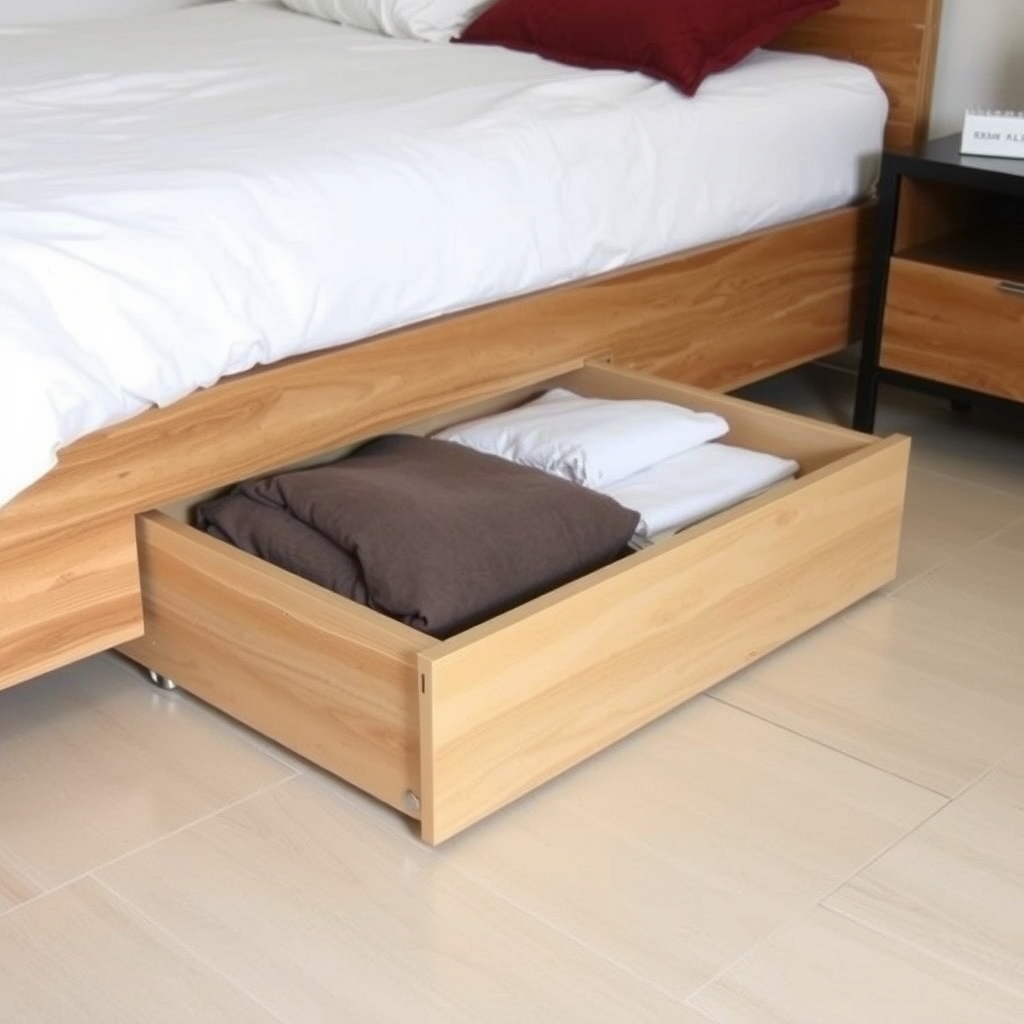 Free fix inside
Small Spaces & Storage · Under-Bed Storage
Under Bed Storage Ideas: 5 Types and the Beds They Fit
Read the fix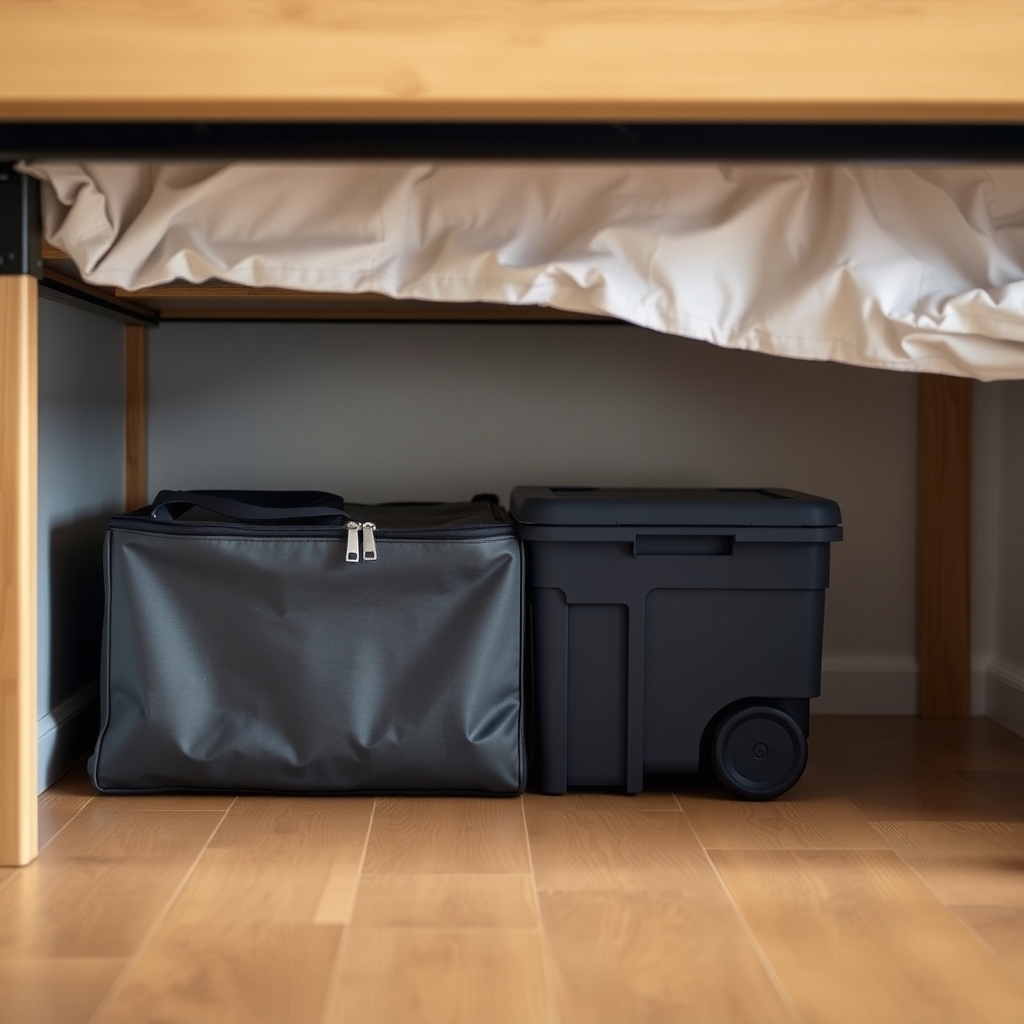 Free fix inside
Small Spaces & Storage · Under-Bed Storage
Under Bed Storage With No Dust: Zippered and Lidded Options
Read the fix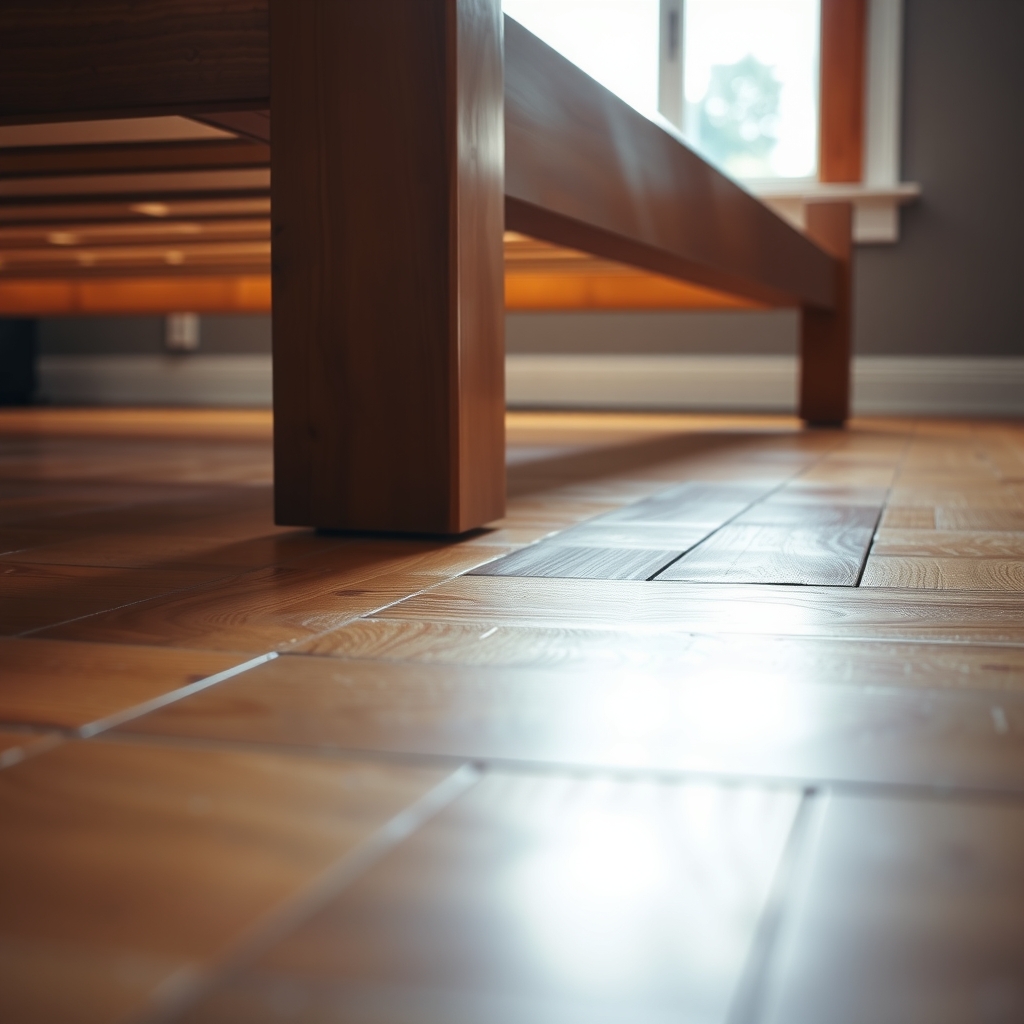 Free fix inside
Bedroom & Sleep · Bed Frame
Bed Frame Sliding on Hardwood? Grippers That Hold It Still
Read the fixAs an Amazon Associate I earn from qualifying purchases. Affiliate disclosure