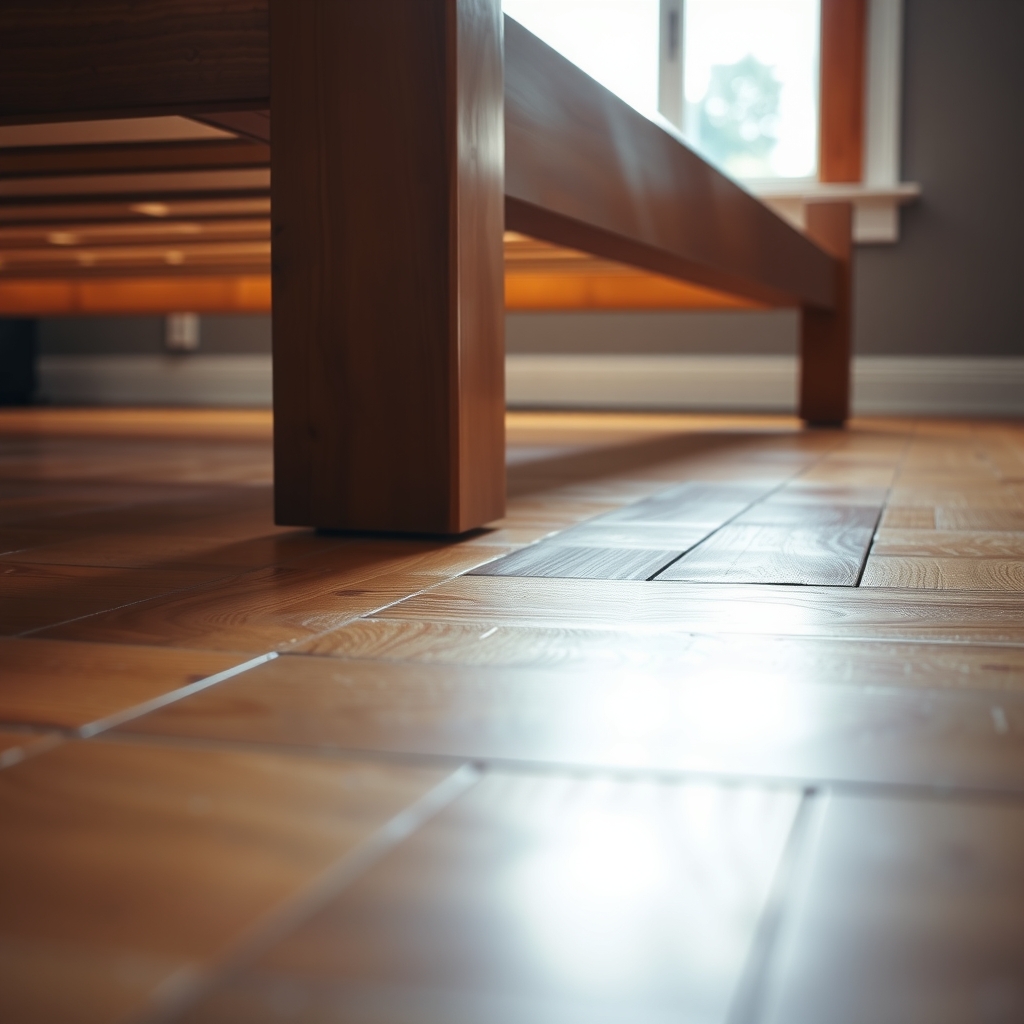
Bed Frame Sliding on Hardwood? Grippers That Hold It Still
Smooth bed legs glide on hardwood with every move. Try the free fixes, then add non-slip grippers that hold the frame still without scratching the floor.
By Jamilur Rahman Updated November 5, 2026 · 6 min read
- Time
- 15 min
- Cost
- Under $20
- Difficulty
- Easy
In this guide
Quick answer
A bed frame slides because hard, smooth feet have little grip on a slick floor, and every roll or push moves it a little. Tighten the frame bolts and push the headboard to the wall first. If it still creeps, fit non-slip pads or cups under every leg, which hold the frame without scratching the floor.
Free fix vs. permanent fix
Tight bolts, clean feet, the wall
- Tighten every bolt on the frame
- Wipe dust and polish off the floor and the feet
- Push the headboard to the wall
- Take off felt glides, which make furniture slide
How long it lasts: A few weeks to months. The bed can still slide on a slick floor once it is bumped.
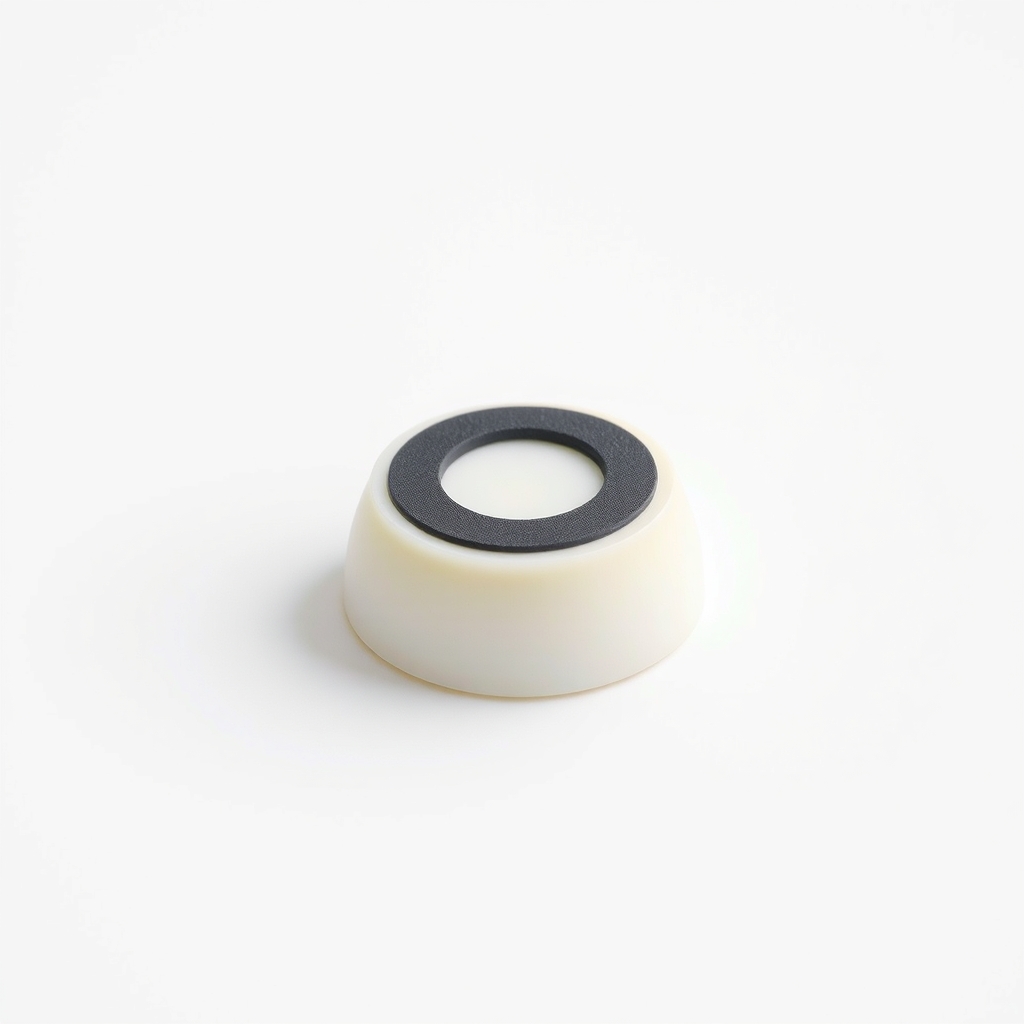
Non-slip furniture pads for the bed legs
Smooth wood or metal feet slide on hardwood, and every shove moves the bed. A grippy pad under each leg raises friction a lot, so the bed stays put, and it also protects the floor from scratches. Pads do not fix a loose frame, which is why the bolts come first.
What to get: Non-slip furniture pads or cups for bed legs
How long it lasts: Years. The rubber or silicone grips the floor, and pads are cheap to replace.
As an Amazon Associate I earn from qualifying purchases.
What you'll need
-
Allen key or wrench
To tighten the frame bolts
You have it -
Tape measure
Check the leg width before you buy pads
You have it - Our pick Illustration
Non-slip furniture pads or cups
One under every leg, including the center ones
- Illustration
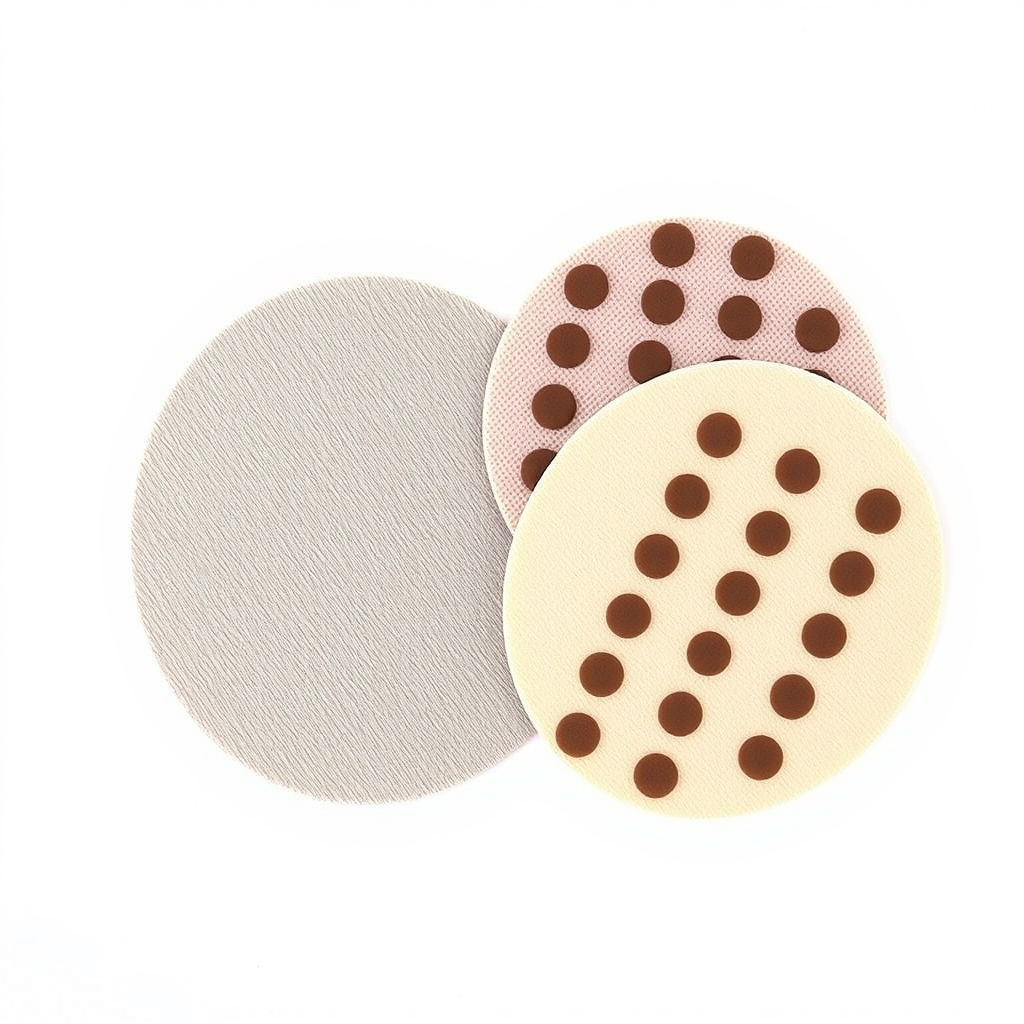
Self-adhesive non-slip rubber pads
A cheaper option for light frames with flat feet
- Illustration
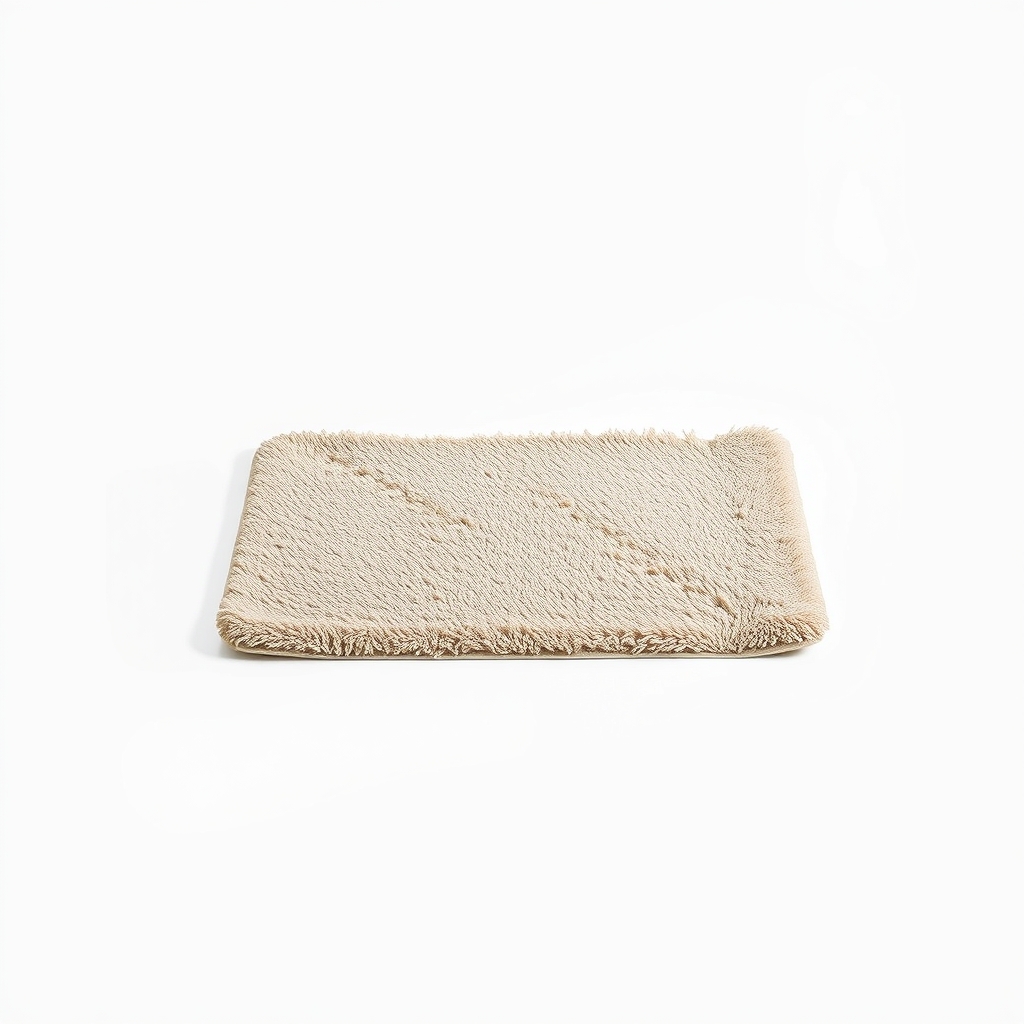
Non-slip rug pad
Goes under a rug that holds the whole frame
Why it happens
Smooth feet on a slick floor
Plastic, metal and finished wood feet have little grip on hardwood or laminate. Floor polish makes it slicker.
Loose frame bolts
When bolts loosen, the frame flexes, and the legs shift and creep with every movement.
Felt pads made to glide
Felt pads protect floors by letting furniture slide, which is the opposite of what you want under a bed. Many frames ship with them.
Pushing from the same side
Getting in and out, sitting on the edge or pushing against the wall all shove the bed in the same direction. Over weeks, the bed walks away from the wall.
Try this first (free)
Do these in order, starting with the simplest.
-
1. Tighten every bolt
Tool used: Allen key or wrenchCheck each bolt on the frame, the headboard and the side rails, and snug them with an Allen key or wrench. A frame that flexes shifts its legs.
-
2. Clean the floor and the feet
Wipe the feet and the floor under them with a damp cloth. Dust and floor polish make them slick. Pull off any felt glides.
-
3. Push the headboard to the wall
A bed against the wall can only slide one way. If the baseboard keeps it away, a small bumper or a rolled towel behind the headboard stops the banging.
-
4. Add grip under each leg
Tool used: Tape measureMeasure the width of the legs. Then lift one corner at a time, slide a pad or cup under the leg and lower it. Do every leg, including the center ones. Test one pad in a hidden spot first, since some dark rubber can mark certain finishes.
-
5. Recheck after a week
Tool used: Non-slip furniture pads or cupsPush the bed from each side and see if it moves. Check the pad position and the bolts again, since a new frame settles in.
IllustrationCheck price on AmazonTool for this step
Non-slip furniture pads or cups · One under every leg, including the center ones
When free fixes aren't enough
If the bed still creeps after the bolts are tight and the headboard is against the wall, nothing is gripping the floor, and non-slip pads are the fix. If the whole frame twists or the legs lean, the frame itself is loose or worn, and pads will not cure that. On a very slick or freshly waxed floor, a large rug with a non-slip pad under it can anchor every leg at once. If the bed is on wheels, see the related page on caster cups.
Buy the fix
Still stuck after the free fixes? These are the products we would look at.
| Pick | Product | Fixes | Who it's for | Buy |
|---|---|---|---|---|
| Best pick | Non-slip furniture pads or cups for bed legs | a bed frame gliding over smooth floors | Anyone whose bed creeps on hardwood, laminate, tile or vinyl. | Check price |
| Budget pick | Self-adhesive non-slip rubber pads | sliding on small, flat feet | Light frames with flat feet, on a budget. | Check price |
| Upgrade pick | Non-slip rug pad | sliding on very slick floors, and scratches | People who also want a rug under the bed, or who have a wide frame. | Check price |
Non-slip furniture pads or cups for bed legs
Fixes: a bed frame gliding over smooth floors
Look for: A recessed cup or a pad wider than the leg, so the foot sits in it; A grippy rubber or silicone bottom on the floor side; A weight rating that covers the bed plus sleepers; A non-marking or floor-safe material for hardwood.
- Who it's for
- Anyone whose bed creeps on hardwood, laminate, tile or vinyl.
- Honest downside
- Your frame has wheels, since those need caster cups, or you cannot lift the bed to place pads. Also skip very soft pads under a heavy bed, since they squash.
Self-adhesive non-slip rubber pads
Fixes: sliding on small, flat feet
Look for: A flat adhesive backing that sticks to the foot; Thick enough to grip the floor; A size that covers the whole foot.
- Who it's for
- Light frames with flat feet, on a budget.
- Honest downside
- The bed is heavy or the legs are round. The adhesive can peel and the pad shifts.
Non-slip rug pad
Fixes: sliding on very slick floors, and scratches
Look for: A felt-and-rubber or natural rubber blend labeled safe for hardwood; Thick enough to grip, but not so thick the bed wobbles; A size you can cut so every leg sits fully on it.
- Who it's for
- People who also want a rug under the bed, or who have a wide frame.
- Honest downside
- The pad is not labeled floor-safe. Some plastic or rubber pads can stain finishes.
As an Amazon Associate I earn from qualifying purchases. We don't show prices because they change, so use the button to see today's price.
How we picked: How we picked: this page is based on furniture and floor care guides, product instructions from pad makers, and the problems and fixes people report in reviews. We do not test products by hand.
Measure the leg before you buy
- Round legs: measure the diameter at the foot.
- Square legs: measure the width of each side.
- Wide or flat feet: a flat pad suits these better than a cup.
A cup should fit the leg with a little room, and a pad should be a bit wider than the foot.
Sliding is not the same as wobbling
If the frame shakes or twists when you move, the bolts are loose or the frame is worn. Pads will not fix that. See the related page on a bed frame that keeps coming loose.
What to skip
Felt glides, and cheap dark rubber on a finished floor
Felt makes furniture slide, so it is the wrong choice under a bed that needs to stay put. Some cheap dark rubber can leave marks on a floor finish over time. Choose non-marking pads and look under one after a few weeks.
Frequently asked questions
Why does my bed frame keep sliding away from the wall?
Will non-slip pads scratch my hardwood?
How many grippers do I need?
Can I use a rug instead of pads?
Related problems
 Free fix inside
Bedroom & Sleep · Bed Frame
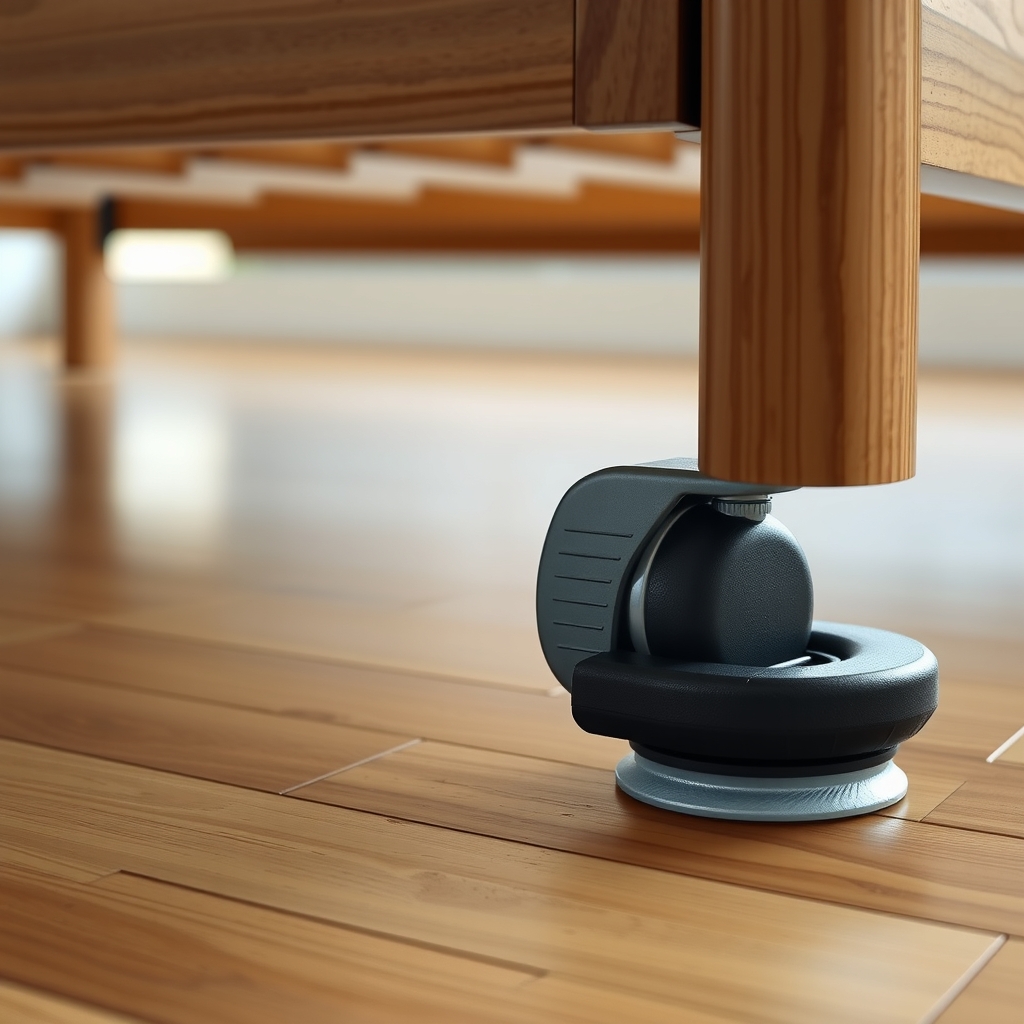
Bed Frame Wheels Rolling Away? Caster Cups That Lock It In
Read the fix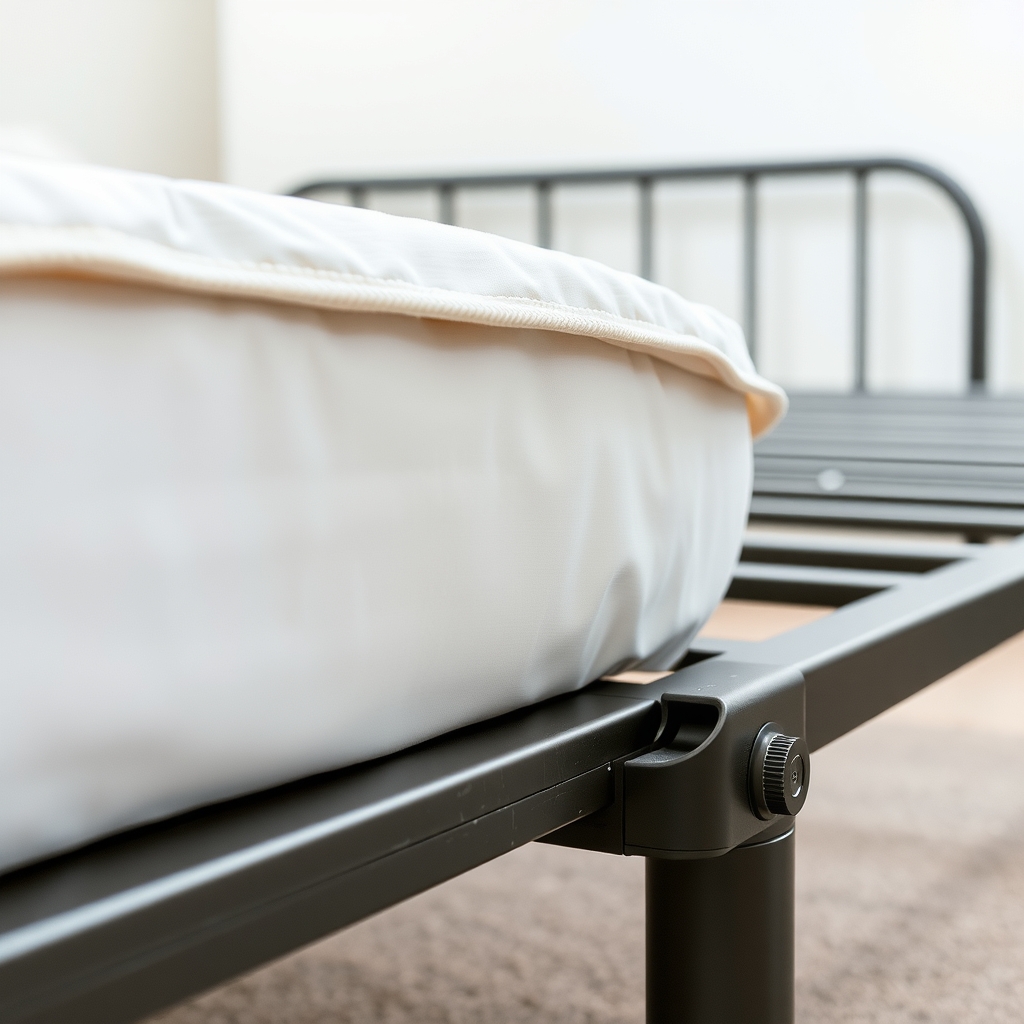 Free fix inside
Bedroom & Sleep · Mattress
Mattress Keeps Sliding? 3 Fixes That Work on Any Bed Frame
Read the fix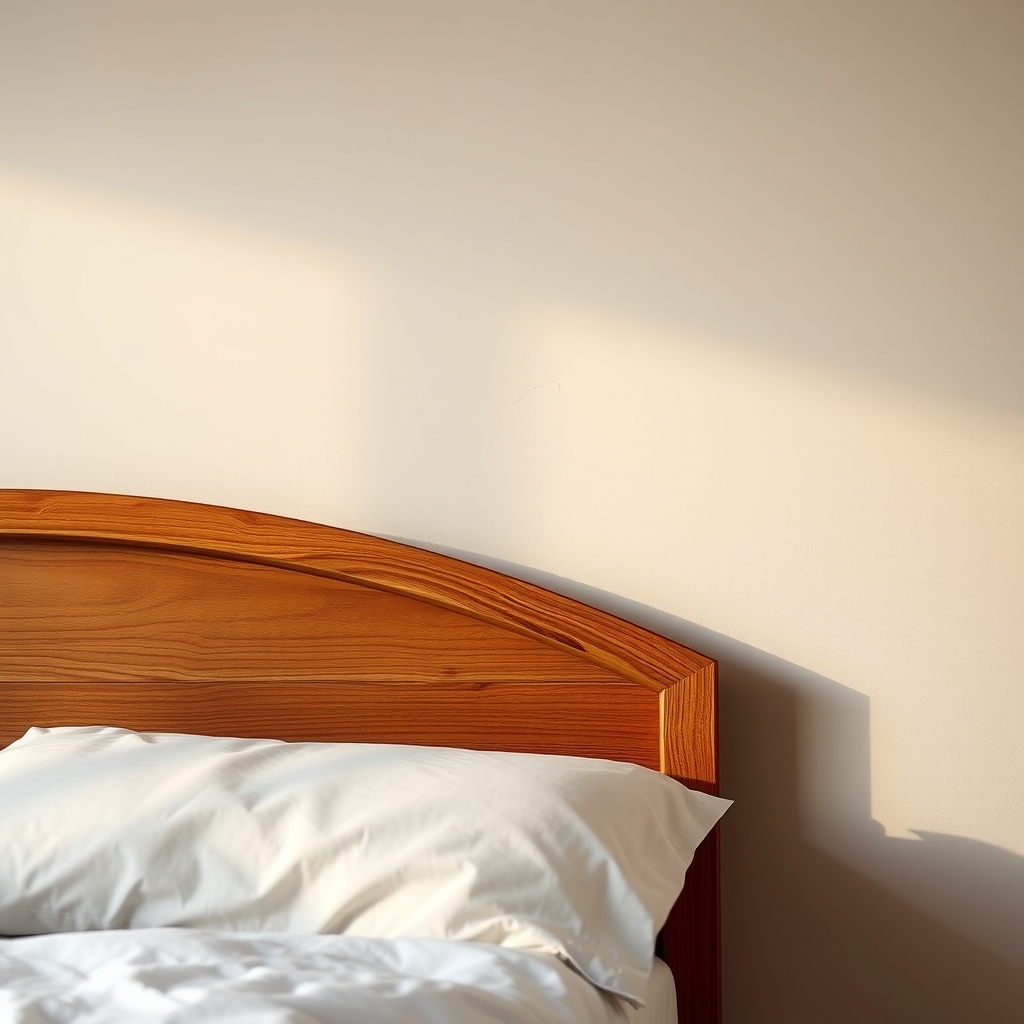 Free fix inside
Bedroom & Sleep · Bed Frame
Headboard Banging the Wall? How to Stop the Thumping
Read the fixAs an Amazon Associate I earn from qualifying purchases. Affiliate disclosure