Kitchen Drawer Front Came Off? Reattach It With the Right Brackets
A drawer front comes off when its screws strip out of soft board. Re-glue it today, then add brackets so the front stays on for good.
By Jamilur Rahman Updated November 5, 2026 · 7 min read
- Time
- 30 min plus glue drying
- Cost
- Under $20
- Difficulty
- Easy
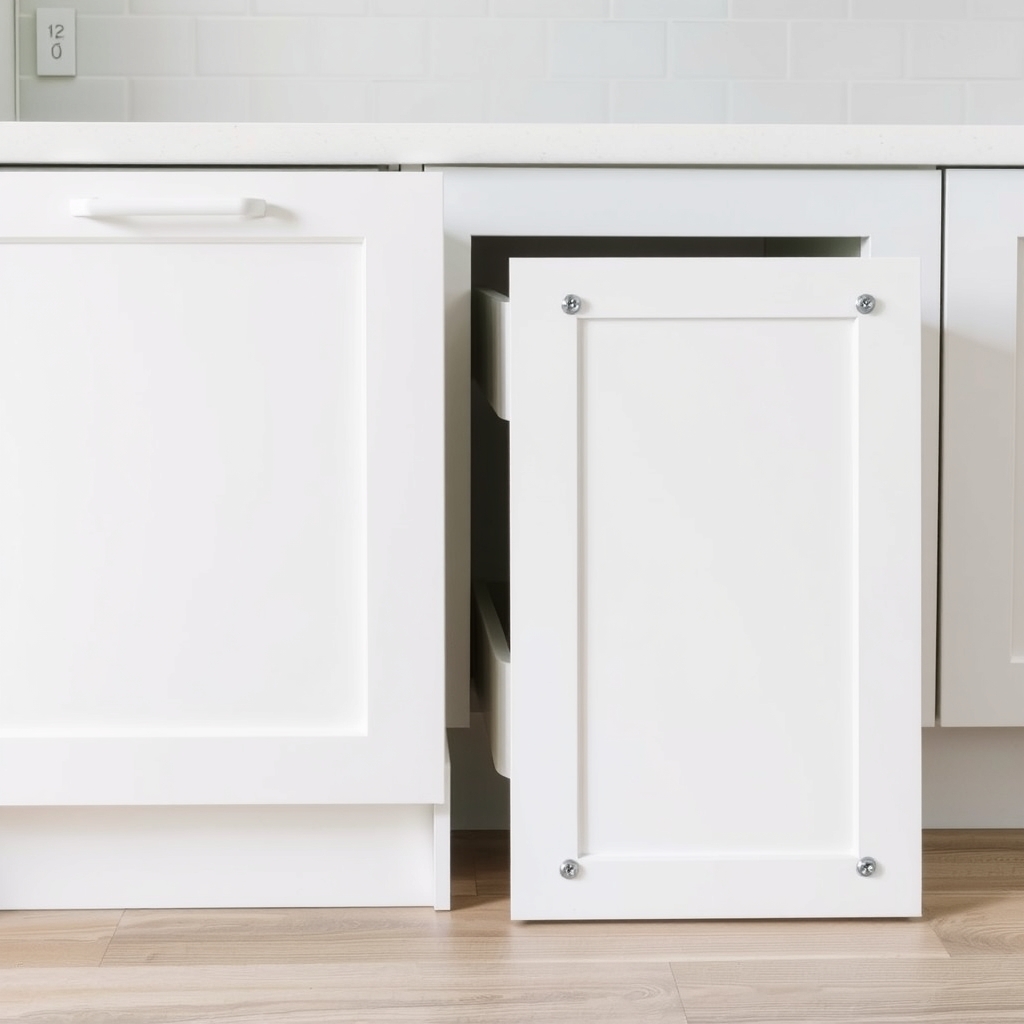
In this guide
Quick answer
To fix a kitchen drawer front that is off, find out why it let go: usually the screws stripped out of soft board. Pack the holes with glued toothpicks, re-glue the front and screw it back on. Then add drawer front repair brackets, which give the screws fresh wood to grip so the front stays on after the glue ages.
Free fix vs. permanent fix
Glue, toothpicks and the original screws
- Pack stripped holes with glue and toothpicks
- Spread wood glue where the front meets the box
- Hold the front in place with painter's tape
- Drive the original screws by hand, snug but not tight
How long it lasts: Often a year or more on a light drawer. On a drawer that gets yanked and loaded every day, the glued holes crumble again.
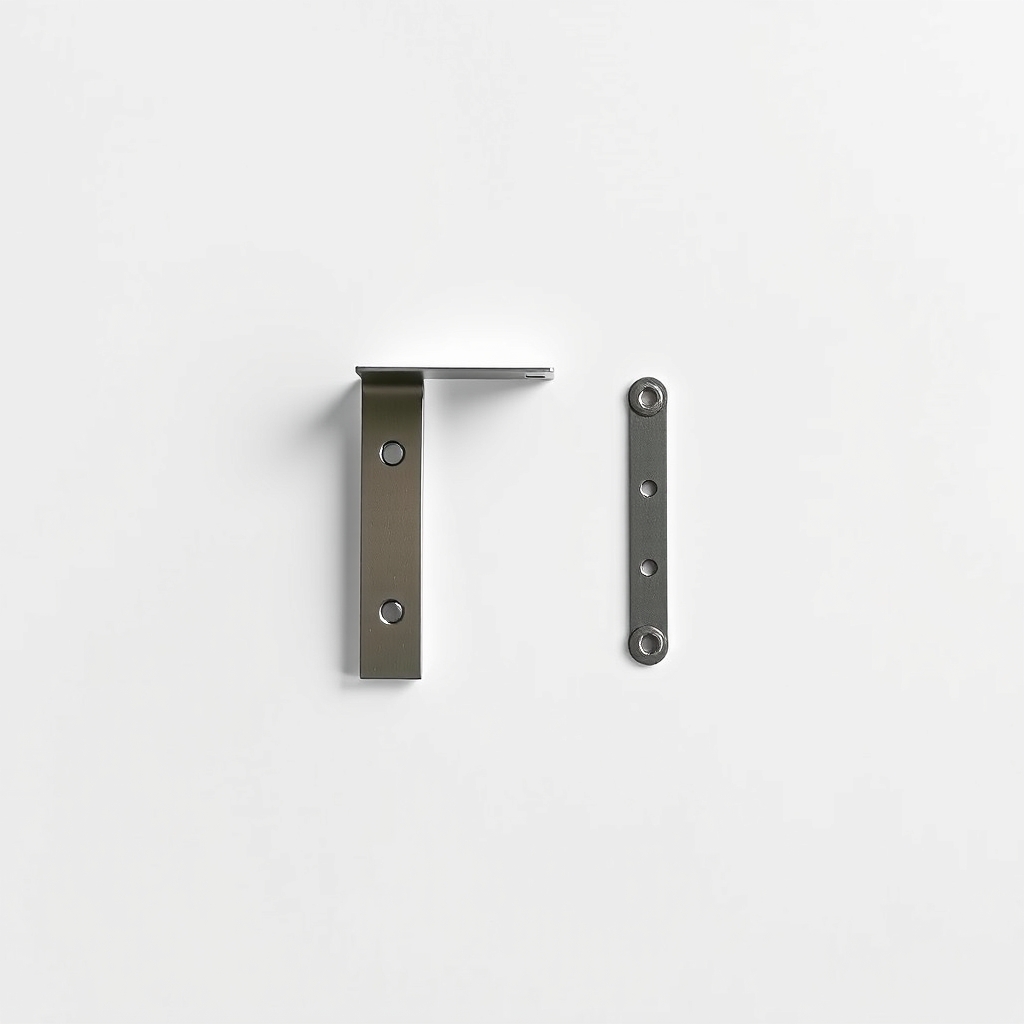
Drawer front repair brackets
Most fronts come off because screws pull out of particleboard or MDF, and a glued toothpick is only as strong as the soft board around it. Brackets spread the load over more screws and give them new wood to bite into. The glue steps fix today's failure. The brackets stop the repeat.
How long it lasts: Years. The pull is shared across metal and fresh screw holes instead of crumbled board.
As an Amazon Associate I earn from qualifying purchases.
What you'll need
-
Screwdriver
Use a hand screwdriver, since a drill strips soft board fast
You have it -
Wooden toothpicks
They rebuild a stripped screw hole
Free -
Painter's tape
Holds the front in place while the glue sets
You have it - Illustration
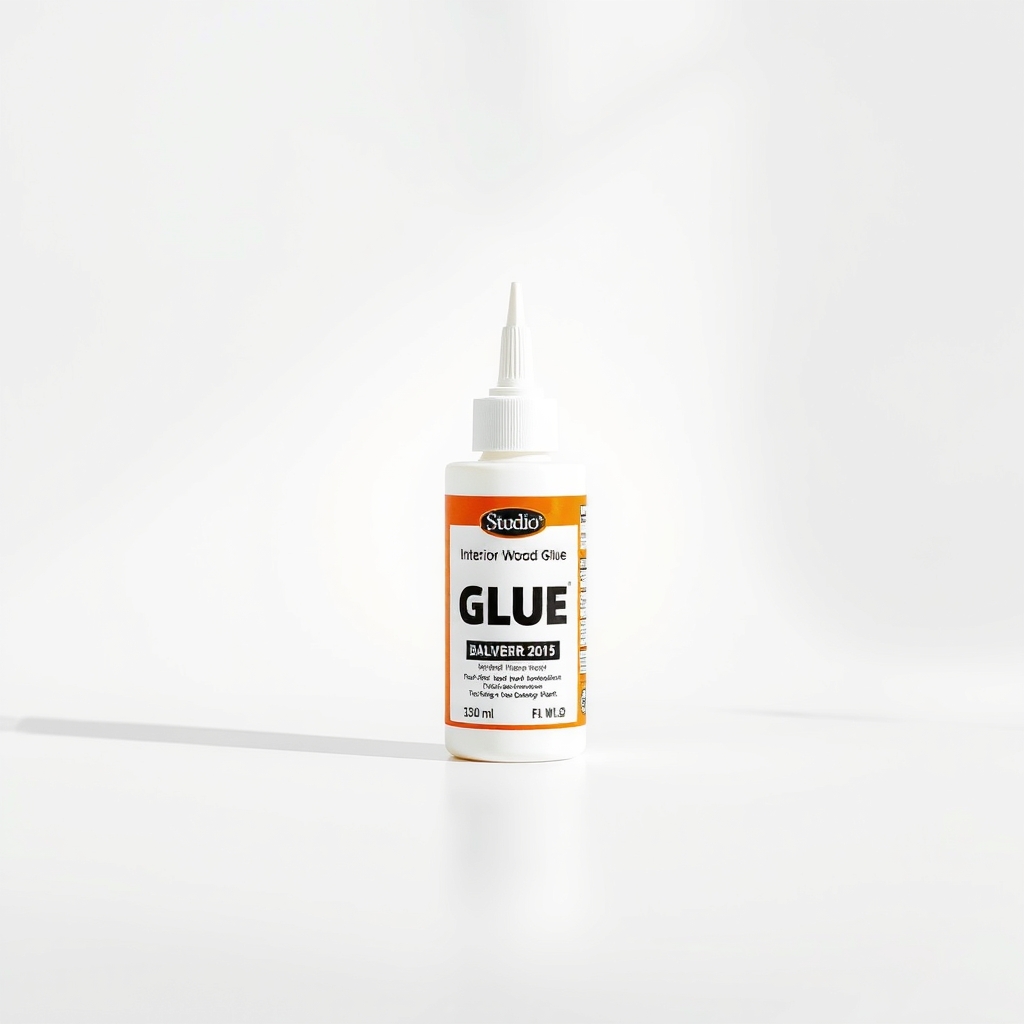
Wood glue
Plain interior wood glue is enough
- Our pick Illustration
Drawer front repair brackets
Check the screw length before you drive them in
Why it happens
Screws pulled out of soft board
Most fronts are held by a few screws that run into particleboard or MDF. Each yank on the drawer chews the threads a little more. In the end the hole is smooth and the screw has nothing to grip.
Slamming and heavy loads
Slamming a drawer shut, or filling it with pots and tools, shocks the joint every time. Older fronts also loosen as the glue ages.
Dowels or glue that failed
Some fronts are held by wooden dowels and glue. Damp near the sink or heat from the stove can weaken the glue until the joint lets go.
Wood that has split
If the wood around a screw hole has cracked, a new screw has nothing solid to hold. That repair needs glue and a brace before it needs screws.
Try this first (free)
Do these in order, starting with the simplest.
-
Empty and remove the drawer
Lift the drawer out of its slides and set it on a towel. Check how the front was attached: screws from inside the box, dowels, or both. Look for splits and crumbled holes.
-
Mark the position
Tool used: Painter's tapeHold the front against the box and look at the gap around it. Aim for an even gap of about 1/8 inch on all four sides. Run painter's tape across the join so you can set the front back in the same spot.
-
Rebuild stripped screw holes
Tool used: Wooden toothpicksDip two or three toothpicks in wood glue, push them into each stripped hole and snap them off flush. Wait an hour. The screw now bites into fresh wood.
-
Glue and screw the front back on
Tool used: Wood glueSpread a thin layer of wood glue where the front meets the box. Set the front on your tape marks and turn the screws by hand until snug. Do not overtighten, or you strip the hole again. Wipe off squeezed-out glue with a damp rag.
IllustrationCheck price on AmazonTool for this step
Wood glue · Plain interior wood glue is enough
-
Add brackets for the lasting fix
Tool used: Drawer front repair bracketsFit each bracket where it can grip solid wood: one side screwed into the drawer box, the other into the back of the front. Most fronts are about 3/4 inch thick, so choose screws that cannot poke through the face. Use two brackets on a narrow drawer and four on a wide one.
IllustrationCheck price on AmazonTool for this step
Drawer front repair brackets · Check the screw length before you drive them in
When free fixes aren't enough
If the front comes loose again within weeks, the holes are too chewed for glue and toothpicks to hold. That is common on drawers that hold heavy pots, or on fronts with a big handle that gets yanked. Brackets share the load across more screws and fresh wood. If the front itself is split, glue and clamp the crack first. If the drawer box has cracked sides or a loose bottom, fix that before anything else. A front that is cracked in several places needs a new front, which a cabinet shop can cut to size.
Buy the fix
Still stuck after the free fixes? These are the products we would look at.
| Pick | Product | Fixes | Who it's for | Buy |
|---|---|---|---|---|
| Best pick | Drawer front repair brackets | a drawer front pulling off because the screw holes are stripped | Anyone whose drawer front has come off once and wants it to stay on, especially on pot, tool and cutlery drawers. | Check price |
| Budget pick | Interior wood glue | a front that came off cleanly while its screw holes are still firm | Anyone with a light drawer, like a spice or napkin drawer, where the holes are still solid. | Check price |
Drawer front repair brackets
Fixes: a drawer front pulling off because the screw holes are stripped
Look for: Steel, not thin plastic; Pre-drilled holes, with short screws included; A size that fits inside your drawer box; Sold in a set of four or more.
- Who it's for
- Anyone whose drawer front has come off once and wants it to stay on, especially on pot, tool and cutlery drawers.
- Honest downside
- The front or the box is split or crumbling. Repair the wood first, or the brackets have nothing solid to hold.
Interior wood glue
Fixes: a front that came off cleanly while its screw holes are still firm
Look for: Labeled for wood, with a clamp time on the label; Dries tan or clear and can be wiped clean when wet; Strong enough for furniture joints.
- Who it's for
- Anyone with a light drawer, like a spice or napkin drawer, where the holes are still solid.
- Honest downside
- The screw holes are crumbled. Glue alone will not hold a front that gets pulled every day.
As an Amazon Associate I earn from qualifying purchases. We don't show prices because they change, so use the button to see today's price.
How we picked: How we picked: this page is based on cabinet and furniture repair guides, hardware instructions for drawer fronts and brackets, and the problems and fixes people report in reviews. We do not test products by hand.
Look first: how is your front attached?
- Screws from inside the box: the most common setup. Rebuild the holes, re-glue and add brackets.
- Slotted screw holes or adjusters: loosen, slide the front level, then tighten. Brackets are still a good backup.
- Dowels and glue: pull out the broken dowel stubs, glue in new dowels and clamp the front square overnight.
- Front is part of the box (dovetail joints): this needs a glued joint, not brackets. Clamp it square while it dries.
What to skip
Longer screws, filler putty and super glue alone
A longer screw seems clever, but its tip pokes out through the face of the front. Wood filler on its own has no strength, so a screw pulls out of it just as easily. And super glue alone snaps under the yank of a drawer being opened.
Frequently asked questions
How do I fix a kitchen drawer face that is loose or crooked?
Can I just use bigger screws?
How long before I can use the drawer again?
Is it worth replacing the whole drawer?
Related problems
 Free fix inside
Small Spaces & Storage · Kitchen Drawer
How to Fix a Kitchen Drawer Bottom That's Sagging or Fallen Out
Read the fix Free fix inside
Small Spaces & Storage · Kitchen Drawer
Kitchen Drawer Keeps Falling Off Track? Reset It or Replace the Slides
Read the fix Free fix inside
Small Spaces & Storage · Kitchen Drawer
Kitchen Drawer Keeps Opening? Level It, Then Add a Catch
Read the fix Free fix inside
Small Spaces & Storage · Kitchen Drawer
Kitchen Drawer Not Sliding Smoothly? A Clean and Wax Often Fix It
Read the fixAs an Amazon Associate I earn from qualifying purchases. Affiliate disclosure