Dog Hair Shedding Everywhere? Deshedding Tools That Earn Their Keep
You cannot stop a healthy dog from shedding, but you can catch the loose coat before it hits the floor. Brush first, then add a deshedding tool.
By Jamilur Rahman Updated November 5, 2026 · 6 min read
- Time
- 15 min a week
- Cost
- Under $20
- Difficulty
- Easy
In this guide
Quick answer
You cannot fully stop dog hair shedding, but you can cut the hair on your floors a lot. Brush your dog two or three times a week with a brush or comb, give a bath now and then, and ask your vet about diet. A deshedding tool reaches the loose undercoat that an ordinary brush misses, so it pulls out hair that would otherwise end up on the couch.
Free fix vs. permanent fix
Regular brushing and a bath
- Brush two or three times a week with any brush or comb
- Brush outdoors or over a sheet to catch the hair
- Bathe and towel-dry when the coat gets heavy
- Check diet, water and vet visits
How long it lasts: Cuts shedding for a few days at a time. You have to keep it up every week.
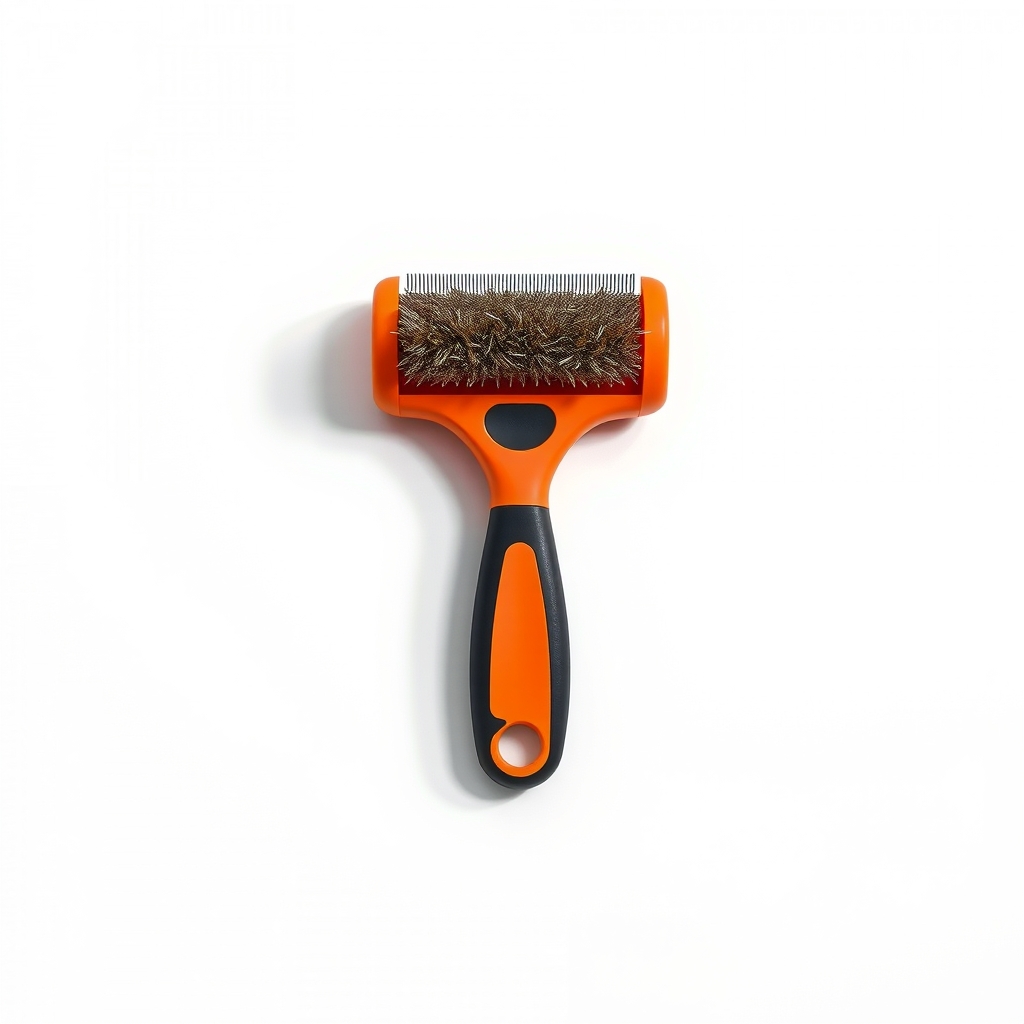
A dog deshedding tool
A standard brush mostly skims the topcoat. A deshedding tool has fine teeth or a bladed edge that reaches the loose undercoat underneath. That is where most of the hair on your couch comes from.
What to get: Dog deshedding tool
How long it lasts: Years. The tool is reusable, and a short session each week removes loose undercoat before it falls out.
As an Amazon Associate I earn from qualifying purchases.
What you'll need
-
Any dog brush or comb
Use what you already own for the first week
You have it -
Old bed sheet or towel
Lay it under the dog to catch the hair
Free - Our pick Illustration
Dog deshedding tool
Pick the right size and edge for your dog's coat
- Illustration
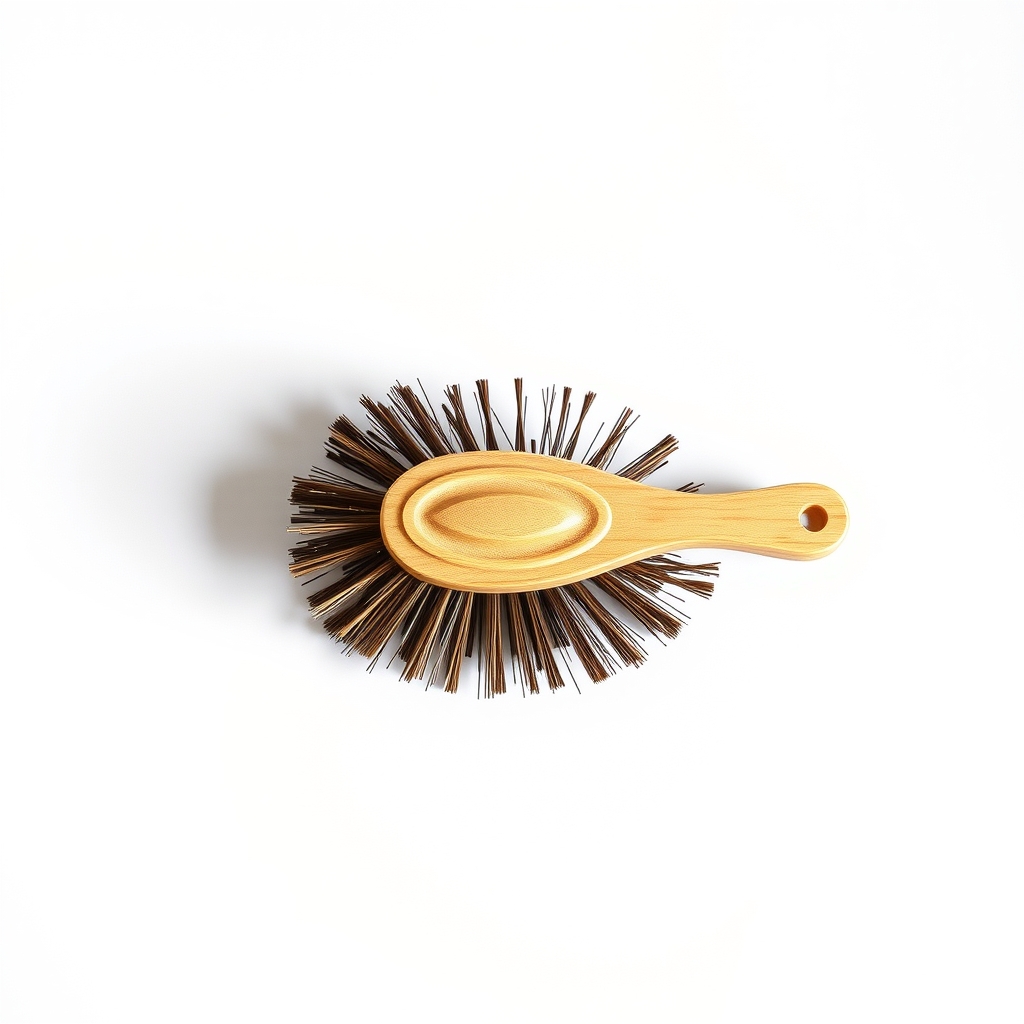
Rubber curry brush
Gentle option for short coats and bath time
- Illustration
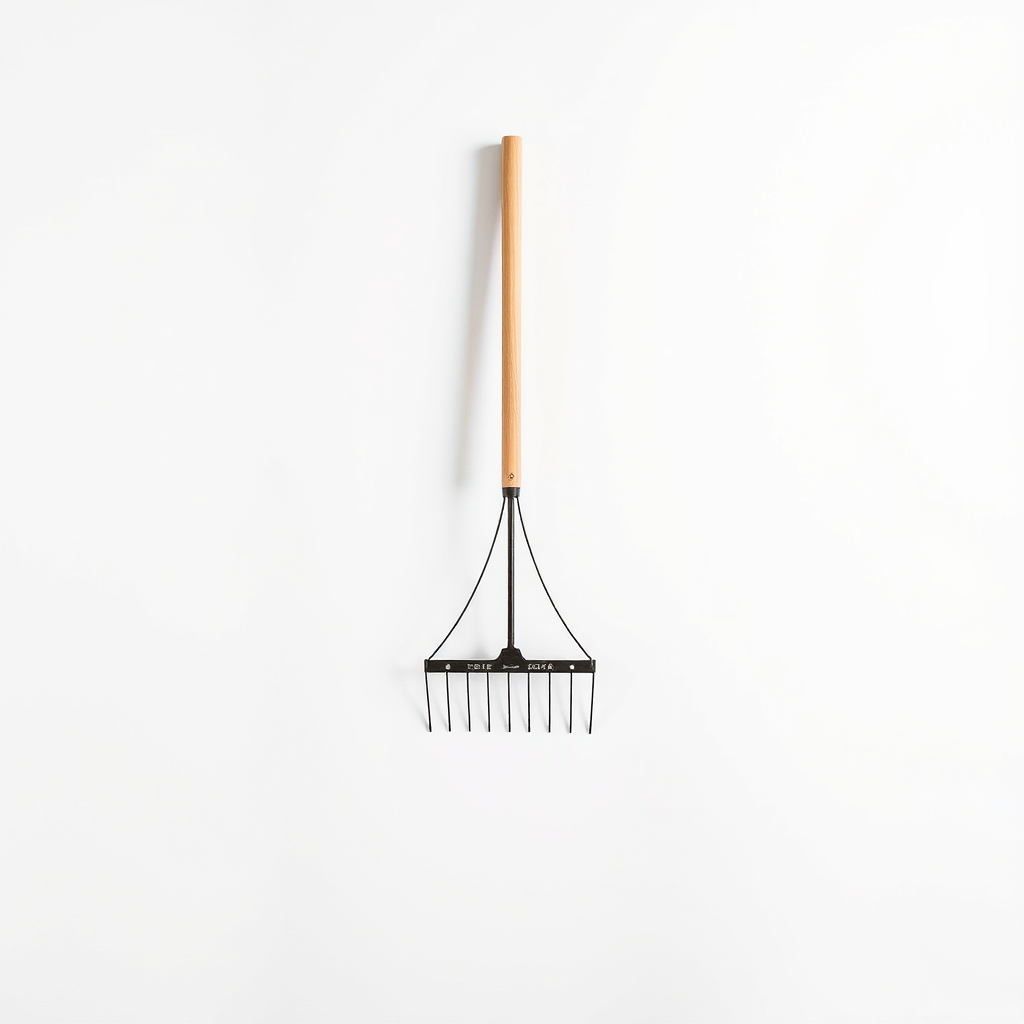
Undercoat rake
For thick, double-coated dogs
Why it happens
Normal shedding and the seasons
Most dogs shed all year, and many shed heavily in spring and fall. Double-coated breeds can drop their undercoat in big clumps.
Breed and coat type
Labs, shepherds, huskies, retrievers and many other breeds have a thick undercoat. Short, dense coats shed more than people expect.
Diet, dry skin or an unclean coat
A poor diet, dry skin or a coat with dirt and loose hair stuck in it can cause more shedding. Ask your vet about food and skin care.
Stress, age or a health problem
Stress, parasites, allergies and illnesses such as thyroid problems can cause heavy or patchy hair loss. This is different from normal shedding.
Try this first (free)
Do these in order, starting with the simplest.
-
Brush on a schedule
Tool used: Any dog brush or combBrush two or three times a week, and daily in heavy shedding season. Use whatever brush or comb you already have. Short, calm sessions with a treat work best.
-
Brush outside or over a sheet
Tool used: Old bed sheet or towelPut your dog on an old sheet or take the job outdoors. This keeps hair off your floor and makes cleanup fast.
-
Bathe when the coat is heavy
A bath with dog shampoo helps loosen dead hair. Rinse well and towel-dry, then brush while the coat is still slightly damp. Do not bathe too often, since it can dry out the skin.
-
Use a deshedding tool on the undercoat
Tool used: Dog deshedding toolOnce the coat is dry, brush in the direction of hair growth with light pressure, in sessions of 10 to 15 minutes. Stop before the skin looks red or the coat looks thin. Do not use it on a wet or matted coat.
IllustrationCheck price on AmazonTool for this step
Dog deshedding tool · Pick the right size and edge for your dog's coat
-
Check diet and see your vet
Ask your vet whether the food is right for your dog. If shedding is heavy and out of season, or the skin looks bad, get it checked.
When free fixes aren't enough
Brushing helps, but a regular brush works on the top of the coat. If you brush and still find hair on every surface, the undercoat is where it is coming from, and a deshedding tool reaches that layer. For a double-coated dog in shedding season, it can remove a surprising amount of hair in one session. Be gentle. Overdoing it can irritate skin. Call the vet if you see bald patches, red or flaky skin, constant scratching, a dull coat or hair loss that starts suddenly. Do not shave a double-coated dog without advice from a groomer.
Buy the fix
Still stuck after the free fixes? These are the products we would look at.
| Pick | Product | Fixes | Who it's for | Buy |
|---|---|---|---|---|
| Best pick | Dog deshedding tool | loose undercoat that ends up on the floors and furniture | Owners of dogs with medium to thick coats, especially double-coated breeds, who brush weekly. | Check price |
| Budget pick | Rubber curry brush | loose hair on short-coated dogs and at bath time | Owners of short-haired dogs, or dogs that dislike metal brushes. | Check price |
| Upgrade pick | Undercoat rake | heavy undercoat that other brushes cannot get through | Owners of big, thick-coated breeds in heavy shedding season. | Check price |
Dog deshedding tool
Fixes: loose undercoat that ends up on the floors and furniture
Look for: A size chosen for your dog, such as small, medium or large; Rounded teeth or a safe edge that will not scratch the skin; A comfortable handle that does not slip; A release button or easy way to clear the hair.
- Who it's for
- Owners of dogs with medium to thick coats, especially double-coated breeds, who brush weekly.
- Honest downside
- Your dog has a single, silky or curly coat, or skin problems. Check with a groomer or vet first.
Rubber curry brush
Fixes: loose hair on short-coated dogs and at bath time
Look for: Soft rubber nubs that will not scratch; A grip that fits your hand; Washable and safe to use wet.
- Who it's for
- Owners of short-haired dogs, or dogs that dislike metal brushes.
- Honest downside
- Your dog has a thick double coat. A curry brush will not reach the undercoat.
Undercoat rake
Fixes: heavy undercoat that other brushes cannot get through
Look for: Long rounded teeth for thick coats; A comfortable handle; A size that fits your dog.
- Who it's for
- Owners of big, thick-coated breeds in heavy shedding season.
- Honest downside
- Your dog has a short coat. A rake is more than you need.
As an Amazon Associate I earn from qualifying purchases. We don't show prices because they change, so use the button to see today's price.
How we picked: How we picked: this page is based on groomer and veterinary guidance on shedding and coat care, product instructions from brush makers, and the problems and fixes people report in reviews. We do not test products by hand.
Which tool fits which coat
- Short, smooth coat: rubber curry brush, used dry or at bath time.
- Medium or thick double coat: deshedding tool or undercoat rake.
- Long or silky coat: slicker brush and comb, with a gentler deshedding tool used lightly.
- Curly coat: ask a groomer. Deshedding tools can pull on curls.
What to skip
Shaving a double-coated dog
Shaving a double-coated dog does not stop shedding and can harm the coat's ability to protect the skin from sun and heat. The coat may grow back in patches. Brush out the undercoat instead and ask a groomer for advice.
Frequently asked questions
Why is my dog hair shedding so much?
Why does my dog's hair shed so much all year?
How can I stop dog hair fall in the house?
How often should I use a deshedding tool?
Related problems
 Free fix inside
Pets · Dog Grooming
Dog Hair Matting? A Dematting Rake and What Not to Cut
Read the fix Free fix inside
Pets · Pet Hair
Dog Hair Getting Everywhere? Vacuums That Don't Clog on Fur
Read the fix Free fix inside
Pets · Pet Hair
Dog Hair Tool for Carpet: The Rake That Beats Your Vacuum
Read the fix Free fix inside
Pets · Cat Grooming
Cat Hair Shedding Everywhere? The Brush Cats Actually Tolerate
Read the fixAs an Amazon Associate I earn from qualifying purchases. Affiliate disclosure