Cat Hair Shedding Everywhere? The Brush Cats Actually Tolerate
Cats shed year-round, and some hate the brush. Start with short, gentle sessions, then add a soft deshedding brush most cats will put up with.
By Jamilur Rahman Updated November 5, 2026 · 6 min read
- Time
- 10 min a week
- Cost
- Under $20
- Difficulty
- Easy
In this guide
Quick answer
To stop cat hair shedding everywhere, brush your cat a few minutes at a time, a few times a week, and stroke with slightly damp hands to lift loose fur. You cannot stop shedding, but you can catch the hair before it lands on the couch. A soft deshedding brush works best for cats that hate stiff wire bristles, because it pulls loose undercoat without tugging.
Free fix vs. permanent fix
Short sessions and damp hands
- Stroke with slightly damp hands to lift loose fur
- Brush for 2 to 5 minutes, then stop on a good note
- Reward with a treat or play
- Wipe with a damp cloth if the coat is dusty
How long it lasts: A few days. You have to repeat it, and cats get bored fast.
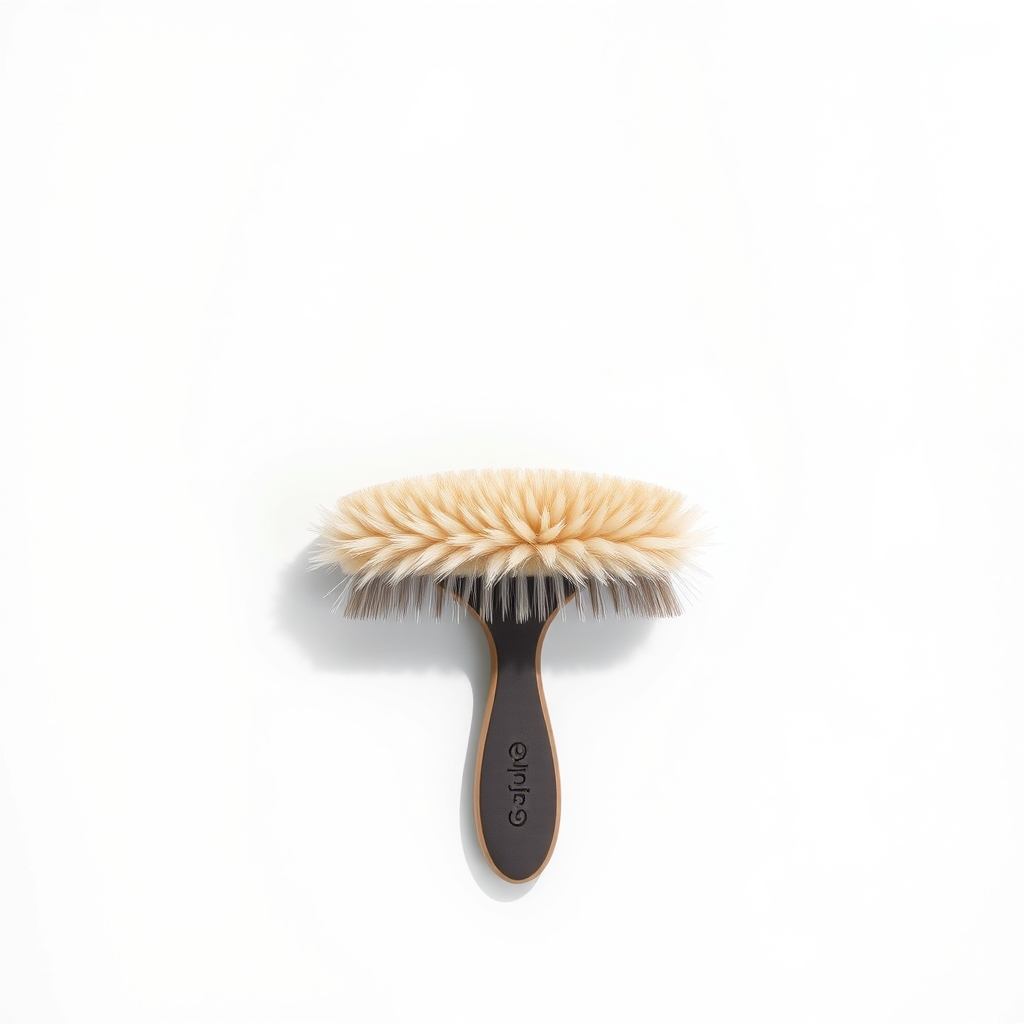
A soft deshedding brush for cats
Stiff wire brushes tug, and many cats refuse them. A soft brush with rounded teeth or flexible bristles reaches loose undercoat without pulling, so more cats put up with it. The more often you can brush, the less hair ends up on your furniture.
What to get: Soft deshedding brush for cats
How long it lasts: Years. A gentle brush you can use weekly keeps the loose undercoat in check.
As an Amazon Associate I earn from qualifying purchases.
What you'll need
-
Damp hands or a damp washcloth
Lifts loose fur and gets your cat used to being touched
Free -
Cat treats
A reward after each session
You have it - Our pick Illustration
Soft cat deshedding brush
Rounded teeth or soft bristles, sized for a cat
- Illustration
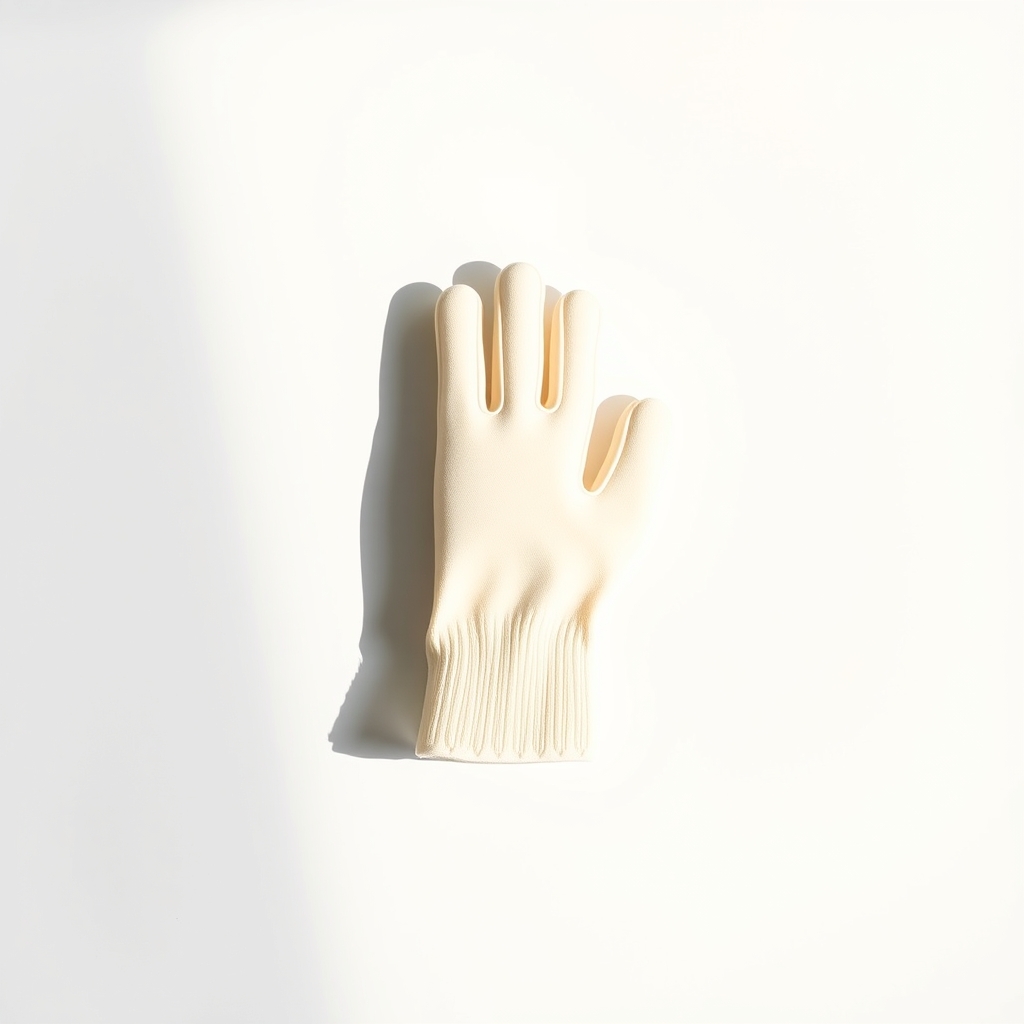
Soft rubber grooming glove
Feels like petting, a good start for nervous cats
- Illustration
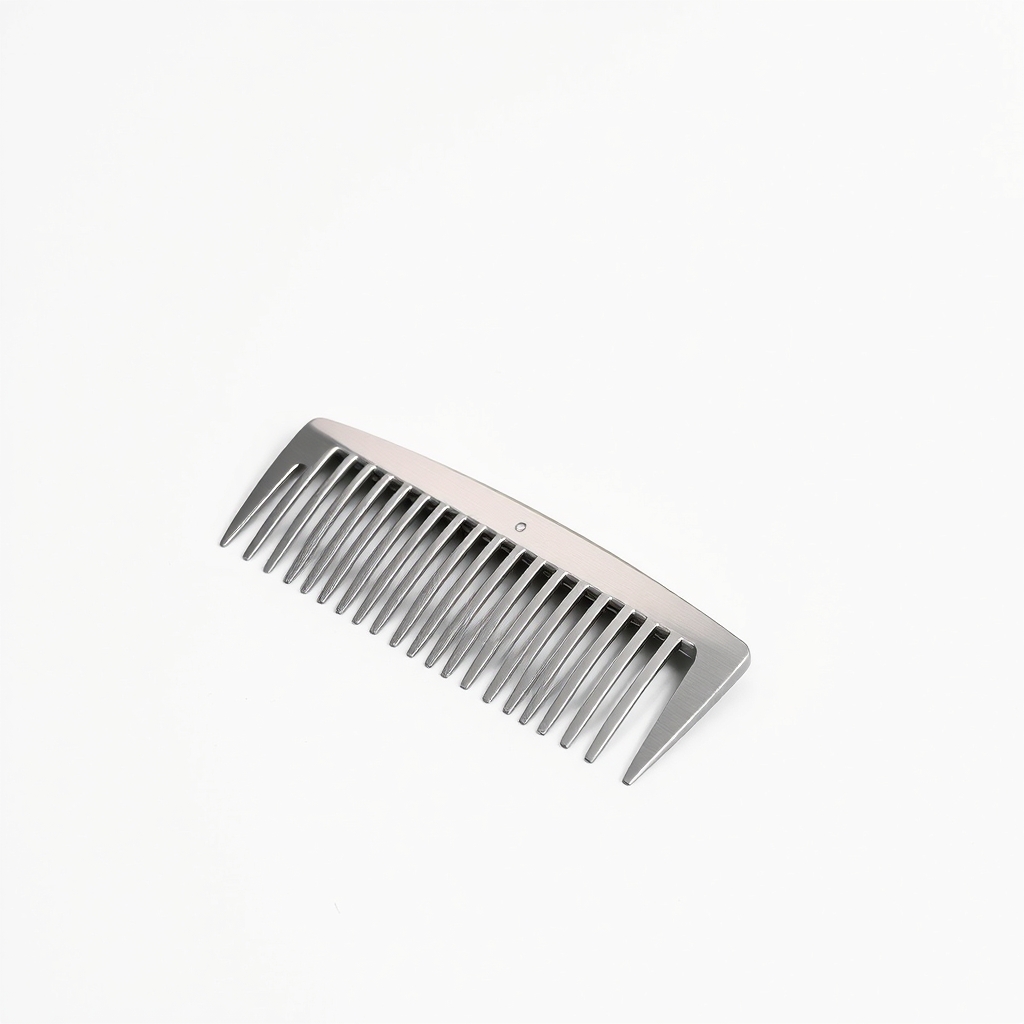
Stainless steel cat comb
For long-haired cats that tangle
Why it happens
Cats shed all year
Indoor cats live under steady light and warmth, so they shed all year. Many cats shed more in spring and fall.
A thick or long coat
Long-haired breeds and cats with a dense undercoat drop more hair. Loose hair that is never brushed out ends up on your couch.
Age, weight and grooming habits
Older and overweight cats groom less, so loose hair stays in the coat. Hairballs and matting follow.
Stress, diet or a health problem
Stress, a poor diet, fleas, allergies and illnesses can all cause heavy or patchy shedding. That is different from normal fall-out.
Try this first (free)
Do these in order, starting with the simplest.
-
Start with damp hands
Tool used: Damp hands or a damp washclothWet your hands and shake off the water. Stroke your cat from head to tail along the lie of the coat. Loose fur sticks to your hands. Wipe them on a towel between strokes.
-
Keep sessions short and calm
Brush for 2 to 5 minutes. Pick a time when your cat is relaxed, such as after a meal or a nap. Stop before your cat gets annoyed.
-
Reward every session
Tool used: Cat treatsGive a treat or a quick play right after. Cats learn to expect something good when the brush comes out.
-
Switch to a soft deshedding brush
Tool used: Soft cat deshedding brushBrush gently in the direction of the coat with light pressure. Do the back and sides first, and leave the belly and tail until your cat is comfortable. Stop if the skin looks red.
IllustrationCheck price on AmazonTool for this step
Soft cat deshedding brush · Rounded teeth or soft bristles, sized for a cat
-
Do a little more often in heavy shedding weeks
In spring and fall, brush every other day in very short sessions. More brushing means less fur on the floor and fewer hairballs.
When free fixes aren't enough
Damp hands are a nice start, but they only lift loose surface hair. If you still find fur on every surface, a brush reaches the undercoat that hands cannot. A soft brush with rounded teeth is the best bet for a cat that dislikes wire bristles. See your vet if you notice bald spots, scabs, red skin, constant licking or scratching, a dull or greasy coat or a sudden jump in shedding. Frequent hairballs also deserve a check. For mats, see the page on detangling without scissors.
Buy the fix
Still stuck after the free fixes? These are the products we would look at.
| Pick | Product | Fixes | Who it's for | Buy |
|---|---|---|---|---|
| Best pick | Soft deshedding brush for cats | loose undercoat that ends up on furniture and floors | Cat owners who want to cut shedding and hairballs, and whose cat dislikes stiff wire bristles. | Check price |
| Budget pick | Soft rubber grooming glove | light shedding on a cat that wants to be petted, not brushed | Nervous cats, kittens and cats that run when the brush comes out. | Check price |
| Upgrade pick | Stainless steel cat comb | loose hair and small tangles on a long-haired cat | Owners of long-haired cats that tangle behind the ears and on the belly. | Check price |
Soft deshedding brush for cats
Fixes: loose undercoat that ends up on furniture and floors
Look for: Rounded teeth or soft bristles that will not scratch skin; Made for cats, with a small head; A comfortable handle; A button or easy way to clear the fur.
- Who it's for
- Cat owners who want to cut shedding and hairballs, and whose cat dislikes stiff wire bristles.
- Honest downside
- Your cat has very sensitive skin, mats or sores. A vet or groomer should check first.
Soft rubber grooming glove
Fixes: light shedding on a cat that wants to be petted, not brushed
Look for: Soft rubber tips on the palm; An adjustable wrist strap or a snug fit; Washable.
- Who it's for
- Nervous cats, kittens and cats that run when the brush comes out.
- Honest downside
- Your cat has a thick undercoat or a long coat. A glove will not reach it.
Stainless steel cat comb
Fixes: loose hair and small tangles on a long-haired cat
Look for: Rounded teeth with both fine and wide spacing; A comfortable handle; Smooth metal that does not snag.
- Who it's for
- Owners of long-haired cats that tangle behind the ears and on the belly.
- Honest downside
- Your cat has a short coat. A comb is more than you need.
As an Amazon Associate I earn from qualifying purchases. We don't show prices because they change, so use the button to see today's price.
How we picked: How we picked: this page is based on veterinary and cat-behavior guidance on grooming and shedding, product instructions from brush makers, and the problems and fixes people report in reviews. We do not test products by hand.
Brushing a cat that hates it
Let the cat sniff the brush first. Do two or three gentle strokes on the back, then stop and give a treat. Over a week or two, add a few strokes each time. Never hold your cat down. If it flicks its tail, flattens its ears or goes still, stop and try again later.
Hairballs and loose fur
Cats swallow loose hair when they groom, and some of it comes back up as hairballs. Brushing removes the hair before it is swallowed. If your cat coughs, retches often or stops eating, call your vet.
What to skip
Shaving your cat or giving frequent baths
Shaving does not stop shedding and can stress your cat or leave the skin exposed. Frequent baths dry the skin and many cats hate them. Brushing is gentler and works better.
Frequently asked questions
How do I fix cat hair shedding?
Why is my cat's hair shedding so much?
Why does my cat shed so much hair indoors?
My cat hates being brushed. What do I do?
Related problems
 Free fix inside
Pets · Cat Grooming
Cat Hair Matting? Detangle It Safely Without Scissors
Read the fix Free fix inside
Pets · Dog Grooming
Dog Hair Shedding Everywhere? Deshedding Tools That Earn Their Keep
Read the fix Free fix inside
Pets · Pet Hair
Pet Hair on Clothes? Fixes Ranked From Free to Cheap
Read the fix Free fix inside
Pets · Pet Hair
Pet Hair on the Couch? A Rubber Tool Beats a Lint Roller
Read the fixAs an Amazon Associate I earn from qualifying purchases. Affiliate disclosure