Porch Swing Blowing in the Wind? Stabilizer Straps Help
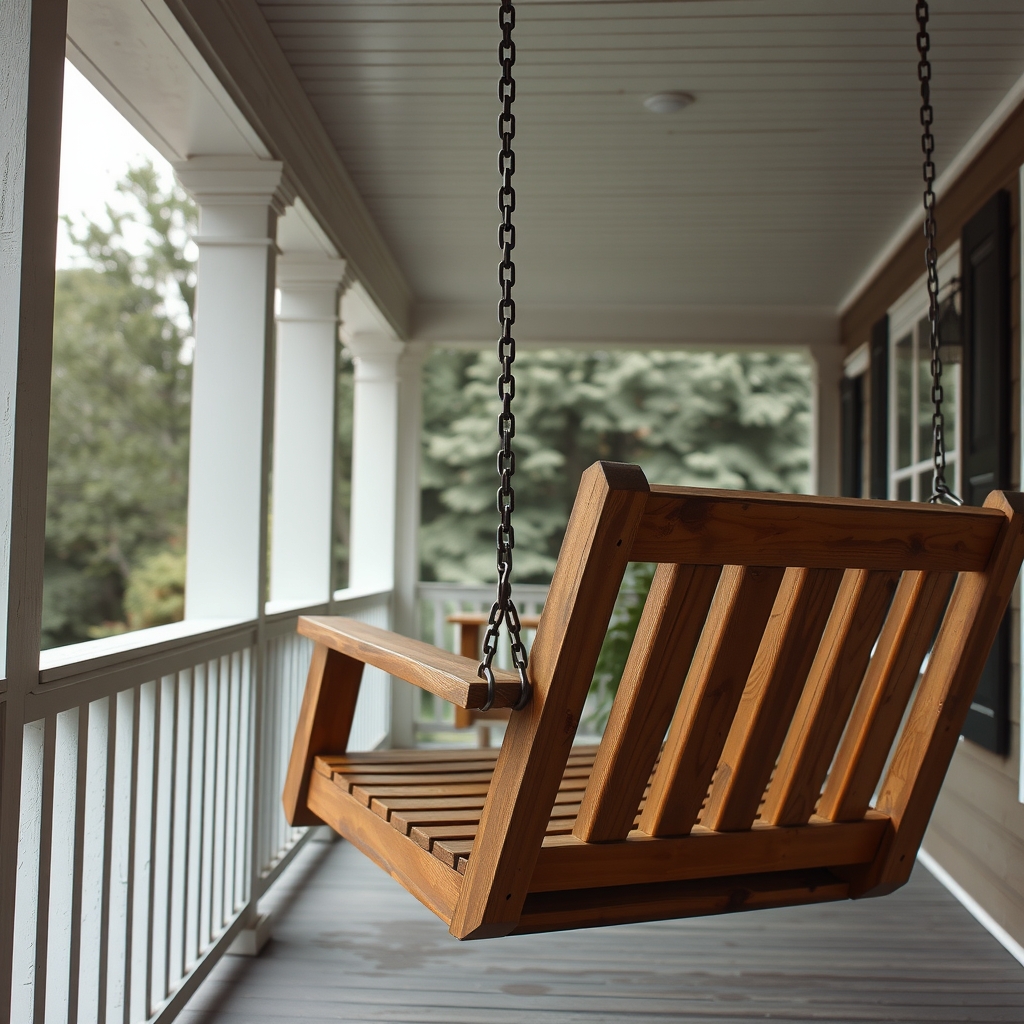
A swing that bangs the wall or twists in a gust is hard on its hooks and your porch. Straps that anchor it keep it steady without locking it in place.
By Jamilur Rahman Updated November 5, 2026 · 6 min read
- Time
- 30 min
- Cost
- Under $20
- Difficulty
- Medium
In this guide
Quick answer
To keep a porch swing from blowing in the wind, hold the seat steady with stabilizer straps that run from the swing to solid anchor points on the porch, and leave a little slack so it still swings gently. For a free fix, tie the swing back with rope when a storm is coming. Straps do the same job every day without you having to remember.
Free fix vs. permanent fix
Tie the swing back when wind picks up
- Pull the swing to the middle of the porch
- Tie rope from the swing frame to a post, not to a railing
- Leave a hand's width of slack
- Untie it when the wind drops
How long it lasts: Only while the rope is on. You have to remember to tie and untie it, and rope can scuff the swing's finish.
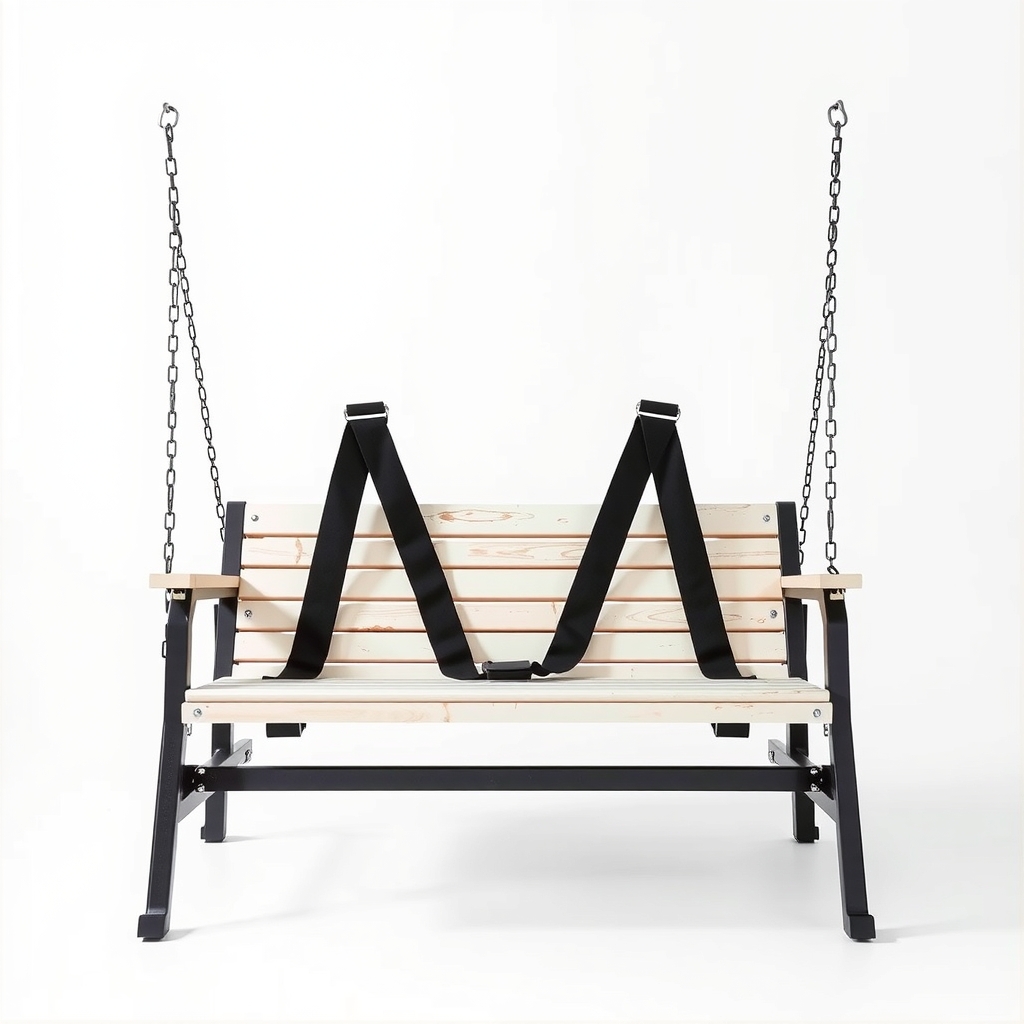
Porch swing stabilizer straps
A swing hangs from two points and has nothing to stop it moving sideways, so a gust pushes it into the wall or twists it on its chains. Stabilizer straps run from the swing to anchors on the floor or wall. They limit side and twisting motion while the swing still moves front to back.
How long it lasts: Years. Weather-resistant straps stay in place and work every day.
As an Amazon Associate I earn from qualifying purchases.
What you'll need
-
Rope or ratchet strap
For the stopgap tie-back on storm days
You have it -
Drill and bits
For pilot holes into the post or framing
You have it -
Tape measure
To keep both chains the same length
You have it - Illustration
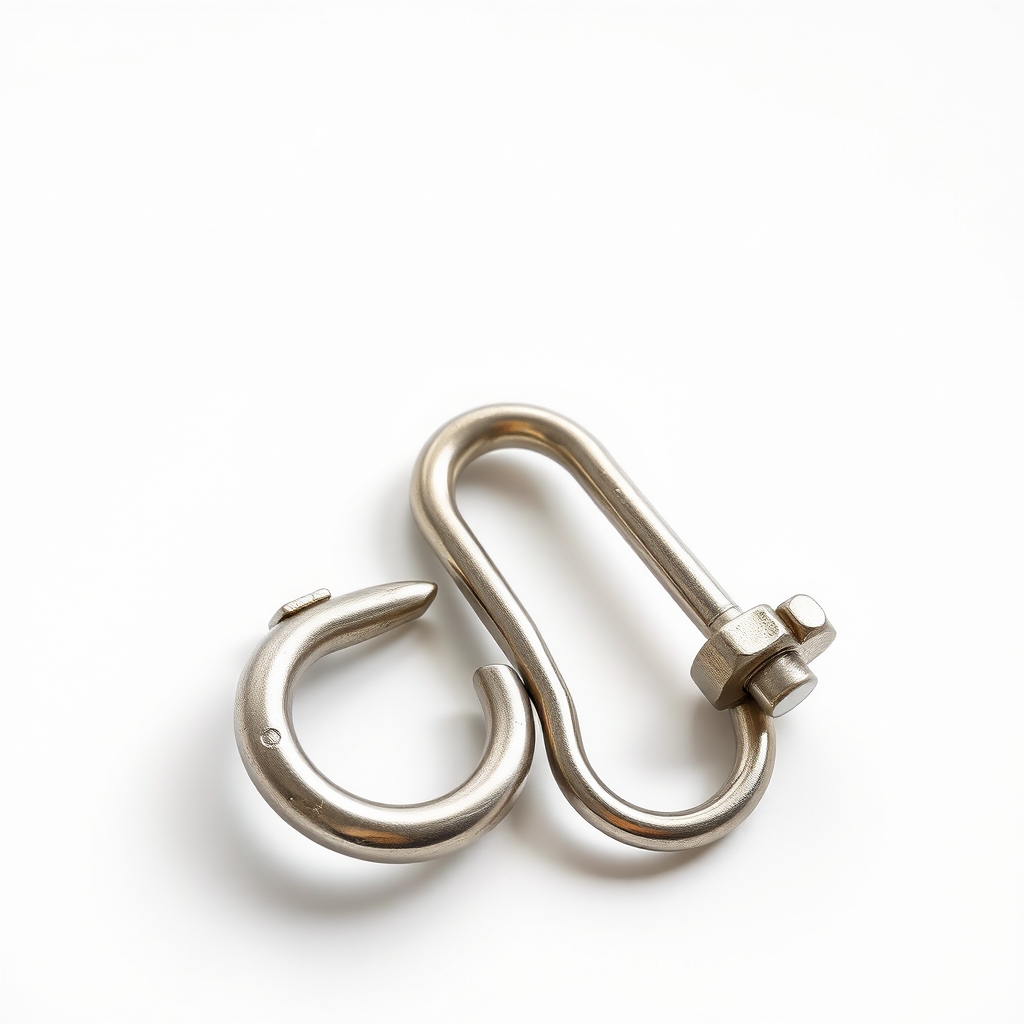
Stainless eye bolts and snap hooks
Anchor points in solid wood, not in decking boards
- Our pick Illustration
Porch swing stabilizer straps
Look for sets that come with hooks or hardware
- Illustration
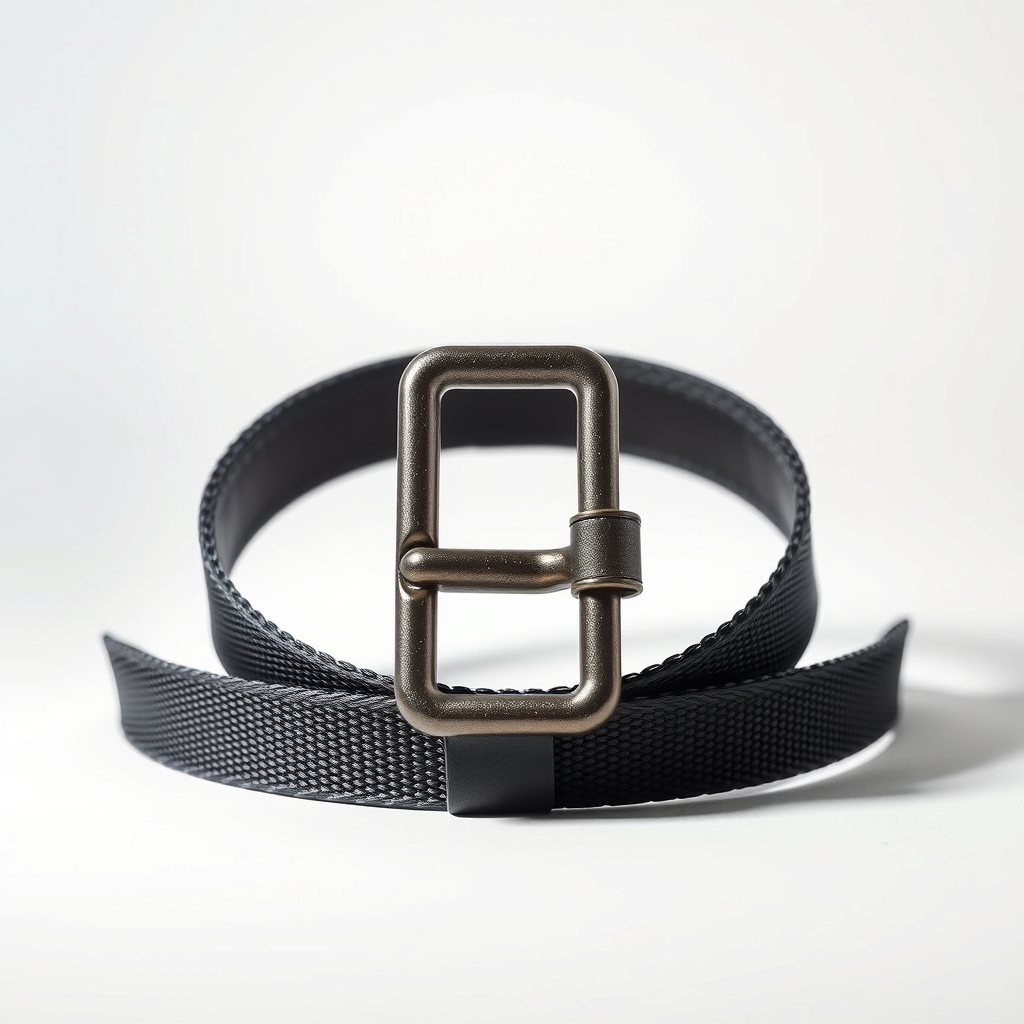
Heavy-duty cam buckle straps
A cheaper do-it-yourself option
Why it happens
Nothing holds the swing sideways
A porch swing hangs from two hooks, so it is free to move in any direction. A gust pushes it sideways, and it twists on its chains.
An exposed porch
Corner porches and open sides funnel wind straight at the swing. More exposure means more movement.
A cushion that acts like a sail
A tall back cushion or a canopy catches the wind. The swing is light, so it moves.
Worn or loose hangers
Hooks that have worked loose in the ceiling let the swing wobble more, and wobble loosens them more.
Try this first (free)
Do these in order, starting with the simplest.
-
Check the hangers and chains first
Look at the ceiling hooks, chains and links. They should sit tight in joists with no bent steel or deep rust. A swing that bangs the wall for years can weaken them.
-
Even out the chains
Tool used: Tape measureMeasure both chains so they are the same length. A slightly shorter chain makes a smaller arc. Keep the seat at a comfortable height.
-
Find solid anchor points
Tool used: Drill and bitsAnchor into a joist, a post or the porch framing. Never anchor into decking boards alone, railing balusters or trim. Pre-drill, then screw in an eye bolt.
-
Install the stabilizer straps
Tool used: Porch swing stabilizer strapsClip each strap to the swing frame or chain near the seat and to its anchor, angled out from the swing. Leave about two inches of slack so normal swinging is not blocked. Adjust until it hangs level when empty.
IllustrationCheck price on AmazonTool for this step
Porch swing stabilizer straps · Look for sets that come with hooks or hardware
-
Test it in a gust
Give the swing a push and watch for twisting. If it still sways sideways, shorten the straps a bit. Check the hooks and straps again every few months.
-
Tie it back in storms
Tool used: Rope or ratchet strapWhen high wind is forecast, pull the swing tight to a post with rope and take the cushions inside. Do not sit on it in a storm.
When free fixes aren't enough
Roping the swing works on storm days only. If it bangs the wall on ordinary breezy days, you need something that stays on. Straps add a steady limit to sideways movement. If the swing keeps slamming the wall, the hooks look bent or you hear creaking from the ceiling, the hanging points are the problem. Have a carpenter check the joists before the swing falls. Straps cannot make a weak swing safe, and a swing is not safe to sit on in a storm.
Buy the fix
Still stuck after the free fixes? These are the products we would look at.
| Pick | Product | Fixes | Who it's for | Buy |
|---|---|---|---|---|
| Best pick | Porch swing stabilizer straps | a swing that sways sideways, twists or bangs the wall in wind | Anyone with a hanging porch swing on an exposed porch. | Check price |
| Budget pick | Heavy-duty cam buckle straps | wind sway on a budget | Anyone who wants a low-cost start and does not mind adjusting it. | Check price |
Porch swing stabilizer straps
Fixes: a swing that sways sideways, twists or bangs the wall in wind
Look for: Weather-resistant straps or webbing; Adjustable length so you can set slack; Hooks or hardware that match your swing frame; A weight rating above the swing's rated load.
- Who it's for
- Anyone with a hanging porch swing on an exposed porch.
- Honest downside
- Your hanging points are loose or cracked. Fix those first, because straps are not a safety fix.
Heavy-duty cam buckle straps
Fixes: wind sway on a budget
Look for: Webbing rated well above the swing's weight; A cam buckle you can adjust by hand; Rust-proof hooks; Short enough to stay out of the way.
- Who it's for
- Anyone who wants a low-cost start and does not mind adjusting it.
- Honest downside
- You want a neat look. Stabilizer sets are made for the job.
As an Amazon Associate I earn from qualifying purchases. We don't show prices because they change, so use the button to see today's price.
How we picked: How we picked: this page is based on porch swing hanging guides, hardware makers' load instructions and what owners report in reviews of stabilizer straps. We do not test products by hand.
Where to anchor, and where not to
- Good: a porch post, a joist under the floor or a wall stud, with a lag-screw eye bolt.
- Bad: decking boards on their own, railing balusters, trim or thin siding.
- Ask first: if you cannot find the framing, have a carpenter mark it.
When to take the swing down
In a wind advisory or a storm warning, take the cushions in and tie the swing back, or unhook it and store it. If a gust has bent a hook or loosened the ceiling mount, fix it before you sit on the swing again.
What to skip
Bungee cords and fully tight straps
Bungees stretch and snap back, and straps pulled bolt-tight lock the swing and load the hooks. You want a gentle limit with a little slack, not a lock.
Frequently asked questions
Why does my porch swing sway sideways in the wind?
Where should I anchor porch swing straps?
Will stabilizer straps stop the swing from swinging?
Is it safe to sit on a porch swing in strong wind?
Related problems
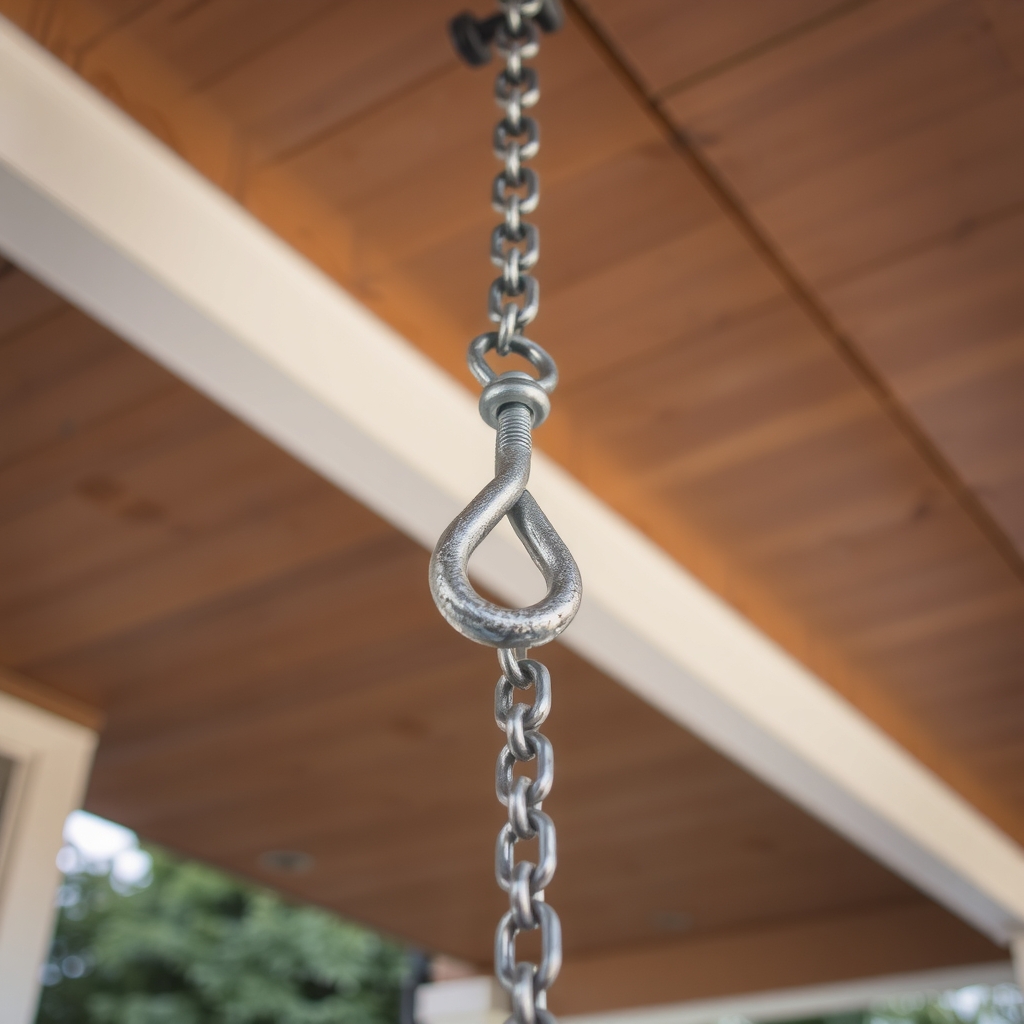 Free fix inside
Outdoor & Garage · Porch
Porch Swing Squeaking? The Spray That Quiets Chains and Hooks
Read the fix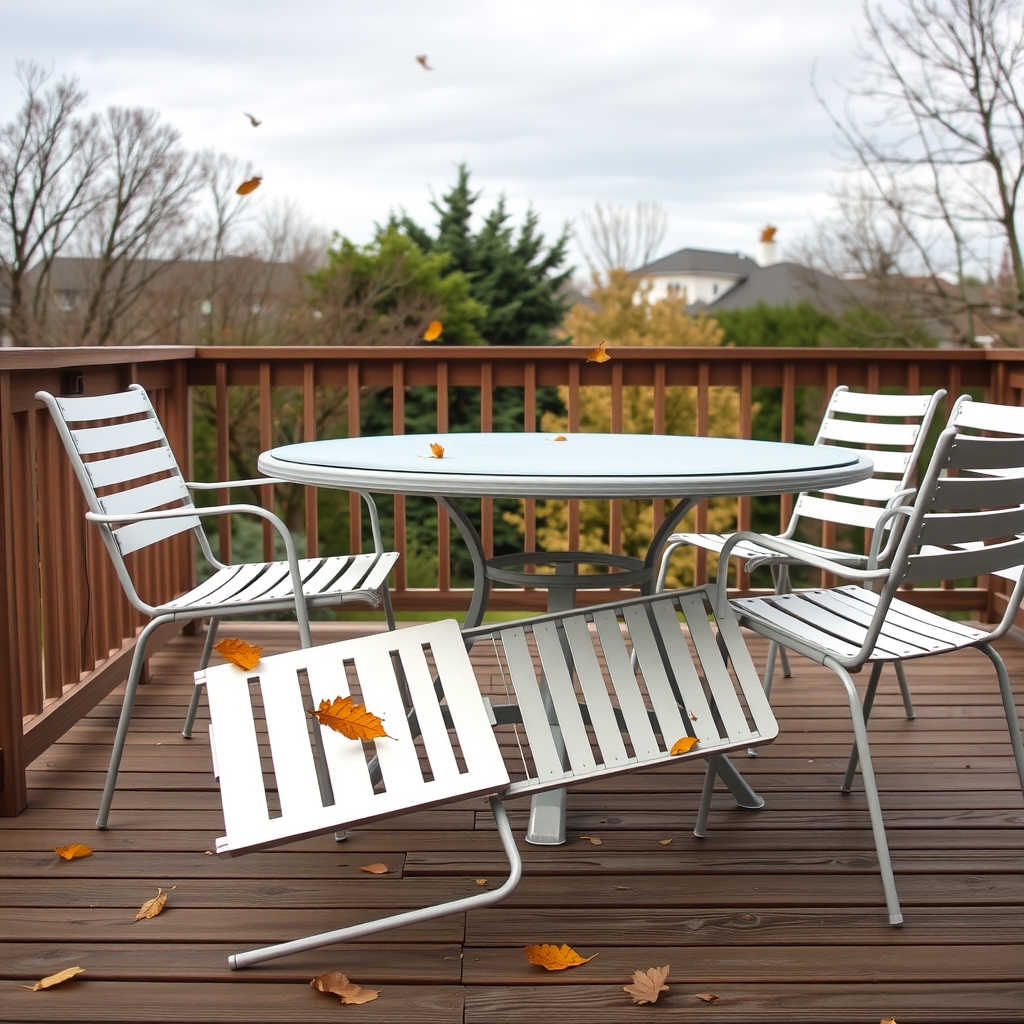 Free fix inside
Outdoor & Garage · Patio
Patio Furniture Blowing Away? Weights and Straps That Hold
Read the fix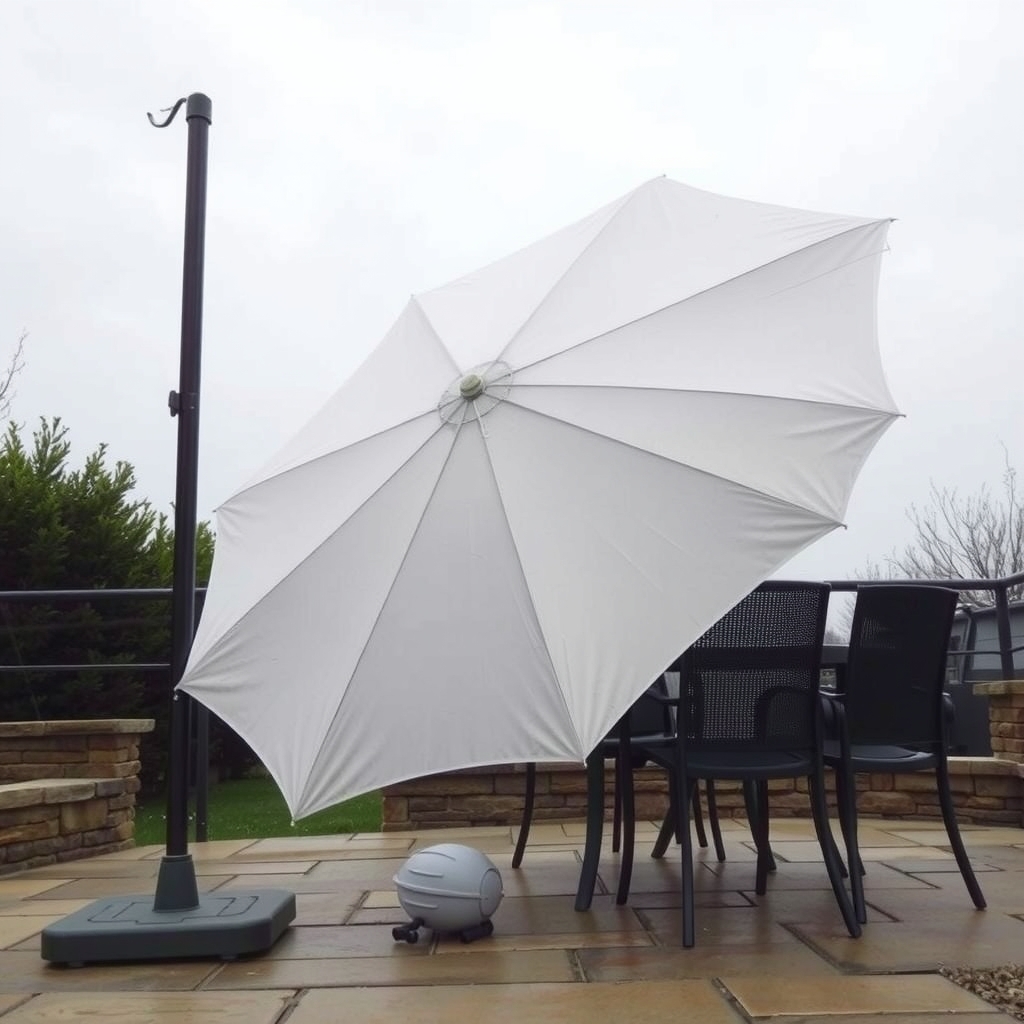 Free fix inside
Outdoor & Garage · Patio Umbrella
Patio Umbrella Keeps Blowing Over? The Base Weight You Need
Read the fix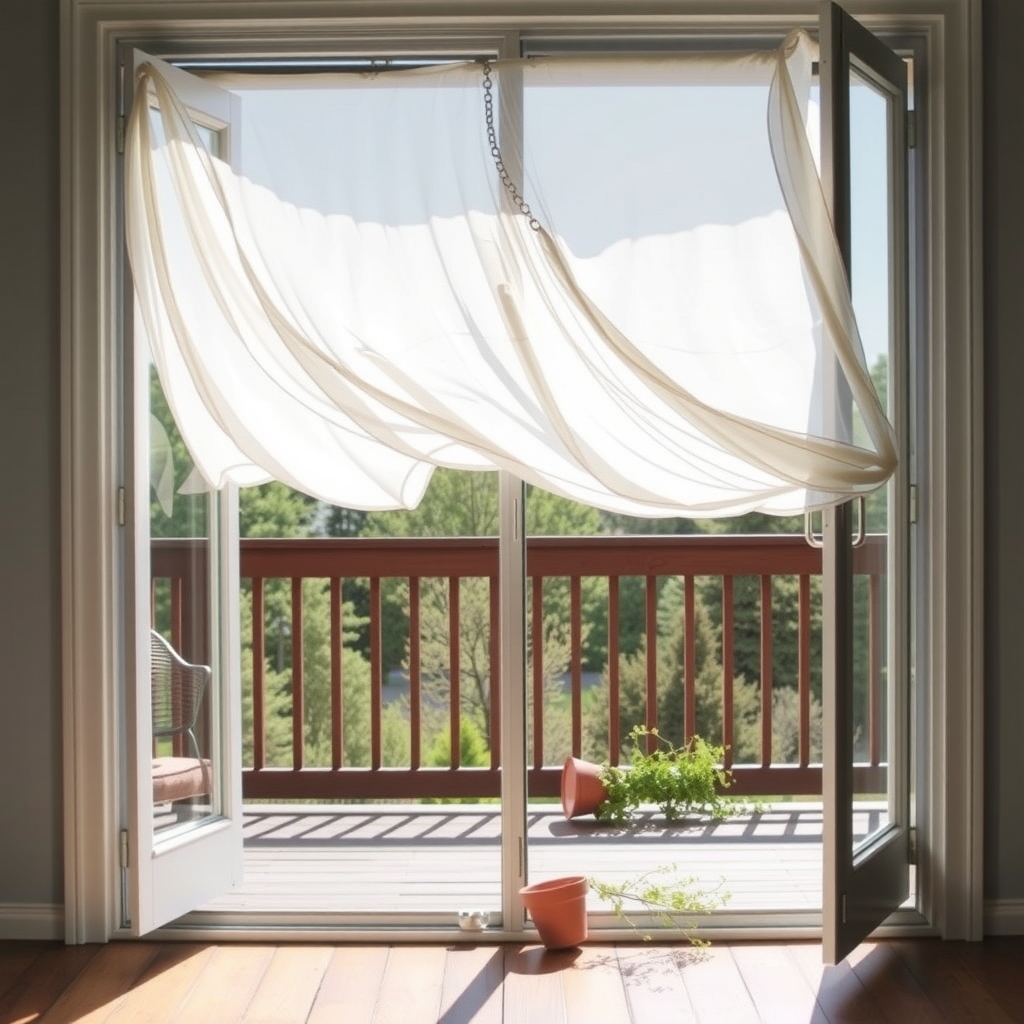 Free fix inside
Outdoor & Garage · Patio Door
Patio Doors Blowing in the Wind? A Door Holder Keeps Them Put
Read the fixAs an Amazon Associate I earn from qualifying purchases. Affiliate disclosure