Iron Sticking to Clothes? Clean the Soleplate in 5 Minutes
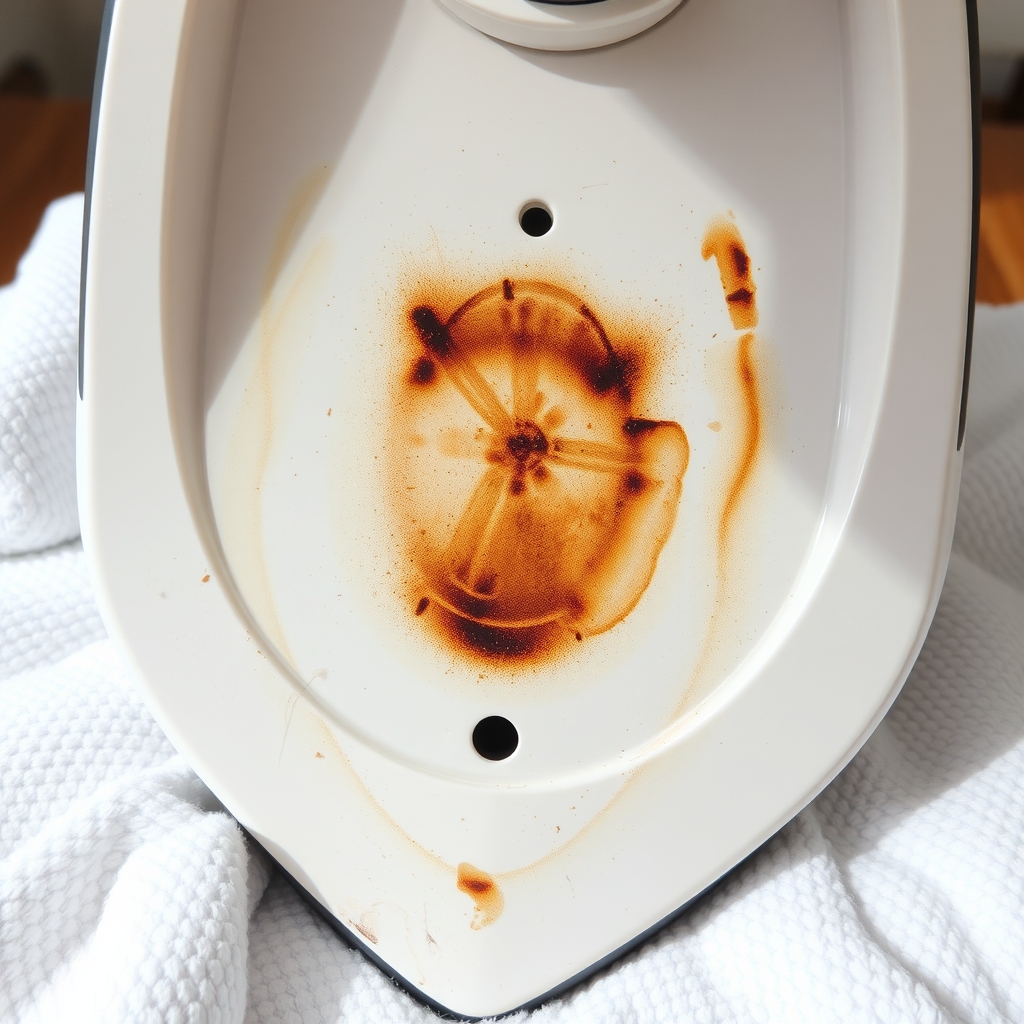
Burnt-on starch, melted fibers and mineral scale make the soleplate grab fabric. Clean it while cool, then press at the right heat.
By Jamilur Rahman Updated November 5, 2026 · 6 min read
- Time
- 10 min
- Cost
- Under $20
- Difficulty
- Easy
In this guide
Quick answer
Your iron sticks to your clothes because burnt-on starch, melted synthetic fibers or mineral scale has roughened the soleplate. Unplug it, let it cool, then rub it with a baking soda and water paste on a damp cloth until the residue lifts. For heavy brown or melted deposits, an iron soleplate cleaner dissolves them without scratching the plate. Then press at the right heat, with a pressing cloth over synthetics.
Free fix vs. permanent fix
Baking soda paste on a cool soleplate
- Unplug the iron and let it cool fully
- Rub a baking soda and water paste over the soleplate
- Wipe clean with a damp cloth, then dry
- Never use steel wool or a knife on a non-stick plate
How long it lasts: Clears light and medium residue. It returns if you keep pressing too hot or spraying starch.
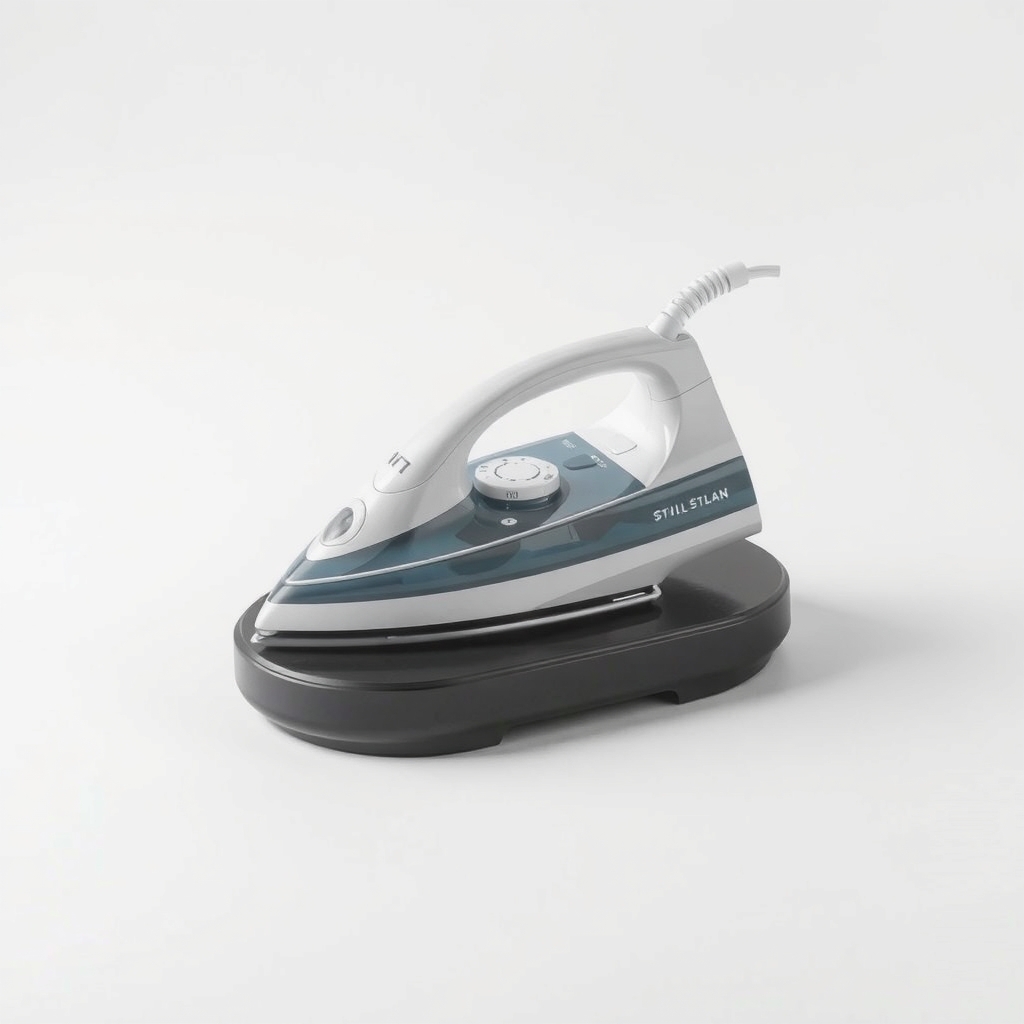
An iron soleplate cleaner
Burnt-on plastic and starch can be too hard for a paste, and scrubbing harder scratches the plate, which makes things stick more. A cleaner made for soleplates dissolves residue without scratching, so the plate glides again. A pressing cloth over delicate fabric stops most of it happening again.
What to get: Iron soleplate cleaner
How long it lasts: One clean takes minutes, and the plate stays smooth until the next buildup.
As an Amazon Associate I earn from qualifying purchases.
What you'll need
-
Baking soda
A mild scrub that will not scratch a cool plate
You have it -
Damp cloth
An old towel or rag works
You have it -
Cotton swabs
For the steam holes
You have it - Our pick Illustration
Iron soleplate cleaner
Check that it suits your plate type
- Illustration
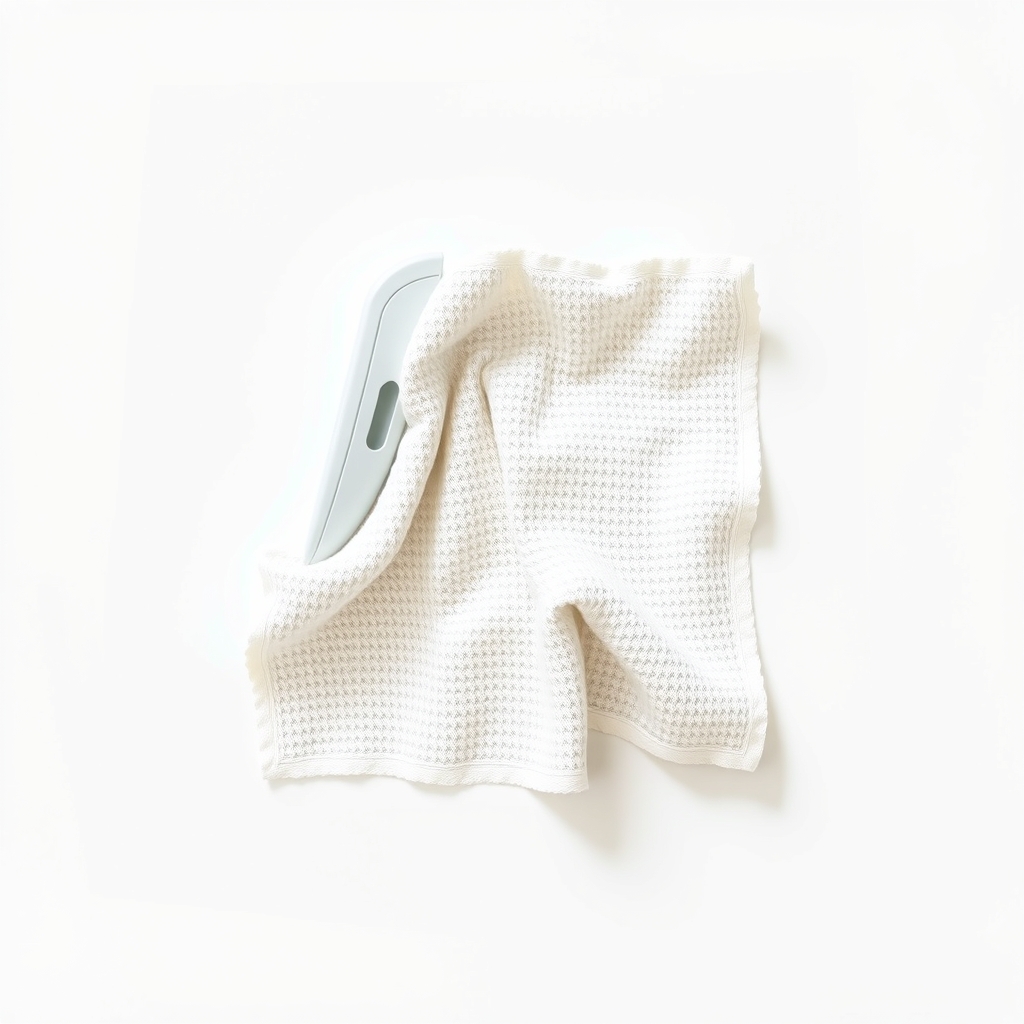
Pressing cloth
A thin cotton pillowcase works until one arrives
Why it happens
Burnt-on starch and spray
Starch, sizing and ironing sprays scorch on a hot plate into a sticky brown film that grabs the next piece of fabric.
Melted synthetic fibers
Polyester, nylon and acetate melt at lower temperatures than cotton. A hot iron leaves a shiny plastic smear that sticks.
Mineral scale from steam
Scale flakes out of the steam holes and bakes onto the soleplate.
The wrong heat for the fabric
Too hot for synthetics melts them, and too hot for starch burns it. Both leave residue.
A scratched or worn soleplate
Non-stick coatings wear away, and rough metal grabs fabric. If the plate is deeply scratched, cleaning will not help.
Try this first (free)
Do these in order, starting with the simplest.
-
Unplug and cool the iron
Never clean a hot iron by hand. Empty the water tank so nothing runs out onto your cloth.
-
Mix the paste
Tool used: Baking sodaStir 2 tablespoons of baking soda with about 1 tablespoon of water into a thick paste.
-
Rub it on the soleplate
Tool used: Cotton swabsUse a damp cloth to rub the paste over the soleplate in small circles. Use a cotton swab in the steam holes. Press lightly on a non-stick or ceramic plate.
-
Wipe it clean and test
Tool used: Damp clothWipe off all the paste with a clean damp cloth, then dry the plate. Heat the iron and run it over a scrap cloth to catch any loose bits.
-
Use a soleplate cleaner for burnt-on gunk
Tool used: Iron soleplate cleanerFor brown, glassy or melted deposits, use a soleplate cleaner and follow its directions for heat and wiping. It dissolves the residue without gouging the plate.
IllustrationCheck price on AmazonTool for this step
Iron soleplate cleaner · Check that it suits your plate type
-
Press smart afterwards
Tool used: Pressing clothTest the heat on a hem. Press synthetics on a low setting through a pressing cloth, and do not spray starch onto the plate side of the iron.
IllustrationCheck price on AmazonTool for this step
Pressing cloth · A thin cotton pillowcase works until one arrives
When free fixes aren't enough
A baking soda paste handles light film. Brown, glassy or melted spots are tougher, and scrubbing harder risks scratching the plate, which makes the iron grab even more. This is where a soleplate cleaner earns its place, because it dissolves burnt-on starch and melted fibers without gouging the plate. If the plate is deeply gouged or the coating is peeling, cleaning will not help, and a new iron is the fix. Stop using an iron that smokes, smells of burning plastic from inside, or has a damaged cord.
Buy the fix
Still stuck after the free fixes? These are the products we would look at.
| Pick | Product | Fixes | Who it's for | Buy |
|---|---|---|---|---|
| Best pick | Iron soleplate cleaner | burnt-on starch, scorch and melted plastic on the soleplate | Anyone whose iron leaves brown marks or drags across fabric. | Check price |
| Budget pick | Cotton pressing cloth for ironing | scorching, shine and sticking when you press synthetics and delicates | Anyone who presses polyester, nylon, acetate or dark fabrics that go shiny. | Check price |
Iron soleplate cleaner
Fixes: burnt-on starch, scorch and melted plastic on the soleplate
Look for: States it is safe for your plate type (non-stick, ceramic or stainless); Removes starch, scorch and melted fibers, per the label; A stick or paste that is easy to apply; Instructions that name the heat setting.
- Who it's for
- Anyone whose iron leaves brown marks or drags across fabric.
- Honest downside
- Your manual says not to use cleaners on the plate, or the plate is deeply scratched or peeling.
Cotton pressing cloth for ironing
Fixes: scorching, shine and sticking when you press synthetics and delicates
Look for: A thin, plain-weave cotton that you can see through slightly; Large enough to cover a shirt panel; No dyes or finish that could transfer.
- Who it's for
- Anyone who presses polyester, nylon, acetate or dark fabrics that go shiny.
- Honest downside
- You press only sturdy cotton or linen at high heat. A plain cotton pillowcase does the same job.
As an Amazon Associate I earn from qualifying purchases. We don't show prices because they change, so use the button to see today's price.
How we picked: How we picked: this page is based on iron manuals and care guides, soleplate cleaner directions, and the problems and fixes people report in reviews of iron cleaners. We do not test products by hand.
Which heat for which fabric
- Cotton and linen: high heat, with steam.
- Wool: medium heat, through a pressing cloth.
- Silk and polyester: low to medium heat, inside out or with a cloth.
- Nylon, acetate and acrylic: lowest heat, with a cloth, since these melt easily.
Always follow the garment's care label, since dial names vary by iron.
How to fix a burnt iron or burnt clothes
For a burnt soleplate, let it cool and use the paste or a soleplate cleaner. For a scorched shirt, a light brown mark on white cotton can fade with a dab of 3% hydrogen peroxide and time in the sun, while colored fabric needs a hidden-seam test first. If the fibers are shiny, thin or melted, they cannot be repaired.
What to skip
Salt, steel wool and metal scrapers on the plate
Salt scattered on paper and ironed over is an old trick, but it can scratch a non-stick or ceramic plate. Steel wool, knives and abrasive cleaners damage the coating, and a damaged plate sticks more. Do not put harsh oven cleaner on an iron.
Frequently asked questions
Why is my iron leaving marks on my clothes?
Why does my iron keep sticking to clothes even after I clean it?
How do I stop my iron sticking to clothes in the first place?
How do I fix burnt clothes?
Related problems
 Free fix inside
Laundry · Steam Iron
Steam Iron Leaking Water? Descale It Before You Toss It
Read the fix Free fix inside
Laundry · Garment Steamer
Clothes Steamer Spitting Water? Why It Drips and How to Stop It
Read the fix Free fix inside
Laundry · Garment Steamer
Clothes Steamer Not Removing Wrinkles? Steamer vs Iron by Fabric
Read the fix Free fix inside
Laundry · Steam Iron
What's the Best Clothes Iron? 4 Picks That Don't Spit or Leak
Read the fixAs an Amazon Associate I earn from qualifying purchases. Affiliate disclosure