Clothes Steamer Not Removing Wrinkles? Steamer vs Iron by Fabric
Steamers relax synthetics and delicate fabrics but struggle on crisp cotton and linen. Fix the technique, then match the tool to the fabric.
By Jamilur Rahman Updated November 5, 2026 · 6 min read
- Time
- 15 min
- Cost
- $20-$50
- Difficulty
- Easy
In this guide
Quick answer
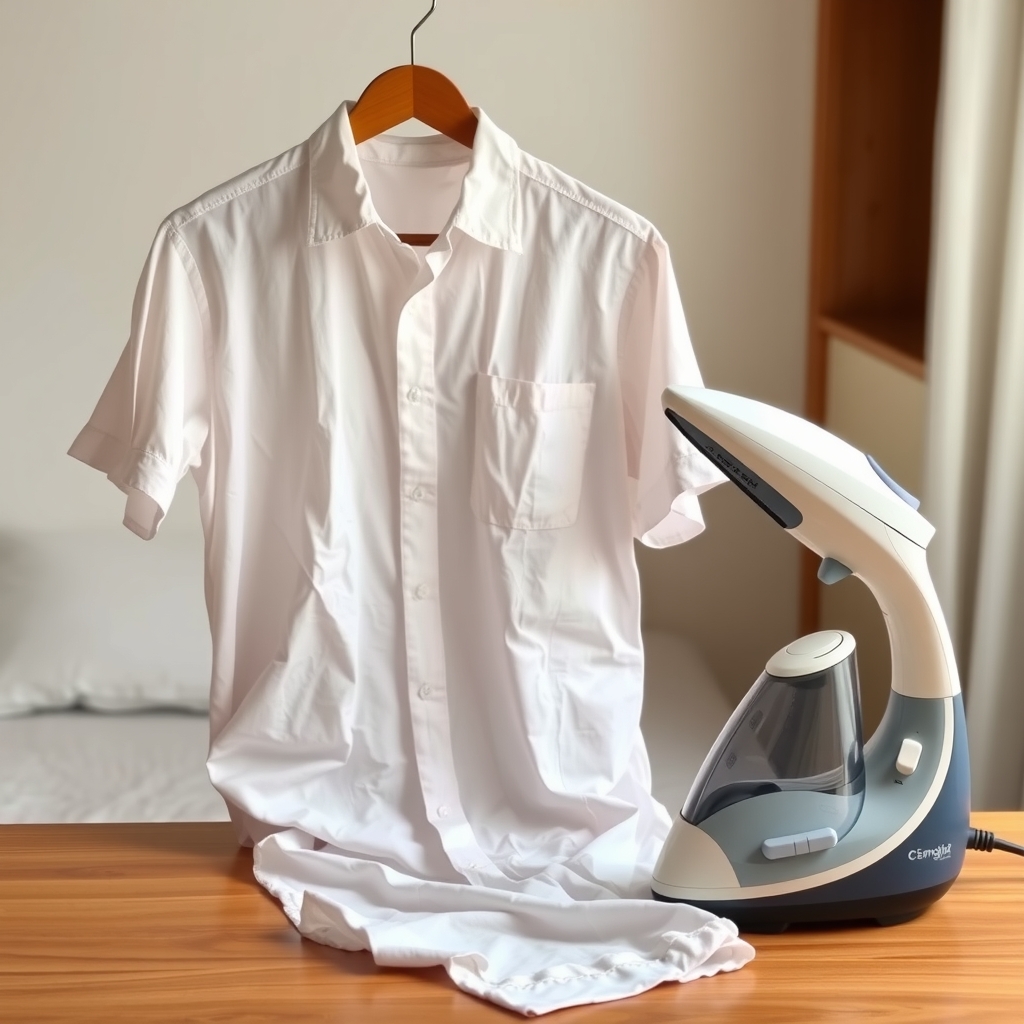
If your clothes steamer is not removing wrinkles, it is usually scale in the nozzle, weak steam, or the wrong tool for the fabric. Descale it, steam top to bottom while pulling the fabric taut, and let the garment dry on the hanger. Stiff cotton and linen shirts often need an iron, which adds heat and pressure that a steamer cannot.
Free fix vs. permanent fix
Fix the steaming technique and descale
- Hang the garment on a sturdy hanger
- Pull the fabric taut with your free hand as you steam
- Descale the steamer with vinegar and water
- Hang the clothes in a steamy bathroom for light creases
How long it lasts: Works for synthetics, knits and light fabrics. On stiff cotton and linen, it stays a partial fix.
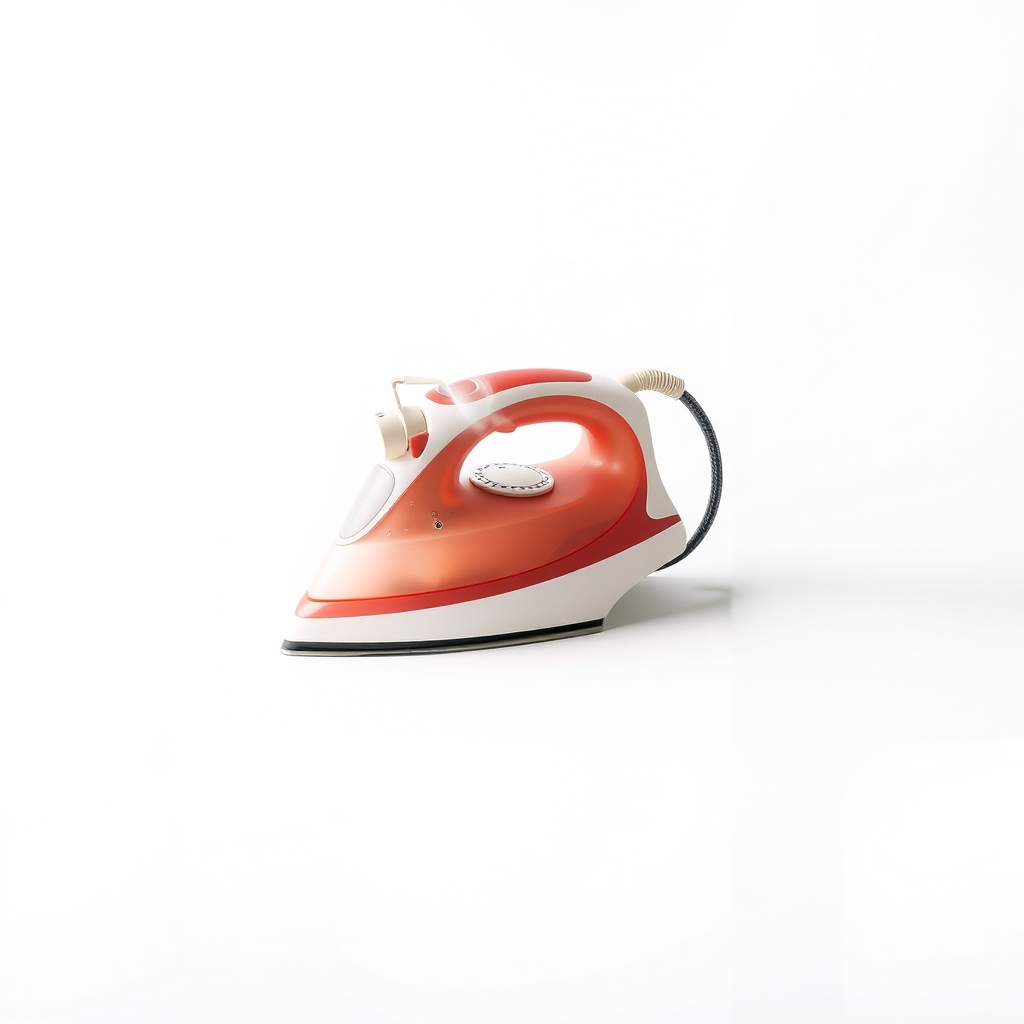
A steam iron for cotton, linen and crisp shirts
A steamer relaxes fibers with moist heat but it does not press. Cotton, linen and dress shirts hold their wrinkles, so they come out better under a hot soleplate with a burst of steam. Keep the steamer for the fabrics it suits.
What to get: Steam iron with a steam burst
How long it lasts: Years. An iron adds heat and pressure, which is what sets a sharp, flat finish.
As an Amazon Associate I earn from qualifying purchases.
What you'll need
-
Sturdy hanger
Holds the garment still and lets you work top to bottom
You have it -
White vinegar
To descale the steamer, if the manual allows
You have it - Our pick Illustration
Steam iron
For cotton, linen and crisp collars and cuffs
- Illustration
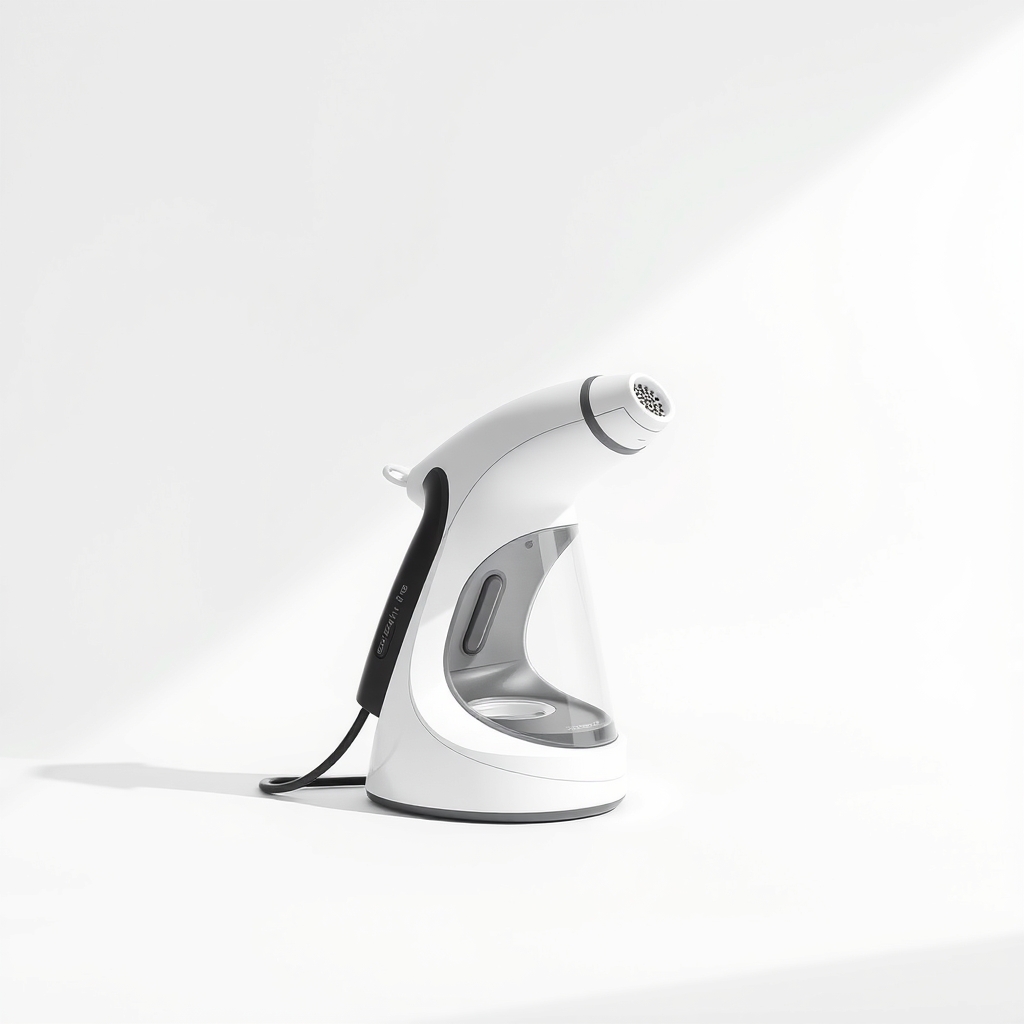
Handheld garment steamer
Quick for synthetics, knits and curtains
- Illustration
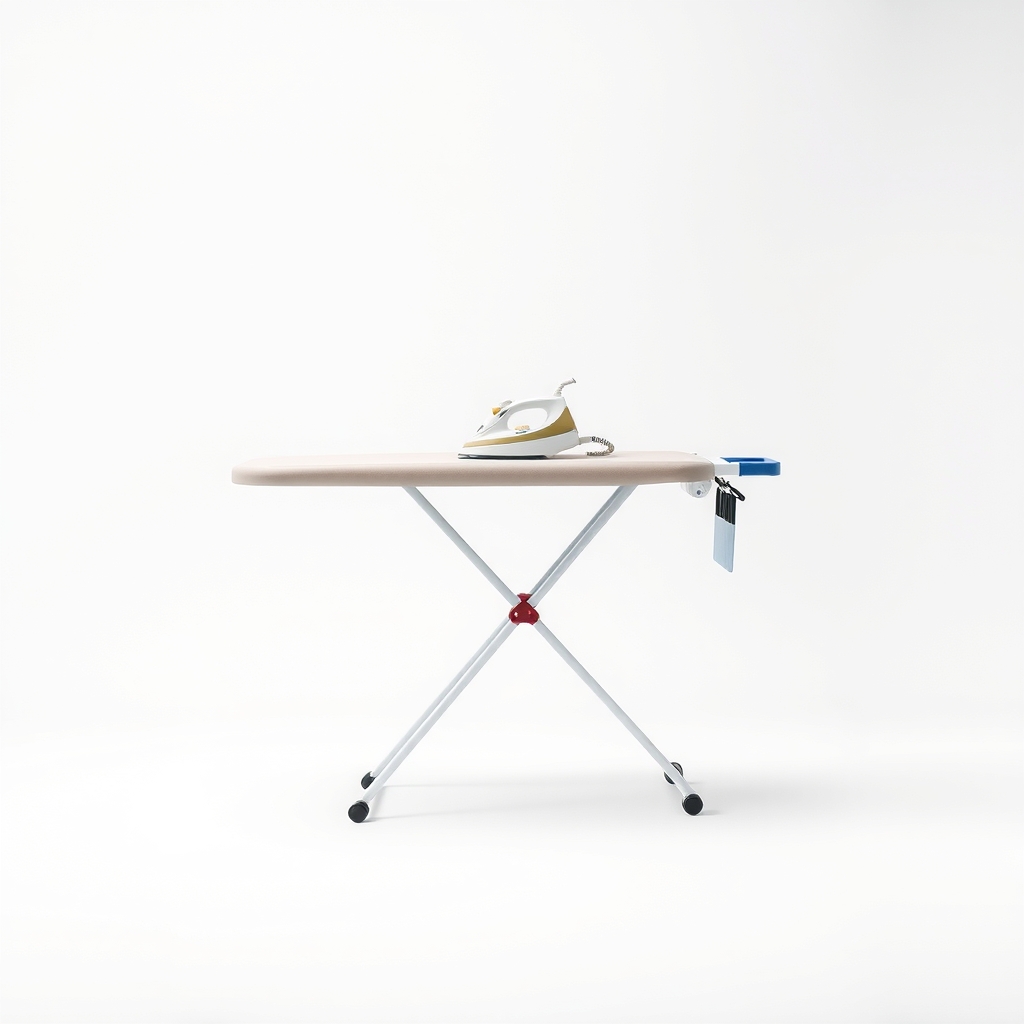
Ironing board
A padded, stable surface for pressing
Why it happens
Scale blocking the steam holes
Minerals in tap water build up in the tank and nozzle. Steam gets weaker, and the steamer can spit water. Hard water makes this faster.
A fabric that needs heat and pressure
Stiff cotton, linen, heavy twill and crisp collars hold their creases. A steamer softens them a little but does not press them flat.
Weak or short bursts of steam
Small handheld steamers can run low on power and heat. If you move too fast or the tank is nearly empty, the steam does not penetrate the fabric.
Slack fabric and poor technique
If the garment hangs loose, steam just blows it around. Pulling the fabric taut lets the steam relax the fibers where you aim it.
Not enough dry time
Damp fabric wrinkles easily. Put a garment on straight after steaming, and the wrinkles come back. It needs a few minutes on the hanger to dry.
Try this first (free)
Do these in order, starting with the simplest.
-
Hang the garment and pull it taut
Tool used: Sturdy hangerUse a sturdy hanger and hold the hem or a sleeve with your free hand. Steam works best on fabric that is smooth and under light tension.
-
Steam slowly, top to bottom
Hold the head close to the fabric, a few inches away or lightly touching if your manual allows. Work in slow vertical strokes and repeat on stubborn creases.
-
Descale if the steam is weak or spits
Tool used: White vinegarCheck the manual first. Many allow a mix of equal parts white vinegar and water run through the unit, followed by clean water. Never run vinegar through a steamer that says not to.
-
Let it dry before you wear it
Leave the garment on the hanger for two to five minutes, so the fibers set smooth. Putting it on damp brings the wrinkles back.
-
Press what the steamer cannot handle
Tool used: Steam ironFor cotton shirts, linen and collars, switch to a steam iron on the right fabric setting. Use the steam burst on stubborn creases.
IllustrationCheck price on AmazonTool for this step
Steam iron · For cotton, linen and crisp collars and cuffs
When free fixes aren't enough
If you have descaled, steamed well and a cotton or linen shirt still looks creased, it is the fabric and the tool, not your technique. Steam relaxes fibers but cannot press a crisp finish. A steam iron adds the heat and pressure that does. If your steamer still gives weak steam after descaling, or leaks, it may be worn out and worth replacing. Check the care label first, since some fabrics, such as silk and velvet, can mark with steam or a hot iron.
Buy the fix
Still stuck after the free fixes? These are the products we would look at.
| Pick | Product | Fixes | Who it's for | Buy |
|---|---|---|---|---|
| Best pick | Steam iron with a steam burst | stiff cotton, linen and shirt collars that a steamer will not flatten | People who wear cotton or linen shirts and want a crisp, flat result. | Check price |
| Budget pick | Handheld garment steamer | wrinkles in synthetics, knits, curtains and travel clothes | People who want a fast touch-up on a hanger, not a full press. | Check price |
Steam iron with a steam burst
Fixes: stiff cotton, linen and shirt collars that a steamer will not flatten
Look for: A steam burst button for stubborn creases; Adjustable temperature settings that match fabric labels; Auto shut-off for safety; A water tank you can see and fill easily.
- Who it's for
- People who wear cotton or linen shirts and want a crisp, flat result.
- Honest downside
- You mostly wear synthetics, knits and casual clothes that a steamer handles. Skip the extra tool.
Handheld garment steamer
Fixes: wrinkles in synthetics, knits, curtains and travel clothes
Look for: Quick heat-up, so it is ready in under a minute or so; A water tank big enough for a few garments; A long cord so you can reach a hanging rail; Higher wattage, since weak steamers struggle on thicker fabric.
- Who it's for
- People who want a fast touch-up on a hanger, not a full press.
- Honest downside
- Most of your wardrobe is stiff cotton or linen. You will still be reaching for an iron.
As an Amazon Associate I earn from qualifying purchases. We don't show prices because they change, so use the button to see today's price.
How we picked: How we picked: this page is based on garment-care label guidance, steamer and iron manuals and what owners report in reviews. We do not test products by hand.
Steamer or iron: which for which fabric
- Steamer: polyester and other synthetics, knits, light wool, curtains, jackets and travel clothes.
- Iron: cotton and linen shirts, trousers with creases, pleats, collars and cuffs.
- Either, with care: silk and blends. Check the label and test a hidden spot first.
What to skip
Steaming at the wrong distance and with bad water
Do not press the steamer hard into delicate fabric, or soak the garment. Check the label for silk, velvet and leather. Also skip filling the tank with scented water or additives, since they can clog the nozzle. Use what your manual allows.
Frequently asked questions
Why is my clothes steamer not removing wrinkles from cotton?
Does a steamer work as well as an iron?
Why is my garment steamer weak or spitting water?
Is steaming or ironing better for delicate clothes?
Related problems
 Free fix inside
Laundry · Garment Steamer
Clothes Steamer Spitting Water? Why It Drips and How to Stop It
Read the fix Free fix inside
Laundry · Garment Steamer
Which Is the Best Clothes Steamer? 3 Picks for Busy Mornings
Read the fix Free fix inside
Laundry · Steam Iron
What's the Best Clothes Iron? 4 Picks That Don't Spit or Leak
Read the fix Free fix inside
Laundry · Garment Steamer
Does Steaming Clothes Get Rid of Smell? What It Fixes (and Doesn't)
Read the fixAs an Amazon Associate I earn from qualifying purchases. Affiliate disclosure