How to Fix a Sweater Snag: Pull It Through, Don't Cut It
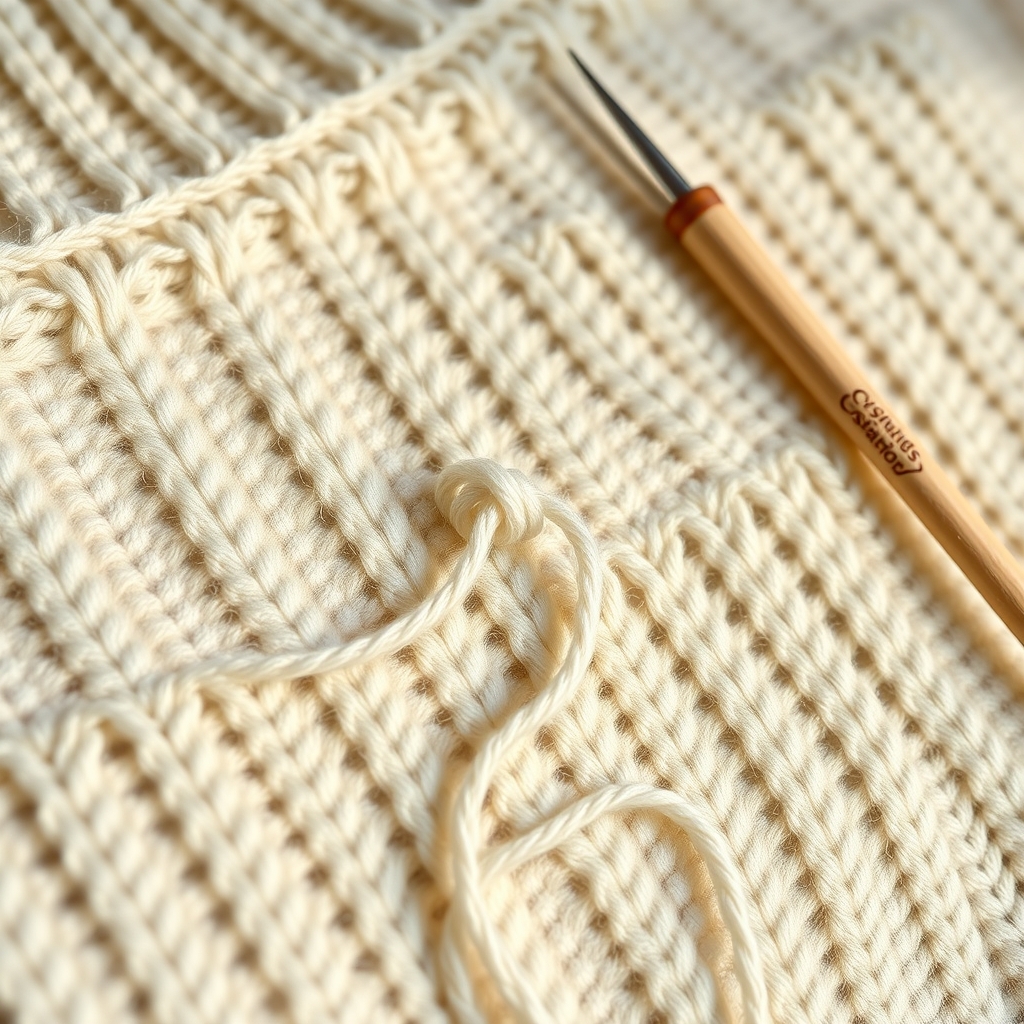
A snag is a pulled loop, not a hole. Cutting it can unravel the knit. Ease it back inside with a needle or a snag tool and the sweater looks new.
By Jamilur Rahman Updated November 5, 2026 · 6 min read
- Time
- 10 min
- Cost
- Under $20
- Difficulty
- Easy
In this guide
Quick answer
To fix a sweater snag, do not cut the loop, because cutting can unravel the stitches and leave a hole. Gently stretch the fabric near the snag, then use a needle or a snag repair tool to draw the pulled loop to the inside and ease the knit flat again. A snag repair hook makes it a ten second job, even on chunky or fine knits.
Free fix vs. permanent fix
A needle and a gentle stretch
- Never cut the loop
- Stretch the fabric gently in both directions
- Pass the loop to the inside with a needle
- Smooth the stitches so no pucker is left
How long it lasts: Permanent for the snag you fix. New snags happen if the sweater catches on rough edges again.
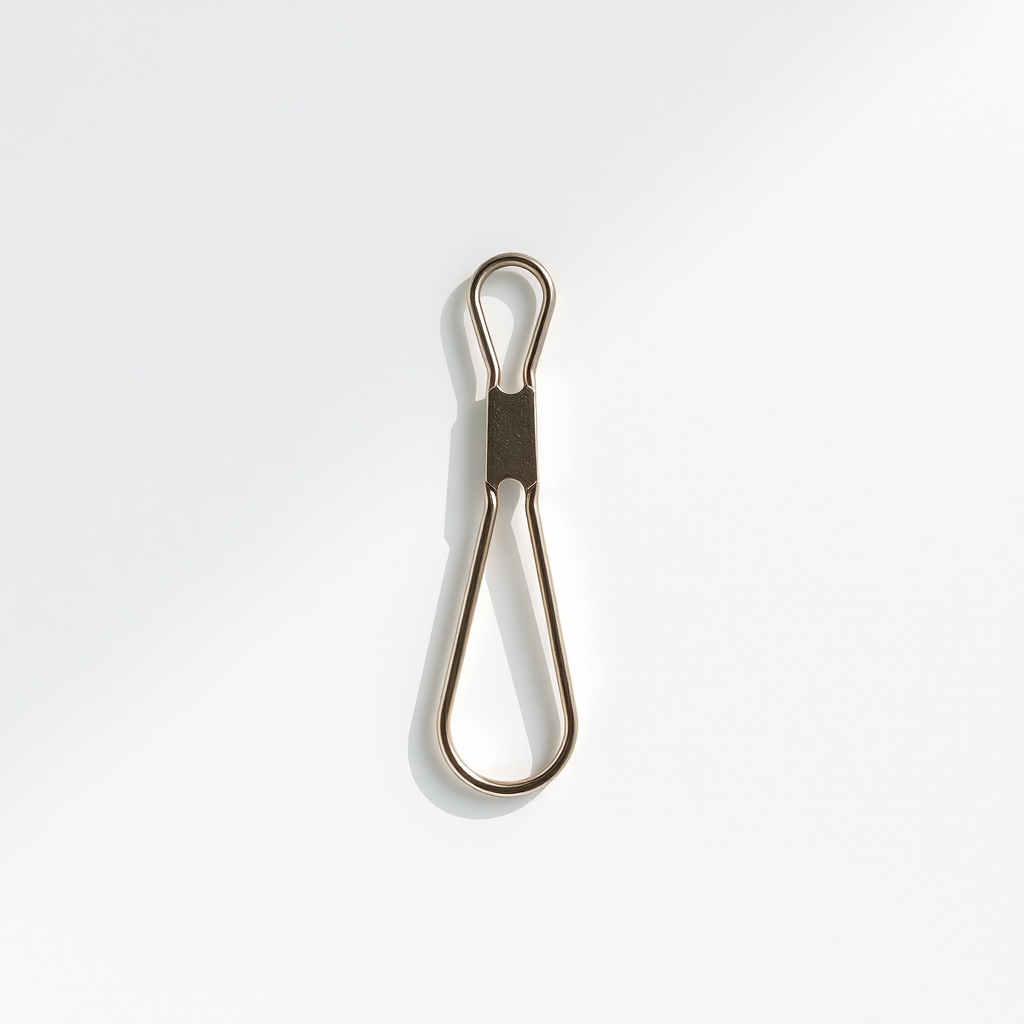
A snag repair hook tool for knitwear
A needle works, but it is fiddly to thread with a loop, and chunky yarn makes it harder. A snag repair hook catches the loop and slides it to the back in one move, so you fix the snag in seconds, before it grows into a run.
What to get: Snag repair hook tool for knitwear
How long it lasts: Years. One tool fixes every future snag in seconds.
As an Amazon Associate I earn from qualifying purchases.
What you'll need
-
Large-eye needle
A blunt tapestry needle is best, but any needle with an eye big enough for the yarn works
You have it -
Small crochet hook
An option for chunky yarn
You have it -
Good light
Makes the base of the snag easy to see
Free - Our pick Illustration
Snag repair hook tool
Made to catch a pulled loop and slide it inside
- Illustration
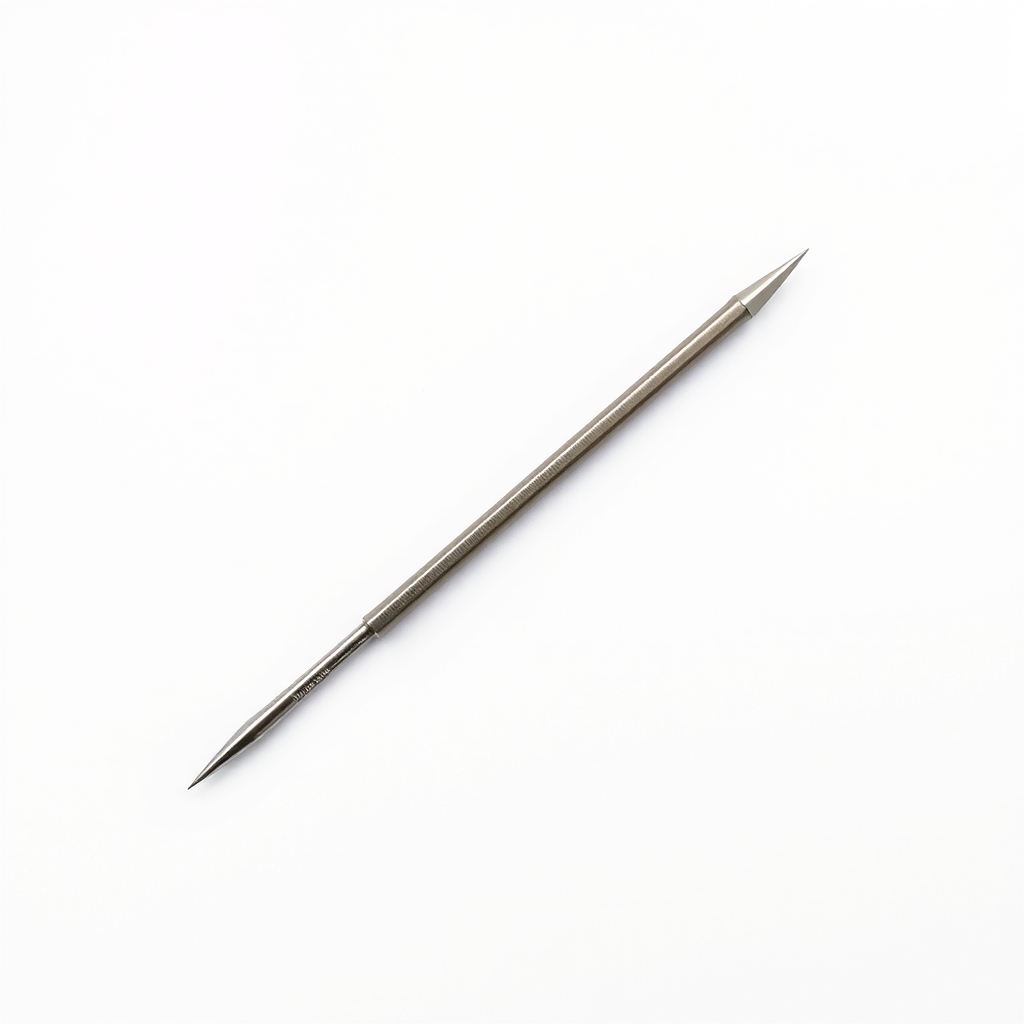
Large-eye blunt needle set
If you have no needle with a big eye
Why it happens
Catching on something rough
Rings, watch clasps, zippers, Velcro, rough nails and furniture edges hook a strand and pull a loop out of the knit.
Pet claws
Cats and dogs catch loose, open knits with their claws, and one pull is enough.
Washing without protection
Other clothes with zippers or hooks can catch a sweater in the machine. A mesh bag stops this.
Open or slippery knits
Loose stitches and smooth or chunky yarns snag far more easily than tight knits.
Try this first (free)
Do these in order, starting with the simplest.
-
Find the loop and leave it alone
Tool used: Good lightLay the sweater flat in good light. Look for the pulled loop and the small pucker where it came from. Do not tug it.
-
Loosen the fabric
Gently stretch the knit around the snag in both directions with your fingers. This opens the stitches so the loop can travel back.
-
Pass the loop to the inside
Tool used: Large-eye needleThread the loop through the eye of the needle. Push the pointed end down through the fabric at the base of the snag, then pull the needle through to the inside. The loop follows it to the wrong side.
-
Even out the stitches
Stretch the fabric gently in all directions to spread the extra yarn and flatten the pucker. It will relax further with wear and washing.
-
Leave the extra yarn inside
Do not trim a loop. If a loose end pokes out, snip it to about half an inch on the inside and leave the rest.
When free fixes aren't enough
If the loop breaks, the yarn snaps or a small hole opens, the pull-through cannot fix it, so see the darning page. Fine merino and cashmere snags that will not close are worth taking to a tailor or knit repair shop. A snag hook helps because you can fix the snag in seconds, before it grows, and it grabs loops that a needle cannot catch.
Buy the fix
Still stuck after the free fixes? These are the products we would look at.
| Pick | Product | Fixes | Who it's for | Buy |
|---|---|---|---|---|
| Best pick | Snag repair hook tool for knitwear | pulled loops in sweaters and other knits | Anyone with several sweaters, or a chunky knit where a needle is fiddly. | Check price |
| Budget pick | Large-eye blunt needle set | the pull-through when you have no needle with a big eye | Anyone without a needle that the yarn fits through. | Check price |
Snag repair hook tool for knitwear
Fixes: pulled loops in sweaters and other knits
Look for: A fine hook or latch tip that catches loops without splitting yarn; A comfortable handle; A smooth finish with no burrs that could snag the knit.
- Who it's for
- Anyone with several sweaters, or a chunky knit where a needle is fiddly.
- Honest downside
- You only have one snag. A needle does the same job. Not for fine silk knits, which need a tailor.
Large-eye blunt needle set
Fixes: the pull-through when you have no needle with a big eye
Look for: A large eye that takes knitting yarn; A blunt tip that does not split stitches; A few sizes in the pack.
- Who it's for
- Anyone without a needle that the yarn fits through.
- Honest downside
- You already own a darning or tapestry needle.
As an Amazon Associate I earn from qualifying purchases. We don't show prices because they change, so use the button to see today's price.
How we picked: How we picked: this page is based on knitwear care guides, sewing and knit-repair tutorials, and the problems people report in reviews of snag tools. We do not test products by hand.
Snags by sweater type
- Chunky wool: a crochet hook or a snag tool does the job, and you can use your fingers to spread the stitches.
- Fine merino or cashmere: be extra gentle with a fine needle, and take stubborn snags to a tailor.
- Cotton or synthetic: the same method, with a little firmer stretching.
- Cable knit: work along the cable, and ease the loop in the direction the stitches run.
What to skip
Scissors, glue and pulling it tight
Cutting the loop leaves a gap that can unravel into a hole. Glue and tape leave hard marks. Pulling the loop tight to hide it only puckers the knit more.
Frequently asked questions
Can I cut a snag off a sweater?
How do I fix a snag without a needle?
Will a snag go away in the wash?
How do I stop my sweaters from snagging?
What if the yarn broke or there is a hole?
Related problems
 Free fix inside
Laundry · Knit Repair
How to Fix Sweaters With Holes: A Beginner Darning Kit Does It
Read the fix Free fix inside
Laundry · Sweaters
How to Stop Sweaters From Shedding: Freeze It, Then Shake It Out
Read the fix Free fix inside
Laundry · Pilling
How to Stop Clothes From Pilling: Wash Them This Way Instead
Read the fix Free fix inside
Laundry · Sweaters
Sweater Shrunk in the Dryer? How to Stretch It Back to Size
Read the fixAs an Amazon Associate I earn from qualifying purchases. Affiliate disclosure