Kitchen Faucet Low Water Pressure? Clean the Aerator First (2 Minutes)
A clogged aerator is the usual reason a kitchen faucet trickles. Unscrew it, soak it, and the flow often returns. A new one costs a few dollars.
By Jamilur Rahman Updated November 5, 2026 · 6 min read
- Time
- 20 min
- Cost
- Under $20
- Difficulty
- Easy
In this guide
Quick answer
Why does a kitchen faucet have low water pressure? Most often the aerator, the small screen on the spout tip, is clogged with minerals or debris. Unscrew it, soak it in white vinegar, brush it clean and screw it back. That takes two minutes of work. If it is worn or damaged, a new aerator that matches your faucet costs a few dollars and restores the flow.
Free fix vs. permanent fix
Clean the aerator
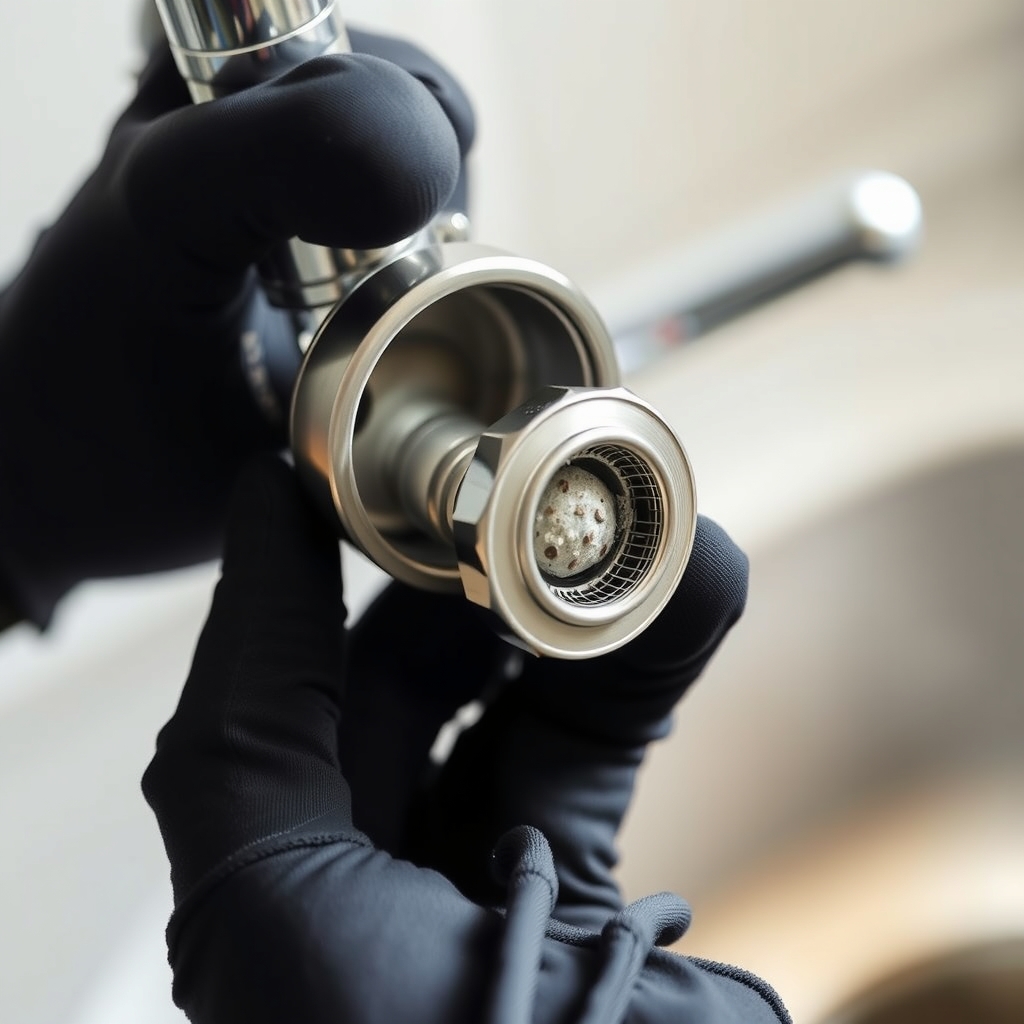
- Unscrew the aerator from the spout tip
- Soak it in white vinegar for 30 minutes
- Brush the screen and rinse
- Flush the faucet for a few seconds before refitting
How long it lasts: A few months in hard water areas. Minerals build up again.
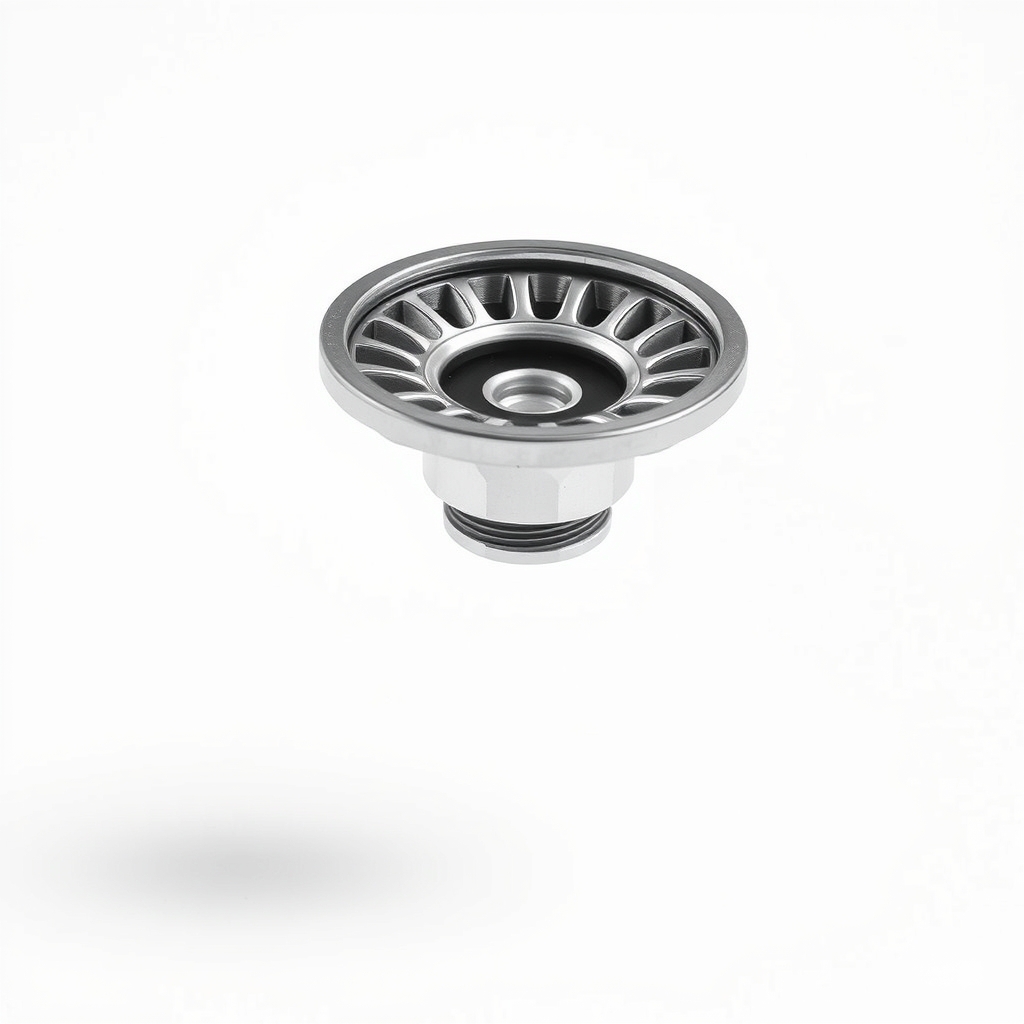
A replacement faucet aerator, matched to your faucet
An aerator with bent, cracked or corroded parts will not clean up. A new one in the right thread size and flow rating restores the stream. Cleaning is free and works most of the time. Replacement is the answer when the old one is damaged or keeps clogging.
What to get: Replacement kitchen faucet aerator
How long it lasts: Years. A fresh aerator starts clean and gives a smooth, full stream.
As an Amazon Associate I earn from qualifying purchases.
What you'll need
-
White vinegar
To dissolve mineral buildup
You have it -
Old toothbrush or small brush
For the screens
You have it -
Pliers and a soft cloth
The cloth protects the spout finish
You have it - Our pick Illustration
Replacement faucet aerator
Match the thread size and the flow rating
- Illustration
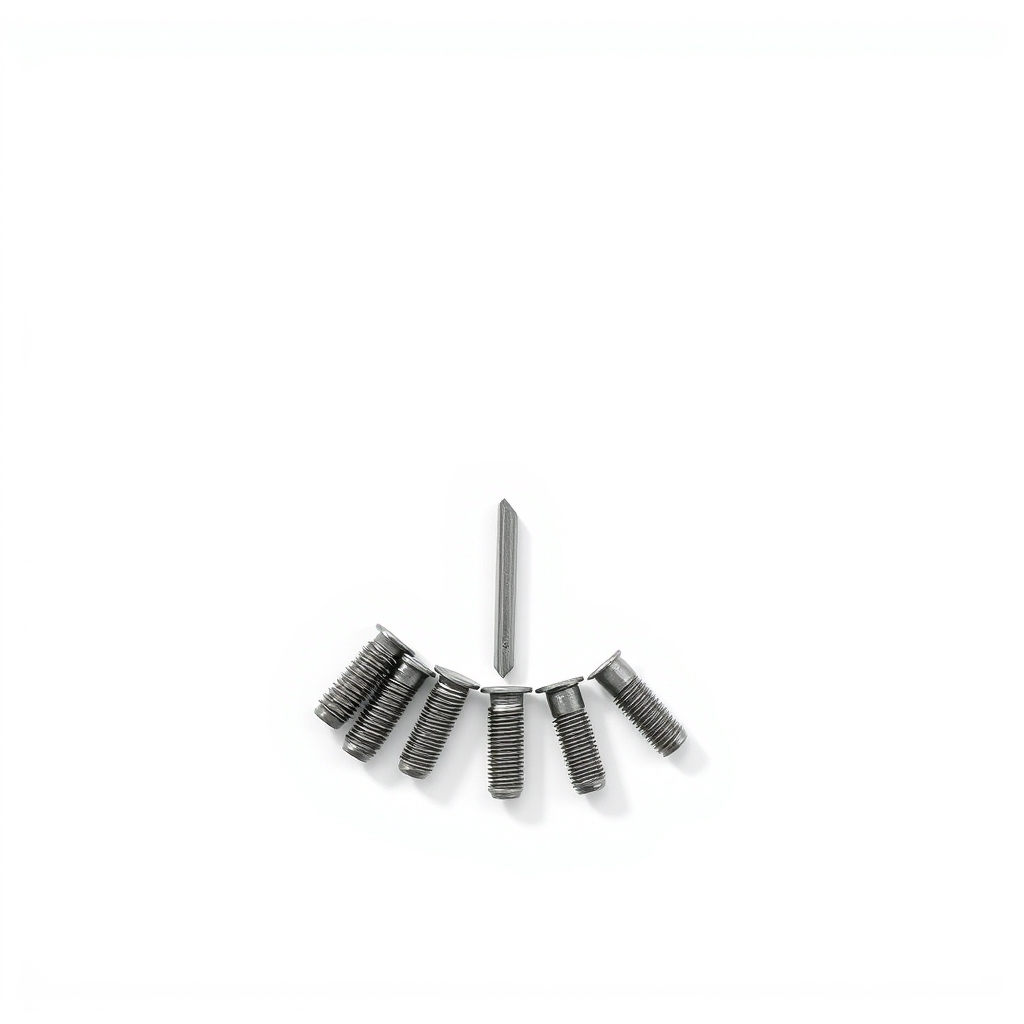
Aerator key and thread-size set
For recessed aerators that have no outside grip
Why it happens
Minerals and grit in the aerator screen
Hard water leaves chalky buildup in the tiny holes. Sand or rust flakes from the pipes also collect there and narrow the flow.
Debris after plumbing work or a water outage
A repair or a boil-water event can knock debris loose from the pipes. It lands in the aerator, which acts as a filter.
A partly closed shutoff valve
The valves under the sink may be only partly open. Both hot and cold weak at one faucet point to this.
A kinked or clogged pull-down hose
On a pull-out faucet, a bent or twisted hose under the sink restricts flow. So does a clogged spray head.
A house-wide pressure problem
If every tap is weak, the cause is upstream, such as a main valve that is not fully open, a failing pressure regulator or a utility issue.
Try this first (free)
Do these in order, starting with the simplest.
-
Test the faucet without its aerator
Tool used: Pliers and a soft clothUnscrew the aerator by hand, turning counterclockwise as you look up at it. If it is stuck, wrap it in a soft cloth and use pliers gently. Run the water for a few seconds. A strong flow now confirms the aerator was the problem.
-
Take it apart in order
Tip out the screen, washer and any flow restrictor. Lay the parts down in the order they came out, so you can put them back the same way.
-
Soak and scrub
Tool used: White vinegarDrop the parts in a cup of white vinegar for 30 minutes. Scrub the screens with a toothbrush and rinse them under running water.
-
Brush out stubborn grit
Tool used: Old toothbrush or small brushIf holes are still blocked, brush the screen again or poke it from the back with a straight pin. Do not force it, since the mesh bends.
-
Refit and test
Tool used: Replacement faucet aeratorScrew the aerator back by hand, then add a gentle quarter turn with the cloth and pliers. Open the faucet fully. If the flow is still thin, fit a new aerator.
IllustrationCheck price on AmazonTool for this step
Replacement faucet aerator · Match the thread size and the flow rating
When free fixes aren't enough
If the aerator is clean and the flow is still weak, check the shutoff valves under the sink are fully open. Then see whether other faucets are weak. If they are, the cause is the house supply, so check the main valve, ask a neighbor or call the water utility. A plumber can test your pressure and replace a failing regulator. Pressure in a home is usually in the 40 to 60 psi range. A new aerator is the answer when parts are corroded, bent or missing, or when you want to swap an old flow-restricting one.
Buy the fix
Still stuck after the free fixes? These are the products we would look at.
| Pick | Product | Fixes | Who it's for | Buy |
|---|---|---|---|---|
| Best pick | Replacement kitchen faucet aerator | a corroded or damaged aerator that cleaning does not revive | Anyone whose aerator is cracked, clogged for good or missing a washer, or whose flow was weak from the day it was installed. | Check price |
| Upgrade pick | Aerator key and thread-size assortment | an aerator you cannot remove, or an unknown thread size | People whose spout has no outside grip, or who are not sure which size they need. | Check price |
Replacement kitchen faucet aerator
Fixes: a corroded or damaged aerator that cleaning does not revive
Look for: The thread size and type that match your spout, male or female, checked before you buy; A flow rating you are happy with, in gallons per minute (GPM); Brass or solid housing, not thin plastic that cracks.
- Who it's for
- Anyone whose aerator is cracked, clogged for good or missing a washer, or whose flow was weak from the day it was installed.
- Honest downside
- You have not checked your thread size. Aerators come in several sizes, and the wrong one will not seal. Take the old one with you or measure it.
Aerator key and thread-size assortment
Fixes: an aerator you cannot remove, or an unknown thread size
Look for: A key set that fits recessed or cache aerators; A range of common male and female thread sizes; Spare washers in the pack.
- Who it's for
- People whose spout has no outside grip, or who are not sure which size they need.
- Honest downside
- Your aerator has a knurled outer edge you can grip by hand. You do not need a key.
As an Amazon Associate I earn from qualifying purchases. We don't show prices because they change, so use the button to see today's price.
How we picked: How we picked: this page is based on plumbing and faucet care guides, faucet maker instructions and what owners report about replacement aerators in reviews. We do not test products by hand.
How to pick the right replacement aerator
- Thread: male threads are on the outside of the spout, and female threads are inside. Check which yours is.
- Size: regular and junior sizes are common. The old aerator often has the size stamped on its edge.
- Flow: a higher GPM feels stronger and uses more water. Some states cap faucet flow, so check the rating.
What to skip
Soaking the whole faucet or using harsh acid
Do not soak or scrub the faucet itself in vinegar for long, since it can dull brass, nickel and oil-rubbed finishes. Soak only the aerator parts. Skip strong acid cleaners, which damage the finish and the rubber washers.
Frequently asked questions
Why is my kitchen faucet water pressure low?
Why does my kitchen sink have low water pressure but the bathroom does not?
How do I fix a kitchen faucet that is running slow or not flowing properly?
How do I fix low flow on kitchen taps with a pull-down spray head?
Related problems
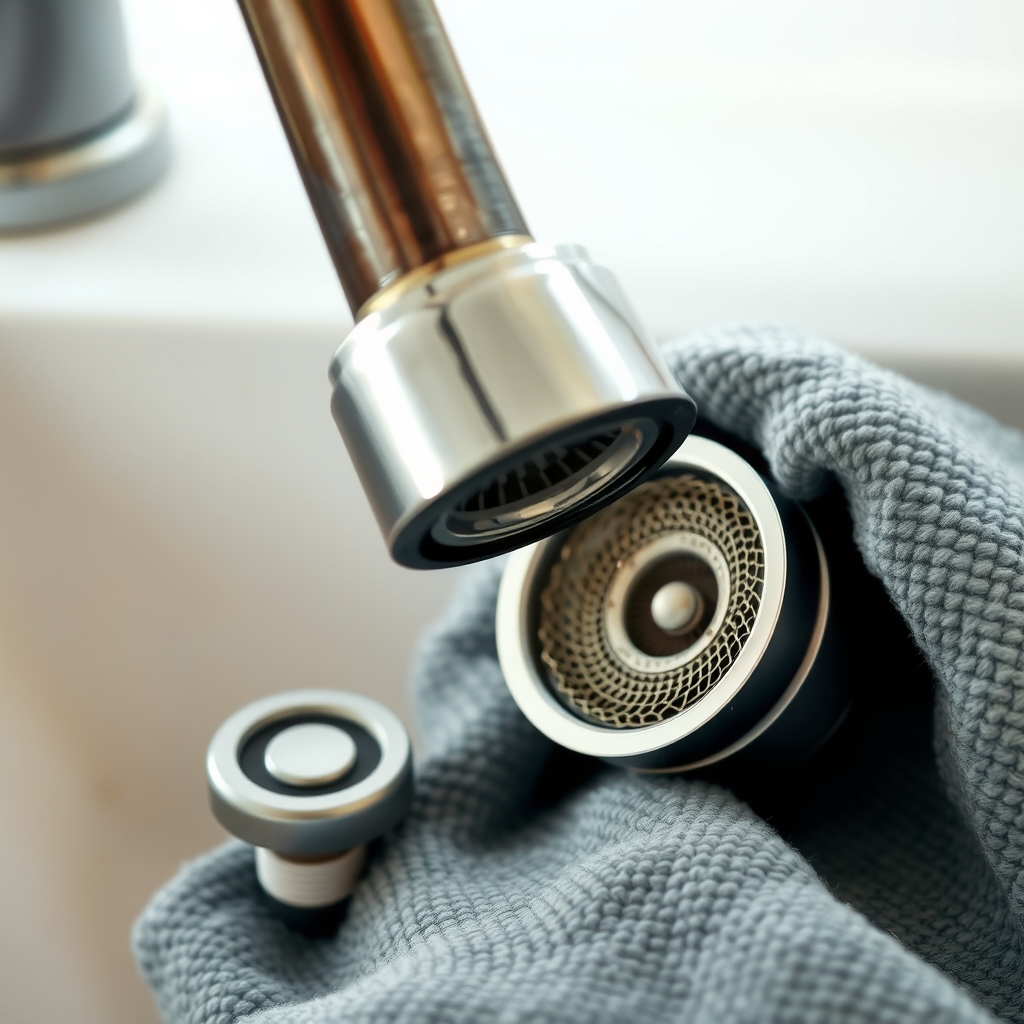 Free fix inside
Kitchen · Kitchen Faucet Parts
Kitchen Faucet Whistling? Check the Aerator Before the Cartridge
Read the fix Free fix inside
Bathroom · Faucet Water Flow
Bathroom Faucet Low Water Pressure? The 2-Minute Aerator Clean
Read the fix Free fix inside
Kitchen · Kitchen Faucet
Kitchen Faucet Sprayer Not Working? Hose, Diverter, or Clog: Find Out
Read the fix Free fix inside
Kitchen · Kitchen Faucet
Kitchen Faucet Dripping? Match the Faucet Type and Buy the Right Kit
Read the fixAs an Amazon Associate I earn from qualifying purchases. Affiliate disclosure